

Cheryl Andrisani
Cheryl Andrisani is an Alignment and Manifestation Coach who helps people change the inner patterns that keep them feeling stuck and step into a more confident and authentic version of themselves. Her work is grounded in Neville Goddards teachings and a practical understanding of self concept inner dialogue and assumption. Cheryl brings a clear compassionate and results oriented approach to conversations about personal transformation. She helps people identify limiting beliefs and behaviours then develop the awareness and daily practices needed to create lasting positive change. Cheryl would be an engaging guest for audiences interested in spirituality personal growth conscious creation mindset emotional wellbeing and self leadership. She can speak about the difference between trying to force outer circumstances and changing the inner state from which a person sees and responds to life. Possible interview themes include: How self concept shapes the life we experience Why inner dialogue matters more than most people realise How to remain grounded when circumstances feel discouraging The role of awareness in recognising limiting beliefs and patterns How Neville Goddards ideas can be applied in modern daily life Moving from self doubt and reaction into confidence and intentional action Creating a practical personal transformation practice that people can sustain Cheryl combines spiritual understanding with direct practical coaching. Her message is that change begins within and that people can learn to stand in their power rather than being defined by past patterns or present circumstances. Paranormal, Physics & Metaphysics, Psychology, Emotional Health and Freedom, Mental Health, Personal Development, Inspirational, Motivational, Access Consciousness
Canada
Cheryl Andrisani is an Alignment and Manifestation Coach based in Canada. Born and raised in the Greater Toronto Area she is a wife mother and entrepreneur who has helped build a multi million dollar business with her husband from the ground up. Her own journey of personal growth led her through years of self study and work with mentors who helped her build the life she now enjoys. Cheryl has dedicated her work to helping others recognise their own potential and create meaningful change in their lives. Her coaching is founded on Neville Goddards teachings together with related metaphysical and personal development principles. Cheryl focuses on self concept inner dialogue awareness and the assumptions that shape how people experience themselves and the world around them. She works with people who are ready to identify limiting beliefs and behaviours and replace them with more empowering patterns. Her style is supportive direct and accountable. Cheryl believes lasting transformation requires commitment self honesty and the willingness to become the person who can sustain the life they desire. Through individual and group coaching Cheryl helps clients move beyond reacting to circumstances. She guides them to build a stronger inner foundation develop confidence and make choices from a clearer sense of identity and possibility. Cheryl is passionate about helping people rise into their authentic selves and create a life that feels aligned meaningful and deeply their own. Her work is for people who are open minded dedicated to growth and ready to take practical steps toward positive change. |
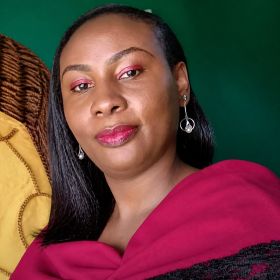
Valentine Wairimu
Valentine Wairimu is an Identity Reprogramming and Manifestation Coach who helps people reshape limiting beliefs build a stronger self concept and create meaningful change from the inside out. Born in Kenya and fluent in English and Swahili Valentine has coached clients in more than fifteen countries. Her work draws on Neville Goddards Law of Assumption alongside ideas from Joseph Murphy Dr Joe Dispenza and Florence Scovel Shinn. She brings these teachings into practical conversations about confidence relationships money identity and personal fulfilment. Valentine is an engaging guest for audiences interested in consciousness spirituality self development emotional growth and intentional living. She can explain why imagination and self concept matter and how people can begin to change the inner patterns that repeatedly shape their outer results. Possible interview themes include: How self concept influences relationships money and daily confidence Why changing identity is more effective than chasing circumstances The Law of Assumption in practical everyday life How to recognise and reprogram limiting beliefs Using imagination to create a new inner story Moving through self sabotage and emotional resistance Creating a stable inner state while pursuing love wealth and fulfilment Valentine offers a warm grounded perspective on manifestation. Her message is that people are not defined by old stories and can learn to become more conscious creators of their lives through consistent inner work and practical self awareness. Energy Healing, Paranormal, Emotional Health and Freedom, Mental Health, Personal Development, Inspirational, Motivational, Spiritual, Access Consciousness
United Kingdom
Valentine Wairimu is a Kenyan born Identity Reprogramming and Manifestation Coach dedicated to helping people discover their inner power and create lasting transformation. Fluent in English and Swahili she has coached clients from more than fifteen countries. Her path into this work began with a deep feeling that life could hold more meaning fulfilment and possibility. That question led her into years of self inquiry personal growth and spiritual exploration. Over the past several years she has immersed herself in the teachings of Neville Goddard and the Law of Assumption while also studying the work of Joseph Murphy Dr Joe Dispenza and Florence Scovel Shinn. At the centre of Valentines coaching is the belief that imagination is a powerful creative tool and that self concept influences the reality people experience. She helps clients identify and reprogram limiting beliefs develop a stronger relationship with themselves and move beyond patterns of doubt fear and self sabotage. Her work supports people in areas including relationships wealth confidence personal fulfilment and emotional wellbeing. She combines spiritual insight with practical coaching tools that help clients build new inner habits and make choices from the identity of the person they want to become. Valentine is passionate about creating a supportive space where people can explore who they are beyond past experiences and current circumstances. Her mission is to help people reshape their reality from the inside out and recognise that meaningful transformation begins with the inner world. |
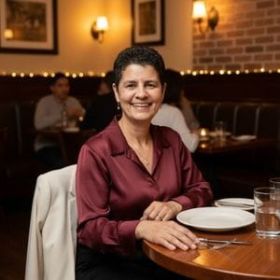
Sarah Ramsarran
Sarah Ramsarran is a Scripture Rooted Conscious Creation Coach who helps people apply Neville Goddards teachings in a grounded spiritual and practical way. Her work explores the relationship between consciousness imagination faith and the deeper meaning of Biblical stories. Sarah helps people understand how self concept inner conversations attention and feeling influence their daily experience. She offers thoughtful guidance for those who want to move from uncertainty into a more conscious and empowered way of living. Sarah is an engaging guest for audiences interested in spirituality Christianity personal development consciousness Neville Goddard and the practical use of imagination. She can speak about how scripture can be read as a guide to inner transformation rather than merely external history. Possible interview themes include: How Neville Goddards teachings relate to Biblical symbolism What scripture can teach us about consciousness and identity The role of imagination in faith and personal transformation How to use SATS meditation and inner conversations in daily life Why self concept matters when creating lasting change Moving from fear and reaction into a more deliberate inner state How people can begin applying conscious creation principles in a grounded way Sarah brings a warm clear and reflective perspective to these topics. Her aim is to help people see that their inner world matters and that lasting change begins with a new understanding of self. Health & Lifestyle, Alternative Health, Energy Healing, Psychology, Emotional Health and Freedom, Mental Health, Personal Development, Self Help, Inspirational
Sarah Ramsarran is a Scripture Rooted Conscious Creation Coach from the United Kingdom. Her work is centred on Neville Goddards teachings the Law of Assumption and the practical relationship between consciousness imagination faith and identity. Sarah began studying Neville Goddard in 2022 after hearing Feeling is the Secret. The ideas immediately resonated with her and led her into a deeper exploration of Nevilles books lectures and spiritual teachings. She now supports others through a Facebook community where she shares insights and helps people apply these ideas in their own lives. Before discovering Neville Sarah had spent years exploring personal development metaphysical principles and the work of other spiritual teachers. Nevilles teachings became the foundation of her understanding because they offered a clear method for consciously creating reality and recognising the power of inner assumption. During a significant health challenge Sarah applied these principles personally by imagining the outcome she wished to hear from her doctor. That experience strengthened her commitment to the practical power of imagination and conscious inner work. Sarah is especially passionate about the way Nevilles teachings illuminate Biblical stories parables and quotations. She helps people explore scripture as a guide to inner transformation and a deeper understanding of their own creative consciousness. Through coaching Sarah supports people in developing clarity confidence and a more deliberate relationship with their inner world. Her work includes self concept SATS meditation inner conversations and living from the feeling of the wish fulfilled. Her purpose is to help people recognise their own power and use these teachings to create a more meaningful and aligned life. |
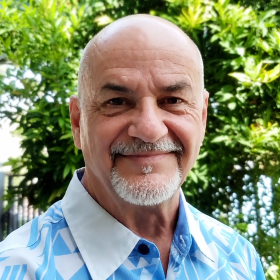
Robert Meeade
Robert Meade is an Imagination Coach and long time practitioner of Neville Goddards Law of Assumption. He offers a grounded and practical conversation about how imagination shapes experience and how people can move from reacting to circumstances toward consciously choosing the state they live from. Robert can discuss Neville Goddards teachings in clear everyday language including living from the end self concept faith and the relationship between inner assumption and outer experience. His approach connects classic metaphysical principles with real questions listeners bring around work relationships confidence wellbeing and a sense of possibility. A conversation with Robert would suit audiences interested in consciousness spirituality personal transformation and the practical use of imagination. He brings more than four decades of study in personal development and metaphysics together with coaching experience and a global perspective from living in the United States the Bahamas Mexico Indonesia and the Philippines. Possible interview themes include: How Neville Goddards Law of Assumption can be understood without jargon Why self concept is central to lasting change How to practice living from the end in ordinary life Imagination as a disciplined inner faculty rather than wishful thinking How to move from problem focus to solution awareness How people can use inner conversations and assumptions to build confidence and a clearer direction What Robert has learned from helping people apply these ideas in their own lives Robert is open to a thoughtful conversation that respects different views while giving listeners practical starting points they can test for themselves. His aim is to make these ideas clear accessible and useful for people who want to create meaningful change from the inside out. United Kingdom
Robert Meade is an Imagination Coach with more than forty five years of experience studying personal development metaphysics and the creative power of the mind. Born in Las Vegas Nevada Robert has travelled to more than twenty five countries and has lived in the United States the Bahamas Mexico Indonesia and the Philippines. His early interest in personal development led him to study influential works including Think and Grow Rich by Napoleon Hill and The Power of Your Subconscious Mind by Joseph Murphy. He later received a year of mentoring from Bob Proctor and went on to serve as a coach. Since 2009 Robert has been a devoted student and practitioner of Neville Goddards Law of Assumption. His work focuses on awakened imagination self concept and living from the end. He helps people explore how an inner shift of identity and expectation can support practical change in relationships work health wealth and overall possibility. Robert works with clients internationally through TrueCosmic Academy. His coaching is rooted in the belief that people can develop new habits of thought and feeling and learn to see solutions where they previously saw only limitations. He combines an encouraging style with practical exercises drawn from Nevilles teachings and a lifelong study of consciousness. Robert is particularly passionate about making metaphysical ideas understandable and usable in daily life. His message is that imagination is not merely fantasy but a creative faculty that can be consciously developed. He welcomes conversations on Neville Goddard consciousness personal transformation the power of assumption and the role of self concept in creating a more fulfilling life. |
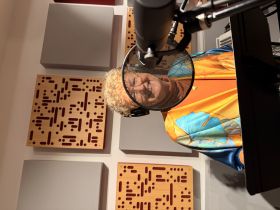
michaelia morgan
I’m reaching out about a Florida story that looks at the state through the eyes of a child who experienced it in the 1950s and ’60s.
Author Michaelia Morgan was born in New York and moved with her family to a Florida dairy farm as a child. There, she encountered the realities of segregation, family dysfunction and devastating upheaval, but also discovered unexpected places of safety. Her debut memoir, That Yankee Girl: The Early Years, tells that story through the eyes of the girl who lived it.
One of the memoir’s most striking themes is where children find refuge when the adults and institutions around them fail them.
For Michaelia, some of that refuge came from Nature: the dairy farm, horses, wild animals, pastures and enormous oak trees gave her a sense of peace and continuity. Growing up in a segregated community, Michaelia found unconditional support within the local Black community “on the other side of the tracks,” a relationship that profoundly shaped her understanding of belonging, race, and humanity.
At 13, Michaelia found herself navigating juvenile hall and a reform camp. Rather than allowing those experiences to define her, she eventually built an extraordinarily varied life.
Today she is a writer whose careers have included IRS tax auditor, programmer, systems analyst, teacher, interpreter for the Deaf, cook, dancer, actor, editor and proofreader. In 1982, she rode her bicycle across the country.
Michaelia can discuss: • Growing up on a Florida dairy farm during segregation • The realities of being a child trying to understand racial divisions • Finding an “accidental family” across the tracks • Why Nature can become a child’s sanctuary • Surviving juvenile hall and reform camp at 13 • Why she chose to tell the story without adult anger or self-pity
The audiobook is narrated by Michaelia in the blended Southern dialects she grew up hearing, making the story particularly evocative for listeners interested in Florida and Southern history.
I’d love to explore whether Michaelia could be a fit for a Florida/Southern feature, interview, book review or conversation about the lived history behind her memoir.
Best, Sofia ThatYankeeGirl.com Purchase That Yankee Girl: The Early Years on Amazon News, Emotional Health and Freedom, Mental Health, Personal Development, Inspirational, Motivational, Pop Culture, Meditation, Variety
About Michaelia Morgan Michaelia Morgan is an author, storyteller and lifelong learner whose career has crossed technology, education, business, performance and the arts. Born in Syracuse, New York, and raised in Florida, Morgan draws upon decades of memories, writing, photographs and family history in That Yankee Girl: The Early Years. Her debut memoir is dedicated to “all the wounded children who found their way toward healing.” Book: That Yankee Girl: The Early Years Author: Michaelia Morgan Formats: Paperback | E-book | Audiobook E-book: $3.99; Paperback: $14.95 Release: September 5, 2026 Audiobook Release: October 6, 2026 Purchase That Yankee Girl: The Early Years on Amazon
|
kunal madan
https://www.instagram.com/amarraofficial/?hl=en From $10,000 to $100 Million: How Two Brothers Built AMARRA Into a Prom Fashion Powerhouse By Kat Fleischman When brothers Abhi and Kunal Madan launched AMARRA in New Jersey in 2018, they weren't backed by venture capital, private equity or a major fashion conglomerate. They started with $10,000. There was no traditional fashion-industry playbook behind the business, either. Abhi Madan never attended design school. While studying business, he taught himself how to design, creating gowns on the side before the project evolved into a full-fledged fashion company. Today, AMARRA says it has generated more than $100 million in retail sales, is carried by more than 800 independent boutiques across the United States, Canada, the United Kingdom, Australia and the Middle East, and has dressed more than 400,000 girls for prom. The growth is notable not simply because of the numbers, but because of the strategy behind them. At a time when fashion brands were racing toward direct-to-consumer models and attempting to reduce their dependence on traditional retail, the Madan brothers went in the opposite direction. They built AMARRA around independent boutiques. Betting on the BoutiqueThe boutique model gave AMARRA something that an algorithm-driven storefront couldn't: a direct relationship with the retailers and customers making purchasing decisions in local markets. The company focused on producing high-end dresses that boutique owners could confidently put on their sales floors, with an emphasis on construction, fit, embellishment and the experience of wearing the garment beyond the initial photograph. AMARRA says that in most of its more than 800 boutique locations, retailers rank the brand among their top three volume producers based on actual sell-through. That retailer relationship has also given the company a view into consumer behavior across hundreds of independent stores. Instead of relying exclusively on online clicks and impressions, AMARRA can see what customers are actually choosing when they walk into a boutique looking for a dress for one of the biggest milestone events of their teenage years. And that matters because prom fashion is about considerably more than aesthetics. A dress has to photograph well, but it also has to function in real life. “A gown that photographs well and a gown that holds up are two different engineering problems,” says Abhi Madan, co-founder of AMARRA. “Anyone can make something look expensive in a studio shot.” The difference, he argues, comes down to the details that aren't necessarily visible in a photograph: boning that remains in place through hours of dancing, hand-set beading that doesn't shed across the floor, and fabrics with enough weight to maintain their shape. “We build for the night, not just for the photo,” Madan says. Designing for the MilestoneThat philosophy has helped AMARRA establish itself in the highly competitive prom market while expanding into a broader category of occasionwear. The company's Spring/Prom 2027 collection reflects that evolution, with AMARRA positioning itself across prom, homecoming, pageant, couture, evening and cocktail fashion. Prom remains a particularly important part of the company's identity. For the customer, the dress is often tied to a specific milestone: a final year of high school, a first formal event, a family celebration or a moment that will live on in photographs for decades. For retailers, meanwhile, prom season represents a highly concentrated period of consumer demand. That combination makes the category unusually demanding. Customers aren't simply purchasing a dress. They are looking for a garment that delivers on appearance, fit, comfort and durability simultaneously. A Different Approach to Size InclusivityAMARRA has also approached sizing as a design and engineering problem rather than simply a matter of scaling patterns. The company carries the same collection from size 000 through 24 and describes its approach as “re-patterned, not graded.” The distinction is significant. Rather than treating a single base-size pattern as the universal template and simply enlarging it, the company's philosophy is to rethink the pattern across sizes so that the garment's construction and proportions work for different bodies. For an occasionwear customer, where fit can determine whether a gown feels transformative or uncomfortable, that distinction can have an outsized impact. What 800 Boutique Floors Can Reveal About Gen ZThe breadth of AMARRA's retail network also gives the company an unusual vantage point on changing consumer preferences. Across hundreds of independent stores, retailers are seeing which silhouettes attract attention, which colors move, what price points resonate and which details cause customers to commit to a purchase. That creates a feedback loop between designers, retailers and shoppers. For the upcoming 2027 prom season, questions surrounding that consumer behavior are already emerging. Are traditional ball gowns maintaining their dominance? How important are structured corsets? Are embellishments becoming more dramatic or more restrained? And how are younger consumers balancing social-media aesthetics with the practical realities of wearing a gown for an entire evening? Those questions are particularly relevant as Gen Z consumers increasingly encounter fashion through a combination of social media, influencers, retail experiences and peer recommendations. AMARRA's boutique-centered model gives its founders a perspective that begins not with what performs best on a social platform, but with what ultimately sells. Building Without Outside CapitalPerhaps the most striking part of the AMARRA story is the starting point. The company began with $10,000 and no outside investors. Seven and eight-figure businesses are often associated with substantial early fundraising, celebrity backing or institutional investment. The Madan brothers instead pursued a more traditional entrepreneurial path: develop the product, establish distribution and grow through sales. The result, according to the company, is a business that has surpassed $100 million in retail sales while remaining deeply connected to independent retailers. That makes AMARRA an interesting case study in an industry where the conventional wisdom around distribution has changed repeatedly over the past decade. The company didn't try to eliminate the middleman. It made the retailer part of the growth strategy. The Next ChapterAMARRA's next phase is less about abandoning its prom roots than expanding what those roots have made possible. With its Spring/Prom 2027 collection, the company is positioning itself as a broader high-end fashion design house, extending its reach into homecoming, pageant, couture, evening and cocktail categories. The goal is to turn recognition built around the milestone dress into a larger fashion business. For Abhi and Kunal Madan, the journey from a $10,000 startup to a brand claiming more than $100 million in retail sales offers a lesson that extends beyond prom fashion. In an industry increasingly shaped by digital advertising, direct-to-consumer commerce and social-media visibility, AMARRA built its business by putting a physical product on physical retail floors and letting customers decide whether it deserved a place in their lives. Four hundred thousand prom customers later, the brothers are betting that the same fundamentals — design, construction, fit and retailer relationships — can take the company well beyond the dance floor.
I wanted to put AMARRA on your radar for upcoming fashion, retail, entrepreneurship, prom and Gen Z stories. Two brothers started the New Jersey fashion house in 2018 with just $10,000. No investors. No venture capital. No formal fashion-industry playbook. Today, AMARRA has generated more than $100 million in retail sales, is carried by 800+ independent boutiques across the U.S., Canada, the UK, Australia and the Middle East, and has dressed more than 400,000 girls for prom. While much of fashion moved aggressively toward direct-to-consumer, brothers Abhi and Kunal Madan doubled down on independent boutiques. Their strategy was simple: make a genuinely high-end milestone dress, build it with real construction, and give boutique owners a product they could confidently put on their floors. In most of the 800+ boutiques carrying AMARRA, retailers rank the brand among their top three volume producers based on actual sell-through. Now, with the Spring/Prom 2027 collection rolling out, AMARRA is expanding its position from a prom label into a broader high-end fashion design house spanning prom, homecoming, pageant, couture, evening and cocktail. There are several editorial directions here: • The 10,000-to-100M+ story: How two brothers built a nine-figure fashion business without outside capital. • The anti-DTC fashion brand: Why AMARRA built its business around 800+ independent boutiques while much of the industry was trying to eliminate the middleman. • The self-taught designer: Abhi Madan never attended design school. He taught himself to design while studying business, creating gowns on the side before turning the project into a company. • What 800 boutique floors reveal about consumers: AMARRA can provide insight into what is actually selling across hundreds of independent retailers from color and silhouette to price sensitivity. • The 2027 prom forecast: Ball-gown volume, structured corsetry, embellishment and evolving Gen Z preferences. • Why the milestone dress is different: What goes into making a gown that photographs beautifully while surviving an entire night of dancing. • Size inclusivity as engineering: AMARRA carries the same collection from 000 through 24, using the philosophy “re-patterned, not graded” rather than simply scaling a base pattern upward. • The independent boutique comeback: What happens when a fashion company makes the retailer, rather than the algorithm, the center of its growth strategy. <Screenshot 2026-08-24 at 9.54.37 AM.png>
<Screenshot 2026-08-24 at 9.54.46 AM.png>
Abhi and Kunal are available for interviews, expert commentary, podcasts and broadcast segments, and we can provide high-resolution campaign imagery, product photography, founder headshots and collection assets cleared for editorial use. One quote that captures the product philosophy: “A gown that photographs well and a gown that holds up are two different engineering problems. Anyone can make something look expensive in a studio shot. Boning that stays put through four hours of dancing, beading that is hand-set so it does not shed across the floor, a fabric with enough weight to hang instead of cling — that is where the months and the money actually go. We build for the night, not just for the photo.” — Abhi Madan, Co-Founder, AMARRA If you're working on upcoming prom/fashion coverage, retail trends, Gen Z shopping behavior or founder stories, I'd be happy to coordinate an interview or send over the 2027 collection imagery. Best,
|
Wahida Mohamed
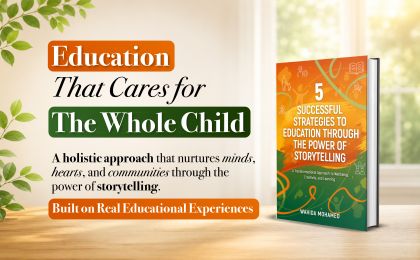
Hi, I’m Wahida Mohamed. As an author, poet, educator, entrepreneur, and podcaster, I have spent my career at the intersection of art and instruction. For years, I’ve championed a single transformative truth: facts inform, but stories transform. We have treated education like an assembly line for too long, pumping students full of rigid data and standardised tests, wondering why they disconnect. We forgot that human beings are hardwired for narrative. Neuroscience shows that when we hear a well-crafted story, our brains synchronise with the storyteller, activating empathy, memory, and imagination in ways a textbook never could. That realisation inspired my book, 5 Successful Strategies to Education Through the Power of Storytelling a practical, soul-stirring blueprint for anyone who wants to revolutionise how we teach and lead. Now, I’ve taken that framework a step further. I have created a brand-new curriculum anchored in the Well-Being Model: Mind, Body, Family. The Mind pillar focuses on cognitive resilience, emotional literacy, and mental health awareness, equipping learners to manage stress and cultivate a growth mindset. The Body pillar centres on physical health, nutrition, movement, and nervous system regulation, treating our physical vessel as the foundation of vitality. But true learning cannot happen in isolation, which brings us to the Family pillar. This extends beyond immediate households into relational health, community connection, and generational healing. What makes this model groundbreaking is its integration with our communities. We cannot teach holistic well-being inside the four walls of a traditional classroom and expect it to stick. We need a collaborative ecosystem. Through this curriculum, we bring local healthcare providers, fitness instructors, and family therapists directly into the learning space. We host intergenerational story circles with local senior centres to bridge generational divides. We turn learning spaces into community wellness hubs and empower students through service-learning projects, like organising mental health walks and nutrition drives. Why should your viewers care right now? Because we are facing an unprecedented crisis of engagement and disconnection in our schools, boardrooms, and digital spaces. People are overwhelmed by information yet starved for meaning. My model bridges that gap. On your show, I want to unpack how anyone from a classroom teacher to a community leader can harness narrative and the Well-Being Model to spark genuine breakthroughs. Imagine showing your audience how a single poem, a movement break, or a community-driven circle can completely shift the energy of a room and heal the emotional disconnect plaguing modern learning environments. I bring that exact energy to the table. Whether I am delivering a spoken-word piece, running a workshop, or speaking behind a microphone, I know how to captivate a room, blend high-level strategy with raw emotion, and leave an audience thinking differently long after the credits roll. Your viewers don't just want to be entertained; they want to be equipped. They want tools that make sense of a chaotic world and help them lead, teach, and connect more deeply. I’m here to give them those tools, wrapped in the magic of a story they won't forget. Let’s change the way the world learns, heals, and grows, one community story at a time.
Careers, Courses & Training, Education Technology, Languages, Alternative Health, Kids & Family, Mental Health, Inspirational
United Kingdom
Wahida Mohamed is a dynamic author, poet, educator, entrepreneur, podcaster, and public speaker who lives at the intersection of art, instruction, and human connection. With decades of diverse experience, she champions a single transformative truth: facts inform, but stories transform. As the director of Language Tuition Plus and the founder of Wisdom Feast Ltd., Wahida is dedicated to revolutionising how we learn, lead, and heal. She has authored multiple transformative books, including 5 Successful Strategies to Education Through the Power of Storytelling and Wisdom Feast: What Would You Like to Be Remembered For?, offering practical blueprints that help individuals harness narrative to foster empathy, legacy, and deep engagement. As the host of the My Success My Story Podcast, she amplifies powerful voices and explores the diverse pathways of human achievement. Expanding upon her literary and entrepreneurial frameworks, Wahida has created a groundbreaking holistic curriculum anchored in the Well-Being Model: Mind, Body, Family. This model integrates cognitive resilience and emotional literacy (Mind), physical vitality and somatic awareness (Body), and relational health, generational healing, and community connection (Family). A fierce advocate for breaking down traditional walls, Wahida’s work weaves community partnerships directly into education. Her model incorporates wellness hubs, service-learning initiatives, and intergenerational storytelling circles into everyday learning environments. Through her multidisciplinary approach—whether delivering a keynote address, interviewing guests behind the microphone, or guiding educational growth—Wahida brings high-level strategy and raw creative energy to everything she does, equipping audiences with the tools to build a healthier, more connected world.
|

Annet Ivchenk
Most creators are told to post more, not smarter. I built my current audience from scratch with no paid promotion, one of my videos crossed a million views with zero ad spend behind it, and I got there by figuring out what actually works instead of following generic advice. I would be a great guest for a conversation about how creators can grow organically in a saturated market, the biggest pricing mistakes new creators make when working with brands, and how I personally use AI in my day to day work, for content ideas and product photography, real practical use, not hype. I am comfortable talking candidly about what did not work as much as what did.
Fashion, Marketing, Health & Lifestyle, Love & Relationships, Personal Development, Inspirational, Motivational, Travel & Leisure, TV & Film
Spain
I am Anna Ivchenko, known online as Annet, a content strategist and brand collaborator based in Spain, originally from Ukraine. I have built an organic audience from zero, no paid promotion, and I currently run my own brand partnerships directly, sourcing and negotiating with over 20 brands myself. My content covers organic growth, relationships, self love and care, high standards, brand strategy. I have also created a free guide with real pitching templates and brand contacts for other creators just starting out.
|

Suman Smith
Smart people know better. So why do they keep choosing the same kinds of relationships, repeating the same patterns and ending up with the same painful results? Because knowing better is not the same as seeing what is actually driving you. Suman Smith is the author of Stop Cock-Blocking Your Dating Life: Get Out of Your Head, Get Into Your Heart, and Finally Let Love In. Her message is simple and direct: The biggest obstacle to finding love may not be finding the right person. It may be recognizing the unconscious patterns that keep pushing the right people away. For nearly 20 years, Suman has worked in the engagement ring industry as the founder of Lux Jewels. She has spent thousands of hours talking with people about dating, proposals, marriage, heartbreak, commitment and whether they had finally found the right person. Couples came to Suman to create engagement rings. But single people talked to her too. They imagined the ring they hoped to buy or receive once they finally met the one. And they opened up about their dating challenges, disappointments and fears that the right person might never come along. Suman became a little like a bartender. Over time, she began seeing the same relationship patterns everywhere. People said they wanted love but kept choosing emotionally unavailable partners. They called fear intuition. They called emotional walls high standards. They said they were focusing on themselves when, sometimes, they were simply exhausted, disappointed and afraid to be hurt again. And Suman was not standing outside those patterns looking in. She was living many of them herself. She always believed in love. What she could not see were the stories, assumptions and protective behaviours getting in her way. After recognizing her own patterns, Suman found love and married for the first time at 54. That experience became the foundation of Stop Cock-Blocking Your Dating Life. This is not another dating book telling people where to meet someone, how to write a dating profile or how long to wait before sending a text. And Suman is not a dating coach promising a formula for finding the perfect partner. She talks about the part most dating advice skips: What happens when you say you want connection but your unconscious mind is still trying to protect you from it? Her work explores why intelligent, successful and self-aware people can manage careers, businesses and families but still feel completely stuck in their relationships. It also challenges a popular assumption: that seeing the red flags in other people is enough. Sometimes the most important red flags are our own patterns. Potential interview topics include: Why finding the right person may not be the real problem Why smart people repeat patterns even when they know better How self-protection quietly blocks connection Why high standards and emotional walls are not always the same thing The difference between fear and intuition Why I am fine can really mean I am tired of being disappointed How people confuse feelings with the stories they attach to those feelings How our past can make present-day decisions without us even knowing What nearly 20 years of engagement ring conversations taught Suman about love, fear and commitment What changed when Suman finally recognized her own patterns and married at 54 Suman brings honesty, humour and compassion to conversations people often avoid having with themselves. She does not shame people or tell them they are broken. She helps them see what they could not see before. Because people cannot change what they cannot see. But once they see the pattern, they have a choice. The conversation Suman wants listeners to have with themselves is not only: Why can I not find the right person? It is: What if I keep looking for the problem in everyone else because I have not yet recognized what is driving me? Love & Relationships, Philosophy, Emotional Health and Freedom, Personal Development, Inspirational, Motivational, Dating
Canada
Suman Smith is the author of Stop Cock-Blocking Your Dating Life, a speaker, decision-making educator and founder of Lux Jewels. For nearly 20 years, Suman has helped people choose engagement rings and navigate the emotions surrounding proposals, marriage and commitment. People came to her for diamonds, but they often talked to her about dating, heartbreak, fear and whether they had finally found the right person. Those conversations gave Suman a unique view into the patterns shaping people’s biggest decisions. After recognizing many of those same patterns in her own life, Suman found love and married for the first time at 54. Her book challenges traditional dating advice by asking a more uncomfortable question: What if the biggest obstacle to love is not finding the right person, but recognizing the unconscious patterns influencing whom we choose, what we tolerate and who we push away? Suman speaks candidly about emotional availability, self-protection, fear versus intuition, feelings versus stories and why smart, successful people can continue repeating patterns they consciously want to change. Her message is simple: people cannot change what they cannot see. Awareness gives them the power to choose differently. Suman was born and raised in Vancouver and is now based in Vernon, British Columbia, Canada. She is available for radio, television, podcast and speaking appearances. 
|

Listen Live
RADIO 'AUDIO' SHOWS
Station #1 audio
Station #2 audio
T.V. 'VIDEO' SHOWS
Station #1 video
Station #2 video
Click Here For
More Listening Choices
CALL IN LIVE
TO GET ON THE AIR
- only during live shows -
BBS STATION 1
888-627-6008
Direct 323-744-4831
BBS STATION 2
888-429-5471
Direct 323-744-4841
CUSTOMER SERVICE
- 10:00 am to 10:00 pm CST -
BBS Radio TV
Toll Free: 888-710-8061
Direct Line: 323-744-4828

