
Breaking the Silence, March 15, 2026

Breaking The Silence with Dr Gregory Williams
Integrity, Impact, and the Fight Against Human Trafficking
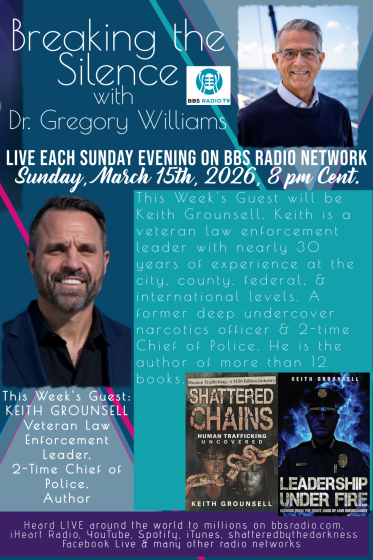
Guest, Keith Grounsell, a 28-year law enforcement veteran, two-time Chief of Police, former DEA Special Agent, international police advisor, entrepreneur, speaker, and multi-book author
This Week's Guest will be Keith Grounsell. Keith is a veteran law enforcement leader with nearly 30 years of experience at the city, county, federal and international levels. A former deep undercover narcotics officer and 2-time Chief of Police. He is the author of more than 12 books.
You can find all of Keith's book at his author page on Amazon:
Amazon.com: Keith P. Grounsell: books, biography, latest update
On this episode of Breaking the Silence, host, Dr. Gregory Williams interview former DEA special agent and author Keith Groundsel to discuss the harrowing global epidemic of human trafficking and the necessity of principled leadership. The conversation explores the transition from making an income to making an impact, while exposing the ruthless mechanics of cartels and organ harvesting. Groundsel emphasizes that education and unwavering integrity are the primary tools for protecting the next generation and restoring law and order.
The Philosophy of Personal Impact
Dr. Williams, reflecting on his own battle with Lou Gehrig’s disease, posits that the value of a life is measured by its impact on others rather than financial success. He argues that even small, consistent acts of presence and encouragement—such as a security guard’s daily greeting—can provide the foundational support necessary for a trauma survivor to reclaim their life. This "steady flow of encouragement" is presented as a vital deterrent to the isolation that often precedes exploitation.
Exposing the Human Trafficking Industry
The discussion shifts to the "mission-driven" work of Groundsel, particularly his observations in post-earthquake Haiti where over half a million children became vulnerable to traffickers. He reveals the horrifying reality of organ harvesting, where victims are "disposed of like a crop" once they are no longer useful for labor or sexual exploitation. Groundsel notes that human trafficking has evolved into a $170 billion annual industry, often intertwined with narco-terrorism and elite circles that seek to normalize predatory behavior.
Leadership Under Fire and Political Integrity
Groundsel shares his experiences as a two-time Chief of Police, highlighting the friction between effective law enforcement and political optics. He describes being terminated for "making a town look like it had a trafficking problem" after successful undercover stings that snared prominent citizens. He maintains that 95% of all crimes are linked to drugs and trafficking, and that true leadership requires a foundation of integrity that refuses to turn a blind eye to corruption, regardless of the personal or political cost.
Safeguarding the Next Generation
To combat these threats, Groundsel has authored several books, including the Character and Confidence series for children and Shattered Chains for adults. He advocates for "proactive parenting," which involves being a constant, visible presence in a child's life and establishing "no-questions-asked" safety protocols for teenagers. He concludes that while technology and cartels have changed the landscape of crime, the fundamental solution remains rooted in accountability, border security, and the courage to stand for the truth.
The dialogue serves as a sobering reminder that while evil exists in the form of ruthless cartels and systemic corruption, it can be countered through individual integrity and collective vigilance. By prioritizing impact over income and education over ignorance, communities can begin to "break the silence" and protect the most vulnerable members of society.
Guest, Keith Grounsell
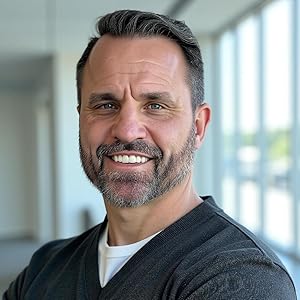
Keith Grounsell is a 28-year law enforcement veteran, two-time Chief of Police, former DEA Special Agent, international police advisor, entrepreneur, speaker, and multi-book author specializing in leadership, undercover operations, and public safety.
Over the course of his career, he has worked at the city, county, state, federal, and international levels, including six years deployed overseas in senior leadership roles with the U.S. Department of State and the United Nations. He has trained and advised leadership within more than 30 national police forces and has served in positions as high as U.S. Contingent Commander.
Keith is also a business owner and entrepreneur, leading multiple ventures focused on leadership development, training, and construction services. His real-world experience in both public service and private enterprise gives him a rare perspective on accountability, organizational culture, and building teams that perform under pressure.
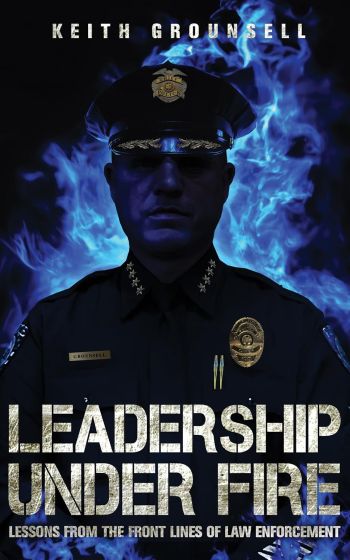
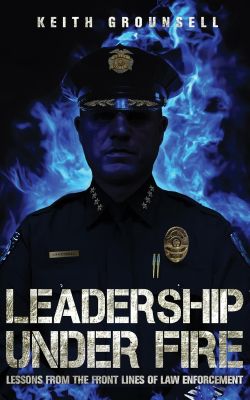
He is the author of numerous books, including the four-volume undercover series A Narc’s Tale, leadership titles Leadership Under Fire, The Great Divider and Chief, and Built To Lead, as well as Shattered Chains: Human Trafficking Uncovered, Policing Without Borders, and two children’s books centered on character and courage. His work bridges frontline experience with practical leadership principles that apply across law enforcement, business, government, and family life.
Keith holds a master’s degree in criminal justice, is court-certified as an expert witness in narcotics enforcement, and has received more than 25 medals and commendations for leadership and high-risk operations. As Chief of Police, he led one South Carolina city from the 28th safest ranking in the state to #1 in under two years through strategic enforcement and community policing.
Whether leading undercover operations, confronting corruption, advising international police forces, or building businesses from the ground up, Keith’s mission remains the same: develop leaders of character, courage, and conviction.
Breaking the Silence

“Breaking the Silence with Dr. Gregory Williams”
Now is the time for you to step out of your own personal darkness and break the silence that has been hidden and closed up inside of you.
“Breaking the Silence with Dr. Gregory Williams” radio program will offer the listeners a Road Map to Hope each and every week with keys to discover within yourself that ray of light to make your day better and brighter. Dr. Williams will not only discuss his own personal journey of overcoming the darkness of years of horrific sexual child abuse in the hands of his father and his father’s friends, but Dr. Williams will also feature special guests that have their own personal stories of overcoming obstacles in their lives and becoming victors instead of victims.
“Breaking the Silence” will also feature information from the professional and medical field that will dive into the important research involving Adverse Childhood Experiences (ACEs) and how to build Resiliency in yourself and in your children. Along with this information will be special guests from greatest minds in the United States to share their expert research and thoughts on this very important subject that each person needs to be aware of.
Now is the time to invest a few minutes each week with some awesome information to give you steps to HOPE and keys to HAPPINESS and PEACE. NOW is the time to Break YOUR Silence and breakout into a NEW and BETTER YOU! Join us each week beginning August 13, 2019 for “Breaking the Silence with Dr. Gregory Williams”. You won’t want to miss a single program. Heard around the world on the best radio network on the airwaves, BSS Radio Network available on iTunes, Google Play, iHeart Radio, Facebook Radio, Spotify and over 100 other high quality digital radio stations.
[00:09] Speaker 1: Welcome to Breaking the Silence with Dr. Gregory Williams. Dr. Williams is the author of the acclaimed book, Shattered by the Darkness: Putting the Pieces Back Together After Child Abuse. Dr. Williams is on the senior leadership team at Baylor College of Medicine in Houston, Texas. And Dr. Williams travels the United States speaking and training professionals, parents, and victims about the importance of dealing with abuse and personal trauma head-on, and not being afraid to break the silence of your own personal pain. Feel free to call in to tonight's show at 888-627-6008 and speak with Dr. Williams and his guests live on air. And now, your host, Dr. Williams.
[01:22] Speaker 2: Well, thank you, sir, for that great introduction. And good evening and welcome to Breaking the Silence. I'm Greg Williams, and you're in my home right here in the, I think, one of the best cities in the world, Houston, Texas. I love Houston, Texas. We are just about 20 miles south of heaven. It is so absolutely awesome here, I just love it. But welcome to the program tonight. We have one of those money-back guarantee, uh, guests this evening, and we're gonna get to them really pretty quick tonight. So I'm gonna give all my intro stuff abbreviated, uh, this morning, uh, this evening. But I wanna let you know that if you want to, uh, call in and get involved, 888-627-6008, and you can be able to talk to this unbelievable, uh, distinguished guest that we have this evening, if you have a question or a comment. And it looks like we have, uh, a lot of people already starting to, to make action on the, the texting and the, the commenting.
[02:19] Speaker 2: You can text me right here during the program, 832-396-6525. That's my personal cell phone number. Uh, I'm probably the only goofy guest in the world that lets that out every week. (laughs) But there it is. If you need to text me during the program at the, uh, bottom of the hour, uh, around 8:30 time, central time, I will check that during our short commercial break. Or, you can get right on the, uh, Shattered by the Darkness Facebook page. It looks like we have some activity going on there and you can comment also that way. Um, next week we have, uh, a great guest, uh, Sewell. She is a, um, a pastor of an online church that is specifically for those that have been abused and trafficked. And it's a worship service, a Bible study, a, a church just for those people that are hurting in a very unique way. They minister to them. So I'm just looking forward to that, uh, in a wonderful way, because that's gonna be awesome.
[03:21] Speaker 2: Last week, we had a, a time element with, uh, Heidi Chance, um, and, uh, she wasn't aware because her state don't experience a time change that we did. Uh, she showed up about 50 minutes late. We were just getting ready to sign off when she came on. But we're rescheduling her br- I believe for the month of April, a couple weeks after Easter, she'll be back. And we have awesome guests, uh, for the next couple months and tonight is no exception. You know, I always like to, to share something, uh, personal upfront. And I was thinking, uh, the other day with what was going on in my life that, you know, when you're, when you're my age and you'll see our guest come on and he is a vibrant, young, good-looking man and, uh, full of health. And then here I am, this old, decrepit individual with gray hair, uh, you know, that I have, uh, Lou Gehrig's disease and all this stuff that's going on inside of my body.
[04:20] Speaker 2: And I think sometimes when you know your life is on the downhill slide, and you know that there's only few ... Your time's limited, let's put it that way, only God knows. But when you know that your time's limited, things start to shift in priorities of what's really important. Um, money's not the most important thing in life. Job's not the most important thing in life. Life is truly about making an impact, not making an income. And if you can get your hands on this, especially the younger people, and start understanding that the life that you have been given, the purpose that you have in this world and the way that you are wired is to be able to go into the people that you relate to, the people that you cross paths with, work with, um, in the circle of influence that you're involved in, and be able to make an impact on their life that's gonna change their life forever.
[05:29] Speaker 2: I've really literally, when I wake up out of that chair around, oh, 3:00 in the morning, tomorrow morning, my prayer before my feet ever gets out of that chair is, "Lord, may I touch one person's life today in a way that I never knew that I had the ability to be able to do that." And sometimes it's not the huge thing, uh, that makes a difference. Very rarely in my life have I ever come across somebody laying on the railroad tracks and me, uh, jumping on the railroad tracks as the train is rushing to, to crush them and I save their life just in the nick of time. That doesn't happen and that's never happened to me and anybody that I have helped in my lifetime.... but having those little things in my life that makes an impact on people. My consistency, my dependability. If you catch this word, it'll change your week. Could be your life. Your very presence.
[06:39] Speaker 2: Not your existence in the office, but your presence in that environment, of being able to impact people, influence people, and have a, an encouragement. Not good days and bad days, but a steady flow of encouragement flowing out of you into other people can make all the difference in the world. If I'm lying, I'm dying. I don't even know if you remember, uh, five or six years ago on this program, we had somebody that was a survivor of human trafficking right here on the show, and, um, she shared one person that made the complete difference in her life, and it was the, the security guard at her high school that stood there and said good morning to her every morning on her way into the building. He never saved her life. He never pulled his gun to shoot somebody that was trying to kidnap her. Just saying, "Good morning, how are you?" Letting them know that they have some value.
[07:47] Speaker 2: She said that made all the difference, that steady, um, encouragement and presence and truly having an atmosphere of caring. And then when you ask somebody how they're doing, caring enough to compassionately listen at their answers. I, I, we do this all the time. "Hey, good morning, how are you doing?" And then you're al- already out the door. You don't even sit and wait for them to answer the question. You don't even... do you really even care? But to have that interaction of, "Hey, good morning. You doing okay today? How's everything going?" And having that presence of encouragement is huge for people. Um, a life is not really that important except in the impact that it has on other people, and that's what my prayer is every single day, and I hope that that's what our impact of what this program is.
[08:59] Speaker 2: I can get on the piano there and play a song and entertain and tell you some funny jokes and read you some poems and probably make you cry, but if it doesn't impact you and the guests that we have on doesn't have a story that can change your world and your life... That's why always at the bottom of the hour, when we come back from that, um, half-hour, uh, break, that short little commercial, we always try to head toward hope. Okay, now this is what's going on in the world. How can we make it better for you? How can we make this, that we just talked about for a half-hour, influence and change and support and encourage you? Need to stay positive. We need to try to mentor somebody. We need to try to be a role model for somebody. We need to practice kindness in every way that we possibly can. We need to recognize. This is huge. And our guest says... and I'm getting ready to, uh, to bring him in. So Tom- Thomas, go ahead and bring him in so I'll shut up. Uh, go ahead and bring Keith in.
[10:01] Speaker 2: Uh, s- uh, the... Understanding and recognizing your surroundings is 90% of how to defeat human trafficking. Just opening up your eyes and caring enough to say, "Hey, wait, something's going on over there," and reporting that, recognizing it, seeing it, and be an advocate, uh, for a cause that you truly care about. I think this world has stuck our head in the sand way too long. And pull our heads out and start looking about everything that's going on around us and try to make a difference in your world this week and get involved in somebody's life. And may your prayer be tomorrow morning before you ever get out of your bed. Hey, let me touch somebody in a positive way today. Tonight, I'll tell you what. We have a guest that I have been following, not stalking, but following, uh, very closely.
[11:08] Speaker 3: (laughs) .
[11:08] Speaker 2: I have read several of his books, and I'm going to say after reading, uh, three of his books, I guarantee you're probably every one of his books, and I think you can see them right there. There's not all of them, but, uh, a chunk of them. He is an author 12 times over. He has almost 30 years of experience in the federal and international level, in the county, in the state, in the city, in, uh, police work, uh, undercover work, uh, in the DEA. Uh, Keith, uh, Groundsel, uh, welcome to the program tonight. I could talk about your, your, your bio, but it is so absolutely long. Welcome, uh, (laughs) to the program tonight all the way from the unbelievable place of Haiti, which is where you're at tonight.
[11:52] Speaker 3: Absolutely.
[11:52] Speaker 2: Keith, welcome to the program. I'm so proud to have you. I'm honored.
[11:56] Speaker 3: Thank you for having me. It's, it's truly an honor, uh, to be on such an amazing radio show and be able to tell my story, you know-
[12:05] Speaker 2: Yeah.
[12:05] Speaker 3: ... which there are many stories out there, like you said. Uh, each of us has a special place on this Earth, and if we do God's will, and, and we help people, we impact ******* on the way, that's our ticket to get into heaven, and this is what this is all about. It's not to showcase that I'm great or anything like that, it's just I've experienced a lot of things over the last almost three decades of doing this-And I've been blessed enough to sacrifice and live through these trials and tribulations long enough to be able to tell the story in writing, and that's what it's really all about, is leaving behind a story to educate the next population, so people do call and report, "Hey, I read about this. This is an indicator of human trafficking. Let me dial 911." Police don't care if you're wrong. They would rather you call and be wrong and they investigate it than not call at all.
[12:57] Speaker 2: Yeah.
[12:57] Speaker 3: And that's a very important factor when you're dealing with police versus citizens. We are one. The police work for the citizens.
[13:04] Speaker 2: When I read Shattered Change, which is right there at the bottom left-hand of the screen there, of your books on the screen, the first two pages are the statistics and the-
[13:17] Speaker 3: Oh, man.
[13:18] Speaker 2: ... index at the very back of the book is worth the price of the book. All the rest of it is extra bonus because it's absolutely-
[13:27] Speaker 3: Yeah.
[13:27] Speaker 2: ... and I have read, oh, 50 books on human trafficking.
[13:31] Speaker 3: Wow.
[13:31] Speaker 2: It is the best, hands down, by far-
[13:35] Speaker 3: Yeah.
[13:36] Speaker 2: ... and the most easily understandable. What made you, um, want to write and share, uh-
[13:44] Speaker 3: Yeah.
[13:44] Speaker 2: ... about human trafficking and-
[13:46] Speaker 3: Yeah.
[13:47] Speaker 2: ... how has your police work been involved in that-
[13:51] Speaker 3: Yeah.
[13:51] Speaker 2: ... well, I think epidemic, pandemic that we have in our country, in our world?
[13:54] Speaker 3: You see, I, I'm, I'm a mission-driven type of guy. I have to have some sort of a mission. And at one point, I believe God was leading me towards doing some sort of a nonprofit and rescuing human trafficking victims. And, and, and I encountered that, and I'll talk about it later on, you know, I spent eight years working international as a police advisor in war-torn, post-war, post-earthquake, uh, just horrific environments. And in those environments, that's where human trafficking is the most prevalent because, you know, in Haiti, for example, post-2010 earthquake, you had over half a million children homeless immediately thereafter, and families that couldn't take care of them. So what do you think happened?
[14:39] Speaker 3: A lot of those children were trafficked, and still to this day, those children from 2010 are now a young adults, and, and they're, you know, victims of horrific incidents, and a lot of them were taken out in boats and, and presented all over the world as, as product, you know, for someone who's willing to pay a certain amount of money from... to be molested all the way to being organ harvested. I mean, it, it just... it's so horrific. So 20 year- over 20 years ago, when I was working deep undercover, I spent about six years deep undercover at the city level, the county level, and then eventually I became a, uh, a special agent with the US Drug Enforcement Administration. When I was at the county level, I had the opportunity to purchase a child undercover. Uh, the mother was actually selling the child to support her drug habit, and a lot of people didn't believe like this mother was really gonna do this.
[15:33] Speaker 3: So when this gentleman came forward and said, "Hey, I have a mom who wants to sell her child," a lot of the people blew him off. And I said, "No, there's something more to this. Let's place a phone call at least and see if there's something to it." And sure enough, the mother was willing and able to do it, and she had been doing it, and that was the sad part. This, this boy was around nine years old, and this mother had been selling him for quite a few years. She, she's a serious drug addict, had been a drug addict for many years prior to her son being born, and she used to prostitute and use her body, but over the years, she hasn't taken care of her body and she just... the price for her as a prostitute went downhill to support her drug habit. So she realized when somebody approached her, "I can sell my child, and then I can get high while this is happening to my child." And tha- that is the mindset of a drug addict.
[16:23] Speaker 3: And, and to me, doing a case like that, even when you later on explained it to other officers in your department what occurred, people didn't believe you. This was before human trafficking was even a they didn't call it human trafficking.
[16:38] Speaker 2: Yeah.
[16:38] Speaker 3: You know, we didn't even have statutes against that or anything like that.
[16:42] Speaker 2: What'd they call it back then, do you think?
[16:42] Speaker 3: Excuse me?
[16:43] Speaker 2: What did they call it back then?
[16:46] Speaker 3: Uh, it sh- it was exploitation of a minor. Uh-
[16:49] Speaker 2: Yeah.
[16:49] Speaker 3: ... we, we didn't charge her any type of human trafficking statute just because nobody was really aware of it. Around that same time period, uh, our agency, it was Greenville, South Carolina, Greenville County Sheriff's Office, probably one of the most cutting edge in the state of South Carolina, they actually brought in, uh, a, or promoted within a human trafficking investigator for the first time. And, um, and then he did very well, um, taking off with the program, but it was so overwhelming that they thought they were gonna work it separate from vice and narcotics, and then we realized human trafficking, cartels, terrorists, they're one and the same. They, they all work together. You know?
[17:29] Speaker 2: Yeah.
[17:29] Speaker 3: A, a, a cartel member who's already perfected the trade routes, who's already, you know, s- spread fear and violence like a terrorist organization, you know, they're g- they're not afraid to kidnap somebody. They're not afraid to abduct somebody. They have the force, the brute force necessary so nobody's going to report them to the authorities or fear sudden or instant death of them or their, or their family members. So i- i- it's really sad, even nowadays in law enforcement, you know, as a two-time chief of police myself w- who's gone into agencies and taken them from not even being ranked in the top 25 safest city to number one in two years, or 151st safest city, brought 'em down 100 safety rankings within less than a year, only way I did it was going after hardcore cartels, drug traffickers, human trafficking. But in both places as a chief of police, I got instant bumping of heads with elected officials.
[18:28] Speaker 2: Okay.
[18:28] Speaker 3: In one, for example, we did operation, um, an operation. We arres- it was called Operation Good Time. It was in Simpsonville, South Carolina. We arrested 54 people and, and, uh...... two-day operation, and I was told by some of the council and the mayor at the time that I made the town look like it had a human trafficking problem. So they moved to terminate me from my employment. And, and it was, it was just like, "Wow, this is unbelievable that you are going to take this approach." When national television invited me to be on the, like the, the Today Show, and I had national newspaper articles that were being published, I had chiefs from all around the United States say, "How did you do this?" 'Cause it was a, it was an undercover social media sting. For the first time, we hadn't done that.
[19:12] Speaker 3: I'd worked deep undercover for years, but we actually set up, uh, an array of different undercover accounts and lured in people, and then rescued several human trafficking victims along with got the customers along the way. But what happens is you're gonna run into a few prominent people, uh, that are caught up in that mix. You're always hearing about like a judge, a lawyer, or somebody like that, or a doctor, and when they get caught up in the mix, then you start taking some heat from some of the politicians that are linked to these people. A- And for me, that's pretty sad. Uh, in my second time as chief of police, I ran into it again doing pedophile stings. Uh, I was told to back off on doing so many. We arrested 24 pedophiles in a short period of time. For me, I never backed off, 'cause that was just not in my, in my DNA. When I feel like it's the right thing to do, I'm gonna do the right thing. But it cost me politically.
[20:01] Speaker 3: You know, I was forced out of my position as chief of police because I was too, uh, I guess too assertive when it comes to taking initiative and going after these hardcore criminals, and that's what I want more people to realize. When it comes to chiefs of police, they're not guaranteed tomorrow. A sheriff is guaranteed four years once they're elected. A chief of police has to be in this political realm where they have to play this, and me, I, I, I take the approach of high levels of integrity. No matter what, I will not compromise myself. I will... I refuse to turn a blind eye on something such as human trafficking or pedophiles. And if you have a problem with that, I'm not a good fit for you, and I'd rather go work somewhere else.
[20:40] Speaker 2: Yeah.
[20:40] Speaker 3: But sometimes people are intimidated by my approach on these type, but it, it works. It cleans cities up. Crime drops drastically when you take care of the worst of the worst. 5% of the population commits all the crime, pretty much, for the most part. If you deal with that 5%, you'll reduce crime in every major city, every little city. It doesn't matter.
[21:00] Speaker 2: You know, this... That was South Carolina. Well, what's supposed-
[21:03] Speaker 3: Absolutely.
[21:04] Speaker 2: ... to be the Mayberry RFD-
[21:06] Speaker 3: Yeah.
[21:06] Speaker 2: ... you know, area, you know, the beautiful part of the, the country-
[21:09] Speaker 3: Yeah.
[21:10] Speaker 2: ... not a, not a border state. Uh-
[21:12] Speaker 3: Man, I... I tell you-
[21:13] Speaker 2: You don't even think of cartels being there.
[21:16] Speaker 3: Yeah. Abs-
[21:17] Speaker 2: Uh-
[21:17] Speaker 3: Absolutely. Cartels are everywhere. They have networks-
[21:20] Speaker 2: Yeah.
[21:20] Speaker 3: ... set up. They have cells set up. They don't even... They'll be in the same city and don't even know one another. They'll have a cell over here that sells drugs. They'll have a cell over here that does money laundering. They'll have a cell over here that does transport, a cell over here that buys the cell phones, and a cell over here that buys all the assets, the houses, and all that. And none of them know each other. And they work for the same organization. So if you take one out, you can't take the other one out. And i- it is set up so you can't just chop the legs off of the organization. So there might be two or three cells that do distribution in the same city. And you take one of those out, and they still got two going on. And they, they realize it's not gonna stop production. We're such... It's such a high demand for drugs in America, since we have so many drug-addicted people, that, you know, they're gonna keep pushing it, keep pushing. Same thing with human trafficking.
[22:08] Speaker 3: You don't hear about it, but it starts as small as pornography. You know, if, if you're on there, you think these women on the... on porn.com or all these different porn sites, you think these women are voluntarily doing this? They get called to do a modeling contract, get lured to a hotel, trying to lower their inhibitions 'cause they're nervous. They give them a little bit of alcohol, maybe spike the drink. Then next thing you know, they're taking provocative photos, then they start to blackmail them. Then they're on lockdown. They can't leave two, three, four, five, six days. They're stuck in this hotel room. They're shooting scene after scene, and they make them repeatedly get raped in these scenes until they smile and act like they enjoy it. Then they let them go, and then they tell them, "If, if you say anything, I'm gonna release this to your whole family." So what, what are you gonna do? And that... at that point, it's like sextortion. It happens with young kids too.
[22:56] Speaker 3: These young teenagers get on- online and like, "Oh, I hate my parents." You know, they're... "My parents don't understand me," and some creeper is in there just waiting. It's like, "Oh, parents suck." This is a 40-something-year-old man posing as a 18-year-old boy, or a 17-year-old boy. "Hey, you're beautiful. Send me some pictures." You send a picture. Next thing you know, they're telling you, "Hey, if you don't send me more pictures, I'm gonna release this to everybody." And then eventually, you're, you're hearing about suicides that are occurring, 'cause these kids feel like they have nowhere to go, and that's where, you know, that's why I started writing my books. I wanted to educate people on these things a- and, and make sure we could prevent so- some deaths. We want... I wanted it to be where parents could just literally read this book or hand this book to their child, and it tells everything.
[23:45] Speaker 2: Yeah.
[23:45] Speaker 3: And like you said early on, my, my book, Shattered Chains: Human Trafficking Uncovered, I've had people tell me they've read it two or three times-
[23:52] Speaker 2: Yeah.
[23:52] Speaker 3: ... 'cause they can't believe how much information is contained in it. There's over 150 references from scholarly citations in, in the book. It took me years to put all this together, and it, and it's a passion for me. I truly believe education is the key to everything. If we educate people, it can eliminate or prevent them from getting involved, and it can also help them to call us to tell when they see something, so we can make more arrests and stop this crap, 'cause-
[24:19] Speaker 2: Help, uh-
[24:19] Speaker 3: ... human trafficking is huge.
[24:21] Speaker 2: Help the people that's listening to the program tonight that says, "Hey, wait, I, I didn't know it was a big deal, these cartels-"
[24:27] Speaker 3: Yeah.
[24:27] Speaker 2: "... and things like that," but the celebrity side of this-
[24:33] Speaker 3: Absolutely.
[24:34] Speaker 2: ... R. Kelly, P. Diddy Combs-
[24:37] Speaker 3: Yep.
[24:37] Speaker 2: ... Oscars are tonight on TV-
[24:39] Speaker 3: Yep.
[24:40] Speaker 2: ... uh, the entertainment industry.
[24:42] Speaker 3: Yep.
[24:42] Speaker 2: How much of that, in the experience and knowledge and wisdom in undercover and all the stuff that you've been involved with for almost 30 years-
[24:49] Speaker 3: Yep.
[24:49] Speaker 2: ... have you seen or know about that, hey, wait, it's not the people in the pink Cadillacs, uh-
[24:57] Speaker 3: Yeah.
[24:57] Speaker 2: ... with the, the fur jackets. It's the-
[25:00] Speaker 3: Yep.
[25:00] Speaker 2: ... CEOs. It's major-
[25:04] Speaker 3: Yep.
[25:04] Speaker 2: ... sport team owners that maybe not be involved in cartels, but they're traveling and dealing with where the money is at, and this, folks, is unfortunately-
[25:16] Speaker 3: Absolutely.
[25:16] Speaker 2: ... where the money's at. What do you know... what can you share-
[25:18] Speaker 3: So think-
[25:19] Speaker 2: ... with us about that?
[25:20] Speaker 3: Think about this, this. If you remember, over a decade ago, it, it was pretty public with, um, some people in Hollywood trying to normalize pedophilia as a sexual preference. That was... meaning, to me, it had been going on for a long, long time, and it was becoming more and more mainstream. And now we're seeing with the Epstein files that this is absolutely something that the elites are doing.
[25:50] Speaker 2: Yeah.
[25:50] Speaker 3: And you saw it with P. Diddy and, and all the stuff that occurred with that. It's, it's out there. Uh, they believe that the younger the child, the more pure or clean that they are, and obviously, I, I truly know for a fact-
[26:06] Speaker 2: (laughs)
[26:06] Speaker 3: ... that some of these children that get trafficked, you know, are trafficked because of bad policies within an administration. And not to get political at all, but when you bring across your border hundreds of thousands of undocumented children and put them with these alleged sponsorship families and you do not do any type of screening or background check on them, and then you do absolutely no follow-up, and then you have a hotline, and there were over 60,000 calls to the hotline that they never followed up on, on these children. You have hundreds of thousands of children missing. They're being trafficked, and those are the most vulnerable, and they go missing and there's no accountability. So now we're seeing, I believe just the other day in Texas, there was under... over 100-something children that were rescued, 200-something people that were arrested for human trafficking.
[26:54] Speaker 3: It's all around us, a- and you don't-
[26:56] Speaker 2: Yeah.
[26:56] Speaker 3: ... know the younger they are when they kidnap them or abduct them, especially if they're coming from war-torn areas or poverty-stricken areas, the, the less documentation, the... there's no digital footprint. So if it's an older person, we all have cell phones, we have a digital footprint. But when they're young, young, they have zero digital footprint. It's easy-
[27:16] Speaker 2: They disappear.
[27:16] Speaker 3: ... to abduct them, easy to take... they disappear. And then when they're done with them, they organ harvest. They're done. They, they-
[27:23] Speaker 2: Tell me about that.
[27:23] Speaker 3: ... take their skin.
[27:24] Speaker 2: Uh, we gotta become
[27:25] Speaker 4: This is gonna take longer than a break.
[27:25] Speaker 3: That's something that nobody ever wants to talk about.
[27:26] Speaker 2: Tell me about it 'cause nobody talks about this, nobody writes about this.
[27:31] Speaker 3: No. Absolutely.
[27:32] Speaker 2: Nobody even thinks that that's going on in a country like ours. That's probably happening-
[27:36] Speaker 3: Absolutely.
[27:36] Speaker 2: ... in other countries like where you're at. But-
[27:38] Speaker 3: Yeah.
[27:38] Speaker 2: ... what is that all about because-
[27:40] Speaker 3: So, so it's, it's-
[27:41] Speaker 2: ... it's huge.
[27:42] Speaker 3: It's all orchestrated with the cartels, okay, because cartels discovered a long time ago that I can buy drugs and sell them once and make a big profit.
[27:51] Speaker 2: Yeah.
[27:51] Speaker 3: Or I can buy a person and sell them tens of thousands of times over and over and make more and more profit. And then when I'm totally done with them, I can sell their organs. I can sell their skin for $100,000. I can sell a kidney for $150,000, $200,000, the, the eye, the retina. Their... every body part can be used. They will take these children to these doctors across the border in Mexico, and whether it be willingly the doctors are doing it or by coercion, "If you don't do it, we're gonna kill you and your whole entire family," they'll actually do the blood work to see if somebody fits as a donor for this individual that's in the market, the black market, looking for this specific organ. And if they're a fit, then they're gonna get that organ. And, and here's how it works. You have... uh, you know this, being in the medical field.
[28:36] Speaker 3: You have a transplant list that can take seven years, and many people die-
[28:42] Speaker 2: Right.
[28:42] Speaker 3: ... they're, they're in this wait. And, and, and good people who just wanna live, they have no negative criminal intentions behind them, they just merely wanna live, and that's it, and they have a little bit of capital, and they hear that there's somebody who can get you an organ, something that I must have to live. So I understand wanting to... but here's the catch. You're willing to not ask any questions where it comes from, and what you don't know is nobody's just volunteering to give these things up on the black market. 100% of them are being taken, and then the people are being disposed of as if it's just a, a, a crop.
[29:24] Speaker 3: Li- they call it organ harvesting because it-
[29:27] Speaker 2: Wow.
[29:27] Speaker 3: ... is just like that, and you're done with it. Whatever's left, I mean, they, they try and use as much as they can. I just remember when the cartels would kill people, back when I was working deep undercover, uh, with the feds, they would acid bath their bodies, what, whatever was left, grind their teeth, and there was absolutely zero trace of them. You, you would never find these people. A- a- and that's what's happening. You're hearing, you're hearing about it more and more now, but still people are afraid to talk about this organ harvesting. And I write all about it in my book.
[29:55] Speaker 2: Yeah.
[29:55] Speaker 3: It's, um, it's out there, and it's what they do when they're on the tail end when they're done with the people they've human trafficked, and they don't want them to run their mouth, they don't want them to go to the authorities, and they feel like they still have some good use out of them. Now, if they kept them drug induced forever, there are certain body parts that they can't use, that are, you know, destroyed-
[30:14] Speaker 2: Right.
[30:14] Speaker 3: ... that... for the drug addiction, but, you know, for the most part, it, it's happening more and more and more. And, and human trafficking, I think is, has surpassed, you know, drug, drug trafficking. It's about $170 billion a year industry right now, human trafficking. I'm sure it's probably more than that. That's just kind of ballpark where it's at, and, and it's getting worse. I will say, though, it, it's, it's helped to have a tighter border. I mean wa- absolutely without, without a doubt, you know.
[30:44] Speaker 3: Un- unfortunately, America's one of the consu- main consumer nations for victims of human trafficking, th- that-
[30:50] Speaker 2: Yeah.
[30:51] Speaker 3: There is a clientele that want-... people to be their slaves.
[30:57] Speaker 2: Yeah, that or they-
[30:57] Speaker 3: A- And it's-
[30:58] Speaker 2: ... get in, get in their little planes and they fly over to the Philippines or something to do it-
[31:02] Speaker 3: Absolutely.
[31:02] Speaker 2: ... over there.
[31:03] Speaker 3: Get a boat, come pick 'em up here in Haiti.
[31:06] Speaker 2: Yeah.
[31:06] Speaker 3: I mean, it, it's very simple.
[31:08] Speaker 2: Yeah.
[31:08] Speaker 3: I, I lived in Liberia for, um, two years, in West Africa, uh, as a senior adviser to the inspector general of the national police force there. And they were post-civil war, post-Ebola, and they still had a poverty stricken area and they were just as vulneras- vulnerable as anybody else. In Africa, like, there wasn't a border. Like, you could come from one country to another, there's 50 countries in that continent and it's massive and poverty stricken. And you could transport people all over the place. And you would never, ever know somebody's missing because accountability of somebody, especially if they're 18 years old and you can't prove there's any foul play, the police are more than likely not going to investigate it. If they're 18 and they went on spring break to Mexico and they end up disappearing and you can't prove there's any foul play, they voluntarily went over there. I'm sorry. What, what are you gonna do?
[31:59] Speaker 3: At, at, at one point there was a website that used to track all these missing girls and boys that left for, like, a first week, graduated senior year, go to Señor Frogs and do all the, you know, do the stuff there, and they went missing. And th- they took it down for some reason. I don't know who took it down, but I remember when I was a special agent working undercover, I used to go look at that website and it's completely gone now.
[32:20] Speaker 3: But it used to be, there was thou- it was over 1000 names on it-
[32:23] Speaker 2: Wow.
[32:23] Speaker 3: ... of kids that are missing, from America. And you just don't ever hear about it. So when we're taking the fight to the cartels, we're taking the fight to terrorists. These are narco-terrorists, I've called them that for 25 plus years. The- ev- every s- So when I was in Afghanistan for three years, I was a national commander, uh, built a 5000 man SWAT team for the whole nation of Afghanistan. So when I went there, I left as a special agent with DEA, went straight over there, 95% of the whole entire world got their opium from Afghanistan. Okay? So that funded Al-Qaeda, right? Taliban were the street fighters, Al-Qaeda were the masterminds. So 95% of the whole world got their opium from there. So narco-terrorism, it was 100% funded. All these attacks we were seeing across the world from Al-Qaeda, they were all funded through narco- n- narcotics. That was it.
[33:13] Speaker 3: So if you don't put those two together, which our current administration has, but if you don't put those two together and call them what they are and really take it to them, these, these guys, man, I had, uh, people that I work with beheaded, um, I've had many a people murdered by the cartels. I- I can tell you for a fact they're the most ruthless, they will skin you alive. They sent videos of them execute... When I was a special agent they sent us a video, um, of them executing more than 50 people, individually, separate incidents, telling us, one of the cartels, to back off or you're next. Told the DEA this. So, so this is what we're dealing with. So when we have a strong DE- I, I can tell you the DEA's probably stronger than it's ever been right now under this administration. And, and, and I'm really proud of where they're going as a former special agent, and, and I love to fight. You've gotta be aggressive. You're dealing with evil on this earth.
[34:03] Speaker 3: And, and they don't see any other way. You can't kid glove these people, you can't soft on crime these people, 'cause it just doesn't work. You have to be assertive, aggressive, but unfortunately guys like me, um, are far and few. I'm maybe a one percenter in, in the realm of law enforcement because unfortunately most guys get into positions that I've been in, either US contingent commander, I've been US contingent commander to the United Nations for a whole country, I've been US contingent commander abroad for many years, I've been a two-time chief of police, uh, 36 county gang taskforce commander. I am the type of guy that doesn't last long in those positions because politicians at first want you, because they're like, "Oh, this guy can make us a safe city and he can arrest all the bad guys and take out all the gangs." And then when you actually do it, they're like, "Oh, well, there's a lot of press that comes with this. Uh, this is not really what I wanted.
[34:58] Speaker 3: Um, maybe you're just not a good fit for us." Wait, not a good fit fighting crime? Not a good fit making people feel safe? So people think you're a problem when you're assertive. And, and guys like me the citizens love, politicians don't like you so much.
[35:12] Speaker 2: Yeah.
[35:12] Speaker 3: Because they did, they just feel like it brings a black eye on the community by being transparent, 'cause I was always open and honest. I would te- if I made an arrest I'd tell you. If we did a sting we'd tell you. Unless it was an ongoing sting, we were flipping somebody, turn them into an informant or something like that. But it's, it's the reality that we face. So we need more law enforcement to step up, especially the top tier leaders. Devote more staff to human trafficking, drug investigations and terrorism. Instead of 5% of your whole entire police force devoted to what is 95% of all the crimes, you know, and I, and I say that, that, 'cause that's what it is, that's the ratio. I say 95% of all crimes in some way, shape or form is linked to drugs.
[35:52] Speaker 3: Domestic violence because somebody's high or under the influence, burglaries because somebody's stealing to support a drug habit, home invasions are always drug related for the most part, sheer violence because it's, it's a drug deal gone bad, or gang activity, turf wars. It's all drug related. If you go after drug traffickers, you curtail all violent crime. Of course, I know for a fact, I've done it. I've made cities the safer cities that were never even ranked. So i- it's, it's such a simple concept. I write about it in my book, Leadership Under Fire. I, I tell about it. As a two time chief, you know, I was asked to overlook some corruption, uh, when I found some dirty deeds being done, uh, within, uh, officers. And, and I was unwilling to, to overlook it and I was terminated. Fo- 14 months, got my job back, came back, indited the mayor for crimes against moral turpitude, public corruption, he was convicted in a three day trial of two of three crimes, uh, against moral turpitude.
[36:47] Speaker 3: And then indicted the head of investigations for covering up suspects in a brutal 1984 cold case rape and murder, and he plead guilty to that. So-Did they want me dead? Absolutely. My house was shot up, my dog was poisoned and killed, I had threats coming in the mail. But you know what? I stood hard a- and steadfast, and I never backed down, and, and that gained me a ton of support. W- and, and I tell a little bit about that in, in Leadership Under Fire. It was a very public ordeal for me, but, you know, it gives me a black eye, you know, as, as, as a chief of police, "Oh, you were fired," you know, and then you come back, and then you... In two years, you're the number one safest city in the entire state. You do all these 287% increase in drug arrests, 40 plus community-based programs. Then, the mayor that got indicted and convicted pushed to bring in some new council members, and they all came in to oust me. So, two years down the road, new council's elected.
[37:41] Speaker 3: Six months later, I'm forced out. So, it's just the way it works, and, and that's why I said, "A sheriff's guaranteed four years. A chief of police is not guaranteed tomorrow." So, it... For me, I sleep very good at night. I have my integrity intact. I never have compromised myself. A- a- and for that, from that perspective, that's what motivates me. I don't ever, ever... I would never compromise myself 'cause I know, number one, God's watching, and number two-
[38:05] Speaker 2: Yeah.
[38:05] Speaker 3: ... my children are watching. And then I'd be a hypocrite for everything I've always stood for.
[38:11] Speaker 2: Well, that's... I'll tell you what, Keith. Uh, and Thomas at the radio station, we're not gonna take a commercial. Uh-
[38:16] Speaker 3: (laughs)
[38:18] Speaker 2: We're, we're, we're on a roll. Let's not even, let's not even stop.
[38:20] Speaker 3: (laughs)
[38:20] Speaker 2: But since you, you, you mentioned the book several times in this, uh, last, uh-
[38:26] Speaker 3: Yes.
[38:26] Speaker 2: ... discussion, and it's the one on, in the middle there with the, the, uh, the blue outline-
[38:32] Speaker 3: Yeah.
[38:32] Speaker 2: ... of the Figure Leadership Under Fire right there.
[38:34] Speaker 3: Yeah.
[38:34] Speaker 2: Uh, I have read that. Uh-
[38:36] Speaker 3: Nice.
[38:36] Speaker 2: ... chapter seven, uh, even though the story's fascinating, chapter seven grabbed me, and it, it gave me some things that I can apply to myself personally in my own daily life. And tell me about what, what's happening, how the world makes decisions, how you make decisions, how politics makes decisions, and the best way for a leader to be able to make decisions, and that ability to be able to be proactive instead of reactive in everything that we do.
[39:20] Speaker 3: Yeah.
[39:20] Speaker 2: Tell me a little bit about how-
[39:22] Speaker 3: Yeah.
[39:22] Speaker 2: ... you're wired to where-
[39:23] Speaker 3: Yeah.
[39:23] Speaker 2: ... maybe some of us can rewire-
[39:26] Speaker 3: Absolutely.
[39:26] Speaker 2: ... some of our own skills-
[39:28] Speaker 3: So-
[39:28] Speaker 2: ... that's, that we've failed.
[39:30] Speaker 3: Yeah, absolutely. So me, personally, I've always been a guy who can't stand procrastination. So my wife will tell you that. She, she, she laughs. She's a beast in her- in it of itself, but I don't like to procrastinate. If I have something in front of me, I deal with it. So, as a leader, when you come into an organization, and I've come as an outsider into multiple organizations to try and fix the organizations. When you see a problem in front of you, you don't say, "No, I'm gonna deal with that later." That's the problem you gotta deal with. And I know you can prioritize problems and things like that, but when people see you come in as a new leader, and they say, "What is he willing to tolerate?" And if they see that you're willing to overlook these things that they've been asking somebody to deal with for years, you have lost their hope from day one.
[40:23] Speaker 3: So, you always have to come in with the approach of you are going to have to work super hard, and in order to get everybody to buy in with what you're doing, that's gonna entail not disciplining and being hardcore on people. It's gonna entail mentoring and advising everybody and steering them in the right directions where you wanna take an organization, and if you take the time to do that upfront, if you take the time and get your core leadership, command staff, or your organization to sit down with every employee, find out their personal goals, their business goals, and then hold them accountable to those goals throughout the entire year, and then at the end of the year, you do it again. And you might see that, hey, you transitioned away from this. Well, that's because, um, I, I got married, or that's because I had a child, and I'm thinking differently now. Okay? Let's revamp your goals. And my goal as a leader is to get you there. That's it. It's very simple.
[41:16] Speaker 3: My goal as a leader is to be the biggest public servant and serve it to my people. So, when I come into an organization, I have to see, what do my people need? It may be getting them adequate pay, or it may be getting them equipment, or it may be showing them that I care by investing in training and putting them through training programs. Or it may just be listening to them, giving them a voice, letting them feel like they're part of the organization. So, for me, being proactive is everything, but if you don't have the basis of integrity, if you don't have that foundation of integrity, you're gonna fail when it comes to having courage to take a stand on something. You're gonna put on your blinders when something gets difficult.
[42:01] Speaker 2: Yeah.
[42:01] Speaker 3: "Oh, I don't wanna encounter that 'cause the mayor doesn't want me to do that." No. Your job is a-
[42:08] Speaker 2: Can you-
[42:08] Speaker 3: ... as a top person is to deal with that.
[42:09] Speaker 2: Can you turn the corner on that for me and put your badge down? Now what happens when you walk into your house? How does those same-
[42:16] Speaker 3: Yeah.
[42:17] Speaker 2: ... leadership principles-
[42:19] Speaker 3: Oh, yeah. Yes.
[42:21] Speaker 2: ... flow into with your kids, with your wife, with your home?
[42:25] Speaker 3: 100%. It's the same.
[42:26] Speaker 2: Tell me how, how you process all that, too.
[42:28] Speaker 3: You have to, you have to be the same-
[42:28] Speaker 2: You can't go in there and go, "Hey. We're doing it this way, by God, by the way, or no way." How, how do you
[42:32] Speaker 3: (laughs) That, that happens when they're real little.
[42:36] Speaker 2: How do you deal with that in, at the home to where we can say-
[42:39] Speaker 3: Absolutely.
[42:39] Speaker 2: ... "Hey, wait. This doesn't only work at the office, but it works with me as a, as a person"?
[42:44] Speaker 3: It, it works at home just as much. Uh, your children, and, and I realize this. I have, I have four children. I have one that's 21 serving in the US Army. He's deployed right now.
[42:54] Speaker 2: Wow.
[42:54] Speaker 3: I have one that just turned 19. I have one that's 16, and then I have an eight-year-old. So, my children see everything that I do.They saw me take a stand, they saw me take it on the chin and lose my job, they saw me never back down and fight. So it taught them one thing, you never quit when you're in the right. If you're in the wrong, you admit to it, you take your licks and you move on. But when you're in the right and you're done wrong, I'm willing to lose everything on principle. And- and I've lost almost everything, i- it's very expensive to fight a legal battle.
[43:33] Speaker 2: Yeah.
[43:33] Speaker 3: You know, and I- and I'm willing to do it over and over again, (laughs) but it's difficult. So me, at home, when I'm at home, is as your kids are younger, you know, and as they get older, you have to demonstrate it. You- you can ingrain a little bit of healthy fear in the younger kids and respect. But respect is what's gonna keep them doing things the right way when you're not around. So my kids all know that if they go out, they're going to get into things. I- I've had three teenagers at one time. You know, when they're going out with their friends and- and the drugs com- come into play, or somebody pulls a gun on somebody, or something like that, I've gotten those phone calls in the middle of the night, "Dad, can you come get me?" So we worked out a program with my kids is I got them all an Uber. I have them all an Uber account and they know there will never be a question asked. If you need to get out of a situation, you push that button and- and you call an Uber.
[44:30] Speaker 3: And it's happened more to my second son than my other ones, (laughs) a few, you know.
[44:34] Speaker 2: Oh, brother.
[44:34] Speaker 3: But for the most part, you know, they know they're gonna have that in me, and I've always, always talked to them about drugs and human trafficking. Especially my daughter, about being a victim, you know-
[44:45] Speaker 2: Yeah.
[44:45] Speaker 3: ... and things like that 'cause she's a beautiful girl, she's a cheerleader, she's into all these extracurricular things, and I know that that's- that's what they're looking for, they- they want that type of girl. But most predators, when they see a father, a father they say more than anything, that is present, they are not going to go after the children when a father's present.
[45:07] Speaker 2: How protective are your-
[45:07] Speaker 3: Because if they know a father is present, oh, yeah-
[45:10] Speaker 2: ... of their daughters.
[45:10] Speaker 3: ... they don't want that fight. 'Cause a f- and it doesn't have to, you don't have to be physically like a big, tough guy, anything like that, but present. If you're present, they know there's gonna be a fight. And an angry father or an angry mother is somebody you don't really wanna mess with, you know, especially when it comes to their children, so just being present, being involved in your children's lives, you know, I- I really think that's the key. I'm not a perfect father. Every parent has struggles. Teenagers will give you PTSD, that's a fact. I mean, they will test you through and through. I- I believe it's harder raising teenagers than working deep undercover in the cartels.
[45:46] Speaker 2: (laughs)
[45:47] Speaker 3: So- so- so I have tons of respect for, you know, for parents... So I actually wrote two children's books, I have a third one that's being illustrated right now, it's, uh, the- the Character and Confidence Series, and it's about teaching valuable lessons to youth and to spark conversations, and- and they're all based upon my kids and things they encountered in the real world. And- and- and as you read these books and it teaches the kids to ask questions and it sparks a conversation with the parent. So when you're having a difficult time talking to them about the internet, or a difficult time talking to them about chivalry, some dying things in society, you know, or- or bullying or not cheating on a test or saying no to drugs, saying no to vaping, all that, it's all in there, being kind to animals. The books cover it all. So I'm writing books like that as part of hitting that younger generation because what, you know, my other books are hitting the older generations.
[46:40] Speaker 2: Right.
[46:40] Speaker 3: They, you know, the Narcs Tale series, Undercover, is exciting, but it teaches you a ton. I had a 30-year, almost a 30-year narc tell me, he said, "Man, I learned more from your four books than I learned in 30 years working narcotics." I said, "There is no way." He said, "Let me tell you why, because I never worked undercover and I never understood that side of things. And if I would have read this early in my career, I would have been a hell of a lot better narc." I was like, man, that's the- that's the greatest compliment I ever received-
[47:10] Speaker 2: Yeah.
[47:10] Speaker 3: ... from- from that book series.
[47:11] Speaker 2: Absolutely.
[47:12] Speaker 3: So for me, that's what I want from all my books, you know. I want all my books, like you said earlier, the book Leadership Under Fire touched you when you're not in law enforcement, it's not made just for law enforcement.
[47:23] Speaker 2: Right.
[47:23] Speaker 3: Now it has an element for that. My book, Built To Lead, is straight-up leadership. It's the foundation, the principles for any organization. I don't even... As a matter of fact, I don't even talk about law enforcement in the book at all because I felt like I just wanted to go to the core principles and tell stories from a general perspective of leadership and- and every bit of my leadership teachings are a foundation of integrity, because without it, you are nothing.
[47:47] Speaker 2: Yeah.
[47:47] Speaker 3: You have zero.
[47:48] Speaker 2: So Keith, with your parenting, with your- your home life, what happens when you make a mistake? I'm wrong-
[47:58] Speaker 3: Absolutely.
[47:59] Speaker 2: I- I messed up. How do you handle that? How do you recommend parents handle that situation?
[48:03] Speaker 3: I've made- I- I've- I've made those mistakes-
[48:05] Speaker 2: Yeah.
[48:05] Speaker 3: ... and, um, I'll give you an example. I- I went through a divorce, um, five-plus years ago, and- and as anybody knows, I get along great with my ex now, I'm happily remarried, and, uh, but, there's emotions going on with that and I raised my voice to my ex-wife in an argument in front of my kids. That was it for me. I knew I didn't need to be in that environment doing that, and I had to come back the next day and sit down my kids with my ex there and apologize to him. A- and I felt like that was huge for them to see that. And for them to see, you know, when I was fighting for my job for 14 months when I was fired as the Chief of Police, the weekend I got saved, I- I got re-baptized. I got saved. The very next weekend, they call an emergency city council meeting, they rescind my termination as unlawful, they back-pay me 14 months, reinstate me the very next day as chief of police.
[48:59] Speaker 3: If that tells you anything, you know, don't lose your faith, don't become jaded because of a few evil, bad people.You know, and don't hold a grudge against those people. Like, I'll never forget what they did to me, but it's not my job to punish them. They gonna have to answer what... And I pray they, they repent, you know, but they have to answer to God, not to me-
[49:19] Speaker 2: Yeah.
[49:19] Speaker 3: ... because I'm nobody. And I literally am nobody. Like, I, I truly believe my strength is absolutely zero without God, a-a-and it's 100% I get all my strength from him. And I'm a beast when it comes to fighting. And mental, mental strength, hands down, I'm one of the strongest people I know, and I know a lot of tough guys. But it's all because of God. It's not... I'm not a tough guy. I was raised with good principles. My dad was a 22-year United States Marine. My mom was a stay-at-home mom, probably the kindest human being you'll ever meet in your life. I had a great foundation, a-a-and I feel honestly blessed that I had that. And, and I think it's my duty, my role, to pass that on to the next generation. And you don't have to be soft with your kids. You don't have to buy them everything. You hold them accountable, you be there, you love them, you're there for them in hard times, and they gotta know they can pick up that phone.
[50:14] Speaker 3: My son, just like two weeks ago, took this sales job out of state, and he was... Thought it was going to be some... This big thing, and he got there, and it really wasn't what he thought, and they were trying to make him pay for all these different things, and he felt comfortable enough to pick up the phone and call me. I said, "I told you, you could always call me, and I will get you home." So, airline ticket the next day, used the Uber Touch on his phone, went to the airport, and he flew back in. And now he's got to pay me back some money (laughs) for all that. But the reality is, you always... Your kids have to know you're there for them.
[50:49] Speaker 2: Yeah.
[50:49] Speaker 3: You know, whether or not, like, I've deployed eight years of my life. I spent six years deep undercover, more than six years as a chief of police. I was absent a lot.
[50:58] Speaker 2: Yeah.
[50:59] Speaker 3: But I was always there. Pick up a phone. It doesn't take a whole lot for your children to know you love them, know you care about them. Tell them you love them. That's, that's the big one.
[51:10] Speaker 2: Yes.
[51:10] Speaker 3: Tell them you love them. And if you don't, you're missing the opportunity. Every time you talk to them, say it. I- it can become cliche or just a repeat, but say it, because it does stick in their head.
[51:22] Speaker 2: Yes.
[51:22] Speaker 3: It's very important to tell them that.
[51:24] Speaker 2: That's great. Before we... We're, we're... Wow, we're out of time already. Uh, before we close down for the evening, um, if you had in, in just about a minute time we have left, if you had the ability to be able to talk to Congress in the, in the presence of all the leadership in our government right now, president on down, what would you say that we're doing right, we're doing wrong, we need to change, we need to correct, uh, to get our country back on track, even though I think we're doing a pretty good job under the circumstances?
[52:06] Speaker 3: Yeah.
[52:06] Speaker 2: What would be the wisdom that you've learned in all these other countries that we better be careful or we're going to become like? What would you say?
[52:13] Speaker 3: Absolutely. You know, I, I think we need to s- take a step back from politics, and I'm, and I'm one that gets caught up in it myself as well. We need to take a step back and realize, I believe we all want the same fundamental things. I, I believe people want to be safe, and they want, like, sanitation, basic sanitation, cleanliness, safety, security, those factors. But just because you have a political difference doesn't mean you don't want the same thing. So, we can concentrate on some of the things that we do enjoy, the commonalities. That's got to be the, the, the path forward. But I will tell you, from a perspective of somebody who's worked with more than 85 different national police forces, 85, okay? And it was funny, I counted them, and I was blown away. It was 85 plus. If we do not hold people accountable for things they do that are in violation of the law... Peaceful assembly is okay. Rioting, attacking police officers, is never okay.
[53:20] Speaker 3: If you do not allow law and order to be the mainstream, then you will become no better than any third-world country. And I have seen personally what mob violence does. It kills and murders people. I've seen 20-something people in the... One day I was out, involved. 20-something people were killed in the same area I was in. Just sheer mob violence. I remember mob violence killing a guy who's suspected of a drive-by shooting, and he didn't even do it. They just murdered him, because they never gave him a trial. They never gave him the ability to go through any due process or anything like that. So, we have to hold people accountable, and we have to tighten our borders. It's, it's, it's basic 101. We're the most sought-after nation to live in, so we have to make sure we're secure. Just like putting a lock on your front door, you do it to protect what's inside. You don't do it to be evil to the outside. You're trying to protect what's inside.
[54:16] Speaker 3: And we all need to work together to come up with a better process to bring people here legally, because there are a lot of good people that want to come here, and our process is convoluted and it takes a long time.
[54:27] Speaker 2: Yeah.
[54:27] Speaker 3: But some of these countries don't have background checks or anything like that, so it is difficult at times.
[54:32] Speaker 2: Yeah. Thank you, Keith. I tell you what, this has been a fascinating hour. All I had to do was say, uh, "Good evening," and (laughs) you took off.
[54:40] Speaker 3: (laughs) I've been enjoying it, man. I've been enjoying it.
[54:41] Speaker 2: That is absolutely awesome. Two or three books I recommend, and I recommend all of them, but the ones that I have read personally, and I want to just say to the listeners right here, because our, our listeners love to read and buy books.
[54:53] Speaker 3: Nice.
[54:53] Speaker 2: Shatter Changes... Chains is unbelievable. Leadership Under Fire is absolutely awesome.
[55:01] Speaker 3: Yes.
[55:01] Speaker 2: Built to Lead is second to none.
[55:03] Speaker 3: Nice.
[55:03] Speaker 2: I'm, I'm going to get the rest of them eventually.
[55:05] Speaker 3: Thank you so much.
[55:05] Speaker 2: It's just a matter of time. But-... I got mine on Kindle. Immediately, I started reading them. Before you all go to bed tonight, pick one of these out.
[55:14] Speaker 5: Yes.
[55:14] Speaker 2: You, you can do it on Amazon, do it right there, uh, on the webpage, whatever you decide to do.
[55:18] Speaker 5: Absolutely.
[55:19] Speaker 2: But you need to read Keith's work, because it's absolutely, um, some of the best reading, Keith, that I have done, and I read books-
[55:27] Speaker 5: Wow.
[55:28] Speaker 2: ... every week, that I have read-
[55:29] Speaker 5: Thank you so much.
[55:30] Speaker 2: ... for a very long time.
[55:31] Speaker 5: Thank you so much. I appreciate that.
[55:32] Speaker 2: Thank you so much for being here. I, I'd love to have you back.
[55:35] Speaker 5: Absolutely. Anytime.
[55:37] Speaker 2: Okay. Well, be safe over in Haiti, and, uh-
[55:39] Speaker 5: God bless.
[55:40] Speaker 2: ... we'll, uh, ask God to p- keep you protected-
[55:44] Speaker 5: Thank you.
[55:44] Speaker 2: ... in what you're doing. And, uh-
[55:45] Speaker 5: Pray for our soldiers.
[55:47] Speaker 2: Yeah, absolutely. Uh, they're, they're on the line in a major way right now.
[55:52] Speaker 5: No doubt.
[55:52] Speaker 2: And because we don't know where the next bullet's coming from-
[55:54] Speaker 5: That's right.
[55:55] Speaker 2: ... and that we gotta keep them in our prayers. Thank you, Keith, for being with us. God bless you.
[55:58] Speaker 5: Thank you so much. Appreciate you.
[55:59] Speaker 2: Okay. We'll see you soon. Uh, we'll talk soon. Thank you.
[56:02] Speaker 5: All right. Bye-bye.
[56:02] Speaker 2: As we do each and every week on the program, uh, and I think Keith alluded to it several times, um, we all go through periods, months, weeks, hours, instances of hell. We all experience some type of emotional, physical, spiritual, relational, financial, whatever it is, trauma that sometimes can really get up in here in our, our minds, and, and mess us up. Um, I wanna let you know, you have to find something that you can land on that's gonna be solid for you. A foundational truth for me is God's Word and Jesus Christ is my Lord and Savior. You have to have something that, in this crazy world, that when all gives up, you land on something solid, that won't crack, that won't give way. Whatever that is for you, find it. I don't think you'd be wrong tonight to say, "Give God a chance. Lean into Him." Uh, but I do, and I promise you, no matter what you're going through right now, as we always end the program, there is always hope. Never give up on hope.
[57:31] Speaker 2: Thanks, Keith, for being with us tonight. Join us right here next week for another edition of live from Houston, Texas. We're Breaking the Silence. God bless. Have a good week. Goodnight now. (instrumental music plays)
[57:50] Speaker 1: Thank you for listening to Breaking the Silence with Dr. Gregory Williams. To contact Dr. Williams, dial 832-396-6525, or email him at shatteredbythedarkness@gmail.com. And don't forget to join us each Sunday night at 8:00 PM Central Time, 6:00 PM Pacific, on BBS Radio Station 1, for the next episode of Breaking the Silence. (instrumental music plays)