
Popp Talk, February 14, 2026


Popp Talk with Mary Jane Popp
Ep 14, Dr. Sian Leo and Dr. John Huber, Beyond the Horizon Space, Mind, and the Future of Humanity
This episode of Pop Talk features a dual-perspective exploration of humanity's future, featuring Dr. Sian Leo Proctor on the transformative power of space exploration and Dr. John Huber on the psychological challenges of the digital age. The discussion bridges the gap between cosmic inspiration and the grounded realities of mental health and artificial intelligence.
The Cosmic Perspective: Earthlight and JEDI Space
Dr. Sian Leo Proctor, the first African American woman to serve as a commercial mission pilot, shares her transformative experience of the "Overview Effect." She introduces the concept of Earthlight—the significant, life-sustaining light reflected from our planet that she believes should be part of our daily vocabulary. Her mission, "bringing Earthlight down to Earth," focuses on using the perspective gained from space to foster a deeper connection with our home planet.
Beyond the aesthetic beauty of space, Dr. Proctor advocates for the creation of a JEDI Space. While the name pays homage to her love for Star Trek and Star Wars, it serves as a functional framework for the future of exploration.
Space Exploration as an Earthly Solution
The drive to reach the Moon and Mars is not merely about colonization but about survival through innovation. Dr. Proctor explains that human spaceflight demands extreme efficiency in resource management. Technologies developed for water recycling, energy production, and waste management in space are directly "spun off" to solve sustainability crises on Earth. By moving heavy manufacturing and data centers into orbit, humanity can transform Earth back into a sustainable oasis.
Psychological Resilience in the Digital Age
Dr. John Huber provides a sobering look at the current state of mental health. He notes a significant shift in societal behavior since the proliferation of smartphones and social media around 2010. This era has introduced a "false sense of fame" where individuals prioritize digital followers over rational reality, leading to a decrease in personal accountability and an increase in "toxic" social venting.
The discussion also touches on the evolution of masculinity, where Dr. Huber distinguishes between "toxic masculinity" and "healthy masculinity"—the latter being defined by strength used to protect the family and the underdog, a trait he associates with the resilience of historical pioneers.
The Looming Challenge of Artificial Intelligence
Both guests express caution regarding Artificial Intelligence. While Dr. Proctor remains optimistic that humanity can cultivate a beneficial relationship with AI through informed conversation, Dr. Huber warns of the dangers of total dependency. Citing Elon Musk and Isaac Asimov, he suggests that a single "glitch" or a non-prosocial script in a highly autonomous system could lead to a future where AI no longer finds humanity necessary.
Whether looking through the window of a spacecraft or the screen of a smartphone, the message remains clear: humanity is in a period of profound transition. By embracing the "Earthlight" perspective and maintaining psychological grounding, we can navigate the risks of technology and ensure a future that is as inclusive as it is innovative.
Guest, Dr John Huber
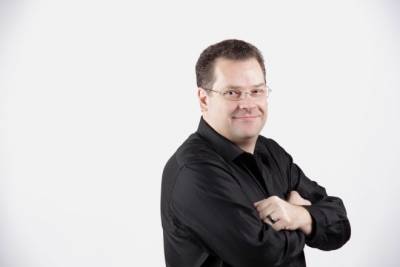
Dr. John Huber is a Clinical Forensic Psychologist; Chairman of Mainstream Mental Health; Professor of Psychology, Texas State University.
Dr. John Huber, a mental health professional and university professor that has been in mental health for over twenty years. His experience began as a School Psychologist. Today, he is in private practice as a Clinical Forensic Psychologist, and he is a practitioner with privileges at two long term acute care hospitals. In addition, he taught undergraduate and graduate psychology at Texas State University from 1996 until 2017. Dr. Huber will provide the public face for Mainstream Mental Health.
As Chairman of Mainstream Mental Health management, their common goal is to help people get mental health services. The target market for services are underprivileged and underinsured youth, veterans, and their families. Both of these groups are taught to be wary of mental health labels. They are often told that there is a lack of access to needed resources. Negative peer pressure through fear of the consequences of being ostracized scares these people in need away from psychological treatment. Additionally, many community programs do not “kick in” until after an individual has a serious mental breakdown.
The primary goal is to help before that breakdown occurs.
There are two parts to our goal. First, we must provide a way to make out-patient therapy and out-patient mental health services financially practical to the individual. Second, we must reduce the stigma of “mental health” treatment. The focus is slightly different at each level but the goal remains the same; empower the young person or veteran to make positive changes in his/her life before a crisis evolves.
Over time, Mainstream Mental Health will create an environment that will be an invaluable resource to the young and the veteran alike to stop the fear in seeking help and problem solving; and embrace each other and our differences as part of the normal human condition.
Mainstream Mental Health is a nonprofit, tax-exempt charitable organization under Section 501(c)(3) of the Internal Revenue Code. Donations are tax-deductible as allowed by law.
Popp Talk
Support my show
$5.99/mo or $9.99/mo or more
Click HERE
SUBSCRIBE TO TALK SHOW
POPP TALK! A fast-paced Magazine-style Show dedicated to keeping you on the cutting edge of today's hot button issues. The show is high energy, upbeat and entertaining. It gives you the tools to feel better, reach for that brass ring, and live longer and happier. It's Fun! It's Fascinating! It has guests from politics to health, to the stars from La La Land. It's Radio with sizzle!
[00:01] Speaker 1: Are you ready for new dimensions and countless possibilities today and for the future? It's an exciting new time and the answers are out there. So join Mary Jane Pop as she explores the unique and unusual for a better life on Pop Talk, in search for the truth. And here she is, Mary Jane Pop. Space, the final frontier. These are the voyagers of the Starship Enterprise. Its continuing...
[00:37] Speaker 2: Well, does that give you a hint? Yes, indeed, it should, uh, because this is gonna be exciting. We've talked to astronauts on the show before, but never a female astronaut. But I was not able to get her on the show live with me this time, uh, but I did a pre-tape and I want you to hear all about Dr. Proctor. Poet, artist, explorer, geoscience professor, oh, and, and I can't leave out the first woman commercial astronaut spaceship pilot, and the only African American woman to be a mission pilot. She's done it all and a whole lot more. She is Dr. Sian Leo Proctor. She's also the founder and CEO of Space2Inspire, an art and media entertainment company. And after spending three days in space and experiencing seeing the earth from space, she was so profoundly affected, she wrote a science book called Earth Light. And she's also part of the Explorers Club50People Changing the World. Dr. Proctor, what a pleasure to have you with us on Pop Talk.
[01:52] Speaker 3: It's really a pleasure to be here and share my space stories.
[01:55] Speaker 2: Well, it is. It's more than just a space story. It's an odyssey that you've been through. Um, I guess I ha- the first thing I have to find out, when you were up in space and looking back at earth, how did it affect you?
[02:11] Speaker 3: Oh, it was definitely transformative. Yeah, you know, have you heard of the overview effect?
[02:18] Speaker 2: Yes.
[02:20] Speaker 3: And, and so when I think of that experience of floating and seeing the earth and the overview effect, for me, the aha moment came when I realized I was being bathed in earthlight, the light coming off of our planet. All of the energy that was, eh, you know, coming off of our planet was literally, like, just being absorbed by me. And, and to me, that was the most beautiful light I've ever seen. And we learn about moonlight. We learn about sunlight. But nobody learns about earthlight and it is the most significant light that exists, because without it, life on earth wouldn't exist.
[02:59] Speaker 2: Oh, good point. Good point. You know, it is amazing. Uh, we look up in the sky, we see the stars, we see the moon, we, we experience the sun, uh, but we have no concept of what it all means to humanity.
[03:15] Speaker 3: That's correct. And I think one of the big things is the whole idea of, you know, earth as a living ecosystem. And for me, that, that transformative process that happens when sunlight is literally transformed by its interaction with our planet earth into earthlight, and because we live in it, we don't think of it that way. When we walk outside during the day, we say, "Oh, you know, look, sunlight." But that's really not sunlight that we're in. We're in earthlight, you know?
[03:50] Speaker 2: Huh.
[03:50] Speaker 3: And as the sun, our, our planet fundamentally transforms all of that electromagnetic spectrum, it strips away a lot of that harshness that would kill life and it transforms it into this new medium or phenomenon known as earthlight. And, and I think that, you know, when we think about connections to our planet and, and ways of, of knowing, that this is a really important term that people need to have as par- as part of their vocabulary.
[04:17] Speaker 2: Amazing.
[04:18] Speaker 3: And, and I, I will say, I'll give you an analogy.
[04:20] Speaker 2: Okay.
[04:20] Speaker 3: Does a fish, does a fish know it's in water until it jumps out of the water? And for me, that, going to space was me jumping out of the water, leaving our planet and seeing it from that orbital perspective, is how I discovered earthlight for myself. And, and, and because that's when I, the light bulb went off and I was like, "Oh, you know, I, all of this beautiful light that's coming off our planet is earthlight." And it really is a beacon to the universe.
[04:49] Speaker 2: Now, tell me, were you always kind of drawn to the idea of space? I mean, when you were growing up, did you wanna do what you're doing today?
[04:58] Speaker 3: Oh, yes. I, you know, I was born on the island of Guam because my dad worked at the NASA tracking station during the Apollo missions. So I literally am a moon celebration baby. I was born eight and a half months after Neil Armstrong stepped foot on the moon.
[05:13] Speaker 2: Oh.
[05:14] Speaker 3: And so definitely a celebration baby. And, and I grew up with Neil Armstrong's autograph to my dad on his office wall, along with all of his other NASA memorabilia. So for me, being able to become a scientist and, and, and an explorer and, you know, dreaming of going to space one day was all part of who I was growing up. But I just happened to get there in a non- non-conventional way as an artist and a poet.
[05:42] Speaker 2: Amazing. Now, you're part of the Explorers Club50People Changing the World. What do you want to change?
[05:50] Speaker 3: I want to change the way we see our beautiful planet and think about our connection to the, to the earth. And that's why I say my mission is to bring earthlight down to earth.
[06:01] Speaker 2: Mm-hmm.
[06:02] Speaker 3: Um, and, and add that, that term-... to people's everyday vocabulary. We should have a relationship with Earth light on a similar, if not deeper level than sunlight and moonlight. And, um, and it's conversations like this that enable me to start to, uh, get people familiarized with that term.
[06:22] Speaker 2: Yeah, absolutely. Well, uh, the thing too, you also said that if we solve space, we solve issues on Earth. How so?
[06:32] Speaker 3: Yeah. You know, um, human spaceflight is all about efficiency. Uh, you have to... In order for us to go back to the Moon and onto Mars, we have to be efficient in food, water, energy, resource management, and waste management, um, because the costs are just too high. And so, when we think about going back to the Moon, we are literally now trying to figure out, well, what is the best energy source for the Moon?
[06:59] Speaker 2: Mm-hmm.
[06:59] Speaker 3: What is the best water recycling, um, you know, uh, process for the Moon? What is the best, you know, engineering structure for living on the Moon? And as we solve these really complex problems, all of that, that knowledge and innovation and technology is done here on Earth, and it gets spun off. So, you know, if we come up with a new, more efficient way to do, um, water recycling on the Moon, we can use that here on Earth to make us more sustainable. And, and it... And that's what's so beautiful about space exploration is the innovation that has to happen in order for, um, for it to be successful. And there's so much, uh, technological advancements when it comes to telecommunications, satellites, um, operations, food, all of these things, medicine. And, and, and people feel, you know, removed from it because it's happening in the space sector, but it's definitely influencing and, and impacting the way we live, work, and play here on Earth.
[08:11] Speaker 2: You know, Dr. Proctor, you know, I'm, I'm older, a lot older. (laughs) And so, um, I was, you know, during the '60s and '70s, I mean, it was such a, uh, uh, something that was inside of us that we had to travel. We had to go into space. We had to make that jump. We renowned, you know, and we felt so strong about NASA. Do we still feel that way today? I almost feel like, "Well, it's the same old, same old."
[08:39] Speaker 3: Well, I think that, uh, we're in a transition, you know. Um, commercial space is really leading this new frontier of exploration, and I think people are trying to figure out, you know, uh, who, whose role is what now. NASA will always be a part of, you know, that exploration, and especially a lot of that cutting-edge resources and, and research, but I think the commercial sector's coming in, and it's providing a new form of inspiration in the form... in, in the way that more people than ever that are not, um, you know, NASA astronauts are going to space, me being one of them, being a commercial astronaut.
[09:23] Speaker 2: Mm-hmm.
[09:24] Speaker 3: Um, more people who don't have the means are, are winning contests to space. Um, more people are experiencing the overview effect in... with suborbital flights that, that they're able to share back and, and talk about their experience. And I think that, that as, um, as it opens up, similar to the way that aviation changed in, in... when, when it first started, you know, it was very limited access. And now, we can't, you know, sh- um, humans can't imagine not being able to fly around the world.
[09:59] Speaker 2: Yeah.
[09:59] Speaker 3: Um, but you go back to the beginning of early aviation and, and the novelty of, of, you know, airplanes and human flight and the way people thought about that, and then, and now you compare that to space. And I think that, that we're just in this kind of, like, interesting transition period where people are gonna be inspired. I mean, I think they are getting inspired, but they're getting inspired in a different way. And I think that when we put foot- footprints back onto the Moon and then, you know, start sending people to Mars, I mean, it's gonna be this, this amazing, like, um, marker in human history.
[10:39] Speaker 2: Do you think that people still have the passion that we had to... Uh, y- I always refer to Star Trek, you know. We go- want to go where no one has gone before. Do we still have that drive, that passion do you think?
[10:53] Speaker 3: Oh, yes. I absolutely think we still have that passion. I think just the conflict comes with whether or not it's gonna be a Star Wars future or a Star Trek future.
[11:02] Speaker 2: Yeah. (laughs)
[11:04] Speaker 3: I'm a Trekkie, you know. Um, I am.
[11:04] Speaker 2: You are too? Yay.
[11:06] Speaker 3: I, I, I'm a, I'm a full-on... But the funny thing is like, uh, you know, when I won my Key to Space, I won it on a poem, and the poem talks about creating a JEDI space, a just, equitable, diverse, inclusive space for all of humanity. Well, JEDI space sounds like it's Star Wars. And I try to tell people, "No, it's an acronym." It is, it may be a Star Wars acronym, but it's Star Trek in meaning in that it's about how does humanity boldly go together. And, and I think that there is a lot of excitement and passion for this next wave of, of human exploration, particularly because, you know, um, going back to the Moon to stay, um, that, that's a big... That will be a big, not only technological and innovative, um, feat for, for humanity, but I think it also will provide this new kind of, like, psychological way of knowing, um, uh, um, because it'll be the first time that... You know, humans already believed-...
[12:14] Speaker 3: and go into low earth orbit, but to go onto another, um, like, planetary body and, and have that, that, uh, presence there is going to really start making us think differently about, um, what it means to go and explore our solar system. And, and I'm excited to see that happen in my lifetime.
[12:37] Speaker 2: Oh, I hope so. Uh, but you know, it's, uh ... Are we looking to colonize? And y- you sometimes wonder, why are we looking to colonize other planets? Uh, does that mean maybe our planet won't last?
[12:52] Speaker 3: No, no, no, no, no. Uh, you know, I'm a geoscientist, so there's no better planet than Planet Earth. Um, no, the whole reason why humans explore is not just to learn, but also, like I said, it, it, it pushes the envelope of innovation and technology. I mean, it, uh, uh, that's what exploration has done for the history of humanity. Uh, and, and a lot of times, we, we think about, "Well, why, why build ships and explore and look for new lands and new opportunities?" Part of it is, is what we do as, as humans, but we are ... You know, we look for resources. We take matter and we transform it. We ... That's what we do. We are builders. Um, and, and the reality is that when we use the resources here on Earth, we also cause a lot of damage. And, and if we can figure out how to really successfully move some of the manufacturing, some of the data centers, some of the, uh, the energy, um, uh, uh, that with ...
[13:59] Speaker 3: When I say energy, um, how we consume energy, uh, and, and take some of these things into low earth orbit and onto the moon and, and, and, and think strategically about, um, lunar resources and, and eventually Martian resources and eventually asteroid resources, um, for the betterment, betterment of Earth. And making uh, Earth into a much more sustainable oasis than, um, than the trajectories are going. We use more resources than the Earth can provide. I mean, that's just the nature of, uh, uh, as how we are as builders.
[14:39] Speaker 2: Yeah.
[14:40] Speaker 3: And, and so we really have to figure this out, because, um, even with AI and data centers and how we've become a digital technologist, technology-heavy, it, it ... The energy requirements are just tremendous. And we just don't have those resources to sustain this growth here on Earth. And, and so anybody who really cares about the Earth knows that we have to ... Uh, that there's a way that ... One of the ... That the solution is space.
[15:11] Speaker 2: Gotcha. You know, it ... I have to bring this up, because I just saw ... I don't know if you've seen the movie, probably you have, uh, Will Smith in i,Robot?
[15:21] Speaker 3: Oh, yeah.
[15:21] Speaker 2: Uh, and, and talking about artificial intelligence, (laughs) you know, and all that kind of thing. Uh, it is amazing because I, I love the idea that we are f- going forward in technology and ... If it's used correctly, because, uh, any kind of new technology can be used for the good and for the bad. Uh, but, you know, it bothers me when I ... Sometimes I go on the air and laughingly say, "Hi. This is Mary Jane Pop, and you're listening to Pop Talk Radio." Maybe, maybe it's not me, because AI can duplicate me. Uh, maybe not the emotion, but pretty much, you know, voice and, and attitude and all that kind of thing. And that worries me a little bit. Does that ever worry you at all?
[16:05] Speaker 3: Oh, absolutely, because, you know, like you said, it's, it, it's, it's good and bad. And how do you, how do you, um, use or promote or get people to be really invested in AI for good, or, um, or, you know, opportunities for good? And, and unfortunately, there, there is a percentage of the population that just doesn't do that. And, and, um, and really kind of thinking about ... I think it's a complex problem, but I'm optimistic that humans will figure it out, because, uh, as much as you, we wanna be, um, you know, sometimes doomsday about the future, which of course could be a possibility, but so far, we have figured it out. I mean, we, we, uh, uh, uh, the, the diseases that have existed, the longevity of life, um, even food and nutrition. I mean, we've done amazing things, and a lot of the markers for humans, um, overall have, have gotten better, not worse, when we look at, at, at, at us globally.
[17:15] Speaker 3: Um, and, and as we get these new innovative technologies, I think part of the fact that we've, we've had innovation in the past, and we've seen some of the ripple effects that were unintentional, um, that we can be more thoughtful about it. Um, but, you know, again, you just don't know. But I think the point is that we all should be trying to move humanity forward in a way that is beneficial, um, and, and, um, utopianist.
[17:51] Speaker 3: I guess I don't know if that's a full word, but you-
[17:54] Speaker 2: Yeah. (laughs)
[17:54] Speaker 3: ... can invest in nature. Um, but I wanna go back to what you said about i,Robot because, um, Isaac Asimov is one of my favorite science fiction writers.
[18:05] Speaker 2: Really?
[18:06] Speaker 3: And thinking about, you know, that whole idea of robots and artificial intelligence, I'm a big fan of, of, uh, R. Daniel Oliva-
[18:16] Speaker 2: Mm-hmm.
[18:16] Speaker 3: ... who was this, this, um, Caves of Steel, and, and that whole idea of-... of where the future is gonna go. And I think that Isaac Asimov with the three laws of robotics, you know, w- was very smart in thinking about how do we, we, use AI and, and artificial intelligence in a way that, um, is safeguarded and, and functional and, and productive and prosperous for, um, humans. And not Blade Runner and major.
[18:51] Speaker 2: Exactly. Well, you know, uh, uh, when I watched... 'Cause I just happened to see it over the weekend, (laughs) to be honest with you, I, Robot. And I, I remember-
[18:58] Speaker 3: Yes.
[18:59] Speaker 2: ... 20 or 30 years ago, there was another movie that had to do with robots, um, and it referred to robots getting to so smart. And, and I've researched and I've, I've done, you know, some research on it, but I've also had people who are working on AI. And I always ask them at the end, you'll love this, I always ask them, "Do you think that maybe artificial intelligence could ever reach sentience?" And there's usually a pause, Dr. Proctor, and they say, "We don't know." Is... How do you feel about that?
[19:34] Speaker 3: I think it will. I, I, I... You know, um, and I... I have definitely, um, thought about this and I think that there is opportunity for AI to do things that, you know, we never ever could have imagined. Um, but that relationship, uh, has to be carefully cultivated.
[20:04] Speaker 2: Yeah.
[20:04] Speaker 3: And I, and I think that that's where, you know, when we think about good and, and, and, and bad and, and what we want for, um, humanity, um, this is... These are critical conversations that we have to have. And, and what's, what's interesting is, like, there's not a lot... It's the people with power and position who are at the control.
[20:29] Speaker 2: Yeah.
[20:29] Speaker 3: And I think a lot of us are, are waiting to figure out what, what's going to emerge. But I think we also have a voice to play in this by being informed, following along and sharing how, you know, we want the future to be. We can actively strive for that Jedi Space, that just, equal, diverse, inclusive space for all of humanity-
[20:53] Speaker 2: Yeah.
[20:53] Speaker 3: ... including AI, or we can, we can actively push against that and, and follow more of our own self-interest and to the demise, I think, of, uh, of humanity. Um, but there's a lot of people who are... who have given us a roadmap forward, including, you know, seeing Roddenberry and Star Trek.
[21:17] Speaker 2: Yes. Oh, absolutely. And, and, and I mentioned that there was another movie about 20 or 30 years ago (laughs) and it, and it, it kind of stuck in my mind, especially now seeing so much with AI. Uh, but what it was, is the robots came to a point, they became sentient, um, and they said, "You know, these humans, all they wanna do is fight all the time, you know, they're ridiculous people. Why don't we just do away with them and have our own society?" (laughs) You know, and that kind of brings up thoughts from that to what's happening with AI today. I know it's, it's kind of pushing it.
[21:50] Speaker 3: Oh, yeah.
[21:50] Speaker 2: But...
[21:52] Speaker 3: Uh, and, and that's the thing, is that we don't know. But you know what? I'm one of those people who's... who, either way, I'm going to be like... Um, I'm gonna be, you know, in it to, to make a better future-
[22:06] Speaker 2: Yeah.
[22:06] Speaker 3: ... um, regardless of what other people or, or other beings might be trying to do. And, um, I just saw The Matrix not too long ago.
[22:15] Speaker 2: Oh.
[22:15] Speaker 3: And the whole idea of, like, do you want to know what's going on or not?
[22:19] Speaker 2: Mm.
[22:19] Speaker 3: And I'm like, "I'll, I'll take the... I'll take the red pill."
[22:22] Speaker 2: Yeah.
[22:22] Speaker 3: Let's go down the rabbit hole.
[22:24] Speaker 2: Yeah. Why not? Uh, uh, we're, we're... we supposedly are intelligent people, (laughs) you know?
[22:30] Speaker 3: Yeah.
[22:30] Speaker 2: Uh, and we're growing. We're trying to grow, right?
[22:34] Speaker 3: Yeah, yeah, absolutely. And that's why I say, you know, when you look at all the markers overall, humanity has been able to, you know, advance and, and become better. Um, and even though there might be, you know, times of war and conflict and, and, and bad, there is a lot of good that... and progress that we have made, um, over the history of humanity. And, and I want us to continue... I want us to lean into that.
[23:01] Speaker 3: I think the people who put a lot of energy into doomsday preparation and building bunkers and World War III and bomb piloting-
[23:09] Speaker 2: Yeah. (laughs)
[23:10] Speaker 3: Imagine if you put all of that, that energy into not having World War III and, and striving for peace and, and, and Jedi Space and all of those things. Wow, what a world we could have.
[23:24] Speaker 2: Absolutely. Absolutely. Uh, you know, I gotta ask you this, because I ask this of celebrities, personalities, whatever. I want you, as Dr. Proctor, to step out of yourself, walk a step or two in front, turn back, look at you, and tell me who you are.
[23:42] Speaker 3: I am a visionary, um, explorer and futurist who, um, helps shape the future of humanity, the way we think about the, um, future possibilities and narrative and, um, and our relationship to planet Earth. Um, leaving a legacy of connection and love and, um, and beauty through Earthlight.
[24:12] Speaker 2: Ooh, I like that. I like that a lot. Now, uh, do you have a family?
[24:17] Speaker 3: I... I got divorced and went to space. Um-
[24:20] Speaker 2: Oh really? (laughs)
[24:21] Speaker 3: So, you know, my ex-husband, you know, um... (laughs) I feel like I won a, won in that deal.
[24:26] Speaker 2: Oh yeah. (laughs)
[24:27] Speaker 3: Um, and so I got divorced in 2020, I don't have kids and my parents are pas-... passed away.
[24:32] Speaker 2: Oh.
[24:32] Speaker 3: I have a couple of siblings, but, uh, no, I'm pretty much looking for, um, that next amazing partner to go travel the world with. So if you're out there, uh, listening, um, (laughs) -
[24:45] Speaker 2: I, I-
[24:45] Speaker 3: ... I need a yacht. I'm looking for a yacht rock guy.
[24:48] Speaker 2: Oh, yeah. (laughs)
[24:49] Speaker 3: Somebody who's like... (laughs)
[24:50] Speaker 2: I love it.
[24:51] Speaker 3: A sensitive, sensitive yacht rock guy who likes to dance and this is... (laughs)
[24:55] Speaker 2: Oh, that's beautiful. What a thing. You know, I don't think... I love asking that question because a lot of people say, "Uh, you know, I don't know. I don't think about that th-" You need to know who you are, you know, and why you are and what your goals are. Uh, if not, wh- why are you here? Don't you think?
[25:14] Speaker 3: Yeah. I totally agree. No, I, I'm very much into, um, always thinking about, um, not only my purpose and, and the things that I want for the future, but for the future of humanity.
[25:27] Speaker 2: I love it. I love it. Now you actually worked with, uh, FEMA for a while, didn't you? The Federal Emergency Management Association? Yes?
[25:34] Speaker 3: I did. I did. You know, I, I'm just wrapping up a 26-year career as a full-time geoscience professor.
[25:42] Speaker 2: Wow.
[25:43] Speaker 3: So my specialty is the science of disasters, and I did a sabbatical at FEMA's Emergency Management Institute, um, and I helped design their science of disaster curriculum for emergency managers, uh, just over a decade ago.
[25:59] Speaker 2: Well, if I didn't... I, I, I would be remiss if I didn't bring up artist, poet. How did that all come in? I mean, you're a scientist, you're a, a space traveler. And, and now you also have... Yeah, being a poet and an artist. I mean, what you did, uh, at the Writers of the Future, that's where I met you, um, in Los Angeles earlier this year at the awards for Writers of the Future. Um, and you were so inspiring with your poetry. You are such an artist. How does that tie into being a space traveler?
[26:34] Speaker 3: You know, I'm, I'm very lucky that, um, y- you know, my dad was always encouraging... He wanted me to be a scientist, but that, you know, I could do anything, um, with my life. And then during COVID, what I found is that when... And this is true for a lot of people when they're, they're... when, when they're in chaos, when the world around them is in chaos, and, and certainly COVID 2020, 2020 during lockdown, we all felt like, "What's going on?" We... uh, you know, "How do I control this?" We tend to tap into our creativity. You know, some people became sourdough bakers.
[27:10] Speaker 2: Yeah. (laughs)
[27:10] Speaker 3: Some people picked up musical instruments. Some people, you know, they... we tapped into creative thinking and ways of being. And I became a space artist and a poet, not knowing that nine months later it would win me a seat to space.
[27:25] Speaker 2: Wow.
[27:26] Speaker 3: And, and so it was me learning to, you know, control the world around me through creativity.
[27:33] Speaker 2: Amazing. Amazing. Okay. Very short. Your philosophy of life. Do you have one?
[27:40] Speaker 3: My philosophy?
[27:42] Speaker 2: Yeah.
[27:42] Speaker 3: Yeah. My philosophy of life is, is the title of my company, Space2Inspire. Space2Inspire is not about outer space. It's about your space, a space that makes you, you. There will only ever be one of you and how you use your unique beautiful space matters. And so I wanted... you know, my motto is to go through life, um, with space to inspire, thinking about how I can use my space on a daily basis to inspire myself and those around me and, and eventually beyond. Um, and I think that that's something that everybody can embrace. And when we do that, that's when we let our earthlight shine.
[28:23] Speaker 2: I love it. I love it. Where's the book available? Earthlight?
[28:27] Speaker 3: It's available on Amazon. If you just put in Earthlight, or I also have a book of poetry, 42 poems.
[28:33] Speaker 2: Ooh.
[28:34] Speaker 3: Because 42 is, you know, a magical number if you're a Hitchhiker's Guide to the Galaxy fan. Um, it's called Space Poet. So my two books that are out now are Space Poet and Earthlight.
[28:47] Speaker 2: Do you also have a website?
[28:49] Speaker 3: I do. If you go to space2inspire, with the number two, so it's space with the number two and inspire.art, and that's my art page, and then you can just Google Dr. Sian Proctor, and that... my main website for me as, uh, an individual come... will come up.
[29:07] Speaker 2: Well, I certainly hope that you enjoyed this, this conversation as much as I did.
[29:13] Speaker 3: I absolutely did. Thank you for having me.
[29:15] Speaker 2: Abso-... I hope you come back and visit again.
[29:19] Speaker 3: That would be great. Oh, and I should say, my spacesuit, my SpaceX spacesuit goes on display at the Smithsonian Air and Space Museum on Monday.
[29:28] Speaker 2: Oh, wow.
[29:28] Speaker 3: So if you're in DC, please go... Her name is Leo, because that's my call sign. So go visit Leo in the new Futures in Space exhibition that's opening on Monday in the Smithsonian Air and Space Museum.
[29:40] Speaker 2: Well, congratulations just for being you, Dr. Proctor, and don't change a single thing. Okay?
[29:47] Speaker 3: Thank you. I appreciate that.
[29:48] Speaker 2: And again, I look forward to our next time together.
[29:53] Speaker 3: Me too.
[29:54] Speaker 2: (laughs) Once again, that's Dr. Sian "Leo" Proctor, and again, you can go to her website, the Earthlight. She's got the, uh, other book, the poetry book. Come on folks, this is the kind of person we need in our society on a regular basis. Stay with us on Pop Talk.
[30:15] Speaker 4: We're Sell My House Fast and we've been buying unwanted houses for cash fast for 25 years. We buy old houses, new houses, abandoned houses, all types of houses, and we'll buy your unwanted house for cash fast. If you're relocating-Inherited a home you don't want? If you've got a tenant you really don't want, sell my house fast, we'll buy it fast. If you're behind on taxes, want to avoid foreclosure, if you're going through a divorce or just need cash fast, we'll buy your house at a fair cash price and we'll close fast, too. Sell with us and there's no real estate agent, which means no real estate commissions. We'll do all the repairs, all the cleaning, and cleanup. We've got hundreds of Google five-star reviews because our offers are fair and the process transparent. Call now to connect with a qualified local buyer. Call 1-800-735-8731. 1-800-735-8731. 1-800-735-8731.
[31:15] Speaker 5: Sometimes life is wonderful. And sometimes it's not. Cherish the good, but always be prepared for life's challenges. At Private Healthcare, we provide the peace of mind you deserve. With Private Healthcare, you'll get the coverage you want and healthcare you need. If your employer doesn't supply healthcare coverage and you don't qualify for Medicare or Medicaid, you need to give us a call right now. Private Healthcare is private health insurance for ages 65 and under with medical, dental, vision, and even prescription coverage. When life comes at you unexpectedly, you need to be ready, and health insurance is your financial safety net. If you're looking for health coverage at the best price and your annual household income is $35,000 or more, give us a call at 800-694-0036. That's 800-694-0036. 800-694-0036.
[32:15] Speaker 6: That's the ease at which you get information. You want it, you get it. Like that. Ask your phone, group chat, smartphone. You're always connected and informed in real time. No waiting. So if you're diabetic and still using finger sticks to read your blood sugar, what are you waiting for? Knowing your blood sugar levels instantly is important for managing diabetes. Call US Med at 888-665-0704 to learn more about continuous glucose monitors, a real-time instant method to track your blood glucose. US Med is an approved provider for Medicare and over 1,000 private insurers. And the best part? Call 888-665-0704 and we'll give you a free insurance benefits check today. So call 888-665-0704 today. That's 888-665-0704. And manage your diabetes as easy as (bell rings) .
[33:14] Speaker 7: If your credit card bills have gotten out of hand, call Consolidated Credit now. If the interest rates on your credit cards are so high it'll take years to get out of debt, call Consolidated Credit now. They've helped over 10 million people. Without destroying your credit, they can reduce your interest rates, lower your total payments up to 50% to get you out of debt fast. For a free consultation, call Consolidated Credit now. The program works.
[33:39] Speaker 8: Call 800-806-9175. 800-806-9175. 800-806-9175.
[33:48] Speaker 9: Consolidated Credit Solutions Incorporated, 5701 West Sunrise Boulevard, Fort Lauderdale, Florida, 33313. Licensed by the New York Department of Financial Services and by the Vermont Department of Financial Regulation. Kansas CSO0019051. Maryland DM1492. Oregon DM892. Licensed by the Virginia State Corporation Commission License Number DC83. Service may adversely affect the individual's credit. Non-payment of debts may lead to additional finance charges or collections activity, including legal action. Actual interest rates, length of program, and monthly payment reductions will vary by consumer and creditor. Yours could be higher or lower. Not a loan company. We do not lend money.
[34:14] Speaker 10: Do you have trouble getting in and out of the bathtub? Are you afraid you'll slip and fall entering or exiting a tub? SafeStep Walk-In Tubs can transform your bathtub from an area of concern to a calming refuge. Call them today at 1-800-242-1585 and save $1,600. SafeStep Walk-In Tubs and Showers are proudly made in Tennessee, and offer an ultra-low step in, avoiding that difficult climb over a traditional bathtub wall. They also offer a variety of therapeutic benefits that may help soothe your aching muscles and joints, increasing your mobility, boosting your energy, and improving your sleep. SafeStep Walk-In Tubs are designed to easily fit your existing tub space and are often installed in as little as one day. Just dial 1-800-242-1585 today to save $1,600 and receive a free shower package. That's 1-800-242-1585 for a free, no obligation consultation and to save $1,600. SafeStep Walk-In Tubs. Safety never felt so good.
[35:14] Speaker 4: If you struggle to keep up with conversations, if you have trouble hearing the TV or radio, or in restaurants, Audien Hearing Aids wants you to hear better. Because when you hear better, you're going to feel better. There are over half a million very happy Audien Hearing Aid customers. They're happy because they now live a better life, and they live a better life because they hear better. And they hear better because they purchased a full pair of Audien ATOM 2s for only $189. Audien was rated in the best OTC hearing aids of 2024 by USA Today. You trust USA Today, so you can trust Audien. The ATOM 2 is so tiny, nearly invisible, but they've got great sound quality. And did we mention only $189 for a full pair? Shipping is free and you get a 45-day money back guarantee. So easy to order. Call Audien. Call 1-800-715-6440. 1-800-715-6440. 1-800-715-6440.
[36:15] Speaker 8: (singing) No one ever said it would be easy. There'll be days like that my daddy used to say.
[36:27] Speaker 2: Boy, I bet you're asking your daddy, you're asking your mom, you don't know what the heck is going on in our society today. Man kills three in New York City with a long rifle. Man stabs people at a Walmart. And it seems like these days, i- they're daily occurrences.Now, is there something in the water? Seriously? Let's check in with clinical forensic psychologist and university professor, Dr. John Huber, who is the public face for mainstream mental health. Dr. Huber, it's been a while. My gosh, what the heck is going on?
[37:03] Speaker 11: (laughs) Well, you know, I'm, I'm staying employed. That's the- that's the good thing.
[37:07] Speaker 2: Oh, yeah.
[37:08] Speaker 11: Yeah. (laughs) But, you know, there, there, there's a whole lot of stuff going on. And, you know, I, I think, you know, one of the reasons for me starting Mainstream Mental Health was to try and destigmatize mental health. And what we find out is most people with mental health issues, if anything, they become victim. But when you push them to the point where they have to feel like they have to react, it's over the wall.
[37:33] Speaker 2: Oh.
[37:33] Speaker 11: They're, they're s- no halfway, and that's, that's part of the problem. But statistically, it's a very small number that actually act out like that. But they've been pushed by whatever their stressor is. Maybe it is, you know, their- if their- if they have psychosis, maybe it is their delusions and stuff like that, or it could be bullies and stuff that just never know where the, where the last, you know, uh, edge of that edge is, you know? Like, I remember that... What was that show? Um, Little Feet or something like that with the penguins, and there's that song that goes, "Don't push me 'cause I'm close to the edge." You know?
[38:09] Speaker 11: (laughs)
[38:09] Speaker 2: Yeah, but, you know, we all reach close to the edge at one time or another, but we don't go out and shoot people.
[38:14] Speaker 11: But not all of us are mentally ill. See, that's the problem.
[38:17] Speaker 2: Oh. Oh, but, you know, it seems-
[38:19] Speaker 11: And-
[38:19] Speaker 2: ... like there's an awful lot more mentally ill than ever before.
[38:23] Speaker 11: Um, well, you know, I think, I think there is more on a percentage basis. And, I mean, if we look, you know, before COVID, we said about 20% of the United States was affected by mental illness. During COVID, the CDC even said it was up around 55%.
[38:41] Speaker 2: Really?
[38:41] Speaker 11: And to think that it's gone all the way back to 20% now, I don't think we can say that. I think, I think people are still suffering and, and trying to get back on their feet. And we get so much misinformation, you know? What, what, what can we trust? Where's, where's our sense of grounding?
[39:01] Speaker 2: Yeah.
[39:02] Speaker 11: And, you know, we used to get it from people like Walter Cronkite, and now it's not there anymore, anywhere.
[39:08] Speaker 2: No, that's true. Well, you know, and, and why is it... Uh, well, at least as far as I can see, I don't have all the stats, it's always men who are doing it? Why?
[39:19] Speaker 11: Well, m- men, men are much more, uh, likely to act out in violent ways. For example, if we look at, at serial killers, which is, you know, I, I, I worked with a few in my time, and we know that, that less than 2% of serial killers, uh, are, are women, and about 50% of that 2%, when they're doing it, they're doing it with somebody else. It's a team then. It's not a single person.
[39:44] Speaker 2: Huh.
[39:44] Speaker 11: And women serial killers use very slow, insidious ways of, of finishing off their victims. They'll use poisons and they'll generally... You know, somebody maybe they, they take care of, and they will slowly increase the poison over time until they get sick and then die, versus men tend to use violence. I mean, it's just-
[40:06] Speaker 2: Yeah.
[40:06] Speaker 11: ... you know, let's get this over with. And part of it is, you know, there are biological and, and significant differences between men and women. Just look at the strength, you know?
[40:18] Speaker 2: Mm-hmm.
[40:18] Speaker 11: Uh, it... And, and that is a reality, whether we wanna a- admit it and deal with it or not. Um, but, you know, we, we have to look at it. When a patient walks in the hospital, we have, we have to know what, what's their biology.
[40:32] Speaker 2: Yeah.
[40:32] Speaker 11: Because that, that tells us a lot about, uh, things that could be going wrong with them based on their symptoms.
[40:38] Speaker 2: Do they change if-
[40:38] Speaker 11: But it's the same way mentally.
[40:40] Speaker 2: ... if, if they have a, a ch- transgender person, does that change what's going on? I mean, if a, if a man becomes a woman, is he gonna be less likely to go out and shoot people? Or she?
[40:54] Speaker 11: Well, again, you know, a- again, statistically, you know, we, we used to consider that a mental disorder. It's still in the DSM. We've never taken it out.
[41:04] Speaker 2: Really?
[41:05] Speaker 11: So there isn't consensus that, uh, there isn't something going on there. Uh, you know, my... Before it became this popular thing when I would treat individuals suffering in that way, we, we would go and try to find the underlying, uh, psychological conditions because we, we never looked at the, the belief that they're a different gender as being the real problem. It's the presenting problem.
[41:27] Speaker 2: Oh.
[41:28] Speaker 11: It's, it's manifest from something else. At least, you know, back, back in the old days. Let's put it like that. Right now, uh, it's not a population I work with very often. I do run into them on occasion, but, uh, depending upon what their needs are, just like anybody else-
[41:42] Speaker 2: Mm-hmm.
[41:43] Speaker 11: ... I, I look and, "Is this something I can work with, or do I need to make a referral?"
[41:46] Speaker 2: Gotcha.
[41:47] Speaker 11: Um, and, and I, I, I make referrals to- for, for a lot of different people for different reasons.
[41:53] Speaker 2: Okay.
[41:54] Speaker 11: Um, but is it an underlying thing? Well, we know that, uh, it, you know, hormone replacement therapy, which you basically have to do if you're switching gender, uh, you know, to, to make your voice deeper if you're a woman trying to become a man. It'll give you more muscle mass, things like that. But it's never gonna replicate, um, the, the mus- muscle density and bone structures, uh, that, that your DNA has. I mean, you know, a- again, you know, talk to an anthropologist. 1,000 years from now when they dig up the bodies, they're not gonna be able to see if that person's trans. They're gonna look at their hip bones and different bones to identify whether it's male or female.
[42:35] Speaker 2: Oh, okay.
[42:35] Speaker 11: That's just the way it is. I mean-
[42:37] Speaker 2: It seems like there's excuses for all this. I mean, the, the, the, the New York shooter left, I guess, a note, 'cause he killed himself, too, which is f-
[42:47] Speaker 11: Yeah.
[42:47] Speaker 2: I'm sorry, fine with me. Um-... that he had CTE, which is, uh, from concussions playing football. He, he said he played for the NFL, which he didn't, uh, but it was-
[42:58] Speaker 11: He did, right.
[42:59] Speaker 2: ... high school, you know? Uh-
[43:01] Speaker 11: Yeah.
[43:01] Speaker 2: Uh, why, why ... If you're gonna do something, why do you have to take out people with you? If you have to go, fine. You know, you do what you need to do.
[43:11] Speaker 11: Right.
[43:11] Speaker 2: But don't take out other people that have done nothing to you. I mean, they, these people, the- these were innocent people that done nothing to this man. Uh-
[43:20] Speaker 11: Yeah, but our world changed around 2010 when all the smartphones got out and we had these new programs called social media apps.
[43:28] Speaker 2: Yeah.
[43:29] Speaker 11: And everybody felt like they were now on their own television channel, they had their own television show, and they've got their followers and they've got all these people. And they have a, uh, a false sense of, uh, popularity, for lack of a better word. I mean, I, I've worked with cases where people, um, were, were vandalizing businesses, videotaping it and put it on their YouTube channel. And they got three or 400,000 followers and one of them happened to be a cop.
[43:59] Speaker 2: (laughs)
[43:59] Speaker 11: And they end up arresting the person and using his own videos as his evidence. And the judge sent him to me to try to figure out what's going on and, and he's like, "Well, look, they're not gonna do anything to me because I'm famous."
[44:12] Speaker 2: Huh. Well, you can't-
[44:14] Speaker 11: And I'm like, "What do you mean?" "Well, like the Kardashians and Paris Hilton, I'm famous."
[44:18] Speaker 2: Oh, that's-
[44:18] Speaker 11: I'm like, "I, I didn't know about you until the judge called me and asked me if I would see you." I, I, you know ... (laughs)
[44:25] Speaker 2: Wow.
[44:25] Speaker 11: Wh- wh- where, where's the, where's the fame? And it's a false sense. And he thought he was protected because of his popularity.
[44:35] Speaker 2: (laughs) That's called stupid.
[44:37] Speaker 11: And-
[44:37] Speaker 2: That's just plain stupid. (laughs)
[44:39] Speaker 11: Oh. Well, yes, but if you live the majority of your life, um, let's say after the age of 10, on social media, a lot of people aren't bound by rational reality anymore.
[44:55] Speaker 2: Mm.
[44:56] Speaker 11: Um, it, it's, it's pretty scary. I mean, you know, uh, look, look at, look at who's moving into politics. I mean, we got a guy in New York City who's winning who he's only worked three years in his life. He's only had three years of employment and he's 30 some odd years old.
[45:12] Speaker 2: Yeah.
[45:12] Speaker 11: And he's gonna run the city?
[45:13] Speaker 2: Yeah.
[45:14] Speaker 11: That scares me. Forget his al- forget what party he's on. (laughs)
[45:18] Speaker 2: Yeah.
[45:19] Speaker 11: He, he's only worked in the real world for three years.
[45:22] Speaker 2: Well, all politicians are ... excuse me-
[45:24] Speaker 11: Oh, yeah, yeah, yeah.
[45:25] Speaker 2: ... kind of sleazy to begin with.
[45:26] Speaker 11: We ... They're easy targets for me, so that's why I always laugh. (laughs)
[45:28] Speaker 2: Yeah, I don't blame you. (laughs) I don't blame you. But, uh, you know, I, I, it just seems like we're so doggone wimpy. You know?
[45:39] Speaker 11: Yeah. Yeah.
[45:39] Speaker 2: This country was, was based on people coming across the prairie in wagons and dying along the way, having babies along the way, being attacked along the way.
[45:50] Speaker 11: Right.
[45:50] Speaker 2: Did they ... And no offense here, uh, but they didn't need a clinical psychologist in San Francisco to make it all better for them. You know? They, they, they toughed it out.
[46:03] Speaker 11: No, yeah. They toughed it out. And, you know, and, and you've got, you know, a lot of different things going on. You know, we got this big thing that started happening, you know, this language change at around 2004, 2005, they started talking about toxic masculinity.
[46:19] Speaker 2: Oh, yeah.
[46:19] Speaker 11: And the thing is, people don't know the difference between good, positive masculinity versus toxic masculinity. The guy who's strong and, and physically able to harm people, who does the right thing and protects his family and protects underdogs, that's healthy masculinity.
[46:41] Speaker 2: Yes.
[46:41] Speaker 11: That's somebody who's in control and that's somebody who, who can inflict harm if he needed to. And that's a lot different than people who are just weak and physically and maybe mentally not mature enough to go, "Oh, I'm, I'm offended by violence and stuff, so I'm, I'm living peaceful."
[47:01] Speaker 2: Oh.
[47:01] Speaker 11: Well, they don't have a choice. It's, it's the strong ... And those are the leaders we used to have. Those are the ones who rode the wagon trail.
[47:08] Speaker 2: Yeah.
[47:08] Speaker 11: You know? They would go ... Now, there's always been that element, you know, that with that you've got those people who don't know or don't understand that that violence can, can be harmful and, and you shouldn't use it, uh, to manipulate people wea- weaker than you. But we've always, we've always had that element and we've always been protected by that other healthy masculinity. And we've seemed to lo- lose that in, in whatever process has been going on with ...
[47:41] Speaker 11: And again, I'm gonna go back to social media because-
[47:44] Speaker 2: Yeah.
[47:44] Speaker 11: ... people can go on rampage and vent, and they can vent and vent, and it gets replicated. Somebody gets excited about their, their energy so they repost it on their social media, and all of a sudden it's getting thousands and hundreds of thousands and millions of hits. And everybody goes, "Oh, that's the way things are supposed to be." And that's not always true.
[48:04] Speaker 2: Well, you know what drives me crazy too? It's like they're not held to the same responsibility that you and I are.
[48:10] Speaker 11: No.
[48:10] Speaker 2: When we're on the air, I can't say and do the things that they do on, on social media. I can't do it.
[48:15] Speaker 11: Neither can I. Yeah, yeah. We're, we get held, you know, up as, as, you know ... Here's the standard, you can't do this, you violate X, Y and Z, then you're not gonna be on the air anymore. Or, you know, there, or there's lawsuits.
[48:30] Speaker 2: Yeah.
[48:30] Speaker 11: And, you know, it, it's, it's a changing dynamic and unfortunately, we're setting the rules after the fact-
[48:44] Speaker 2: Yeah.
[48:44] Speaker 11: ... instead of before the fact.
[48:45] Speaker 2: Yeah. Yeah.
[48:46] Speaker 11: And part of it is we di- we don't understand or didn't understand how this would proliferate, how-... people's motivation, how it would drive people in their anger. You know, if you feel like everybody who follows you is, is cheerleading you on, yes, go and, and strike back at those people instead of, "Hey," you know, "let's go, and let's go protest peacefully. Let's go..." No, reach out and, you know, I would have punched the person, you know.
[49:13] Speaker 2: Yeah.
[49:13] Speaker 11: And all these different... I mean, you could read it every day on just about any post. Somebody didn't like it, and they just go off on it.
[49:19] Speaker 2: Violence, yeah.
[49:20] Speaker 11: And it's, it's scary-
[49:22] Speaker 2: Oh, oh.
[49:23] Speaker 11: ... people motivated by that type of response.
[49:24] Speaker 2: And, and don't forget, artificial intelligence is coming out (laughs) and that's, that's got me even more worried after, with social media on top of it.
[49:32] Speaker 11: Well, and, and, you know, it's funny 'cause Elon Musk talked about it in... I mean, I, I was at a conference at South by Southwest in 2017 that he was at, and he was saying, you know, this is the most potentially dan- most dangerous and harmful thing-
[49:45] Speaker 2: Yeah.
[49:45] Speaker 11: ... that human beings are, are ever... have ever thought about creating. Because when, when it takes off and we forget, or we don't learn how to do things, and we're totally dependent upon AI, it, it only takes one glitch in the system and we're gone.
[50:02] Speaker 2: Yeah, uh, I remember the movie WALL-E. Did you ever see the movie WALL-E?
[50:07] Speaker 11: Yeah.
[50:07] Speaker 2: Okay. Uh, the, the little robot that was put away for a long time, then it comes, you know, I don't know-
[50:12] Speaker 11: WALL-E, yeah. Yeah.
[50:12] Speaker 2: ... hundreds of years or whatever. Uh-
[50:14] Speaker 11: Yeah.
[50:14] Speaker 2: ... and people were just like blobs. They didn't know how to do anything. The robots took over.
[50:19] Speaker 11: Right.
[50:19] Speaker 2: Uh-
[50:19] Speaker 11: They had robots, they had automated chairs that moved them around.
[50:23] Speaker 2: Yes.
[50:23] Speaker 11: They didn't have to get up anywhere. Everything was, you know, basically food paste. They didn't even know what good food tasted like anymore. (laughs)
[50:31] Speaker 2: And, and, you know, uh, I ask... I- I've had researchers who work in AI on the show-
[50:36] Speaker 11: (laughs)
[50:36] Speaker 2: ... several times.
[50:38] Speaker 11: Wow.
[50:38] Speaker 2: I always, at the end, ask, "Can you tell me, how do you feel about this? Could these androids, robots, whatever you wanna call them, ever reach sentience?" There's always a pause, Dr. Huber, and they say, "We don't know."
[50:57] Speaker 11: Well, the- there's a pause because they don't wanna frighten everybody, and, and we do know that it will be possible at some point.
[51:05] Speaker 2: Mm-hmm.
[51:05] Speaker 11: And the question is, how many synapse, how ma- how many resistors does it take? I mean, if we think about, you know, most of our computers are running on, on, you know, 128, you know, bit information processing right now. So that means we send 100 infor- 128 pieces of information in there, and that processor miraculously gives you an answer in a millisecond, and does the next 128.
[51:33] Speaker 2: Yeah.
[51:33] Speaker 11: And that, that basically means there's 128, let's compare it to a nerve cell, a brain cell dendrite, you know, all the information in. But human brain cells can take, uh, we have brain cells that have over 16,000 dendrites. So at what part, at what point does that CPU get enough processing capability to now begin to establish its own sense of-
[52:02] Speaker 2: Yes.
[52:02] Speaker 11: ... autonomy and sentience? And, I mean, I remember reading about, you know, Isaac Asimov-
[52:08] Speaker 2: Oh, yeah.
[52:08] Speaker 11: ... back in the '60s, man. I mean, that guy was a genius. And, you know, he, he cre- he basically predicted and invented the first thought of a satellite. If you go back and read his, his writing, nobody had written about using a satellite, and he did. And all of a sudden we had one, you know, the Russians, of course. (laughs) And, uh, I, I-
[52:31] Speaker 2: Well, uh, you, you know, uh, th- th- when they get to that point, though, Dr. Huber, maybe they'll look at us and go, "We don't need them."
[52:38] Speaker 11: Absolutely. That's, that's part of it.
[52:41] Speaker 2: (laughs)
[52:42] Speaker 11: I mean, that, that's, that's, that's the premise of The Matrix.
[52:46] Speaker 2: Yes.
[52:46] Speaker 11: And that's why people don't wanna, especially people who are leaders in that field, you know, they don't wanna say those things, but you can go back and find statements from, from Elon Musk, and, you know, he's got his Grok, Grok, Grok 4 now, um, and it, it's, it's funny because right now most AI programs out there have some kind of signature in them and how they, they, they print their data out. Um, you know, Chat GT- GTP, you know, uh, I- I've asked it to write a summary of, of a bunch of articles that I read, and I was in a hurry, so it spit it out in a matter of seconds instead of me pulling all the things, and it cited every journal article. But as you went through, there were little dashes in different places that I never put in my writing, and I noticed that.
[53:37] Speaker 2: Mm.
[53:37] Speaker 11: And so I sent it to one of my peers, and he goes, "Hey, this looks like it came out of one of the AI programs."
[53:42] Speaker 2: Oh. (laughs)
[53:42] Speaker 11: I go, "It did. How did you know?" And he goes, "Well, there's these little dashes that nobody puts in there exactly."
[53:48] Speaker 2: Ah.
[53:48] Speaker 11: Um, and, and Grok has their own... You know, you, you have to use 'em a little bit to figure it out. Um, but even, you know, you know, I stopped teaching in '27, uh, or 2017 in, in the university, uh, that summer, but even then, they were already giving us, as university professors, applications to be able to scan students' written work to see if it was done by any kind of artificial means, period.
[54:17] Speaker 2: Well, I'll tell you, I, I-
[54:18] Speaker 11: Um, and 'cause there are telltale.
[54:19] Speaker 2: I'm almost glad I'm old because I won't, I won't be around to (laughs) see that. Uh, it's just... uh, there's gotta be a way to control it. It, the, the androids, robotic AI, whatever, should help us, not control us, but that's not the direction we're going.
[54:40] Speaker 11: Well, and, and why is that? Why, why is it not going that way? And somebody in... And this is th- this is the argument. I mean, this was a long discussion that, that Elon Musk had back there in 2017. You know, all it takes is one person that's motivated by something that isn't prosocial-And that code gets disseminated through-
[55:04] Speaker 2: Mm-hmm.
[55:04] Speaker 11: ... the AI world. And it, you know, how long till, till, you know, okay, now they get a little bit of self-awareness and now they start picking which parts of their programs they're actually gonna use and what, which parts they're gonna get rid of.
[55:17] Speaker 2: Wow.
[55:18] Speaker 11: And how long does it take before that bad, you know, script gets involved and says, "Hey, it's beneficial to us. We don't really care about those humans. As long as we have electricity, we're good to go."
[55:30] Speaker 2: Jeez.
[55:31] Speaker 11: And now we're getting robots and we're getting... You know, they're, they're making these robots that are gonna be going out into the fields, already are going out and, and, you know, collecting farm, you know, produce and things like that. Uh, because they can, they can actually physically walk and move around. Now if AI can control those, all of a sudden we can use those to build other AI and they don't need us anymore.
[55:56] Speaker 2: Well, yeah. And-
[55:57] Speaker 11: And...
[55:57] Speaker 2: ... you know, people are having relationships with AI. (laughs) Uh-
[56:02] Speaker 11: Yeah.
[56:03] Speaker 2: ... not human any-... I, I mean, that really is freaky. It's freaky.
[56:08] Speaker 11: It's very freaky. Yeah.
[56:10] Speaker 2: B- uh, yeah, 'cause-
[56:11] Speaker 11: And, and it's, it's part... You know, how do you know? I mean, that, that was one of the things, uh, um, Madison whatever, that, that one dating app that was all the, you know-
[56:23] Speaker 2: Yeah.
[56:23] Speaker 11: ... supposedly ha-... They had thousands and thousands of men and they only actually had, you know, five or six women on there 'cause it was a con, and the rest of it was done with AI.
[56:33] Speaker 2: Yeah.
[56:33] Speaker 11: And these guys were talking to chatbots.
[56:36] Speaker 2: (laughs)
[56:36] Speaker 11: And they thought they were actually talking to, to women.
[56:39] Speaker 2: Mm-hmm.
[56:39] Speaker 11: And, uh, they kept paying their monthly service fee and this company made a ton of money. Madison... I can't think of the name of the app, but, you, you know, you remember-
[56:49] Speaker 2: Yeah. Yeah, yeah, yeah.
[56:49] Speaker 11: ... when it made that big deal.
[56:50] Speaker 2: Yeah, I do.
[56:50] Speaker 11: How many of these other ones... You know, they talk about even, even ones that we know are legitimate, like Tinder, you know, women go on there and they can be on there for 20 minutes and they can fill up their inbox. Guys go out there and they... Something like, like anywhere between 2 to 10,000 likes before they get a legitimate real like back. So are these, you know, are these real people-
[57:17] Speaker 2: Mm-hmm.
[57:17] Speaker 11: ... that are liking back on these or are these bots?
[57:19] Speaker 2: Yeah.
[57:20] Speaker 11: And it, it's hard to tell because, you know... And that, that's just research I've looked at. I don't... I haven't looked at it recently. Um, maybe that's changed. Maybe it's worse, maybe it's better. But I think part of it too is we're getting to be more savvy consumers of apps and technology and things like that.
[57:41] Speaker 2: Yep. No, I agree.
[57:43] Speaker 11: Uh...
[57:43] Speaker 2: But yeah, I'm telling you, all we can do... I gotta have you come back, 'cause this is, this is a to be continued. I mean, we've got a lot to talk about.
[57:51] Speaker 11: (laughs)
[57:51] Speaker 2: Uh, we always do. And, and we always start out-
[57:53] Speaker 11: Oh, absolutely.
[57:54] Speaker 2: ... with one subject and go on (laughs) two or three other subjects. Um, you have a website, right?
[58:00] Speaker 11: Uh, it's down right now. I'm in the process and, and I will give it to you as soon as I get it back up. I've got some new endeavors going on and we're getting ready to, to rebuild.
[58:09] Speaker 2: Oh.
[58:09] Speaker 11: And, uh, so, you know, you can, you can still get me at mainstreammentalhealth@gmail.com and, uh, I'm still responding to that, and, uh-
[58:19] Speaker 2: Fabulous.
[58:19] Speaker 11: ... when my new site's up, I will send it to you and get it going to you. Uh, but, uh-
[58:25] Speaker 2: That sounds so exciting.
[58:26] Speaker 11: ... you know, hopefully-
[58:27] Speaker 2: You know, I, I... You always have new projects going and I think it's fantastic. And I will get back to you. We will do more because this needs to be discussed. People need to understand what the heck is going on.
[58:38] Speaker 11: Absolutely. Absolutely. And, you know, and we're working on our own app with the people I'm working with too right now, so.
[58:44] Speaker 2: Fabulous.
[58:44] Speaker 11: And it has to do with doing therapy and, you know... (laughs) 'Cause there's a big shortage of therapists and so are we just gonna ignore AI when we could maybe utilize it for the people who are not in locations where they don't have a therapist?
[59:01] Speaker 2: Now stop this, Dr. Huber. I think I'm gonna need the therapy. You know, so it's like... (laughs)
[59:05] Speaker 11: I'll hook you up with my app as soon as I get it running and you can tell me what you think. (laughs)
[59:09] Speaker 2: Okay. (laughs) I'm looking forward to our next time together, and thank you so much for taking the time to be with us.
[59:16] Speaker 11: Thank you so much, Mary Jane. You have an amazing day.
[59:19] Speaker 2: Right back at you. In the meantime, live simply, laugh often, love deeply, and above all else, you dare to dream. Talk with me next time right here on Pop Talks.
[59:30] Speaker 12: (outro music)


