
Breaking the Silence, February 1, 2026
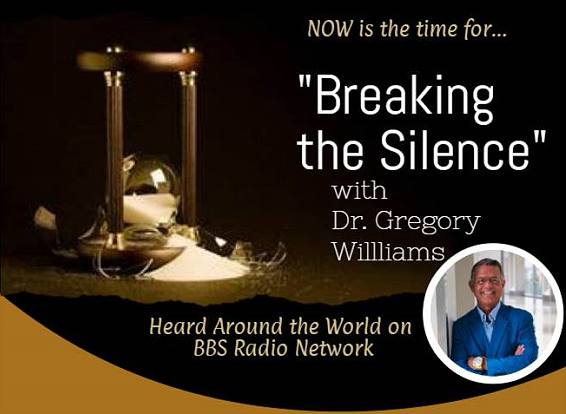

Breaking The Silence with Dr Gregory Williams
Turning Trauma into Power with Lurata Lyon, Co-Author of a new book titled The Strength of Resilience
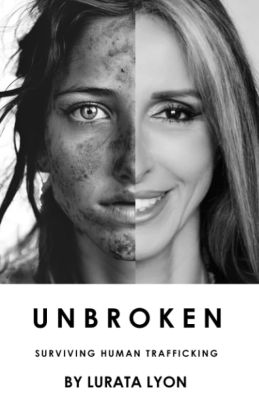
In this episode of Breaking the Silence, Dr. Gregory Williams interviews Lurata Lyon, author of Unbroken: Surviving Human Trafficking. The conversation explores Lurata’s harrowing survival of kidnapping and organ harvesting gangs, her journey of self-healing through writing and fitness, and the profound realization that resilience is not just about bouncing back, but about choosing love over bitterness.
Detailed Summary
The Philosophy of Brokenness and Resilience
Dr. Williams opens with a medical analogy regarding broken bones, noting that during the healing process, a callous forms that temporarily makes the broken site stronger than it was before. This sets the stage for a discussion on trauma. Lurata reflects that despite the horrors she endured, she would not change her past because it forged her current identity. She emphasizes that healing requires a conscious choice to reject the path of self-destruction and instead embrace love, stating she has become "walking love" to ensure the cycle of hate stops with her.
Writing as a Mechanism for Healing
Lurata shares the origin story of her book, Unbroken. Inspired by the character Carrie Bradshaw in Sex and the City, she began typing her traumatic memories on a laptop simply to mimic the character's routine of "closing the day." This exercise unexpectedly acted as therapy; by externalizing her memories onto a screen, she gained a new perspective—viewing her life as a reader rather than a victim. This process significantly reduced her nightmares and eventually formed the skeleton of her published memoir.
Reality of Human Trafficking
Lurata details her specific traumatic experiences, including being kidnapped by an organ harvesting gang in Kosovo and later held in solitary confinement for six months by soldiers in Serbia. She describes human trafficking as a "pandemic" and the biggest business in the world, surpassing the drug trade. The conversation touches on modern recruitment tactics, such as bribing parents in war zones (like Ukraine) or luring people with false promises of work, only to strip them of their passports and force them into begging, prostitution, or organ harvesting.
Regaining Trust and Taming the "Monster"
Recovery for Lurata involved relearning how to trust, starting with her uncle and eventually moving into the fitness industry. She became a successful personal trainer in London by focusing on making clients "feel good" rather than just losing weight. A significant part of her mental recovery was "taming the monster"—the internal rage and defensive aggression she developed to survive. Through mentorship and self-forgiveness, she learned to control her reactions to daily stressors, using breathwork to prevent small problems from triggering survival-mode panic.
Future Endeavors
Lurata is currently co-authoring a new book titled The Strength of Resilience with an athlete named Fatima, expected to launch in mid-2024. She is also expanding her work into the digital space with online courses on public speaking and mental fitness, and has established a mental health retreat in Marbella, Spain, focusing on hiking, breathwork, and healing.
Trauma does not have to define one's future. As Lurata Lyon demonstrates, even the darkest experiences—such as human trafficking and captivity—can be transformed into a source of immense power and purpose. By choosing forgiveness, controlling one's internal narrative, and breaking the silence, victims can transition from surviving to thriving.
Guest, Lurata Lyon

I am a survivor of civil war in the former Yugoslavia, have endured the trauma of being held captive, suffering torture and abuse. But I’m one of the lucky ones having eventually escaped to the United Kingdom.
From not speaking a word of English, I went to college, supported myself through various jobs from working all hours in a dry-cleaning business, through to manning an internet café. I saved to invest in myself, and qualified as personal trainer and nutritionist.
In tandem I began to work with charities and got involved with voluntary work to campaign against human trafficking and exploitation of women. This led to joining the public speaking circuit, where I use my story of ‘survival to success’ to give others hope.
Additionally I qualified as a public speaking and presentation skills coach working on a global level with start-ups, through to multi-national firms across media, financial services and technology, including WPP, Dentsu, Verizon Media, Yahoo, The Telegraph, Goldman Sachs, Engie, Bloomberg, Clear View, Amobee, Google to name a few.
My latest initiative is focused on lifestyle planning and wellbeing, to optimize work performance, avoid burnout and ensure mental health is kept in check. I provide bespoke plans based on individual needs around lifestyle goals, and work objectives including:
Exercise and activity (this doesn’t have to be about completing a marathon!)
Diet plans and nutrition, from low fat alternatives through to brainfood and supplements
Sleep, rest and downtime
The role of technology to optimize peak performance, and tracking recovery
Breathing techniques and meditation
Lifestyle planning and time management techniques
As a founder of a fitness business and ultimately moving into the coaching circuit, I’ve successfully run my own personal training business from 2005 to 2013, focusing on delivering 5 star training, injury rehabilitation, nutritional advice and personal programs, I was lucky enough to be exposed to A-list clients from athletes and actors through to the top business people from around the world. I played a vital part in helping them achieve their dreams and helped them make gains in both their physical and mental conditioning.
I moved to Singapore in April 2014 to 2018 and I recognized the huge potential in Asia for taking a tried, tested and successful training program to market and tailoring specifically to local/regional companies and their workforce.
London has always been home for me and it is an amazing feeling to be back.
I am finally working on my book and will be available on the book stores soon. I enjoy traveling all over the world speaking to audiences, both large and small about making their dreams come true and coming up and over trials and tribulations. As well, I am uniting with women’s organizations to empower women all over the globe by bringing both practical solutions as well as inspiration.
Breaking the Silence
“Breaking the Silence with Dr. Gregory Williams”
Now is the time for you to step out of your own personal darkness and break the silence that has been hidden and closed up inside of you.
“Breaking the Silence with Dr. Gregory Williams” radio program will offer the listeners a Road Map to Hope each and every week with keys to discover within yourself that ray of light to make your day better and brighter. Dr. Williams will not only discuss his own personal journey of overcoming the darkness of years of horrific sexual child abuse in the hands of his father and his father’s friends, but Dr. Williams will also feature special guests that have their own personal stories of overcoming obstacles in their lives and becoming victors instead of victims.
“Breaking the Silence” will also feature information from the professional and medical field that will dive into the important research involving Adverse Childhood Experiences (ACEs) and how to build Resiliency in yourself and in your children. Along with this information will be special guests from greatest minds in the United States to share their expert research and thoughts on this very important subject that each person needs to be aware of.
Now is the time to invest a few minutes each week with some awesome information to give you steps to HOPE and keys to HAPPINESS and PEACE. NOW is the time to Break YOUR Silence and breakout into a NEW and BETTER YOU! Join us each week beginning August 13, 2019 for “Breaking the Silence with Dr. Gregory Williams”. You won’t want to miss a single program. Heard around the world on the best radio network on the airwaves, BSS Radio Network available on iTunes, Google Play, iHeart Radio, Facebook Radio, Spotify and over 100 other high quality digital radio stations.
[00:11] Speaker 1: Welcome to Breaking the Silence with Dr. Gregory Williams. Dr. Williams is the author of the acclaimed book, Shattered by the Darkness: Putting the Pieces Back Together After Child Abuse. Dr. Williams is on the senior leadership team at Baylor College of Medicine in Houston, Texas. And, Dr. Williams travels the United States speaking and training professionals, parents, and victims about the importance of dealing with abuse and personal trauma head-on, and not being afraid to break the silence of your own personal pain. Feel free to call in to tonight's show at 888-627-6008, and speak with Dr. Williams and his guests live on air. And now, your host, Dr. Williams.
[01:24] Speaker 2: Well, welcome to the program today, and you're gonna see things are a little bit different. But I appreciate, uh, the wonderful people of BBS Radio, uh, bringing us in tonight with their awesome intro, and, uh, Don, Doug, Thomas, and the whole of BBS Radio, uh, hee-haw gang, I appreciate you and the way you do your work and the professionalism that you have. Uh, but I am here at Baylor College of Medicine, Texas Children's Hospital in my office today, uh, because we are pre-recording this, uh, with a guest that is on the other side of the world. And it's seven o'clock their time, uh, in the evening, and she has agreed to be back on, and this is almost a, uh, command performance. Uh, so we won't be able to take phone calls this evening, uh, but you can always reach out to, uh, me if this is on a, uh, a repeat, or even when we run this, uh, in the next week or so.
[02:20] Speaker 2: You can, uh, text me at 832-396-6525, and that goes right here to my personal cell phone number, and I will answer or give you, uh, the, uh, contact information to our guest. And, uh, we can connect up that way and hopefully provide anything that you, you need. We've always said, uh, for the years we've been doing this program, I think it's been five or six years now, uh, that if you just give us 45 minutes, uh, each Sunday evening, we'll try to give you something that you can take, use, apply with yourself and with people that you know that are going through some of their darkest, hardest, um, and stormiest days of their life. And, um, you know, I, I used to use a, uh, analogy all the time that when somebody breaks their arm, for instance, or breaks a bone, that that bone will come back even stronger than what it was before it was broken. Well, I, I started looking at the, the, uh, research on that and the scientific proof of that, and I found out that that's not necessarily true.
[03:36] Speaker 2: Although I did print off something, uh, that I thought was very interesting on that. See if I can find it real quick. Maybe I still have it on my printer. It's r- right here. Um, it says, according to the New York Times, which we all know if the n- it says it in the New York Times, it must be true. Not. But anyway, this is from the, uh, the, the medical journals. Let's, there's another sideline to this. When there's a temporary time that when a bone has been broken and it's healing, that there is a short, small space, that there's an extra thick callous that forms during the healing at the very site of the brokenness for just a few weeks that can literally and scientifically be said it is stronger than it ever was. So, I may have to change the way I present this out in the, the community and all of the different places about saying, "Hey, wait, you always come back stronger." No. But, let's, let's focus on that, and that's, then I'm gonna bring the guest in.
[04:44] Speaker 2: Could it be that during those times when we are broken, there is a moment in time, just like that bone's healing, that it is stronger, but it's only a window of opportunity to be able to grab ahold of that and go, "Wait, I am not gonna go down the path of self-destruction. I am going to make this point of my life and my existence and all of the junk that has happened to me, I'm going to decide right now to turn it around." I have sticky notes all over my little thing here, but I have one right here that goes like this: If I can change ... if I can go back and change my life, I wouldn't, because those things made me be me. And I think sometimes when you talk about resiliency, and, um, if you wanna go ahead and bring Lurada into the screen, that'd be awesome. Sometimes when we talk about, uh, resiliency, we talk about thanking God for that, forgiving the people that done it, uh, even-... being grateful that they ever entered into our life.
[06:10] Speaker 2: Now, that takes a huge leap of faith, courage, uh, and depth within us. But, you know, there's, there's another . Yeah. If you want... Just ignore the other ones. If you want to change the world, you must be your best in your darkest moments. Now, I think just this past weekend, we had probably one of the coldest spells we've had, uh, in Houston with weather. And, you know, we can moan and groan and we go, "Oh, no." But I'll tell you what. (laughs) Go to a different location where it's... You go to Alaska. From Houston to Alaska, big difference. They live in that, and they have feet of snow. I complain sometimes with what I'm going through, but our guest tonight is unbelievable. It's Lyrata Lyon. And she has literally gone through so much in her life, but she's turned it around. And I wanna, uh, welcome, uh, Lyrata into the program this evening. And you look great. Thank you for being on the other side of the world and taking your evening out with us.
[07:35] Speaker 3: (laughs)
[07:35] Speaker 2: Uh, 'cause it's only noon here, but it's seven o'clock in your time. So welcome to the program.
[07:40] Speaker 3: Uh, good evening, Dr. Williams. Thank you so much for having me back. It's such an honor. And I was really looking forward to, uh, speaking to you again. I think I enjoyed, uh, our chat so much last time, and it put me so at ease, and it was just... It's, it's very rare I meet people that have gone through healing, like yourself, whatever that might have happened to them, and they are willing to talk. And so, it's like a breath of fresh air when I get to speak to people like myself and you, because I know we are ready to talk. And it's nothing wrong if you're not ready to talk. It's just that I do want to encourage people to speak out if they want to share, or they're not sure. Because you never know, maybe I could benefit from it, you could benefit from it.
[08:25] Speaker 2: Oh.
[08:25] Speaker 3: We learn from each other, the strength and re- resilience. Actually, sometimes we think it only comes from what we've been through, but it's actually... it comes also, uh, throughout hearing that other people can relate to us, and everybody... It's almost like you're not the odd one out. You do... I know, it's not like you wish it upon anyone, but you sort of feel that comfort that, okay, you know, we are in this together and we can do it, and, you know, you encourage each oth- each other to heal. So, um, 'cause healing doesn't stop. It just... It never... It's a never-ending game. And I, and I said this before, I think in your interview, that people believe that, you know, they look at us, "Okay, I'm having a really bad head day. Everybody, just ignore me." (laughs) But, you know, uh, people think that, you know, "These people have got it all sorted out, and look at them." And it's like, well, no, we are still healing.
[09:16] Speaker 3: We are still going through a healing process, and I'm learning so much through being interviewed, through meeting survivors from different kind of... Victims of different, um, atrocities that've happened to them and what have you. So yeah, really grateful to be here. Super excited.
[09:32] Speaker 2: Well, I'm thrilled to have you, and, um, we're gonna have you back again and again and again.
[09:38] Speaker 3: (laughs)
[09:38] Speaker 2: I, I just know because I, I know there's more books inside of you, and I don't even think we scratched the surface. I want you to have the opportunity to tell your story in a nutshell. But before we even go there, I, I want a gut reaction on what I just spoke about. Do you feel that sometimes during those darkest moments in our lives, that if you had the chance, would you say, "Hey, wait, I don't want to go through that. I want to, I want to have just been in a perfect, um, world?" Do you think it would have made us who we are? And how do you even comprehend that you are the way you are today because possibly of the hell that you went through, uh, for a long time? How do you, how do you process that?
[10:35] Speaker 3: Well, this question does come up actually in many interviews or when I do my motivational speeches from the audience. "What, what if you could go back, what would you change? Would you wish, you know, it, it was different?" Like you just said it. And hand on heart, I have said it. And now, it's almost like it's been repeated so many times that I am so aware of it. But the first time I answered, it was, "No, I wouldn't want it any other way." And I even shocked myself, because all of a sudden, I realize, it's like, no, no, no, I don't think I would want to know who I would have been or become if I had never gone through what I've been through. Because I actually do love how I turned out as a result of what I've been through, but also as a result of choo- choosing... I had two paths, and I had...
[11:24] Speaker 3: Either I could go through the dark tunnel and continue, you know, being led by darkness and evil and, and when I say that, I don't mean it in a spiritual way, but I mean it more in a sense that I was being haunted by my past. Or I turn my haunting business into actually healing and making a difference. So, I would never change anything that happened to me. In fact, I'm really proud of my younger self. I don't think... I don't know. I don't... I shouldn't say I don't think. I don't know if I could handle the trauma right now. Maybe because partly... Just because I am resilient doesn't mean I am unbreakable. I was unbreakable then. I don't know if I'm unbreakable now. I don't want to be tested. Um, but going back to that, I wouldn't want to change it 'cause I love who I have become. I love the opportunity that it's given me to grow as a human being, and to, to also...I love the fact that I chose love over hate, over bitterness, over resentment. I just love that I've become love itself.
[12:27] Speaker 2: Yeah.
[12:27] Speaker 3: And as I walk, I'm like a walking love. If you could think of love in any shape or form, I'm, I'm that. I'm a walking love. I show everyone pure love. It comes from my heart. I don't want anything from them in return because I just want them to experience because there is nothing they can do to hurt me, nothing anyone can ever do to hurt me. So I try to radiate that love because I know that you never know who you're gonna touch, who needs it in this world that we are living in. So yeah, I wouldn't change it. And how do you come from that? It's a choice that we actually have made, uh, whether it was consciously done or unconsciously. But I, I think for me, I did a bit of... I did have a bit of guidance at some point because I thought I had healed, but then I still had that resentment in me which was creeping in now and then. And my nightmares were- weren't making it any- any easier. So I wasn't accepting it, and acceptance, just accept it.
[13:28] Speaker 3: I- I now say, I believe in God and people can believe in universe, God, whatever they believe, I- I- I respect that. But whatever you believe in, spiritually or non, just accept it. And once you accept it then you actually grow from it. But if you're constantly resentful of what's happened to you, one, you're not letting it teach you what it's meant to teach you. Secondly, you're not learning from it to implement it in the future.
[13:53] Speaker 2: Yeah.
[13:53] Speaker 3: And you are stuck in this, like, um, uh, vicious circle that it just keeps going for you, but ultimately it's only hurting yourself, no one else.
[14:03] Speaker 2: When you wrote the book, uh, and it's been out, what, uh, a couple years now?
[14:08] Speaker 3: Yeah, it's been at least three years.
[14:10] Speaker 2: Oh, you have it right there to show us? Because I- I love... Do you have a copy of it with you?
[14:14] Speaker 3: I don't have it on me. Sorry, Dr. Williams.
[14:16] Speaker 2: Okay.
[14:16] Speaker 3: I've just been-
[14:17] Speaker 2: I'll, uh-
[14:17] Speaker 3: ... between meetings.
[14:18] Speaker 2: I just showed... I'll just show a picture of it. I just showed it, um, because I just love the cover of it.
[14:24] Speaker 3: I, um... I can find an image on, uh... I can find that. (laughs)
[14:27] Speaker 2: Th- this is it right here. This is-
[14:30] Speaker 3: We both managed to find it. (laughs)
[14:31] Speaker 2: (laughs) Unbroken: Surviving Human Trafficking. Now, when you wrote that, I know it can be therapeutic. It can be healing in the process. Was there anything that if you could say, "Okay, wait, I wish I didn't do that," or, "I wish I would have gone into it deeper." But is there something that if you had to go back and do it again and erase it all and hit delete, how would you... what would you do different with the next version?
[15:08] Speaker 3: That can't be another version of it because it's based in such pure facts. And-
[15:13] Speaker 2: Yeah.
[15:14] Speaker 3: ... I can't rewrite. I- I just thought it from my perspective and it will be exactly the same because I don't want anything to change. It's become... This was, like, constantly playing up on my mind, everything that's happened, every detail. And I was holding onto it so much. And only when I watched, um, if I may say so here, Sex and the City, I used to watch it when I made it to the UK because it was available on normal TV channels and I had a small little TV. And so I used to just rewatch it and i- it just took me to a place that I could only wish I could be Carrie. I could be, you know, any of the girls because they looked like they had it all sorted out. And I don't know, somehow I wished my... I wish I had had that. And then as I was watching Carrie go back at the end of the day and she would type what had happened throughout the day with Mr.
[16:07] Speaker 3: Big, he, the, she, you know, all the gossip while she sat by the window, I actually literally I have signed a book for Ca- well, Carrie in the movie, but, y- you know, um, I forgot her name now, real name. So I- I signed a book to give to her because she... just watching her in that movie changed the way I thought about my story. So I then went, I got... uh, I got a laptop and I started typing just random that would come to my mind what had happened to me. No structure, nothing. And it's not because I ever wanted it published, but I wanted to feel... I wanted to imitate her to feel what would it feel like to be able to put everything on your laptop and then close it at the end of the day as if it was just... you know, I was pretending to be her in a way, but telling my story, which was devastating.
[17:02] Speaker 2: Yeah.
[17:02] Speaker 3: And then I would close it and I realized every time I did that, my nightmares were- were getting slightly less intense. And then throughout the day, I was thinking less of my story, of those details I've already written down. I didn't even understand what was happening in the process. What was happening was I was offloading this information that I was holding on to so tight, I was so scared of forgetting it because it was everything I remember of my teenage, uh, early teenage life and how every- everything went so mad just before I got kidnapped. So I wanted to hold onto it for dear life because it was everything that I... the feeling was too strong to let it go. And I didn't realize that I didn't have to let it go, I just had to write it down so I can then process it from a different perspective.
[17:56] Speaker 3: Rather than having a visual here, I could read it and then see it from a different perspective, like a reader's point of view rather than experience it from my point of view-
[18:08] Speaker 2: Mm-hmm.
[18:09] Speaker 3: ... and, um, and I thought, "Oh, this feels good," you know, I kept doing it and doing it. And then one day I just stopped doing it. I met someone, I got busy, you know, trying to sort of become a human being again and trust somebody to be, you know, romantic with. And I- I was trying to find my ways and fit into the society in the UK, in London, learning the language and so on.And then not much later actually when I, I all of a sudden got told, "Loretta, you need to do a book because the book could help the charities and raise funds and ra- raise awareness." And I thought, "No, never. I can't, I don't know how to write," you know. And that was my skeleton of the book, so I just had to go back and start adding muscle to, to the skeleton. And the more I went back, the more information I could gather from my memory, which I wasn't even thinking about. But I was dragging all this different information that was coming back to life 'cause it was overloaded with so much that I needed...
[19:07] Speaker 3: It was the best way I did it about writing the book without any intention of writing a book-
[19:12] Speaker 2: Yeah.
[19:12] Speaker 3: But perhaps I manifested it, I don't know. (laughs) So.
[19:16] Speaker 2: Now when, when you were, you were kidnapped, correct?
[19:20] Speaker 3: Correct, yeah.
[19:21] Speaker 2: Um, for how long was that, that isolation or that imprisonment during that kidnapping? How long was that timeframe?
[19:32] Speaker 3: Uh, well, the most significant one, 'cause, you know, I got taken twice, uh, first time I got taken by human trafficking and organ harvesting, uh, which was, uh, from, from the gangs of Kosovo. And they grew me and that process is quite painful. I mean, it's very detailed in the book.
[19:51] Speaker 2: Yeah.
[19:51] Speaker 3: And so when I eventually escaped them with a lot of difficulties and gave an interview when they got arrested and, and the whole thing, uh, the, the UN were involved as well, um, American, two American police officers in my story because they gave me shelter initially. And yeah, the story is really endearing. I think all the Americans should read the book 'cause the two American soldiers are involved in saving me, and I'm really grateful for your, for your nation, what they did for me, and how they actually sacrificed their, their jobs, um, almost sacrificed their jobs just because they wanted to save me. And they thought it was more important to do something so noble than for them to have a job or get paid.
[20:38] Speaker 3: And so I eventually rescued them, going back to the story, and I gave an interview, they got arrested and I es- I sort of ran away back to Serbia 'cause I'm from Serbia originally, and when I first got kidnapped I was in Kosovo 'cause I was running away from our town being massacred, and that's how I ended up meeting Peter and Bryan, which are the two American police officers, or were at that time. And then I got kidnapped from after I was under their supervision but they were at work so human trafficking got me from them. And then w- as I said, I, I got the interview, they got arrested. When I got back to Serbia, running back home, I then got taken for the second time by the soldiers of, uh, Serbian soldiers, that were created during the war, prisoners of war, and, um, I then got kept in a solitary confinement for six months.
[21:38] Speaker 3: So
[21:38] Speaker 2: Now during, during that early captivity and being trafficked, was it always their game plan from what you understood and what you was aware of, that eventually they were going to get everything from you they could to sell? But then eventually they're gonna take organs from your body and harvest those. How does that... I mean, as an American, we, we don't even... I know it happens maybe here and, but I, you don't see it on the news or anything. Was that something that was discussed, you overheard, uh, that eventually when they're done with me, they're going to cut me up in pieces and sell body parts? Is that what they were planning?
[22:29] Speaker 3: Oh yeah, they told me point blank. I speak Serbian fluently. I read and write, everything, 'cause I grew up in Serbia. And then I also speak Albanian which is, it's what is spoken in Kosovo. So although it's a different dialect, I, I speak, I speak the language. And so I was communicating with them in, um, Albanian but regardless, it wasn't even down to the w- that we spoke the same language or, it was just a cruel criminal act, and I wasn't the only one. Uh, they've done it to local children, they've done it to youngsters. They've, they just, that's, that was their business, uh, human trafficking. So the girls w- I, for what I know, what they've told me, and what I witnessed, the girls got put into prostitution initially and I got groomed during the process that I was with them, I was being groomed on things that I, it was expected of me to perform during, uh, 'cause I was sold to the highest bidder. And they said, "You..." You know, it was more of, um, the reason...
[23:34] Speaker 3: And I often think, but why would they say such things to me? Why did they need to tell me, you know? It was, I think they loved, they enjoyed, they thrived through panic on my face perhaps that they were seeing when they told me what's about to happen with me. And they would say, "You'd n- you, you don't need to even try to escape 'cause you'll never escape us. We have sold you to the highest bidder. When you're done, your training is finished." You know? They, and they wouldn't say it as quickly as I would do but they would just be, you know, bullish and sort of torment me with these kind of sentences and say, "Oh yeah, you know, you're going to prostitution after and then when everything is done with you, don't worry, we will take your organs so you're never gonna make it out alive." Having been told this kind of information blank to my face, um, straight up-It was, um, a- it's like a horror because I, I was really naive. I was very young, I was...
[24:35] Speaker 3: And anyone, even if you were very, very experienced in life, if somebody was to tell you that's what's happening to you or anyone else, you would be shocked. It's like how could you even talk about this so freely, as if you're going to buy a chocolate at the, at the supermarket or, or, you know, selling something on the market? It's like, um, human trafficking, in fact, is... And I keep saying this and I will not stop saying this, is the biggest business in the world. The bigger, bigger than drugs.
[25:08] Speaker 2: Yes.
[25:08] Speaker 3: And so although we don't hear it on the news and they don't want to talk about it 'cause they've got such a big problem, and I, I keep also saying it's a huge pandemic. We were so quick with coronavirus and all of this and shutting this down and, and creating space. But why can't we use strategies like this to, to, you know, combat these kind of crimes? Because I have watched and, and I've spoken to undercover military in the US and around the world, I've got my agents that I speak to, they do try and go and rescue children, uh, uh, children at all age, uh, a- any gender, uh, women at all ages. So it's not like just under age. It's, it's anyone that is, uh, healthy, it goes into the... If they can get a hold of them. And sometimes it starts really innocently, like for example, it starts... I take an example with the war in Ukraine when it was happening and we had soldiers there on the ground. It started with bribing the parents and saying, "You...
[26:10] Speaker 3: We'll take your kids on the other side of the border, and I promise you, this is how you get hold of us. We'll keep them safe." And the parents are always desperate to save the children. Little do they know that these people that taken the children away, they are organized criminals, that you will never see those children again. Uh, or young women, or even the young people that want to go abroad, for example, and say, you know, "We'll get, we'll get you abroad for a better life. Come with us, we'll sort out your passport." And then, okay, let's just say organ harvesting is not maybe... 'Cause there's so many different levels of trafficking, maybe organ harvesting is not one of them that this particular group does. In that case, it would be in exploiting them to work, no pay, no freedom or to go beg on the streets, and they control all these beggars on the street.
[27:04] Speaker 3: And if you see a foreigner beggar on the street with a perfectly written, uh, sort of card saying, "Please help me, I am starving. I've got a child," but they can't speak a word in English, you really... And perfect handwriting, you need to stop and think, who is controlling these people
[27:23] Speaker 2: Yeah.
[27:23] Speaker 3: They don't have any rights. They, the- their passports have gone. Uh, they're probably holding children to ransom, so they have no choice but to go, but to go on the roads and beg or steal, or, or do whatever they need, prostitution. So, you know, and sometimes people are quick to judge people, you know, women in prostitution, but, you know, even the most developed countries have got... You think, oh, well, it was their choice. Is it really their choice? There is some people that do it by choice, each to their own, but not everybody in prostitution is by choice. They are controlled by the pimps, by the gangs. They haven't got any rights. Same with other clubs that are for gentlemens. You don't know who's dancing in front of you. They're not there by choice all the time, and majority are not. So you know, it's, it's really deep.
[28:15] Speaker 3: I'm, I mean, I, I've been digging deep since I started talking about what happened to me, and I get so many undercover agents that come and tell me all sorts of stories and how they go undercover and how they have to pretend they are the, you know, they are the client, and how they rescue the children and they pay for few kids at a time to take them to the hotel room. And then they just, you know, make a run for it with the kids and they get them to safety. You know, it's just really sick world we are living in. But hopefully with the good listeners that are listening to us, with us here and anyone else out there, if you can't help, personally I would say if you just can't help at all, that's fine, but at least be vigilant and just spread the news and make people aware of it 'cause I'm not here to scare anyone.
[29:05] Speaker 3: I'm just hoping that besides reaching people with hopefully inspiration, 'cause if I could g- could go through that, anyone could go through anything, and we have a choice that we can thrive from it. Uh, but also it's just about raising awareness, and I think we owe it to the children, we owe it to the generations to come. It would be such a shame in, in like 10, 20 years' time for the next generations to come and say, "What the he- happened with these generations just gone?" If... What is this business?
[29:36] Speaker 3: You know, you've got organ harvesting and stuff going on and you've got the really extreme AI jobs and it's like, uh, it's- it's crazy to think that something like that could end up human into exploitation and, and AI has taken over all the jobs
[29:53] Speaker 2: Yeah.
[29:53] Speaker 3: Or something like that. That's very sci-fi. But you know what I mean? It's just like, it's, it's... If it's becoming the bigger business in the world by every year, then why isn't the government doing anything? And I know governments go and say, "We're gonna do this. We're gonna, you know, bring down the human trafficking." Please do. If you wanna stay in power, you need to do those things. You know, you need to do as much as you can. Government has the power to, to really, uh, shut down this.
[30:22] Speaker 2: Yeah, good word. I tell you what, we're gonna take a break right now. On the other side of this, I want to drill down just a little bit deeper and then I want to spend the rest of our time that we have after the commercial, uh, talking about what you're doing-... uh, how to be resilient, what some of the things that we can do in our own self-care, how can we sleep better, how can we breathe better. All the things that you are literally a pro- a pro about, a genius about and you share it all around the world, uh, I want you, if you would, share with me, 'cause I need it, and our audience that's listening, uh, about how we can just be a little better, uh, and healthier. We'll be right back, don't leave us, uh, for this final segment of Breaking The Silence. We'll be right back.
[31:08] Speaker 2: (instrumental music plays)
[31:20] Speaker 1: Get ready for a life-changing journey. From the best-selling author of Shattered by the Darkness and When the Dark Clouds Come, Dr. Gregory Williams is back with his highly anticipated third book, Embracing Your Scars: Learning How to Turn Life's Pain Into Life's Power and Purpose. Have you ever wondered how to transform your struggles into strength? Do you want to stop hiding behind the pain, the heartache, and instead learn how to turn those scars into the very fuel that propels you towards greatness? If you do, then this book is for you. In Embracing Your Scars, Dr. Williams shows you how take the negative experiences of your past and turn them into the very source of your future success. Don't miss out because your transformation begins here. The book is available soon on Amazon, Barnes & Noble, and wherever great books are sold.
[32:27] Speaker 1: (instrumental music plays)
[32:35] Speaker 2: Welcome back. We have an unbelievable guest, probably, and I- I hope that I don't offend all of my other guests, one of my favorite guests that I've ever had on the program. Uh, Lorotta, uh, Lyon, and she is the author of Unbroken: Surviving Human Trafficking. And you mentioned human trafficking could possibly be, uh, Lorotta, the, um, the biggest business in the world, the biggest money-maker, even more than drug, uh, selling. And everybody goes, "Why is that?" Well, because you can keep reselling the same product over and over and over. Drug use, you sell it and you have to get more, you have to create more, you have to manufacture more, you have to grow more. But with human trafficking, that one young lady, young boy can be sold 10 to 15 times a day. Um, and then the same thing tomorrow. Did you find that true in your case? Or was it just random? Or was it like, you know, I know on Monday nights for me, it was 8 to 12 times, uh, every Monday night, uh, when I was being trafficked.
[33:55] Speaker 2: For you, what kind of, uh, frequency was going on, and what age were you at, uh, when this was happening in your life?
[34:05] Speaker 3: Uh, Dr. Williams, when I got taken by human trafficking and organ harvesting, I actually, 'cause I escaped them quite soon into the process, I feel like I was really, really lucky to have escaped that clause because no one has ever escaped them. No one... There is... When I gave my interview at the police station on that evening, one of the Kosovo police officers, he was crying and I didn't understand why he was crying, and I was really quite disturbed anyway. He said, um, he wanted to give me a hug and I told him not to touch me. He said, "Only because you are the only survivor. Uh, we have known of these gangs but we could never have brought them down to arrest because there is no survivors," and there was no- no one to give a testimony so they can be arrested. And so, as far as they're concerned, I am the only survivor from this gang and I am extremely lucky. Really, really lucky.
[35:07] Speaker 3: I'm also very lucky that, I think if I had reached the tran- transition transaction per se, 'cause they had groomed me, they taught me what to do, what was expected of me. I was a virgin girl, I was 17, just almost 18, and so when the actual transaction to the highest bidder was meant to happen, it didn't happen because the borders were shut in Kosovo with Albania and that's where they were taking me. And that gave me that, uh, lease of life, if you wish, to want to find a way to wriggle out of this and, and wriggle I did, but, you know, it was quite, uh, intimidating, my process of escape, but I managed to do it. So I personally didn't witness, um, straightforward of being sold, but I know the girls that they brought in, um, for, to teach me what should be done, some of which were unconscious and they were being beaten up and as- as monstrous acts were happening on top of them as I was made to watch. Uh, I- I realized there was no boundaries what they did to the humans, you know.
[36:24] Speaker 3: I think most people treat their animals at home better than these people trat- treated humans. There was no emotions involved, it was quite frantic, quite, um, disturbing kind of the way they acted, the way they were.But when I got, uh, taken for the second time and I got in solitary confinement, that was happening 24/7. I lost track because it was a dark room, I lost track of days. I didn't know what was happening. It was multiple soldiers at the same time and it was just an ongoing thing to the point where... I think I mentioned on last episode that I actually had almost like an out-of-body experience because it was the only way to... I, I sort of discovered that by, by accident, just because I was just so exhausted the whole time. I was starving myself, I wanted to die, and so I had this detachment happen quite naturally. We have the ability but if you're not trained, I don't know if you can do it, but for me, it happened becau- out of...
[37:32] Speaker 3: I think out of, um, desire to escape the pain I was feeling and it just happened. So I started looking at myself from beyond, from above and, and thinking, you know, these, these, these humans were once children and what happened to them to be so monstrous? And so, yeah, I mean, whether... th- I mean for me, that's also part of human trafficking because they took me out of my world, it was a kidnap, and they, they got me in a solitary confinement and I don't know whether the soldiers were paying to come in or out. I, I had no idea what was happening but there were soldiers constantly coming in and out so was I... Was I there, there, there, there... Was I... Was I there to be sold to other soldiers? I, I don't know. Um, but certainly it wasn't just being done for nothing for six months like that.
[38:28] Speaker 2: Yeah. So on, on the other side of this now that you look back on this as we turn the corner of the story, because your book takes it up all the way to the almost the last page and then goes, "The end." It's like, whoa (laughs) , it's the end of the horror-
[38:47] Speaker 3: (laughs)
[38:47] Speaker 2: ... it's the end of the nightmare, but now it is the beginning of something absolutely new, beautiful, uh, life-giving. Uh, how do you create that in you and find the strength to say, "Okay, it's a new day. The dawn's coming up, the sun's shining bright," to make it through and be who you are today? I know that's a process, but where do you find the strength to not be a monster like these people were to you or in other areas? But how, how do we find the strength to do that? Where does it come from?
[39:47] Speaker 3: I think, um, it's not really even... uh, uh, uh... I think it was a process really 'cause just going back and thinking about it, because that monster lived with me for a long time and it was like a ticking bomb, you know?
[40:02] Speaker 2: Inside of you?
[40:03] Speaker 3: They left me. Yeah.
[40:04] Speaker 2: Okay.
[40:05] Speaker 3: It... The monster that they left me with, uh, 'cause they showed me so much cruelty, even though I was pity them whilst they were abusing me. When I eventually got rescued and got sent to the UK, I realized even though I was... I was in, in London and it was reasonably safe, a lot safer than it is nowadays, and I got given all these tools, like the doctors and everything that I needed to my disposal to make me a better human being physically, emotionally, but... uh, I didn't trust anyone so the trust had gone. It was really hard to trust the doctors. I was also put on these medication which, um, numb a lot of the things.
[40:51] Speaker 2: Okay, we're back, so go ahead. You're talking about, uh, the trust. The trust is gone.
[40:56] Speaker 3: So the trust was gone. Uh, I didn't trust anyone including the doctors or anyone really around me.
[41:02] Speaker 2: Yeah.
[41:02] Speaker 3: And I was walking like a ticking bomb, you know. I realized, um, you know... I was put on a... um, suicidal watch and all of that but, uh, what... the first desire to, to move forward was I want to... I realized that I was there already and either I could stay on these medications forever and in this system or actually I could try and do something. And the first thing I needed to do was to learn the language which I didn't speak any word in English, and so I decided to go to college and, and firstly learn the language and then as I was learning the language, I wanted to study a little bit of computing and understand anything else a bit of, um... I continued with a bit of drama 'cause I did a lot of drama on stage as a kid before the war for school plays and, and so on. We did amazing stuff with my, um, s- school friends and I, I just loved it.
[41:59] Speaker 3: I loved being on stage as a kid so I thought that, "You know, if I could do something out of ordinary then maybe it would be good and I could practice my English." And everyone in that school was coming from a very privileged background, and when I say privileged, it was private students that had come to study in the UK from Italy, Spain, Portugal, you name it. And here I was, I was the only person that was a political asylum seeker in a group that there was no story I could tell from my past because I didn't want anyone to know my story so... You know, and, and then I just immersed into the whole thing of studying, you know, doing something with myself. I seek... I wanted to he- to help my uncle. I had a, a cousin of my mum's in, in London that gave me s- you know, sort of help to begin with and he took me all to the right places to sign me up and so on when I arrived in the UK.
[42:55] Speaker 3: And he was a psychiatrist so it was helpful that he understood I was fragile.And then, um, I said, "Uncle, I wanna help somehow." I said, "I don't need to get paid but I just want to be... a sense of belonging, sense of responsibility. I wanna do something." He said, "Okay." He said, "Why don't you go to..." 'Cause he was doing, uh, psychiatry but he had loads of dry cleaning places with a partner, a business partner. And he said, "Why don't you just go and, you know, have a look at what everyone is doing and, you know, collect maybe the money at the end of the day, and, you know, check the till and all of that and make notes of this?" So he gave me a proper responsibility and I really am grateful for that. And I thought, "Oh, wow, this is so good to give back to my uncle." And then I just started growing, you know, getting a job, studying more, becoming a personal trainer, fitness trainer, 'cause I wanted to work with people.
[43:45] Speaker 3: And then it all really started when I was working out in the gym at the college, there was a small gym and I would go and do the cross-trainer or anything like that, when I got asked if I wanted to lose weight by another trainer. And I said, uh, "No, actually I'm just here because it makes me feel good." And he said, "What makes you feel good? You either here to build muscle or lose weight?" I said, "Well, no, neither." (laughs) You know? I didn't understand the, the... I didn't understand why the, the trainer approached me that way, and then they inspired me, that little thought in my head, I thought, "If I was a trainer, I would never say this to the client." I would encourage clients to feel good because when you feel good, you can achieve all the other goals. It doesn't matter w- lose weight, put on weight, it really doesn't matter, it doesn't define you as long as you are feeling good and you are healthy. And so, I then signed up.
[44:38] Speaker 3: I became a personal trainer and I did exactly that. I had the most successful business in fitness industry in, in London. Uh, everyone spoke about me like I was, um, quite unique. I was so young and so driven and people loved me. People were waiting lists sort of to train with me. Why? Because I, I was just being me. It wasn't patronizing people or making them feel small. So, I think these kind of things inspired me, that there was more to life than me feeling sorry for myself, and I knew... and I still... that monster was still within me and I could feel it sometimes in the... when I would go on the Tube. So, speaking of the monster, I'm going back to the monster, I'd be on the Tube and somebody would, you know, uh, w- like in New York, you know, people are always rushing and bashing each other and, and they would turn around and shout at my face, and I had zero hesitation to let the monster come out.
[45:35] Speaker 3: And the monster was quite, um, maybe quite scary for someone to see me, like literally like... 'cause it was so easy triggered to, to ask them to do one basically, to, to say, "What's your problem?" Like as if to say, "You have no idea what I've endured. You think you're shouting at me is gonna actually scare me?" So, although I had zero training in martial art at that point, I was actually quite fierce. But it was... I didn't achieve anything with it. It was the energy that... The energy that you expel on those moment stays with you for a very long time. And so I wasn't letting go. I was repeating it. I felt like if I do that much gesture by shouting at someone back means that, oh, I have won. But in contrary, it was doing the opposite.
[46:27] Speaker 3: It was just bringing back bad memories, thoughts, um, and feelings and rage and
[46:33] Speaker 4: Yeah.
[46:33] Speaker 3: ... it wasn't something that I was brought up with. And so, it took actually my mentor, Gilles, to hear my story and said, "Loretta, you need to write a book because there is a huge need for someone to speak out on human trafficking." I said, "I can't do that." I sa- I can't write a book and certainly I'm not gonna do public speaking. There is no way." He's like, "Yeah, there is a way." (laughs) So, you know, there is always somebody that comes along that will help you if you're just open to the idea. So how did Gilles help me? Gilles helped me tame my demon. Not because he helped me physically. He introduced me to making... to forgiving myself initially. So, part of forgiveness is by forgiving yourself. You can't forgive others or what they've done to you or anyone on the road that would, uh, you know, upset you on the car, whatever, you know, take your parking lot, whatever, parking spot, whatever it is. It was more to do with me.
[47:35] Speaker 3: I needed to forgive myself, what had happened to me, and I think this is when I actually realized that I was really grateful for what had happened. I had to be grateful for what I... I am grateful. I thank the gods every- uh, God, their... everything they- I got shown because I now from now on I forgive myself for the rage that I've been feeling and I want to be a better person. So, by letting go of this, it means... And then it took... Every day it took step by step, bit by bit, every minute of the day. Every time someone upset me on the Tube, I would have to really bite my tongue, maybe- maybe even squeeze my knu- knuckles and just say, "Oh, do I do it? No, I can't do it. No, it's okay. Oh, I'm a better person." You know? And so, the more I demonstrated to myself that I'm in control of my reaction to people's, um, lashing at me or to people's reaction, my, my reaction was actually down to me whether I react or I completely blanket, because it had nothing to do with me.
[48:36] Speaker 3: So I understood how people sometimes treat you and if you question yourself and you say, "Well, what did I do to, to them to treat me this way?" You probably did nothing. Not everything people say or do or come your way, uh, d- your way with something doesn't mean you did something. It's them and it's theirs and it's fine. Don't judge yourself. Don't question yourself. But also equally, if you think you have triggered someone, I think it's, it's, it's quite big of you, it's actually admired of you... to have it in you to say, "I'm sorry. I didn't mean it. I'm only human and I'm going to learn from this." And this is where people fail. They are too proud to say I'm sorry.
[49:21] Speaker 2: Mm-hmm.
[49:22] Speaker 3: I say I'm sorry more often than not because I'm learning. Every time I say I'm sorry, I'm like, "Oh my god." And I said it even... I've got two kids. I said, "Boys, I'm sorry." They're like, "Mum, it's fine. You are Mum." So because then they understand that sorry is okay-
[49:41] Speaker 2: Yeah.
[49:41] Speaker 3: ... to say sorry. You're teaching them as well how to how to be. So I think there are so many way to resilient. I, I wrote today actually, I wrote something about resilient. I was... Because I'm working on my second book which I'm going to... It's called The Strength of Resilience, which we can talk more another time. Um, it's with an athlete from the UK, a super legend. And we're coauthoring a book, and it's called The Strength of Resilience. And today I was sitting down because it's... Sometimes resilience is not a choice, it's just a matter of, um, you know, what are you willing to learn from each lesson that's being sent your way? But once you are learning it, you are becoming resilient. It's not because you are, "Oh, it's happening," you're feeling sorry and you become resilient. No. Through learning process or what's been thrown your way and you learn from it, that makes you resilient. And resilience doesn't have to be strong or weak, it doesn't have any elements to it.
[50:42] Speaker 3: It, you're resilient to only as much as you've been exposed to, and that's fine. Learn from it, become resilient with it, then next time you'll be able to handle it differently.
[50:52] Speaker 2: Yeah.
[50:52] Speaker 3: And I wrote a quote. I have it in my book just over there, because I thought, "Oh wow, you know, sometimes these things come to me," and I'm like, "I'm still learning so much about resilience," because I never thought I was resilient. I was just... I just thought that I had no choice but to be resilient.
[51:09] Speaker 2: Well, isn't that what resilience is all about? Knowing how strong you are when you're in a position where you can't control what's happening to you? Then you, you don't learn resilience, you discover resilience inside of you. "Oh, I didn't know I could handle that. I didn't know I could overcome that." It's in every one of us, it just has to be developed and found. And you can, you can go and I... I can't wait to read The Strength of Resilience. That sounds great. Because a lot of books are about, hey, how do you go learn about it? How do you, uh, instill it and install it on your mental, uh, computer? You don't. It's already there.
[51:55] Speaker 3: Yeah.
[51:55] Speaker 2: You just have to dig deep enough, something happen enough, and learn from those lessons.
[52:02] Speaker 3: Yeah.
[52:02] Speaker 2: And then go, "Wait, that didn't kill me. I made it. Now what can I do with it?" And then you start sprouting and growing. So that, that's going to be a beautiful book. With Fatima, right?
[52:14] Speaker 3: Yes, with Fatima-
[52:16] Speaker 2: Yeah.
[52:16] Speaker 3: ... and with Brad. It's going to be wonderful. I mean, it's such a privilege and we come from such different backgrounds yet, you know, different stories yet the, the strength, the resilience. And we had a... We had a live event recently and we were talking and I was their keynote speaker on the live event. And it was all, you know, uh, virtual, but it was, um, being streamed. And we got asked the same question, and Fatima and I would look at each other and say, "Who's going to answer first?"
[52:46] Speaker 2: (laughs)
[52:46] Speaker 3: I, I just said, "You go ahead." Because I have so much respect for her and I love listening to her. She's so zen and, and just a beautiful soul. And then when she'd finished she said, "Loretta, over to you." And I'm like, "I'm not going to even say anything because you've just covered everything I wanted to say." (laughs)
[53:02] Speaker 2: (laughs)
[53:02] Speaker 3: And then I would have to find... She would then inspire me to dig deeper because I wanted to give more to the audience, so there was all of that she said, and then I would find something in me and she's like, "Yeah, and that too." And so, you know, there is things that we learn. And like she mentioned about resilient and so did I. You know, how do you, um... You, you also just mentioned it now, sometimes you have no choice but... Or, or like it makes you stronger. And you mentioned a couple of things. You said what doesn't kill you makes you stronger. It does. But want to become resilient has to be in control of their thoughts.
[53:38] Speaker 3: I th- I strongly believe you have to be in control-
[53:41] Speaker 2: Yes.
[53:41] Speaker 3: ... of your thoughts. So you can't, um, you can't be speaking negatively about yourself, uh, other people. This is all negative vibration. So you have to really, really be in tune with your thoughts. And anytime something creeps in you're going to say, "Well, Doctor Williams and Loretta said these are things I need to eliminate." Because honestly I have... Every day something creeps in, doubt, and I'm like, "No, no, no, no, no, no. Excuse me, you are silent." I'm like Gollum talking to myself, like, "No, only the good Gollum is going to talk," okay? (laughs) The other one needs to sleep. And so that monster in me, I think it's been tamed and is still asleep. And I never want that monster to come out. I think it will only ever come out in... To protect someone that I love or another child. Then I will know no boundaries to interfere. But... And it will come. You know, it will be like... (growls) Like, you know, like a superhero kind of roar.
[54:40] Speaker 3: (laughs) But not because I want to hurt people, not because I want to destroy people with words or anything. It's just in an instinct survival mode that it will come only when survival is needed.
[54:51] Speaker 2: Right.
[54:52] Speaker 3: So be in tune with your thoughts, choose... You, you, uh, you mentioned these earlier as a part of the question, you know, the whole breathing and so on. I think with resilience you also need to be aware of your breathing. So the more aware of your breathing you are and you don't hyperventilate and you don't... 'Cause breathing, no matter how small the problem is, if you're not breathing correctly and you go into panic mode and then anxiety kicks in-... that tiny little problem, it could be just as small as a flat tire. It will become such a big issue, you'd think the whole car is broken down. And so, you know, it's just a matter of saying, "Hang on a minute. I'm gonna, you know, start structuring things in my head here. And I'm in control. I can do this." And just put it to test, you know. Put it to test. If something goes slightly wrong with your daily routine, hyperventilate for me and see how bad you're going to feel.
[55:46] Speaker 2: (laughs)
[55:46] Speaker 3: Or say, "Hang on a minute, let me just breathe," and then your clarity comes and then you're like, "Oh, okay, this is teaching me resilience. What ... I've got all the tools, you know, at the reach of my hand. I could call someone to help me." I still have family members. And if you don't, you call Dr. Williams and I.
[56:04] Speaker 2: (laughs)
[56:04] Speaker 3: And that's it. (laughs) So, yeah. 10 years.
[56:09] Speaker 2: Fantastic.
[56:09] Speaker 3: So many years.
[56:09] Speaker 2: So when's this book planned on being out? I know you're just now working on it.
[56:13] Speaker 3: We're working with Fatima on it and we have a meeting coming up in, in February. We're gonna discuss the, the final bit, but I think it's this year, by, by mid this year. I think summer, probably June. I don't have a date. But in the meantime, and I thought, "You know what? There is such a, such a huge gap in what I do that I'm not filling." 'Cause I think I could help a lot more people if I then start providing things that are virtual rather than me having to always be in person to deliver. You know, things like, um, overcoming obstacles and, you know, just everything that I do with resilience in more of a healing way and educational way. And as you ... I don't know if I mentioned it to you last time, I run a business in L&D, uh, learning and development in public speaking and presentation skills. And so, that's also really helpful when you're having a tough time because I have ...
[57:11] Speaker 3: For example, I work with people that run banks and financial sectors and then they go to present but they're hyperventilating or they have doubts in-
[57:21] Speaker 2: Yeah.
[57:21] Speaker 3: ... how they speak to themselves and they're like, "I'm not good enough," and I'm like, "Can you just see what you've just done to yourself in like three seconds?" And so we work in self-belief and self-talk and we work on how to control the nerves 'cause everybody has the nerves. You're not a human if you don't feel anything. You're either on drugs or you just don't feel anything.
[57:41] Speaker 2: Right.
[57:42] Speaker 3: And, you know, you ... It's not very human-like not to feel. So everyone has their nervousness of excitement. And excitement is nice but equally can, can actually throw you, so you have to be able to control. And I always say this, if you look at the singers when they go on stage, that's the anxiety of excitement or, or the nerves of excitement. They go on stage and they shout in the microphone by greeting everyone in a loud ... Not because, you know, they have to do it. You don't have to do it. You could walk on stage in any way you like. But they ... That's one way, as a singer, to get it out of their chest, this, this tightness, this, this thing that's like, "Oh my God, what is the audience gonna think of my performance tonight?" To saying, "Hello everybody, I'm so happy to be here tonight. Are you ready?" And then they turn it into the whole band and before you know it, they're dancing and then they may be out of breath because they now need to catch their breath and, you know.
[58:36] Speaker 3: But most people that work in, in banking or they have their own business and they're presenting, they can't do that. So how do you go about doing exactly that but in a more controlled way? And so yeah, I mean, I'm gonna ... I'm working on so many, so many things. I've, I've set up a retreat. (laughs) I've set up a retreat for mental health and mental fitness because I want to be able to, you know, my followers and my, my clients to be able to come and experience something unique. It is based in Spain, but who knows, maybe I'll branch out somewhere else. And, uh, it's in Marbella 'cause the weather here is usually really, really nice and we've got the huge mountains and stuff. There's so much hiking and different things, activities. Amazing things that we do. Breath work and firew- ... Everything. And, uh, and then obviously I'm, I'm doing the book launch soon with Fatima, but also I've taken it upon myself to create some content online just to have ...
[59:38] Speaker 3: Whether it's self-help books or all my courses online so people can get hold of them and, and start learning and implementing for their pitches, for their work, for their mental health, whatever it might be. Because I believe there is, uh ... People need to have access to things that are sometimes common sense
[59:59] Speaker 2: Yeah.
[59:59] Speaker 3: ... but they, we just need the, the approval from someone that's been going through it or has been through it.
[01:00:07] Speaker 2: Uh, what's the-
[01:00:07] Speaker 3: And of course my charity work is endless.
[01:00:09] Speaker 2: A- absolutely. What, um ... As we, we close, we're, we're out of time, what's the best way for people to get in touch with you? What's your website?
[01:00:17] Speaker 3: My website is luratalyone, with a Y, .com.
[01:00:23] Speaker 2: Okay.
[01:00:23] Speaker 3: Or I'm on Instagram and I try to be active when I'm not traveling so I try to answer everyone. Or LinkedIn even, just Lurata Lyone on everything.
[01:00:33] Speaker 2: Fantastic.
[01:00:33] Speaker 3: Or even Facebook, I have-
[01:00:34] Speaker 2: Well, I'll tell you what, um, look, looking forward to, uh, hearing more about the new books, and you got so many things happening. Uh, but luratalyone.com if anybody wants to, uh, reach out to you. Thank you so much for being with us tonight. I, I appreciate you sharing your time, your energy and your beautiful wisdom. I just think it's awesome. Thank you so much.
[01:00:55] Speaker 3: Thank you so much, Dr. Williams.
[01:00:56] Speaker 2: You're welcome.
[01:00:56] Speaker 3: Thank you everybody.
[01:00:58] Speaker 2: The book is Unbroken: Surviving Human Trafficking. Unbroken. Lurata Lyone. As we always close each and every week, we always want to let you know that no matter what you've gone through, no matter what we've experienced in our life, no matter what's going on in your life, there's always hope. Never give up on that hope. You have it within you to make it through it. Just hang on and don't give up. There's always hope. God bless you. Thanks for being with us. Good night.
[01:01:26] Speaker 3: Thank you so much.
[01:01:27] Speaker 2: We'll see you next week. Thank you. (instrumental music plays)
[01:01:39] Speaker 1: Thank you for listening to Breaking the Silence with Dr. Gregory Williams. To contact Dr. Williams, dial 832-396-6525 or email him at shatteredbythedarkness@gmail.com. And don't forget to join us each Sunday night at 8:00 PM central time, 6:00 PM Pacific, on BBS Radio Station 1 for the next episode of Breaking the Silence.