
Beverage Chronicles, March 18, 2026
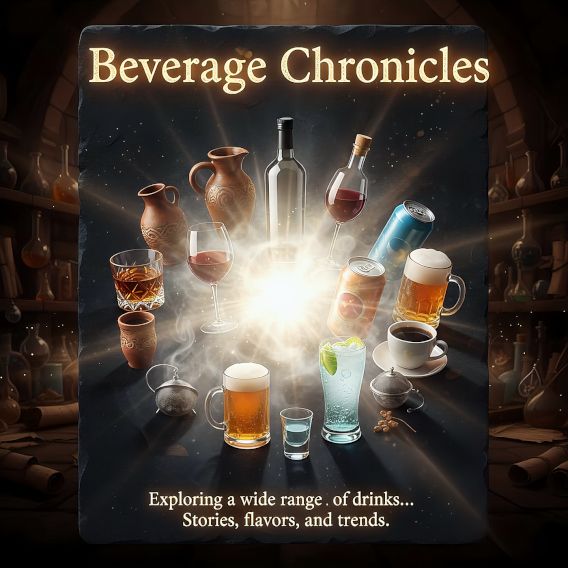

Beverage Chronicles with Gary Monterosso
Title: Smart Beer Buying, Can Innovation & Cocktail Classics
Unrefrigerated beer and the effects on quality
Canned beer has evolved from low-quality perception to the best format
for freshness and protection
How Public Relations help beverage brands grow
History of the Espresso Martini
Beverage Chronicles

Support my show
$5.99/mo or $9.99/mo
Click HERE
SUBSCRIBE TO TALK SHOW
Beverage Chronicles is the radio show that explores a wide range of drinks, both alcoholic and non-alcoholic. From whiskey, rum, vodka, and tequila, to ready-to-drink cocktails, wine, beer, flavor-infused seltzers, coffee, tea, and more. We bring you the stories, flavors, and trends behind your favorite beverage.
00:00
Speaker 1
(sound of beer pouring into glass) Make your weekend better at Buena Connection Brewing Company. Fresh craft beer, great vibes, and a tap room perfect for kicking back. Grab a pint, bring friends, and enjoy the weekend at Buena Connection Brewing Company. Go to buenaconnectionbrewing.com. Hi, everyone, and welcome to this week's episode of Beverage Chronicles. I'm your host, Gary Monteroso. Michelle Lamb will be along a little bit later on in the program. Beverage Chronicles is the show that presents all the latest beverage news to you, be it new product releases, reviews, interviews. We try to cover it all. Let's get started. Today, I wanna talk to you about why you should consider carefully before purchasing beer that is unrefrigerated. You see, choosing the, the ideal beer, you know, for a m- maybe a laid back gathering or a party, it's a top priority for many of us.
01:03
Speaker 1
When you head to the store to buy that beer, you'll notice that a lot of it is displayed on shelves rather than being chilled and many times, they have very attractive sale prices. Those shiny cardboard packs of 18 and even up to 30 cans of inexpensive beer might catch your eye but the bargain may not be as beneficial as it seems. You see, beers stored at temperatures above 38 degrees Fahrenheit are susceptible to oxidation which can lead to undesirable flavors and a decrease in carbonation. Therefore, we suggest you always select beer from the refrigerated section of your local outlet, whether it's a grocery store, liquor store, whatever. The beer's shelf life is significantly affected and who knows how long those beers have been left out. Although you must rem- remember that, uh, i- it's a myth that room temperature causes beer to become skunky, turn bad. That discounted pack may have saved you a few bucks but it could also mean sacrificing some delightful flavors.
02:18
Speaker 1
Now, if you're a fan of craft beers, keeping them cold is particularly crucial. Many craft breweries do not pasteurize their beers like larger manufacturers do. While many brewers believe this helps maintain a fresher taste, it also means that the beer is even more vulnerable to flavor loss when it's not stored correctly and has a shorter shelf life. So how can you determine if your beer has gone bad? Well, the most frequent problem you'll encounter with beer kept in a warm environment is oxidation. Oxygen is certainly essential for our survival, but it can ruin our favorite drinks. Every beer will oxidize even if it's in an unopened bottle or can. Now, this is due to a small amount of oxygen remaining during the packaging process. Allowing beer to sit at room temperature speeds up that oxidation. You can identify oxidized beer by noticing its smell and taste.
03:25
Speaker 1
The hoppy scent in an IPA, that's an India Pale Ale, will disappear and the malt character will shift from crisp and clean to musty, grainy, and even reminiscent of cardboard. No thanks to that. If your beer has a flat and papery taste, it means you have oxidized beer that isn't fresh on your hands. Now, I would hate for you to waste your hard-earned money on poor quality beer, so here's a few tips to ensure that you get a fresh and tasty product. You can always inquire with the store clerk about when your favorite beer is going to be delivered and plan on buying it as close as you can to that day. I can assure you that it's perfectly fine to ask. Additionally, consider purchasing beer directly from the local brewery if possible. The beer will always be fresh and they often have special releases that you won't find anywhere else. With, oh my gosh, about 9,700 craft breweries in the United States, you should be able to locate one nearby that offers a brew you enjoy.
04:40
Speaker 2
What is up, everybody? Rachel here, AKA Brews with Beerkoski, and I am here to talk to you today about some beer history. I'm a certified Cicerone and I am a historian, and today we're going to be talking about how packaging has changed beer forever. So, let's get nerdy. There was a time when canned beer was considered cheap, low quality, something you drank because you had to, not because you wanted to. But today, cans are the gold standard of craft beer and they've quietly revolutionized the way that we drink. The first canned beer appeared in 1935, just two years after Prohibition ended. Breweries were scrambling to rebuild and cans offered immediate advantages. They were lighter than bottles, easier to ship, cheaper to produce, and far less likely to break. At first, consumers were skeptical. Would the beer taste metallic? Would the cans explode? But convenience won people over very quickly. Then World War II accelerated everything.
05:50
Speaker 2
Cans were durable, portable, and perfect for soldiers overseas. Beer could travel farther than ever before, and canned beer became a fixture of American life.... but early cans had their problems. Sometimes linings inside the cans broke, which produced metallic flavors. But by the 1950s, modern coatings had solved this problem. From that point on, canned beer wasn't a compromise. It was a legitimate improvement. When the craft beer movement emerged decades later, many breweries resisted cans. Bottles felt premium, traditional, and serious. Cans were associated with mass market lagers, not artisanal beers. But science had other ideas. One of beer's biggest enemies is light, especially ultraviolet light. UV rays react with hop compounds and create a compound called 3-MBT, the chemical responsible for skunky or light-struck beer. This is an off-flavor that can develop within minutes. Brown bottles block most UV light, but not all of it.
07:04
Speaker 2
Green bottles block less, and you can probably guess it, clear bottles block none at all, which is why many clear bottled beers rely heavily on hop extracts designed to resist skunking. Cans, on the other hand, block 100% of UV light. No exposure at all, no light-struck flavors. And that alone makes them one of the best vessels for preserving beer freshness. Cans also seal more efficiently against oxygen, chill faster, and are safer at beaches, pools, concerts, and hiking trailheads. And they're infinitely recyclable, making them a sustainability win. Once craft breweries embraced cans, creativity exploded. Label art became bold and expressive, and beer traveled farther while staying fresher. Small breweries could distribute without fear of light damage or breakage. But here's the important caveat, and this part matters for drinkers. Even though cans are one of the best ways to store beer, beer should always be poured into a glass.
08:17
Speaker 2
Drinking straight from a can limits aroma, and aroma is a huge part of how we perceive flavor. Your nose plays a massive role in tasting hops, malts, and yeast, and all those fermentation characters. When you drink from a can, those aromatics stay trapped. So pouring beer into a glass releases carbonation, it lifts aroma, and allows your senses to fully experience the beer that the brewer intended. Cans protect the beer, but the glass unlocks it. So that familiar crack and hiss sound? It's not just convenience. It's the sound of innovation, science, and better beer. And when you pour that beer into a glass, you complete the journey, from packaging to palate, and exactly as it was meant to be enjoyed.
09:11
Speaker 3
Welcome back to Beverage Chronicles, where we pour the stories behind the spirits. I'm Michelle Lam, and today, we're breaking down exactly how public relations helps beverage brands grow, not in theory, but on a very real micro level. Whether you're launching a new label, entering a new market, or trying to stand out on a crowded shelf, PR isn't just about press. It's about positioning, trust, and visibility that converts. So let's uncork the key ways PR supports beverage brands, and I'll break each one down so you can see how it works behind the scenes. PR shapes your brand narrative, not just your product. On a micro level breakdown, well, the first one translates founder's story, heritage, and mission into media-friendly angles, following alignment, messaging across press, social, and sales decks. And finally, prevents inconsistent storytelling that confuses the market. Why it matters? Well, journalists don't cover products. Well, not only products. They cover stories.
10:29
Speaker 3
PR defines which story gets told. Thank you for tuning into Beverage Chronicles. For more PR tips and insights, submit your questions to michelle@brooklynnightmedia.com. This is your co-host, Michelle Lam, and until then, cheers.
10:46
Speaker 1
You heard our beer historian, Rachel Binkowski, with her report. Thank you, Rachel. Followed by Michelle Lam, with her public relations report. We have one more story for you, and then we'll wrap things up. I want to tell you about a drink called the espresso martini. This is a, uh, it's a contemporary classic that blends vodka, coffee liqueur, freshly brewed espresso, and simple syrup. It's become one of the most popular cocktails over the last 10 years, gaining worldwide fame, even though it's been around since the 1980s. This high-energy drink was invented in 1983 by British bartender Dick Bradsell at London's Soho Brasserie. Its story is one of the most referenced in cocktail history. As Bradsell reminisced, he had just completed a coffee training session with the bar staff when a tired American supermodel requested a drink that would, quote, "Wake her up and then F her up." Back then, the espresso machine was located right behind the bar....
12:01
Speaker 1
with coffee grounds scattered everywhere. Vodka was also the spirit of choice as it was what everyone was drinking. Initially named the vodka espresso and served on the rocks, the cocktail didn't achieve its now famous form until the late 1990s. While Bradsell was at London's Match Bar during the peak of the tini-trend, the drink was served in a V-shaped martini glass and the name espresso martini became established. Like any exceptional cocktail, the espresso martini relies on high-quality ingredients. A well-crafted vodka and coffee liqueur along with freshly brewed espresso are crucial. Bittersweet and intricate, the drink's charm lies in its harmonious blend of contrasting flavors. Bold coffee notes combined with a rich layered sweetness of the liqueur while vodka adds a, adds a clean, dry foundation. A hint of simple syrup balances everything and the vigorous shaking melds the components into a smooth, frothy texture.
13:12
Speaker 1
Both refreshing and luxurious, the espresso martini is perfect for starting a meal or enjoying throughout the night. Now, the ingredients include two ounces of vodka, a half ounce of coffee liqueur, one ounce of freshly brewed espresso, a quarter ounce of simple syrup, and three coffee beans for garnish. To prepare, add the vodka, the coffee liqueur, espresso, and simple syrup to a shaker filled with ice and shake until well chilled. Strain into a chilled cocktail glass then garnish with coffee beans. (rock music plays) And that's going to wrap up this edition of Beverage Chronicles. I hope today's conversation left you with a few new ideas, maybe a fresh perspective on your favorite drink, or a curiosity to try something new. Every beverage tells a story and sharing those stories is what keeps this journey so rewarding.
14:14
Speaker 1
If you enjoyed what you heard, be sure to follow Beverage Chronicles wherever you listen and don't forget to visit our website at beveragechronicles.com and also social channels for tasting notes, feature articles, and updates on upcoming events. Your support helps us keep exploring the wide world of beer, spirits, and beyond. Thanks for spending part of your day with me. I'm Gary Monterroso reminding you to raise a glass to good taste, good friends, and that craft that brings us all together. Until next time, stay curious and as always, drink responsibly.
14:52
Speaker 1
(rock music plays)