
Raising Expectations, March 16, 2026


Raising Expectations with Pastor Joe Schofield, Dr. Paul Hall, Stefanie Thayer, Dr. Craig Thayer, Pastor Ron Greer
Guest, Dr Jim Robbins - Geopolitical Shifts and the Future of Iran
Dear Friends,
This week on Raising Expectations we have Dr. Jim Robbins joining us again:
Join us for a special discussion with Dr. Jim Robbins of the Institute of World Politics in Washington DC. We will explore the issues and events surrounding the war with Iran, Washington politics, and the implications for the future under President Trump and his administration.
Dr. Robbins, an outstanding historian and Dean of Academics at IWP, Senior Fellow in National Security Affairs at the American Foreign Policy Council, and former special assistant in the Office of the Secretary of Defense, will share his expertise and insights.
Jim is a great man of Faith and has a God given ability to not only understand questions but to discern the heart of the person asking! I am often reminded of the sensitivity of C.S. Lewis with Dr. Robbins.
Find out more about Dr. Jim work at his institute's website: www.iwp.edu
In this episode of Raising Expectations, host Joe Schofield and his team sit down with historian and academic dean Jim Robbins to discuss the shifting landscape of Middle East diplomacy, the strategic use of energy markets, and the ongoing challenges to American national security. The conversation highlights the potential for a "new world" in the Middle East through regime pressure and economic leverage.
Strategic Perspectives on the Middle East
The discussion centers on four critical issues currently facing the administration in the Middle East: the ongoing conflict with Iran, the stabilization of oil markets, the pursuit of the Abraham Accords for regional normalization, and the long-term redevelopment of Gaza. Jim Robbins emphasizes that the primary goal is to return to a period where Iran acts as a strategic partner rather than an adversary, noting that before the 1979 revolution, Iran maintained strong ties with both the United States and Israel. The current strategy involves maintaining pressure to eventually defund regional proxies like Hezbollah and Hamas, which rely heavily on Iranian oil revenue.
Economic Leverage and Global Security
A significant portion of the dialogue focuses on the "drill, baby, drill" energy policy as a tool for national security. Robbins argues that lowering oil prices serves a dual purpose: it eases domestic inflation for American consumers and simultaneously cripples the Iranian economy. Historical data suggests that when oil prices drop toward $52 per barrel or lower, the Iranian regime loses its ability to fund its nuclear program and global terrorism. Furthermore, the participants discuss the internal "crisis of legitimacy" in Iran, where a younger, digital-native population increasingly rejects theocratic control in favor of Western-style freedoms and prosperity.
Regarding domestic safety, the panel expresses concern over "lone actor" terrorist threats. Robbins notes that while the administration has been successful in targeting high-level leadership abroad—disrupting their ability to coordinate large-scale attacks—the presence of unvetted individuals within the U.S. remains a high-risk factor. The conversation also touches on a new "War on Fraud" initiative aimed at uncovering the destination of approximately $2 trillion in funds dispersed during the COVID-19 era.
The episode concludes with a call for national resilience and strategic patience. By combining economic pressure through energy markets with a firm stance on border security and domestic oversight, the speakers envision a future where both American interests and Middle Eastern stability are significantly enhanced.
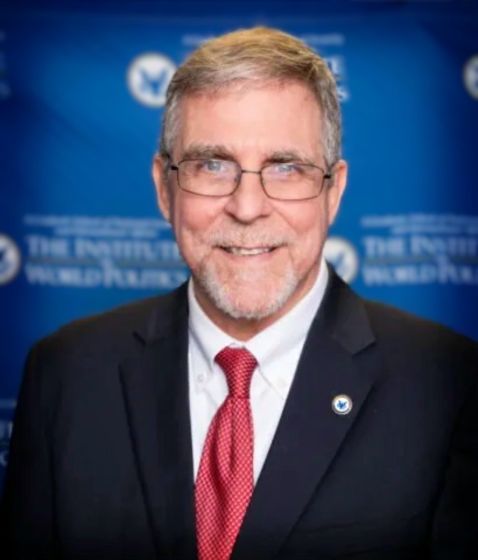
Guest, Dr James S Robbins

James S. Robbins (born 1962) is an American commentary writer for USA Today and Senior Fellow for National Security Affairs on the American Foreign Policy Council. He is the former Senior Editorial Writer for Foreign Affairs at the Washington Times, an author, political commentator and professor, with a focus on national security and foreign and military affairs.
James S. Robbins is a columnist for USA Today, Senior Fellow for National Security Affairs at the American Foreign Policy Council and a member of the advisory board to the National Civil War Museum. Formerly, he was an award-winning editorial writer at the Washington Times, professor at the National Defense University, and special assistant in the Office of the Secretary of Defense.
Dr. Robbins holds a Ph.D. from the Fletcher School of Law and Diplomacy at Tufts University. His books include Erasing America: Losing Our Future By Destroying Our Past (2018), The Real Custer: From Boy General to Tragic Hero (2014), This Time We Win: Revisiting the Tet Offensive (2010) and Last in Their Class: Custer, Pickett and the Goats of West Point (2006).
Dr. Robbins’ books include The Real Custer: From Boy General to Tragic Hero (Amazon #2 in Military Biography), Native Americans: Patriotism, Exceptionalism and the New American Identity (Amazon #1 in Nationalism), This Time We Win: Revisiting the Tet Offensive (Amazon #1 in American Military History and Vietnam War History) and Last in Their Class: Custer, Pickett and the Goats of West Point.
Dr. Robbins has appeared on hundreds of national and international television and radio programs, including on Fox News, CNN, CNBC, MSNBC, and CSPAN among others. His articles and commentaries have appeared in USA Today, The Wall Street Journal, and more.
Dr. Robbins’ awards include the Chairman of the Joint Chiefs of Staff Joint Meritorious Civilian Service Award, the Maryland-Delaware-D.C. Press Association Division A, First Place award for editorial writing, and the U.S. Department of State Secretary’s Open Forum Distinguished Public Service Award.
Dr. Robbins holds a PhD and Master of Arts in Law and Diplomacy from The Fletcher School of Law and Diplomacy, and a Master of Arts and Bachelor of Arts Cum Laude with High Honors in Political Science from the University of Cincinnati.
Raising Expectations


Donation-Gift procedure: Raising Expectations
1. Go to website: bbsradio.com/RaisingExpectations and click on the donation button
2. Fill in CARD ONLY - Billing Address
3. Do not create a PayPal account ( turn OFF )
4. It will then slide in a DONATE NOW button
5. Will send you a receipt!
Raising Expectations is a that looks at the past, giving greater insight into the present, and may produce authentic anticipation, raising expectations for the future! Joe will discuss major issues that confront us on national, political, and worldwide events, to the simple things that we think about and make unconscious personal decisions every day!
Freedom, Family, Finances, Faith, along with a myriad of other topics and all the intricacies involved in each of them...from a personal community perspective, that makes up what we call "Your Life in America Today!"
Informative, inclusive, intentional, interesting, and always encouraging. Each program will raise our expectations individually. We may begin looking at the future in a positive way, happy to try new ideas and methods with clear hopes of how things can change for the better in the future. Feeling more content, one topic at a time! So, let not your hearts be troubled...we can go from good, to better, to best in the future TOGETHER!
[00:00] Speaker 1: (Instrumental music plays) Everyone faces questions and decisions that require insight and answers as we move forward personally, professionally, and corporately in all areas of this thing we call life in America today. Hello, this is Joe Schofield and I invite you to tune in every Monday evening from 6:00 to 7:00 PM as we talk together and hear from key leaders of all ages and backgrounds about your questions. Interesting, informative, intuitive, but always encouraging. Tune us in on BBS Radio Network.
[00:51] Speaker 2: Join Pastor Joe and co-hosts Ron Greer, Dr. Paul Hall, Stephanie Thayer, and Dr. Craig Thayer in Raising Expectations.
[01:04] Speaker 1: (Instrumental music plays) Hey, good evening, ladies and gentlemen. It's Monday night, and it's Raising Expectations night. And we're so glad that you tuned in tonight to be with us. Uh, we have a really great guest tonight and so many of you have been talking to me about that and you're excited, so we're gonna get right on with the show tonight. Uh, you know we're all believers. We believe that Jesus is the son of God, died on the cross for our sins, and that gives us a blessed assurance like the old hymn says. And that also tells us that He's with us each and every day all along the way, and that when we come to our time to leave this world, we know where we're going. So, we hope that you know Jesus. He will raise your expectations and everything that you look at in life. He's already getting the steps ready for you. So again, tonight we're excited to be with you.
[02:12] Speaker 1: Raising Expectations covers the width of the nation and we have people each week, those of you in Rwanda and Pakistan and other places that have been getting a hold of us, Uganda, we are so thankful that you are tuning in. And we wanna go quickly tonight to our, to our team. You know us, but just in case you're looking tonight, if we go to the West Coast, all the way to Lompoc, California, there's Dr. Paul Hall who is with us. Dr. Paul is a retired pastor. He's a counselor, he's a, he's a writer, he's a man of God, he's somebody that everybody loves. And the more you get to know him, well, the more you'll r- know why everybody loves Paul. We've been friends a long time. So, how you doing, Paul? Are you good?
[02:51] Speaker 3: Good, thanks. Good to see you.
[02:53] Speaker 1: Well, all right. Good to see you too. We're gonna join all the way, get together and go to the East Coast, actually the south part of the Ea- East Coast there, so that we can find Dr. Craig and Stephanie Thayer there in Dalton, Georgia, which is not too far from Atlanta, just up the coast there. And Stephanie and, and Tank are two of the most wonderful people like Paul you'll ever meet. Uh, Stephanie is a health specialist, she's a businesswoman, she's a counselor who helps people in so many ways. Ladies, look to her because she's their friend. And, uh, the love of the Lord just shines through these people. Uh, of course, on her left there is one of the almost finished products she works on.
[03:32] Speaker 4: (laughs)
[03:32] Speaker 1: That's her husband right there. That's Dr. Craig Thayer. And Craig is a surgeon. Uh, he's a man of God who walks with the Lord, and he's the man that everybody looks up to. Um, he ... They've been, done mission work together in medicine, in business in the Caribbean and Africa. And, uh, most of all, he's a great coach, a great water polo coach. And they got two boys that are just really swimming in the pool, uh, taking the w- water out of the pool, doing so great for their schools. And of course, Craig is a referee, so, uh, that's pretty exciting to see what's happening there. He's the old pro that taught them what to do, right Steph?
[04:06] Speaker 4: Mm-hmm.
[04:06] Speaker 1: So it's good, (laughs) good to see you guys. I'm sure glad that you're with us tonight. And, uh, in Texas, we, uh, we have a, a wonderful fellow, Pastor Ron Greer. And, uh, he's with Man in the Mirror in Georgia, as you know. Ron won't be with us tonight. We invite you to look to our website, bbsradio.com/raisingexpectations. And that's where you can get a look at right now. We had Dr. Schuler's daughter, uh, um, Coleman with us last week, Sheila Coleman. And, uh, you'll see the different programs that are here. You'll see Jim there, Dr. Jim Robbins. He's just a favorite with all of you, I know. And, uh, he, you'll see some of his work there. And also, you see about the people that make up the team here, and you'll want to follow and get ahold and let them know that you appreciate them and they'll do a lot more. There's Jim right there with us tonight. So, uh, we want to save the best 'til last, because last week, I almost forgot, I wanted to introduce this lady on my right, my wife.
[05:03] Speaker 1: (laughs) Got it, huh, Steph?
[05:04] Speaker 4: There's no need for trouble. (laughs)
[05:04] Speaker 1: This week, I want you ... That's right, that's right. So, I got her right here. This is, uh, the, the joy of my life right here. She's a wonderful lady. Got her, uh, degree in college where Paul and I went and, and were together back in Texas, uh, back in the '70s. And she, uh, got her master's degree from Southwestern Baptist Theological Seminary in, uh, children's education, counseling, and working with families. So, she does an outstanding job. That's why she understands me so well, she's used to working with children. But anyway, moving, (laughs) moving right along. That works, huh?
[05:35] Speaker 4: Yeah.
[05:37] Speaker 1: (laughs)
[05:38] Speaker 4: We did good.
[05:38] Speaker 1: Hey, we're good, huh?
[05:38] Speaker 4: Yeah.
[05:39] Speaker 1: All right. So, moving right along.
[05:42] Speaker 4: You're gaining points.
[05:43] Speaker 1: Whoa, I'm gaining points? All right, thanks Steph.
[05:44] Speaker 4: No. (laughs)
[05:45] Speaker 1: (laughs) Good work there. Uh, so anyway, tonight, uh, we, we don't know where you're looking in from, but whatever burden you're carrying, any questions, any insights, thoughts you might have, you can always follow us, uh, on all the spaces that you've seen there, bbsradio.com/raisingexpectations. You can go there immediately. And you know we're on many other ones live right now, from YouTube to, a bunch of them. There's five platforms. So, um-This is the best one, VBS. So, what we wanna do right now is we wanna welcome and get right to our special guest. He is a very, very special man, and a somebody that you are really going to enjoy once again hearing. Jim Robbins. I, I call him Dr. James Robbins, he says it's Jim. He's that kind of a man. He's a, he's I guess, the best historian that there is in America today, particularly when it comes to, uh, the Battle of Gettysburg and what our nation went through. He's with the Institute of World Politics.
[06:44] Speaker 1: He's the dean of academics, a senior fellow. You see the things that he has done, uh, in helping in the government and helping students, people who are working to come through in this institution here is kind of R- Ronald Reagan's dream, if I have the story right, but, uh, years back. And, uh, they're doing an incredible job training people to remember who we are, why we are, what we can do, and how God placed us in this world.
[07:08] Speaker 1: So, you all
[07:09] Speaker 3: (laughs)
[07:09] Speaker 1: ... want to look that up and make graduate studies at, uh, the IWP institute there of World Politics, something that you want to be a part of and maybe see, and, and spread the good word about what he does there. Look it up and make sure you follow through. Many of you have already told me, "Boy, I enjoyed looking at that website." So, uh, pray for Jim. Pray for the students that are there as we pray for our nation. So, having said that, we're gonna move right along. We're gonna miss Ron tonight. Ron Greer, as you can see, can't be with us tonight, but he'll be back. And, uh, so he's down in Dallas, Texas. So, we're gonna go ahead, uh, and, uh, begin. And we want to give Jim the round of applause. And Jim, welcome. You're part of this family. Welcome to Raising Expectations. Thanks for being with us.
[07:53] Speaker 3: (laughs)
[07:53] Speaker 1: I understand you have been just about with everybody and I can hardly believe, we all believe, like Paul was sharing, and Dr. Hall, that you must be (laughs) a little bit tired with so much going on. And I know, like we and like our people, we really are interested in what you feel and what you see and what you think is happening with everything in the, in the world today. So Jim, welcome. Uh, maybe you could just give a little prologue in what's been happening, maybe the biggest questions you've been facing, and we're with you. Thank you, sir.
[08:23] Speaker 5: Well, hey Joe. Hey, everybody. Uh, thank you for that really wonderful introduction. I don't know if I'm the most important historian, (laughs) but-
[08:31] Speaker 1: Oh, we think so. (laughs)
[08:33] Speaker 3: (laughs)
[08:33] Speaker 5: But I, you know, if, if I'm on your list, then that's a great place to be. So, I'm happy to hear that. Um, yeah. Um, I've been just busy doing stuff with the school and, and in the media. Um, you know, with respect to our school, right now, there are three of our people, either graduates or former faculty members, who are on the National Security Council right now.
[08:58] Speaker 3: Mm-hmm.
[08:58] Speaker 5: And, you know, no doubt helping out with what's going on overseas. And we have a couple of high-placed graduates at the Pentagon who have been working on war planning.
[09:08] Speaker 1: Wow.
[09:09] Speaker 5: So we're, you know, we're really proud of that. If they're able to, to take what, what they learned at our school and put it into practice, uh, we're, we're extremely happy about that. So, um, yeah, that's, that's a cool thing for us.
[09:24] Speaker 1: Neat.
[09:24] Speaker 5: And, um, you know, uh, yeah. I've just been, you know, doing my usual thing, teaching, writing. Uh, a lot of, a lot of media lately. Uh, I do a, a couple of things every day. You know, this is another one, although, you know, here it's among friends. But, um, you know, uh, I'll be on Newsmax tomorrow at 6:00 in the morning, if anybody's up at that hour. (laughs)
[09:48] Speaker 1: (laughs) That's great.
[09:49] Speaker 5: Um, you know, I was... I've been on Fox recently and, and, uh, NewsNation and One America News and, uh, you know, other, other places try- just trying to get the word out about what's going on and, and my take on things. So, I'm really happy to be here tonight to share all that.
[10:08] Speaker 1: Oh, that's great. Uh, who has a question or statement? Paul, you had some things you were like-
[10:15] Speaker 2: Like profound knowledge and the extent that you know and things that you can relate to and relate to us about is incredible.
[10:27] Speaker 1: Yes.
[10:29] Speaker 5: About what? Sorry, I didn't get it all.
[10:31] Speaker 2: Oh, just the... Your, your extent- your extensive knowledge of the entire kind of world history, American history, um, what's going on currently, your, your contacts and, and just the extent of your knowledge that you convey to us every time, it's just, uh, u- unimaginable to me, so...
[10:50] Speaker 1: Amen.
[10:51] Speaker 5: Oh, great. Thank you. I appreciate that.
[10:53] Speaker 1: That's, that's right. Well, I've got some questions, but I know all of you have some questions or thoughts that he could, uh, give this great insight in. Who'd like to ask first?
[11:05] Speaker 3: Hey, Jim. What, what do you consider the, maybe the three or four biggest things facing the administration right now regarding the Middle East? What, what, what are the big decisions they're, they're really having to look at?
[11:20] Speaker 5: Well, the ongoing war with Iran, I would say (laughs) is a pretty huge one. Um, particularly keeping everybody calm and, and being able to let the, let the plan unfold because, you know, we're two weeks into this and people are saying, "Well, we don't want a forever war." It's like, "Well-"
[11:39] Speaker 3: It is.
[11:40] Speaker 5: "... you know, give it some time, uh, to happen." So, um, and then with the oil markets and that, uh, you know, the whole Strait of Hormuz issue and, and I think that, that they will take care of that. But it's also good to put in perspective that if you have oil around 100, and, and today it didn't go up again, last I saw it actually went down a little bit 'cause there was some fear-
[12:07] Speaker 1: Mm-hmm.
[12:07] Speaker 5: ... that, that after the weekend stuff, that on Monday, like, it would spike again, but it didn't. Um, you know, oil prices right now are below what they were in 2022.
[12:17] Speaker 1: Oh, my.
[12:18] Speaker 5: ... uh, you know, (laughs) uh, under Biden and, and, uh, they're below, uh, even further below what they were from, like, 2011 to 2014 under Obama when we had really bad energy policies.
[12:31] Speaker 1: Yes.
[12:31] Speaker 5: So I guess, w- you know, my point is that, that, you know, those bad policies drove up oil, like, for real, not just, like, a temporary spike. And we, we kind of got used to the Trump's pro-energy drill, baby, drill-
[12:48] Speaker 1: Yeah.
[12:48] Speaker 5: ... you know? That, that kind, those kind of oil prices where it brings it down. So now it goes up to, you know, Obama level pr- uh, oil price, even below that actually, and, and people are, you know, upset. Well, so again, get some perspective. Uh, they're only upset because they're used to what Trump already did.
[13:10] Speaker 1: Hmm. Yes.
[13:11] Speaker 5: And, I mean, it's not ideal. But anyway, that... So that, that part of the war, that's, that's part of Iran's economic strategy to make this war painful for us and for countries in the Gulf and other countries. So, um, that, that's a problem that we have to fix. But it's also interesting to me how the Iranians are actually... They are letting ships through the strait if they're going to India or China-
[13:36] Speaker 1: Yeah, but-
[13:37] Speaker 5: ... or other, other friendly places. And so, even they don't wanna cut off all the oil, right? We don't wanna cut it off and they don't wanna cut it off because that's where they get their money from.
[13:48] Speaker 6: Mm-hmm.
[13:48] Speaker 5: So it's kind of a funny war in that respect. Um, so that's one issue for the Middle East. Um, I think the, uh, the Abraham Accords is another, like, trying to pursue that normalization.
[14:03] Speaker 1: Yes.
[14:03] Speaker 5: And, you know, this can be part of that because if you can imagine a world in which the United States, Iran, and Israel are all allied-
[14:13] Speaker 1: Yes.
[14:13] Speaker 5: ... imagine that world, and then-
[14:15] Speaker 1: Mm-hmm.
[14:15] Speaker 5: ... the rest of the countries in the region also sort of normalizing. I mean, we've, we've gotten so used to how bad it can be over there for the last almost 50 years-
[14:27] Speaker 1: Mm-hmm.
[14:27] Speaker 5: ... that we forgot that in the past, Iran was our friend.
[14:31] Speaker 1: Mm-hmm.
[14:32] Speaker 5: And our ally-
[14:33] Speaker 1: Yes.
[14:33] Speaker 5: ... and strategic partner. You know, the Shah was a great partner of ours. So if we can get back to an Iran that is a strategic partner of the United States and pro-Israel like Iran used to be, you know, i- it's gonna be a whole new world over there. It... W- we won't have to be worrying all the time about Middle East terrorism, Middle East, you know, war, Middle East stability. It'll be great. So imagine that. Um, then I think another issue is the, um, what's happening with the Gaza redevelopment. The peop- Gaza's kind of fallen off the radar screen. No one's talking about it.
[15:09] Speaker 1: Yeah. (laughs)
[15:10] Speaker 5: Um, but presumably, the plan with the Peace Council and, and the, uh, ideas that Jared Kushner laid out with respect to the future of, like, building this wonderful new terrorist-free Gaza, uh-
[15:25] Speaker 1: Mm-hmm.
[15:25] Speaker 5: ... with a lot of foreign investment, I mean, presumably that's moving forward. So-
[15:29] Speaker 1: Mm-hmm.
[15:30] Speaker 5: ... you know, imagine having beachfront Mediterranean property. I mean, I could use a cottage, right? (laughs)
[15:37] Speaker 6: (laughs)
[15:38] Speaker 1: (laughs) Yes.
[15:38] Speaker 5: You know, maybe you could too.
[15:40] Speaker 6: (laughs)
[15:40] Speaker 5: So, um, you know, who knows? But, but, um, I think that hopefully that'll go forward and we won't have to worry about Hamas or any of that, any of that stuff anymore. And, um, then for... Well, I guess the fourth issue would just be like cleaning up whatever residual stuff there is. I mean, if-
[16:03] Speaker 1: Mm-hmm.
[16:03] Speaker 5: ... when Iran goes away, a lot of the funding for bad guys is gonna vanish.
[16:08] Speaker 1: Hmm.
[16:08] Speaker 5: And, and so, you know, God willing, it goes away. So, you know, militias in Iraq or, or ISIS still operating in Syria or the Houthis doing what they do or, you know, what's left of Hezbollah in Lebanon, like, all these people are gonna suddenly be defunded. And won't that be great? Then-
[16:30] Speaker 1: Yeah.
[16:30] Speaker 5: ... just the whole thing can settle down and, you know, imagine a Middle East that's safe and prosperous and becomes a good trading partner, good strategic partners with us. It'd be like a whole different world. We wouldn't-
[16:44] Speaker 1: Amen.
[16:44] Speaker 5: ... you know-
[16:44] Speaker 6: Yeah.
[16:44] Speaker 5: ... ever since the Carter administration that, or, or maybe even earlier, but particularly since then, that, that region has just been one thing after another. Wouldn't it be great if it wasn't?
[16:57] Speaker 1: Yes. Amen.
[16:59] Speaker 5: Yeah.
[17:01] Speaker 6: You know, I, I'm ignorant to this whole being an ally with Iran, so I just Googled it really quickly and it said-
[17:10] Speaker 1: Yeah.
[17:10] Speaker 6: ... 1953 to 1979. Well, I'm born in 1980. I have never heard that we had good relation-
[17:19] Speaker 1: (sighs)
[17:19] Speaker 6: ... with Iran. Wouldn't that be lovely?
[17:23] Speaker 1: Amen. (laughs)
[17:25] Speaker 5: (laughs)
[17:25] Speaker 6: Yeah.
[17:26] Speaker 5: Yeah. Not to mention, uh, Iran having good relations with Israel.
[17:31] Speaker 1: Yes.
[17:31] Speaker 5: I mean, people forget that-
[17:33] Speaker 6: Yeah, he says that we're together. And I'm like, "What are you talking about?" (laughs)
[17:36] Speaker 1: (laughs)
[17:36] Speaker 5: Yeah.
[17:37] Speaker 6: That would be amazing.
[17:37] Speaker 5: That's right.
[17:38] Speaker 2: How many days did they have the hostages? Was it, like, in the 400s, I think?
[17:43] Speaker 1: 447.
[17:45] Speaker 2: It's crazy.
[17:48] Speaker 1: Yeah. What, what do you think about what, uh, Hezbollah is trying to do? Are they significant or are they just firing their last gasp? Are they, uh, coming up with these cluster bombs or somebody feeding them, like, uh, Russia or China or somebody? (...)
[18:06] Speaker 5: Well, it's kind of, it's kind of last gasp for them because, I mean, they already suffered a pounding from Israel going back to the Beeper operation where they killed most-
[18:16] Speaker 1: Yes.
[18:16] Speaker 5: ... of their leadership.Their, um, their friends in Syria, the Assad regime went away, and they used to give them strategic depth and help and everything else and not anymore. Now-
[18:29] Speaker 1: Yeah.
[18:29] Speaker 5: ... their client, Iran, is getting punished, so-
[18:33] Speaker 1: Mm-hmm.
[18:33] Speaker 5: ... I doubt the sacks of money are showing up on a regular basis. And-
[18:37] Speaker 1: Mm-hmm.
[18:38] Speaker 5: ... um, you know, Israel has continued to mount military operations against them, and the Lebanese government is finally saying that Hezbollah must disarm and has to stop being a, a source of destabilization in their country.
[18:53] Speaker 1: Yes.
[18:54] Speaker 5: I mean, you know, it's about time they stood up because they've always kind of had to deal with it. Like, they knew that Hezbollah was too strong. Well, it's not so strong anymore. So, um-
[19:05] Speaker 1: Yeah.
[19:05] Speaker 5: ... yeah, I think it's kind of last gasp on their part. And again, if, if Iran goes away, you know, Hezbollah is defunded. I mean, it, this all goes back-
[19:17] Speaker 1: Yeah.
[19:17] Speaker 5: ... to Iran's energy money. You know, the money they get from selling oil to China and that money is converted into terrorism and nuclear weapons, so, you know. Let's, let's change that.
[19:30] Speaker 1: (laughs)
[19:30] Speaker 2: I read somewhere that if you lowered the oil price to $52 or less, you would have shut down Iran.
[19:39] Speaker 5: Yeah.
[19:40] Speaker 2: What a number.
[19:40] Speaker 5: Yeah, let's do it.
[19:42] Speaker 2: Oh.
[19:42] Speaker 5: I mean, low oil prices are great for a lot of reasons, and that's one of them, definitely. And then it, it lowers prices here, not just gasoline, but, but everything because oil is behind, you know, transportation and energy and everything else. So, um, you know, it just, it, it lowers prices throughout the system. So the lower, the lower we can go with oil prices, the better. I mean, Trump can get them so low that it won't even be profitable to be in the energy business anymore. So, you know, we kind of have to watch out for that. But, but yeah, get them... Get oil prices back down to, you know, $40 or something, whatever they were in, in the Trump first term. I mean, he had some pretty low oil prices in the first term.
[20:31] Speaker 1: Hmm.
[20:31] Speaker 5: So if we can get back to that, that'd be fantastic.
[20:36] Speaker 6: In an ideal scenario, how, how would you see this working out with Iran? What happens?
[20:44] Speaker 5: My ideal scenario is they have a revolution and they-
[20:47] Speaker 1: That's-
[20:47] Speaker 5: ... overthrow their government and put in a pro-US government. Uh, I would love to see that. I know that the president didn't make that a war aim because you don't want to be responsible for that. Also, if we say that's our war aim, then the people in Iran might say, "Oh, good, the Americans will come and do it for us."
[21:06] Speaker 1: Exactly, yes. (laughs)
[21:07] Speaker 5: Right. Which we're not going to do. And even the Israelis are kind of pouring cold water on the idea lately, um, which is too bad because if the regime survives, and I don't care who the leader is, um, they're going to go right back to doing all the bad things that we don't want them to do. And they can sign an agreement or say whatever they want, but they're going to... They're still going to do it with the added motive of revenge, because we took out their supreme leader.
[21:38] Speaker 1: Yes.
[21:38] Speaker 5: And, you know, there's this weird American conceit that, that we can, like, bomb people and they won't get mad.
[21:49] Speaker 1: Yeah. (laughs)
[21:49] Speaker 6: (laughs)
[21:49] Speaker 5: Like, like, "Oh, you know, we're just going to bomb you a little bit and then we'll go back to negotiations and sign a deal." Well, yeah, you might sign a deal, but you think they're going to honor that deal? You think they're not going to be looking for revenge? I mean, and particularly this part of the world, I mean, revenge is a way of life so-
[22:07] Speaker 1: Yeah.
[22:07] Speaker 5: ... um, we can't... I, I mean, I don't know what... who they're trying to talk to and that's why the president says, you know, they keep dying and, and he doesn't know who to talk to. But whoever he's talking to, um, and particularly if it's the IRGC or, or the new supreme leader, they will never make a deal in good faith with us.
[22:29] Speaker 1: Mm-hmm.
[22:29] Speaker 6: Mm-hmm.
[22:29] Speaker 5: They, they won't even make... I mean, at least right now, they're saying they won't talk to us at all, which at least is-
[22:35] Speaker 1: Yeah.
[22:35] Speaker 5: ... honest on their part. But once they start talking and say, "Sure, we'll, you know, give stuff up," don't believe it. They're, they're lying because they, they won't be happy... Well, they won't be happy ever, but they really want revenge and I'm afraid that's going to be directed at President Trump and his team. But, um, you know, they have pretty good security, so...
[22:59] Speaker 1: Yeah, yeah. That was, uh, that was an issue for the last term also. They've been doing that for quite a while. (clears throat) Do you think that, um, the supreme leader being, uh, taken out, that Iran could get enough of the people that remember the days of the Shah and remember the things that happened? There was one gentleman I saw today that, uh, actually used to be in charge of our naval, uh, exercises through the Middle East, uh, but he went to high school. His family was in Iran when the Shah was there and he became the major... I bet you probably know him, Jim. I can't think of his name. He was really sharp. But in thinking about that, the people would have an awful lot to do because everyone is marked, they have no guns. I heard somebody say World War II, the Japanese, Yamamoto, actually said, (laughs) "We can't go onto the West Coast because Americans are armed. They all have guns." They were watching Westerns probably.
[24:01] Speaker 1: But in any event-
[24:03] Speaker 5: Hmm.
[24:03] Speaker 1: (laughs)
[24:03] Speaker 5: (laughs)
[24:03] Speaker 1: ... nobody is armed in Iran so how would that go about? And, uh, that would have to be... They can't take to the streets. Uh, that would be something interesting.
[24:14] Speaker 5: Well, there are weapons there, but they're... I mean, they're controlled by the regime, but they're in stockpiles. I mean, if there's a way to arm people by taking the guns away from-... their oppressors and turning them back on them. That might be one approach. I mean, it's, it's obviously difficult because the regime has organization and firepower and whatnot, and you'd really have to work at it.
[24:39] Speaker 1: Yeah.
[24:39] Speaker 5: And I hope that there's some kind of a plan that someone's working on, whether it's the Israelis or us or somebody. I, I just, I just can't believe that we would just kind of say, "Okay, fine. You know, we'll, we'll end the war." But when President Trump says things like that, you, you always have to wonder, is he... Well, is he just, uh, you know, deceiving them? You know, he doesn't telegraph anything about what he's gonna do. In his, in his press availability today, he's, like, saying, "Yeah, I could end the war. We could end it quickly." Is he, is he just trying to create some false impression amongst the bad guys, or, you know, we just don't know. So, I mean, th- this administration is very tight. They keep everything under wraps. And when the president does speak and people say, "Oh, he contradicted himself," yeah, 'cause he's trying not to give anything away. That's why.
[25:33] Speaker 5: So, um, I mean, we just have to wait and see, but I, I would really hope that we have some extremely smart people trying to figure out how do you exploit the cracks in the regime, wherever they are.
[25:48] Speaker 1: Yes.
[25:49] Speaker 5: 'Cause, you know, every day-
[25:50] Speaker 1: (clears throat)
[25:50] Speaker 5: ... they're dropping bombs on something and we don't know... exactly know what it is, but I tend to think it's, like, leadership people and stuff, like, you know, they don't wanna die, so-
[26:01] Speaker 1: Mm-hmm.
[26:01] Speaker 5: ... maybe we can get this to stop if we negotiate. But then the hardliners say no, so there, right there, there's a fissure.
[26:08] Speaker 1: Oh, yes.
[26:08] Speaker 5: If you can-
[26:09] Speaker 1: Yeah.
[26:09] Speaker 5: You know, if you can get in there and, and somehow split it apart, that would be very good.
[26:17] Speaker 1: Well, I'm just gonna say one more thing and punt the ball to everybody. But, uh, it came up a while ago, something that might discredit the hardliners was on Newsmax this evening. And, um, and that is, the word is out, supposedly b- by Israeli sources, that the new, um, leader of, of Iran is a homosexual. Hmm And if that's the case, that's going to be very difficult to try to (laughs) work with Mm-hmm
[26:47] Speaker 5: Yeah, that's pretty funny.
[26:50] Speaker 1: On their part. (laughs)
[26:50] Speaker 5: (laughs)
[26:51] Speaker 1: (laughs) Yeah. (footsteps)
[26:52] Speaker 5: I mean-
[26:53] Speaker 1: The effect of-
[26:53] Speaker 5: ... the irony, right?
[26:55] Speaker 1: Yes. (laughs)
[26:55] Speaker 5: Considering that they hang gays from cranes.
[26:58] Speaker 1: Exactly. (laughs) Mm-hmm.
[27:00] Speaker 5: You know? Are they gonna change that policy? I mean-
[27:04] Speaker 1: Uh, yeah.
[27:05] Speaker 5: Yeah. So, um, yeah. That... I mean, that, that's, that's just so funny. And-
[27:11] Speaker 1: (laughs)
[27:12] Speaker 5: ... 'cause, u- you know, where you had, um, where you had Ahmadinejad, you know, the previous president, saying that there's no homosexuality in Iran. You know, and he was kind of mocked for that. But he... but, you know, he said, "No. Uh, there's... There is none." He was very adamant. Well, and now, here's your supreme leader, so he may have to amend his remarks on that one.
[27:35] Speaker 1: A little bit there, yeah. (laughs)
[27:37] Speaker 5: Yeah.
[27:39] Speaker 1: Paul, y- what are you thinking?
[27:40] Speaker 3: Yeah, boy. Listen, Jim-
[27:42] Speaker 5: (laughs)
[27:42] Speaker 3: ... I think it'd be so much fun to sit down across the table from you and just listen.
[27:49] Speaker 1: (laughs)
[27:49] Speaker 3: Uh, you know, uh, because-
[27:50] Speaker 5: Well, that's what we're doing.
[27:51] Speaker 1: (laughs)
[27:51] Speaker 3: I know. We... Well, kind of, sort of yay, yay for digital. But, um, uh, I, um, I remember a statement that you made on a previous, uh, visit with us. You talked about, uh, a, a crisis of legitimacy, okay?
[28:06] Speaker 5: Mm-hmm.
[28:06] Speaker 3: Um, uh, and I was, I was doing a little research on that today and trying to dig into that a little bit. It, it appears... From the article I read, it appears that there, there w- Obviously, because of the protests that we see, there was a divide, uh, that was really beginning to open up in Iran. The younger, the younger population was really beginning to have some serious issues with the, with the ayatollahs and the...
[28:35] Speaker 3: et cetera, et cetera-
[28:36] Speaker 5: Mm-hmm.
[28:36] Speaker 3: ... and things like that. Um, there was one young, young woman who was quoted. She says, "I just want to live a peaceful, normal life." And, uh, I-
[28:45] Speaker 5: Yeah.
[28:45] Speaker 3: ... I think as, as we think about that, um, you know, that crisis of legitimacy, uh, the articles seem to point towards that the ayatollahs, uh, the supreme leader was really out of touch with the pop- the population, uh, and really didn't have any desire to get in touch with the population.
[29:04] Speaker 5: Mm-hmm.
[29:04] Speaker 3: He just wanted control. Can you speak to that a little bit? Uh, if that makes sense as a question.
[29:10] Speaker 5: Yeah. I mean, if you look at, look at Iran and their demographics, I mean, most of the people there were born after the time of the Shah. I mean, overwhelming majority.
[29:20] Speaker 3: Yeah.
[29:20] Speaker 5: They don't know anything about those times. And in fact, those times were pretty good by comparison. So now, when you have younger people, you know, born in the last 20 years or 25 years and th- you know, who are digital natives and they have, they have access to the internet or they did before Iran turned it off. And they can, they can look stuff up and see a past where, you know, women can dress however they want, where, you know, there was prosperity, people looked happy, there w- Didn't have these religious police in- nosing into your business and, and, you know, beating you with sticks and... Or worse in, in some cases.
[30:00] Speaker 1: Exchanging them, yeah.
[30:01] Speaker 5: And, um, you know, they, they say, "Well, what the heck? Why can't we live that way?" And I, I think that that's the... Most of the people who are younger, they don't want the government that they have and they don't think it's legitimate. Most of them are not religious, which is an interesting thing. I was, uh, talking to some Iranians and they, you know, know people who are back there. And it's not like they're-... you know, drinking in the ideology and going to the mosque and, and doing all of the rituals and things like that. They're not. Uh, they just go when they have to and they don't believe it. So if we can, yeah, if we can take advantage of that, that kind of attitude and say, "W- you know, what are we offering you?
[30:46] Speaker 5: We're offering you a life of freedom and, uh, you know, where you can do what you want, uh, and prosperity, where it's not a corrupt society that's, you know, controlled by the secret police who-
[30:58] Speaker 3: Yes.
[30:59] Speaker 5: ... you know, corruptly control the oil markets and things like that." I mean, you know, just, just basic freedoms. It's extremely appealing. And if it wasn't for the fact that they were disarmed, I'm sure there would be a lot more going on. But I mean, Iran is one of the best arguments against gun control-
[31:17] Speaker 3: (laughs) Yes.
[31:19] Speaker 5: ... that you can imagine because-
[31:22] Speaker 3: That's right.
[31:22] Speaker 5: ... you know, it would be a lot different if they had, you know, even remotely like a US level of gun ownership.
[31:29] Speaker 3: Mm-hmm.
[31:29] Speaker 6: Can you talk-
[31:30] Speaker 3: So question, are we learning anything from our history? I mean, are, are, are we learning anything? You think that some ... That, that you think our country's kinda waking up to lessons that we're seeing unfold, you know, over there?
[31:46] Speaker 5: Yeah.
[31:46] Speaker 3: Do you get a sense of that?
[31:49] Speaker 5: Um, yeah, I don't know. Um, when you look at opinion polling, eh, uh, a lot of, uh, people on the left are completely against this war. They won't speak out against the regime. I mean, if you press them, they'll say, "Well, of course, I oppose it," but not really. I mean, it's not like they're making any noise about it. Um, I thought it was interesting how the, the dead silence from the feminists on the, the women's soccer team-
[32:18] Speaker 3: Mm-hmm. Yeah. Yeah.
[32:19] Speaker 5: ... issue. You know, these women in Australia who are trying to defect, and, you know, where are the usual loud-mouth feminists who come out and, you know, talk about these issues? They didn't, didn't see 'em-
[32:30] Speaker 3: Right.
[32:30] Speaker 6: Mm-hmm.
[32:30] Speaker 5: ... you know, jumping on this, when, when here you have young women in fear for their lives. And particularly in the, on the athletes' side, 'cause there are a lot of these activists who are also athletes. Uh, and did anyone hear from them? No. So how credible are they? Um, so I don't think those people have any kind of objectivity about what's going on. They just completely look at everything through the lens of Trump. And if Trump's for it, it must be bad.
[33:03] Speaker 3: Hm. Mm.
[33:03] Speaker 6: Yeah.
[33:03] Speaker 5: You know? That, that's their thinking. And which is a shame, because you would think that people could sort of put that American domestic partisanship aside and take an objective look at-
[33:17] Speaker 3: Yes.
[33:17] Speaker 5: ... an international issue or like a cultural issue inside Iran and say, "Hey, maybe it'd be nice if those women were free-"
[33:25] Speaker 3: Yes.
[33:25] Speaker 5: "... and not being, you know, raped in prison because they took a, a scarf off their head."
[33:29] Speaker 3: Hm. Yes. Yeah.
[33:31] Speaker 5: You know, and I saw something earlier today. It was one of these talk shows that I don't watch, and it was a woman who was, who was saying, uh, you know, that, "Well, you know, in Iran, it's Muslim oppression, and here we have Christian oppression." It's like, you know, like it was roughly the same. Like, what the hell are you talking about?
[33:50] Speaker 3: Exactly. (laughs)
[33:52] Speaker 6: Who's Christian oppression? So curious.
[33:53] Speaker 5: Like, yeah, I, I just, I didn't get that at all. Like, okay, the oppression in this country, really? 'Cause in Iran th- they're, you know, the, the women are controlled by the, by the regime and by the, by the, uh, theocracy.
[34:12] Speaker 3: Yes. (laughs)
[34:12] Speaker 5: And here, I mean, you know, if women are controlled in America, that's news to me.
[34:17] Speaker 3: (laughs)
[34:17] Speaker 6: I'm unaware of it. I'm unaware of it. It's, when I was, uh, 18, I went to Morocco with my aunt, and at the time I was like very, very light blonde. So I stood out, and my aunt warned me like, "Hey, we're gonna be fully covered." I had to go buy like linen 'cause it's super hot in the summer, and I knew that it was a popular place for the Europeans to go to. It was really interesting to see the divide. You had kind of old school and new school. The younger generation was going completely Western wear. They were revolting, and the older were not okay with it. And so I just saw a lot of kind of tension there. It was really interesting for me. It was the first time I had, uh, been around that culturally, and I was shocked. You know, I, I grew up in the US where I never thought... And it's true, I was very careful. I was only out in the daytime. I was always with someone else. Like, it was the first time I was aware of... And we, I would get followed.
[35:17] Speaker 6: Um, kids would wanna, you know, like, touch my hair 'cause I was so light compared to the rest of them.
[35:23] Speaker 3: (laughs) Yes.
[35:26] Speaker 6: If you could expand a little bit more, you were sharing about, uh, gun control in Iran, and that if you, if the laws were different there, you thought the result would be different. Could you expand on that?
[35:39] Speaker 5: Well, yeah, then they could shoot back. I mean, they can't right now 'cause they don't have weapons. But, um, you know, and, and the Iranians brought in these foreign militias to do the actual machine gunning in the street. So I mean, you know, if you can bring in like, like foreigners who don't care and just tell them to go kill people, then that's what's going on. But, I mean, what they really need is the ability to shoot back, because these are, these aren't really organized military.
[36:09] Speaker 5: They're just these ragtag militia technicals-
[36:13] Speaker 3: Hm.
[36:14] Speaker 5: ... and people who could like stand up against that with arms-
[36:18] Speaker 6: Yeah.
[36:18] Speaker 5: ... you know, like the Minutemen. Organize your own militia, but be more organized about it and fight for your own freedom.
[36:25] Speaker 3: Hm.
[36:25] Speaker 5: I think that'd be a great situation. If there was some way we could get them arms...
[36:29] Speaker 1: Mm-hmm.
[36:29] Speaker 5: That'd be really good. Um, but raiding the, raiding the depots and the stores that are there would be really good. Or getting the Iranian Army-
[36:39] Speaker 1: Yes.
[36:39] Speaker 5: ... to change sides. Because the IRGC is the regime army. If you could get, like, the people's army to-
[36:47] Speaker 1: Yes.
[36:47] Speaker 5: ... switch, which is what happened in 1952, by the way, um, then it would be a different story. Then, then you could get a, a good civil war going. (laughs)
[37:00] Speaker 1: (laughs)
[37:00] Speaker 5: And, and, uh, maybe the people have a chance. But if you're just a mob in the street chanting, um, you know, there's no organization, there's no political program behind that. It's just people, just their, their gut instinct that they wanna be free. But you need more than that. So, I hope that somewhere the rebels, if there are organized rebels, they will be able to seize power in a town or a province or something, and just declare a free Iran.
[37:31] Speaker 1: Mm-hmm.
[37:31] Speaker 5: And then, you know, we can then, then, then let's recognize them as the government. Do some, you know, let's, let's do it that way and then see what happens.
[37:44] Speaker 1: Just coffee.
[37:45] Speaker 2: Um, it makes me think that's what we need to do, of what they do to us. So, a lot of these organized protests are organized by NGOs or, or other associations, you know, ANTFA, bringing money in and bringing bricks into Sacramento when we were there. And, uh-
[38:06] Speaker 1: Right.
[38:07] Speaker 2: ... they can be traced. An- and why, it seems like if we were smart, we would send people over there that look like them, organize protests and-
[38:15] Speaker 5: Mm-hmm.
[38:15] Speaker 2: ... get people fired up to, to protest against the things we want to be, you know, told.
[38:22] Speaker 5: Yeah, maybe that's going on, you know. I mean, I, I read something today that the Saudi Crown Prince, uh, Mohammed bin Salman was, was really encouraging Trump to take a hard line towards regime change, and that's great, but hey, Crown Prince, how about helping us out? You know, it's your region. There are a lot of Arabs in, uh, in Iran, you know, most of, most of them are Persian, the plurality anyway, but there are a lot of Arabs there too. So maybe somehow they could work with the Arab community to help encourage things, or, you know, I know that the Israelis probably have some plans where they can do some stuff. Uh, it doesn't have to be all us is my point.
[39:05] Speaker 2: Right.
[39:05] Speaker 5: But, but somebody just, just help these folks out and encourage them to get it done, because, I, I know that the US and Israel have been helping by, like, blowing up IRGC headquarters and command posts and checkpoints and, and the Basij militia and those, you know, blowing them up. That's great. Let's keep it up. And maybe-
[39:31] Speaker 1: Mm-hmm.
[39:31] Speaker 5: ... at some point the people will finally say, "You know what? Now's the chance." But if they don't, and somehow this war peters out and they still have the, the Ayatollah regime-
[39:44] Speaker 1: Yes, that's bad. Yeah.
[39:46] Speaker 5: ... not gonna work out for us. They will get a nuclear weapon, guaranteed.
[39:51] Speaker 1: I heard they're, Israel is giving free cell phones to the entire army of, uh, Iran, Iran. (laughs)
[39:57] Speaker 5: Love it.
[39:58] Speaker 1: Free, free. (laughs) Yeah, just like Lebanon. Yes. (laughs)
[40:01] Speaker 5: Love it. Yeah, what, yeah, what a PSYOP, you know?
[40:04] Speaker 1: (laughs) Yeah.
[40:06] Speaker 5: Like, an Israeli cell phone. (laughs)
[40:11] Speaker 2: (laughs) Pagers. With the pagers.
[40:13] Speaker 1: Yeah, right. Boom. (laughs)
[40:14] Speaker 5: Mm-hmm. Yeah.
[40:16] Speaker 1: All at once.
[40:17] Speaker 5: Yeah.
[40:17] Speaker 1: (clears throat) What do you think about, uh, again, the Straits of Hormuz? There's so many things going on, but do you think that the Arabs, uh, y- the Emirates, you know, the, the Saudis, all of them will kind of join together, Qatar, all of them? And if there, there's a way to stop them from, uh, going any further with this? Will they band together as they have with some air, air force situations in facing Iran, I wonder? Totally.
[40:45] Speaker 1: Yeah
[40:45] Speaker 5: Uh, I don't know.
[40:47] Speaker 1: Yeah.
[40:47] Speaker 5: I think they'll, I think they'll, they may do that to defend themselves. I don't think they're gonna do that to, to do anything more than that.
[40:55] Speaker 1: Okay.
[40:55] Speaker 5: They might try to help out with, with the opening of the strait, but I don't know what they can do to help in particular. Um, it's not like they have big navies, and so they rely on us for that.
[41:10] Speaker 1: Yeah.
[41:10] Speaker 5: They do have air forces. They can do some things with that, but that's how they're defending themselves. They're using their aircraft to, like, shoot down drones and missiles and things.
[41:19] Speaker 1: Mm-hmm.
[41:19] Speaker 5: So, um, yeah, I would, I would see them mainly acting defensively to protect themselves, not so much offensively to help us out. But again, if they can help on the political level, or the, you know, getting people riled up level-
[41:38] Speaker 1: Mm-hmm.
[41:38] Speaker 5: ... that would be good. I mean, it would help them out, for sure. They've had to deal with Iran being a threatening presence in their lives ever since the revolution.
[41:47] Speaker 1: Yeah.
[41:48] Speaker 5: And, and for some countries, like Saudi, it's existential, because Iran would be more than happy to do away with Saudi. Uh, they, you know, it's the Sunni versus Shiite issue.
[42:00] Speaker 1: Yes. Yeah.
[42:01] Speaker 5: And it's the fact that the Saudis control Mecca and Medina, which Iran wants.
[42:07] Speaker 1: Mm-hmm.
[42:08] Speaker 5: And, you know, the only way to get there is you gotta go all the way across Saudi Arabia to get there. And the Iranians, if they could, would do it.
[42:15] Speaker 1: Mm-hmm.
[42:16] Speaker 5: Uh, but they can't. So, but, but the Saudis, I mean, this is why, uh, Mohammed bin Salman is saying take a hard line, 'cause, you know, he knows that they're a, an existential threat to his, his kingdom.Yes.
[42:31] Speaker 1: So, good. Help us out then. (laughs)
[42:33] Speaker 5: (laughs) yeah. Yeah. Well, I hear he's not gonna ask NATO for any more help, but, uh, (laughs) they've pretty well, uh, stepped back, uh, being NATO in many ways. But, uh, hmm. Paul, you got any other, uh, thoughts you had there? I can see the wheels turning.
[42:49] Speaker 2: I'd love to hear your thoughts about, um-
[42:50] Speaker 5: Oh, Nick? Yeah.
[42:51] Speaker 2: ... the, I mean, the, some of the, the Arabic embassies have b- American embassies have been bombed.
[42:57] Speaker 5: Hmm.
[42:57] Speaker 2: So, that broaches the question of kind of micro-cells or groups of people that have the ability or the ammunition to do that. Which then broaches the question of, what about America? We've had millions of immigrants that we have no idea who they are. What's your, what's your thought about that risk as well?
[43:17] Speaker 5: Yeah. Yeah, a huge risk. I mean, and, and haven't we all been saying it for years?
[43:23] Speaker 1: Hmm.
[43:23] Speaker 5: That, you know- Yes
[43:25] Speaker 2: Mm-hmm.
[43:25] Speaker 5: ... these open borders with people... Eh, you know, most of them didn't come from Mexico. A huge number came from, uh, the Middle East, Africa and Asia. How the hell did they get to Mexico in the first place-
[43:37] Speaker 2: (laughs)
[43:38] Speaker 5: ... to get inside our country? I mean, it was a whole operation. So, yeah, the Iranians or any other threatening group would be fools to not take advantage of that and put their operatives inside our country. We've already seen these like lone actor attacks, you know, uh, been about five of them.
[43:59] Speaker 1: Mm-hmm.
[44:00] Speaker 5: And, you know, thank God they're not killing mass numbers of people. But even one dead American is too many.
[44:07] Speaker 1: Mm-hmm.
[44:08] Speaker 5: So, um, you know, it's just a matter of time. The thing about terrorism is, it doesn't take a huge act of terrorism to dominate the news cycle and to win political victories. And, and they're aware of this. So, all they need to do is keep up the momentum. You know, attack here an attack there. And, and who knows? Maybe a big one, something like a car bomb somewhere, in New York or in Washington or wherever that, that kills a bunch of people. Um, yeah, I'm really afraid of it. I think the f- we, we are fortunate that in the first two weeks of this war, they've been very disorganized in Iran because we keep killing their leaders.
[44:48] Speaker 1: Mm-hmm.
[44:48] Speaker 5: And they, they... It's hard for them to communicate with each other, 'cause they don't know if that's gonna be the signal that we intercept that locates them and then that's it for them. So, they're probably using runners and passing pieces of paper and stuff like that. Um, so they, they probably can't coordinate the kind of attack that they might have otherwise. But as they get their act together, they will be able to coordinate that and, and, you know, we just don't know who's in this country. I know the president said we're probably watching them. And that's, you know, if it's organized, that's true. But if it's lone actors, they are the most difficult type of threat to stop.
[45:28] Speaker 1: Mm-hmm.
[45:29] Speaker 5: 'Cause they're not talking to anybody, they're just doing their thing. And then all of a sudden, something blows up. Yes. Yeah. Yeah, Frank talked about that, too. Remember? Uh, let me tell you just a minute here, and, um, and, and maybe you could think in a minute here about giving us your, your idea, Jim, insight on how we can be, uh, thinking how, what you would want us to really see and maybe how we can pray, too, how we can help, you know.
[45:56] Speaker 5: But Stephanie, could you take a moment and share a word for us
[46:00] Speaker 6: Sure. Sorry, I had to run off. I was coughing. (clears throat)
[46:03] Speaker 5: Oh. (laughs)
[46:05] Speaker 6: If you go to the worldwide web, you can, uh, follow along with us at bbsradio.com/raisingexpectations. It's kind of our landing page for this show. And you can see at the top, the last week's show. You can listen to it. You can also listen live to what's going on with (clears throat) BBS. And then when you scroll down a tiny bit more, there's different ways that you can donate to us. We always appreciate that. That allows us to be on the air. And if you continue to scroll down, you can listen to prior episodes. You can even do a search feature there if you're looking for a certain person that we had on. And then if you continue down, you can, uh, see bios of each of us as co-hosts, how to connect with us, and then also, uh, Pastor Joe (...) book. So, it's just a really great one-stop shop, uh, for everything that you need to know about the show. And always remember to share.
[46:59] Speaker 6: If there's an episode you really liked or if it's just the show, that always helps us to just get momentum and more people listening.
[47:08] Speaker 5: Amen. All right. It's right there for you folks. We, we look forward to that. Jim, it's such a blessing to have you with us. We just hold you in highest regard. If, um... Maybe just, just give us an idea. We've got, uh, we've got like maybe three minutes you could close out and tell us, uh, how should we- how then should we think with your insight? Um, well, I think staying calm and, and seeing things through. I mean, with respect to this war, there's a lot of like, either, you know, panicky voices out there that say, you know, "We failed," or something. I mean, it just, no bearing on reality. So, I would say kind of block that out Mm-hmm And, and just let the plan unfold and see what happens. Um, you know, this, this isn't gonna last forever. And, you know, in a broader sense, I think things are really great. Uh, it's amazing to me that we've o- we're only like 15 months into the Trump administration.
[48:08] Speaker 5: It's completely changed the landscape Mm-hmm Yes I am worried about the SAVE Act and the voter fraud and the gerrymandering and that, you know, like, yeah, the Republicans may lose the Congress and that would be a shame. Because then we're gonna go through two years where the only thing that's gonna happen is impeachment Yeah
[48:26] Speaker 1: Mm-hmm.
[48:26] Speaker 5: And they'll impeach him one time, two times, three times, four times. Who, you know. They'll just keep doing it.Just because that's all they have. They don't have any, any good public policies that they want to pursue, they just want to get Trump. Well, good luck. Uh-
[48:41] Speaker 1: Yeah. (laughs)
[48:42] Speaker 5: It's not gonna, you know, he won't be convicted, it won't matter. Uh, and it's just a big waste of time, it's political theater. But that's all they have is theater and, you know, theater of the absurd really.
[48:52] Speaker 1: Mm.
[48:53] Speaker 5: So, um, but like the things, uh, announced today, the, uh, the fraud initiative, war on fraud, now that they're uncovering all of it, you know, billions of dollars, where did the $2 trillion ... You know, again, the word trillion, you can't even conceive of it, but the $2 trillion that, that got shoved out the door during the COVID period and the Biden period, where'd that money actually go? I don't think anyone knows-
[49:17] Speaker 1: Yes.
[49:17] Speaker 5: ... where that money went.
[49:19] Speaker 1: Mm. Boy.
[49:20] Speaker 5: But now we're going to find out.
[49:23] Speaker 1: (laughs) Yeah. This is it.
[49:25] Speaker 5: Yeah.
[49:25] Speaker 1: Well, boy Jim, that's awesome. Paul, we'd like to just say a prayer for you, Jim. You, you do so much-
[49:31] Speaker 3: You bet.
[49:31] Speaker 1: ... for so many people. We want you to know we're praying for you. Paul, could you just say a prayer and ask the Lord to-
[49:35] Speaker 3: Sure.
[49:36] Speaker 1: ... give Jim more-
[49:37] Speaker 3: Sure.
[49:37] Speaker 1: ... strength and keep him going?
[49:39] Speaker 3: Happy to. Father, thank you for your love and your grace, the way you cover us. And Lord, we pray your protection over those who are in harm's way, for those who have authority over us, I pr- pray that you grant wisdom, and may we have the courage to follow our convictions as we follow you. And I thank you for Jim, thank you Lord, uh, that he does his homework and he studies and he, uh, has insight. And thank you that we've had this time to be together. So Father, in all ways, may we present our lives to you, trusting you, uh, as you live in us, to empower us to do your will. And we thank you for that in Jesus' name. Amen.
[50:18] Speaker 1: Amen. Amen. Well, Jim, we'll be thinking about you at 6:00 AM. We may be tuning you in. Newsmax, we'll be looking for you. (laughs)
[50:26] Speaker 5: Yeah.
[50:26] Speaker 1: We'll be the ones
[50:27] Speaker 7: In the morning-
[50:27] Speaker 5: It's a little early for me actually. I hope I'm
[50:29] Speaker 8: (laughs)
[50:30] Speaker 1: (laughs)
[50:31] Speaker 7: Yeah.
[50:32] Speaker 8: Really.
[50:33] Speaker 1: Yeah. Get the coffee back, Stef, get it going again for you guys.
[50:37] Speaker 3: (laughs)
[50:37] Speaker 1: But, uh, Stef, Tank, so good to see you guys. Thanks for everything. And, uh, Paul, good to see you, brother.
[50:43] Speaker 3: Thank you.
[50:43] Speaker 1: And, uh, great to see you too, Mel. I'm glad you're here. (laughs)
[50:47] Speaker 8: (laughs)
[50:47] Speaker 3: (laughs)
[50:47] Speaker 1: Amen. So we'll look forward to seeing you. And Jim, we'll be back in touch, and God bless and keep you. And we'll be praying for IWP and all the ways we can see, uh, that you'll get strengthened inside and continue to grow great men and women, uh, for the, for the cause of what America stands for and Western civilization. And, uh, just keep the ball rolling. All right, ladies and gentlemen, thanks for tuning in tonight, and what a privilege it is to have Jim with us. So pray for Dr. Robbins and we'll see you soon. It's only Monday, so you've got the rest of the week to watch God work and bless in your life. We hope he raises every one of your expectations in ways far and beyond you could have ever imagined. See you same time next week, same station. God bless you.
[51:31] Speaker 3: Thank you, Jim. Good to see you.
[51:32] Speaker 1: Thanks, Jim.
[51:33] Speaker 5: Thank you, folks. Great to be here.
[51:35] Speaker 3: Great to be here.
[51:36] Speaker 5: Thanks so much.
[51:38] Speaker 7: Friends, thanks for joining us on this week's program of Raising Expectations. We profoundly hope you found it engaging and, at times, humorous, but most of all uplifting, so that we may with you, one topic at a time each week, become more encouraged to move forward to an exciting future in, as we always say, this thing called life in America today. So let not your hearts be troubled, your family, finances, faith, freedom. It can be a great future as we talk, listen, respect, and pull together. Please let me hear from you. You can reach me at 972-922-8556. That's 972-922-8556, or Joe Scofield on Facebook or LinkedIn. It'd be a pleasure to know you, and we hope you'll listen in again next week on the BBS Radio Network.