
New Realities, April 4, 2026

New Realities with Alan Steinfeld
Dr. Diane Hennacy (the inspiration for the Telepathy Tapes) on the Wisdom of Autism & Psychic Mind
This interview features neuropsychiatrist Dr. Diane Hennessy, who discusses a revolutionary perspective on autism as a state of heightened consciousness and telepathic potential. She explores the neurobiological "hardware" behind these gifts and proposes that autistic individuals may be leading an evolutionary leap for humanity.
The Neurobiology of Heightened Awareness
Dr. Hennessy explains that the "autistic" experience is rooted in the heightened activity of three principal brainstem nuclei: the Raphe nuclei (regulating sleep and dream states), the Locus Coeruleus (the fight-or-flight "button" that can expand time perception), and the Substantia Nigra (linking free will to physical movement). In autistic individuals, the neurotransmitters associated with these areas are significantly elevated, creating a permanent state that mirrors the expanded consciousness achieved by advanced meditators or "gurus." However, this internal "race car" intensity often clashes with a physical body that struggles to keep pace, leading to high anxiety and motor challenges.
Communication Barriers and the Role of AI
A major theme of the discussion is the "discrepancy" between the speed of an autistic mind and the slowness of physical communication. Dr. Hennessy describes current methods like spelling as "crawling when you could win a four-minute mile." She is exploring the use of Artificial Intelligence to assist in communication but warns that we must be careful not to let AI algorithms "make things up" or distort the original intent. The goal is to provide a "voice" to individuals who, like Stephen Hawking, possess immense intellectual gifts—such as synesthesia and perfect pitch—but lack the traditional hardware for self-expression.
The "Jane Goodall" Research Philosophy
Dr. Hennessy adopts a "lunar" or receptive research style, which she compares to Jane Goodall’s field observations. Rather than imposing "solar" analytical rules or forcing subjects to speak, she emphasizes "hanging out" and observing to enter their world. She posits that autistic individuals often function through "entrainment"—where their high-frequency brainwaves can actually upgrade the consciousness of those in their presence. This suggests that the best way to learn from them is not through interrogation, but through quiet, shared presence and "receiving transmissions" without words.
The Sedona Ascension Retreat 2026
The interview highlights the upcoming 11th Anniversary Sedona Ascension Retreat (March 20-22, 2026). This event aims to create a "conducive environment" for entrainment, featuring Dr. Hennessy alongside other experts like Dalia Bergorn (mindsight) and Darryl Anka (Bashar). The retreat is designed to help participants activate their own "sixth sense" by being in the presence of gifted savants and learning to tune into higher frequencies of information.
Dr. Diane Hennessy’s work shifts the narrative of autism from one of "disability" to one of "advanced capability." By understanding the neurobiological basis for their heightened states, she argues that humanity can learn to "tune" its own consciousness, ultimately replacing outdated scientific paradigms with a more integrated, high-frequency understanding of the human mind.
Guest, Dr Diane Hennacy
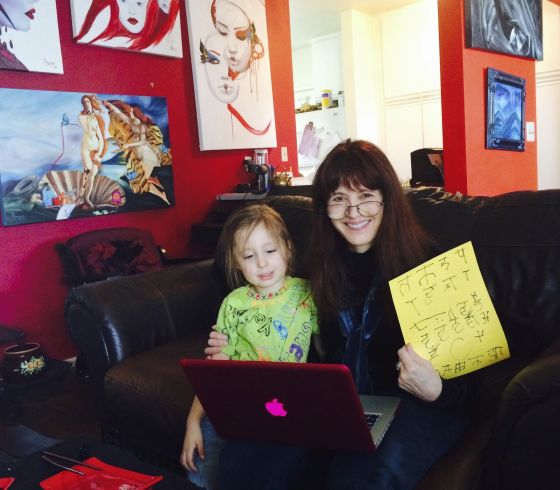
Dr. Diane Hennacy is here - the renowned neuropsychiatrist, consciousness researcher, and the medical doctor and scientist you hear throughout The Telepathy Tapes podcast. In the next few minutes, you’re going to discover why her groundbreaking work with autistic savants, telepathy, and nonlocal consciousness is reshaping our understanding of the human mind. Stay with us, because what Dr. Hennacy reveals will challenge neuroscience, expand your sense of reality, and offer a glimpse into the future of human evolution. She's a medical doctor who bridges conventional science with the study of consciousness and psychic phenomena, often focusing on cases challenging existing scientific paradigms.
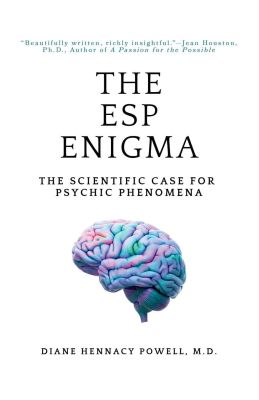
Her first book, The ESP Enigma: A Scientific Case for Psychic Phenomena, presented a rational argument for the need to have a new paradigm for consciousness and her next book, Wired for the Impossible, will present one that interweaves cutting-edge science with ancient wisdom.
She is currently serving on the board of the Parapsychological Association for the third time.
New Realities

New Realities has been the leading edge, new Consciousness cable program broadcast from New York for the last 12 years. The series is hosted & produced by Alan Steinfeld. I firmly believe that – ‘A mind stretched to new realities never returns to its original dimension.’ - Alan Steinfeld New Realities is dedicated to exploring evolving human potentials in an evolving world. This series explores the idea of how to become more conscious beings. We present programs that invite the viewer to look at automatic behaviors and take free reign of their body, mind and spirit so that we can hope to inhabit and create a better world.
This program is constantly on the look out for new and different perspectives in achieving a greater and more peaceful reality for the planet. It is about embracing a synthesis of rational understanding with mystical awareness. We must continually be on watch for ways in which we may enlarge our consciousness. We must not attempt to limit our slice of the world, which is given us, but we must somehow learn how to transform it and transfigure it.
[00:00] Speaker 1: One of the ironies of this whole thing is that autism, I mean, the name itself comes from autos, which means self. And, you know, the idea was that they were all, you know, in their own little world, and the reality is that we're more in our own little (laughs) real world.
[00:17] Speaker 2: Welcome to New Realities. I'm Alex Steinfield. Tonight's guest is Dr. Diane Hennessy, a neuropsychiatrist, but more than that, she has redeemed a population that was once disregarded and opened a door to the untold capacities of the human mind and its reaches into the unknown.
[00:38] Speaker 3: My son said to me, "I can hear thoughts." And I said, "Impossible." And he said to me, "You don't get the kind of gifts that I have if you lie."
[00:52] Speaker 1: The more time I have to spend with these autistic individuals, the more I realize that they are here showing us so much more than just telepathy. I mean, we're just tapping the surface of it. By- that, that, that, that's, that's one of the reasons why I've, I've started my own ... I just recently co-founded my own institute, because I really need to have the kind of structure that enables me to systematically study these children and to, to, to really to explore their gifts and to explore what they want to communicate.
[01:38] Speaker 2: Yeah.
[01:38] Speaker 1: And, and to work on trying to find ways to facilitate that communication, because spelling is ... it's so slow-
[01:49] Speaker 2: Yeah.
[01:49] Speaker 1: ... compared to how their minds work. I mean, it's like being forced to crawl when you actually could win the four-minute mile.
[01:59] Speaker 2: Yeah, right?
[02:00] Speaker 1: You, you, you know, it, it, it, it really is ... it's really that bad in terms of the discrepancy between the sense that I have of how their brains process information and how, how reduced their filters are-
[02:21] Speaker 2: Yes.
[02:21] Speaker 1: ... for accessing information. And, and so to me, you know, we, we have this tremendous opportunity right now with the combination of, of so many of these individuals being here incarnated on the planet right now, and we have, you know, and we also have, you know, AI that has taken off.
[02:41] Speaker 2: Mm-hmm.
[02:41] Speaker 1: And what I'm interested in doing is trying to see if we can somehow use AI to assist them in their communication, but you have to be very careful about how you do that.
[02:59] Speaker 2: Right.
[02:59] Speaker 1: And it, it, it's not, it's not something ... Because as we know, AI has its own algorithms, and it'll make things up.
[03:08] Speaker 2: Right, exactly.
[03:10] Speaker 1: And, and so, and, and so, so I really want to spend time with, more time with them and it ... and it's not just about me spending time with them. I mean, it really takes, uh, you know, it, it really takes a team in order to really see everything that they are really trying to show us, because I, I hear reports of, um, you know, psychokinesis, like, uh, you know, that, that they, they see entities, they, they see dead people, they, um, have precognitions.
[03:45] Speaker 2: Yeah.
[03:46] Speaker 1: Um, th- they, th- they are having ... Just being around them is sometimes bringing about a shift in the consciousness of the person who's around them. You know, so it's so similar to what people describe who've worked with a, uh, y- you know, like a guru who really is a true master and, and not one of these fake gurus.
[04:13] Speaker 2: Yeah. Mm-hmm.
[04:13] Speaker 1: Who just talks the talk, but somebody who really actually has, um, a level of consciousness that, that, you know, that whether you wanna say that it's that they're resonating at a different frequency or, you know, whatever, you know, language you wanna put to it, that, that there's something different, uh, that, that, that people sense. And it, it really needs to be explored, because the planet can really benefit from what they have to offer. I mean, you know, so many of them are gifted at science and math, and, and they come from, you know, even if it wasn't just the downloads of information that some of them, you know, um, reportedly had, I mean, you know, a lot of them come from a lineage of, of, of ancestors who were scientists and engineers and mathematicians.
[05:14] Speaker 2: Mm-hmm.
[05:14] Speaker 1: And, and who, um, so, so they, they, they really could be, a lot of them could really be like Stephen Hawkings, okay-
[05:23] Speaker 2: Mm-hmm.
[05:23] Speaker 1: ... y- you know, who just have not had the technology given to them so that they can actually have a voice. Uh-
[05:33] Speaker 2: Yeah, no, I love everything you're saying because my experience of sitting with Alex and, is that it's like a Satsang, you know, which means in the company of truth, the, the traditional meaning of that. So, he's coming from a place beyond thought, beyond thinking. He's just accessing this-... immediate field, and he has access to everything, but there's also the disruptive behaviors of those that are not integrated, so.
[06:01] Speaker 1: The way that I would put it is, and this is really what my- my- my book that, um, is being published this coming year, you know, goes into. Um, you know, it- it really helps you to understand the neurophysiology that is behind these extraordinary states of consciousness they have, so that you can understand both their- the- the source of their gifts, but also the source of their challenges.
[06:28] Speaker 2: Right, right, right.
[06:30] Speaker 1: And-
[06:31] Speaker 2: Definitely, yeah.
[06:31] Speaker 1: It- it, you know, and so, one of the ways to think about it is to realize that in our brain stem, we have these nuclei, you know, the- the locus coeruleus, the raphe nuclei, eh- and the substantia nigra. Okay, those are like three of the, you know, uh, principal nuclei in the brain stem, and each of them is like a button for the- for our state of consciousness, okay? So the- the raphe nuclei is a serotonergic nucleus and so it- it- it's what set- sets the sleep cycle, okay? You know, the- you know, there's this, you know, it- it's what's, you know, it- that basically involved in, you know, when we go into dreaming sleep, okay? It, you know, it- it's- it- the raphe nuclei is kind of the- the on button for that, okay? Then- then you have the locus coeruleus, which is the fight-or-flight button.
[07:38] Speaker 1: You know, it- it- it's- it's that, you know, really kind of high adrenaline-
[07:43] Speaker 2: Yeah.
[07:43] Speaker 1: ... rush, okay? Which, when you're in a state of high adrenaline, you- you- you- or- your orientation to space, time is different. You know, pe- people, when they're under high adrenaline, they then can have that- an expansion of time, okay? They- they can actually, you know, it's like, wow, they can do in f- they can do in five seconds what would normally take a minute, you know? It's just- it's, you know, it's just like somehow, it's like time slows down and enables them to do whatever it is, whether it's like escaping, you know, you're gonna be hit by a car, okay?
[08:25] Speaker 1: And you see it, and you just do exactly what you need to do-
[08:30] Speaker 2: Mm-hmm.
[08:30] Speaker 1: ... to get out of harm's way.
[08:32] Speaker 2: Mm-hmm, yeah.
[08:33] Speaker 1: But it's like you're not experiencing it happening in a flash. You're experiencing it like, oh, I'm turning over here, you know? (laughs)
[08:41] Speaker 2: Yeah.
[08:42] Speaker 1: And- and then the- and then the other, uh, nucleus is the substantia nigra, which is the one that when it deteriorates, it- it- it leads to Parkinson's. So it- it- it is- it- it's kind of the control button for, um, initiating movement and stopping movement when you s- you know, eh, you know, after you've started it, okay? And so that is really that kind of button that is involved in sort of the connection between free will and our, uh, ability to operate our body, okay?
[09:20] Speaker 1: You know, and- and (laughs) okay-
[09:22] Speaker 2: So you're talking about just the mechanics of the heart-
[09:25] Speaker 1: Eh- an- so there, here's what I want to say-
[09:27] Speaker 2: Yeah, yeah.
[09:27] Speaker 1: ... is that what we know about the genetics of people who have autism is that all of the neurotransmitters involved in those three nuclei that I just mentioned are heightened.
[09:49] Speaker 2: I see.
[09:49] Speaker 1: You know, people differ in terms of how much these thing- and so it's like, so that's like setting the tone for- for how their brain is operating. So if you combine all of those things that I just said, what do you have? You have somebody who has access to like a dreamlike world, okay, an expanded sense of time, and yet, their anxiety is through the roof. And they don't have great control over their body.
[10:26] Speaker 2: Right.
[10:27] Speaker 1: Eh, they w- their body wants to move faster. Th- and so they have to engage in these repetitive things to deal with the fact that their body doesn't want to sit still. Contrast that with your, you know, Hindu mystics who got to their s- s- state of expanded consciousness through quiet meditation.
[10:55] Speaker 2: Yeah. No, that-
[10:56] Speaker 1: So- so they have access to the same knowledge-
[10:59] Speaker 2: Yeah.
[11:00] Speaker 1: ... but one is in a body that can just sit there and be calm, and the other is in a body that is just, um, like a race car that just wants to go zoom. (laughs) Eh-
[11:15] Speaker 2: That- that's the best explanation I've heard, of course, you've been in this field for 20 or more years, but I've heard to explain the behavior and wisdom of- of what these, um, geniuses are experiencing. Come hear Dr. Hennesy in person in Sedona this March.
[11:34] Speaker 4: You're invited to join us for our 2026 Sedona Ascension Retreat. It's our 11th anniversary, and we're so excited to celebrate it with you. Special guests include Dr. Diane Hennacy, star of the Telepathy Tapes podcast and author of The ESP Enigma, and mindsight expert, Dalio Bergorn, will be teaching techniques.
[12:03] Speaker 2: Are you ready?
[12:05] Speaker 5: And that is a highlighter, I think.
[12:08] Speaker 2: What color?
[12:09] Speaker 5: It's yellow.
[12:10] Speaker 4: (instrumental music) As well as Hakeem Isler, creator of CYGAMES International. I am your host, Suzanne Ross, and my co-host will be Alan Steinfeld. We invite you to join us for our 2026 Sedona Ascension Retreat.
[12:33] Speaker 2: Diane is bringing out some amazing research and, and ways of understanding this phenomena, these autis- aut- autism, uh, in ways that are revolutionary, Diane, really they are. Um, so she just went over the hardware of what happens in the brain to these, um, autistic kids. But I want to know, sitting next to one of them, Alex, and, and Leedu, having met her, um, what's going on in their heads? Like how are they cognizing the world around them? I mean, you would know more than anyone. What are they seeing? What are they pick- how does like one moment, okay, we're aware here, but what's going on for them as they kind of are in reality?
[13:17] Speaker 1: I, I, I know what you're asking, and I can, I can, I can answer it to some extent. I mean, you know, it's, you know, what I've just talked about in terms of the fact that they're not experiencing lot, uh, uh, time the way that we are, for example. Uh, yet they, they experience time in a very, um, sort of, y- you know, very similar to how Einstein described it. Y- you know, it's really not linear.
[13:40] Speaker 2: W-
[13:41] Speaker 1: And, it, and, and, and so, so that's one thing to think about. And another thing to realize is that most of them, if not all of them, have synesthesia. So, they're, they're not just, um, you know, if they're looking at a number, they might be seeing a color with that number all the time, okay? So colors have meaning for them beyond just how we think of colors. And, and colors, they see colors around people, they see colors around animals, they, and so there's all of this information for them that's encoded in color, which is really just frequency-
[14:18] Speaker 2: Hm.
[14:19] Speaker 1: ... that they're, that, that, that they're picking up on. Um, and-
[14:24] Speaker 5: What's a-
[14:24] Speaker 1: ... they, all of their senses are heightened. You know, th- that, yet, they, they, they, you know, their, their sense of smell, their, their, their ability to hear things, they, they have higher resolution, um, you know, that's why a lot of them have, you know, perfect pitch. Um, so, so that's, you know, what I, I know about them. The problem is, is that having them describe their inner experience is extremely difficult for them. I mean, what you're asking is very, very challenging for somebody who's autistic.
[14:56] Speaker 1: I mean, it, you know, when people, um, you know, when they think of the au- uh, the diagnosis of autism, you know, they, uh, you know, they're, they don't really know quite what they're talking about, (laughs) you know, they-
[15:08] Speaker 2: Right.
[15:08] Speaker 1: ... they don't really understand it. Um, and, um, and for a long time, when I first started out doing this, but, you know, um, you know, over 40 years ago, um, or close to 40 years ago, uh, uh, uh, uh, uh, it was just a black box. I mean, because you had these individuals who couldn't communicate, and, and all you saw was that they just were not engaged in, um, social behaviors, um, uh, they didn't, they had difficulty speaking, um, and it, it, it, and, and, and they were easily frightened, and, and, and extremely compulsive, and need things to stay the same, you know? That- they're, they're, they're really, you know, tr- try- they need their, there, there's so much that's moving so fast for them that, that they really need, um, to have some things that are, uh, th- the comfort of routine and familiarity, uh, you know, you know? And, and so, so it, it's, it, when you're working with them, you, you have to honor that, and you have to go at a pace that doesn't heighten their anxiety.
[16:10] Speaker 1: But, and, and one of the things, one of the, the, the sort of cables, if you will, that's missing in their brain, is the cable that enables self-expression. So, uh, so it's easier for them to give you a discourse on mathematics, or physics, or, uh, you know, et cetera, et cetera. But to ask them about, "Well, what's it like to be you?" You'll, you'll, you'll, you'll get blank stares.
[16:41] Speaker 2: Definitely.
[16:42] Speaker 1: B- and, and they don't even know, they have trouble e- e- expressing just simple things about themselves, let alone trying to explain to somebody that they already know doesn't experience the world the way they do, and trying to explain that world to them. I mean, it, it, it, it's, for them, it's like, I think, that it's like if you were to ask one of us to explain to somebody who's been blind from birth and never was able to see, how do you describe it to them?
[17:11] Speaker 2: Right.
[17:11] Speaker 1: Y- you know, h- how do you, what words do you use that could actually make the person grasp what it is? And so, one of the things that I see myself as doing is, um, you know, and, and together with, I mean, I want to collect a team of people to work on this. What I see myself as doing is really helping to translate. C- 'cause I, uh, I, I have an intuitive, uh, b- I know so much about them, that, that when, when I'm engaging in conversations with them, I have these intuitions that come up. And when I bring up those intuitions, I could see, you know, they're like, "Oh, God," you know, (laughs) "you nailed it." You know, "That, that's it. Thank you for giving me words to..." 'Cause, 'cause they couldn't recognize something. It's, it's easier to recognize something as, as a truth than it is to actually generate the truth sometimes, you know, in terms of generating it in words. And so, so I'm kinda, I see myself as this intermediary that's trying to help them.
[18:13] Speaker 1: I'm, I'm not wanting to speak for them, I'm wanting to, um, just help them to-You know, enable other people to understand what it like- it's like to be them. You- you know, what- what it is that- or the gifts that they're bringing to the table, and then what are the challenges that they're up against, so that we can really come together as a community who is, you know, we're- we're all, like, in awe of them, okay, going, "Wow." Okay. And then the question is, well, what next? And, you- you know, and the- and the whole spelling thing, I mean, I'm very, very supportive of that being acknowledged by, you know, the ASHA as, you know, a legitimate form of communication, but it's not enough.
[19:01] Speaker 2: Yeah.
[19:01] Speaker 1: It- it's, we- we can't stop there. I mean, it w- in- in fact, I'm, you know, that's one of the reasons why that's not been my major emphasis. You know, I support it. You know, I signed a letter, you know, saying what my position is on it, but I need to y- you know, I'm- I'm forward-thinking, and I'm really trying to- to address, you know, the, um, the situation, you know- you know, as I see it currently.
[19:27] Speaker 2: Well, I wanna explore that, but, um, Suzanne and I just interviewed Dalia, and she was talking about the incredible gifts that Lidu has to enter her dreamscape. You know, she's dreaming, and Lidu's looking at, and she's in her dream. This is a- a whole other lev- beyond servant. This is a- this is like you're saying what the great gurus can do. So, how do you ex- how do you talk about that? How do you explain or understand that? Because I think it's something they can teach us.
[20:00] Speaker 2: They have such-
[20:01] Speaker 1: Sure.
[20:02] Speaker 2: ... such skills and capacities. We don't even know what consciousness is, and they are so advanced. So, what do you say about that, Di- Anne, did you wanna say something about that too, Suzanne?
[20:10] Speaker 6: Yeah. You know, what is it that allows them to use their sixth sense in such a way that they are so telepathic, and that they can, as Alan was just describing, you know, enter the dreamscape of others?
[20:29] Speaker 1: What- what we need to realize is that every s- uh, think of states of consciousness as having different frequencies associated with them. Okay? I- I mean, we know this, right? We- we- we've- we've looked at EEGs for decades and have seen that there's- there's a specific brain wave pattern associated with dreaming sleep versus, you know, the- the sort of the beta state which is the kind of, you know, well, I'm, you know, I'm engaged and I'm working and I'm, you know, task-oriented and I'm doing da-da-da-da-da, versus relaxed, alpha chill, versus, ye- ye- you know, the- you know, the, um, the- the higher frequencies, the gamma frequencies that you see in these, um, advanced meditators, that- that really have high amplitude, very, very integrated, coherent brains, okay? That- and- and you can see that- it- by the nature of their brain waves. So- so what they're doing is they know how to operate their system a- and tune it.
[21:34] Speaker 1: You know, they- they know, they- there- there are dials there, okay? That- that you- you- if you think of it that way, think of it as that we live in a system where there's all of this, um, there's all of this information that- that- that is, um, you know, encoded in the waves, okay, that- that we're- we're- that we're just surrounded by, okay? You know, that, you know, with physics they talk about quantum wave fluctuations, you know? And- and so there's all this information that is encoded in that, and in order to, um, basically decode the information, you need to dial in to the frequency of it, okay? Uh, you dial into the frequency of it, and then you use the ability that you have for pattern recognition, which we use pattern recognition all the time. You're using pattern recognition right now just to understand what I'm saying.
[22:31] Speaker 2: Right.
[22:32] Speaker 1: Um, and so- so the same algorithms that- that enabled pattern recognition, that enable me to, you know, recognize your face, you know, and- and- and, um, a- a- and to be able to recognize your voice, and to, you- you know, and- and to- and then to decode the information that- that's- that's located there. They're just using the same algorithms. It's just that they know how to tune into the frequencies that are associated with- with dreams, or that are associated with higher states of consciousness. And- and so, yeah, that- I mean, that's in- in a nutshell.
[23:17] Speaker 2: Is that something eventually they could communicate? I know you talked about going beyond the spelling board, and- and what would that alternative be? Because Alex said in the last interview, he- he- he- he's- he- he, hmm, would love to talk. It kills him that he can't speak, he says. And yet, you know, he can communicate so much more probably than putting it into words, uh, verbally. So, uh, what's the alternative there? How do we access this?
[23:47] Speaker 1: Well- well, here's- so here's the- here's the way that I see it. Um, I mean, you know, a lot of their knowledge is, as I just said, it- it's, uh, it's very, very similar to what you see with these advanced gurus. And similar to what you see with these advanced gurus, when they impart that knowledge to people that sit, come to them and just say, "Boy, I, you know, I wanna be like you. I want, you know, I- I really want to evolve my consciousness," um, th- you know, the- what they have to say in terms of their theory and their understanding of it, um, that information's already out there.Okay. Yeah, you know, uh, it- it- it's- it really is. I mean, there have been enough enlightened people that have existed on this planet, you know, for thousands of years that have put that information out there. And yes, you could get that information from them, but it- it- that's not really their- their major, um ... that's not really the major reason why they're here.
[24:48] Speaker 1: Uh, but how they will best impart that information is the same way that a lot of these mystics imparted. You know what that is? That's by being in their presence-
[25:00] Speaker 2: Right.
[25:01] Speaker 1: ... and receiving the transmissions because your brain waves can start to entrain with them, and then you get the information you need without it having been exchanged through words. It forces you to engage in them in a way to get the information that doesn't require them to speak. And so, what the- the- the biggest thing that we need to do is stop thinking, well, how- y- you know, making such a premium (laughs) of make them speak. It's sort of like, you know- you- you know, it's like when- you know, let's just, you know, let's pay attention to what we're being shown here.
[25:42] Speaker 1: (laughs)
[25:42] Speaker 2: Right.
[25:42] Speaker 1: In so many different ways.
[25:46] Speaker 2: Mm-hmm. Mm-hmm.
[25:47] Speaker 1: And so, y- you know, um, so the- you know, the question is how do we do this? You know? And- and- and Lidua, bless her heart, has been so willing to be out there sharing herself with the world. I mean, it brings tears to my eyes because I know, you know, the- these- you know, these individuals, I mean, I know that- that- y- it's- I mean, think about what it's like for them, you know, with- with all the- you know, the- the- how open they are to put themselves in those situations, and yet, they're doing it, and every time they do, it is a tremendous gift to humanity.
[26:32] Speaker 2: Hmm. Yes. Totally agree. And- and thank you for discovering that for the world, because this is the leap in consciousness that we need because we've sorta hit a brick wall, you know? And- and AI really isn't gonna do it. It may facilitate in some way these people, I don't know how, but they're so far beyond our ability to cognize that. Yes, I felt sitting in the presence of someone like Alex De Erasmus was a- was an upgrade, was a- I mean, I felt like all these different radio frequencies were coming in, and it was exciting. And, you know, I- I- I feel for some of the moments where he doesn't have the capacity to handle it all, or he'll- someone- someone asked a question the other day and- and he kinda freaked out because we heard later that that woman had a big argument with her daughter, and I think he was picking up on that energy, but- and sorta transmitting it, but he didn't know how to deal with what was coming at him, so he, um, you know, spun out a bit.
[27:41] Speaker 2: But, you know, what would be the way, I mean, maybe just what you said, sitting with them, that to integrate, um, eh, their vast access to the quantum field for- for us regular, sorta, uh, normal people? I mean- I mean, what do you suspect?
[28:03] Speaker 1: What would be the best way to, you're saying, to, um-
[28:06] Speaker 2: Just sit with them or give them clients?
[28:09] Speaker 1: Well, I think- I think sitting with them. Um, I think that, um, i- you know, so much of- here's the thing, is- is that, um, you know, the- the- the best teachers, um, don't just hand it to us.
[28:29] Speaker 2: Hmm. Yeah.
[28:32] Speaker 1: And ih- ih- they- they don't because we- we- we- when we earn it, when we actively engage in the process, w- we- we- we actually own it more.
[28:46] Speaker 2: Yeah. Yeah, you're right. You're absolutely right.
[28:49] Speaker 1: I- i- i- and, you know, and so- so, you know, what I'm wanting to do is I'm wanting to, um, you know, once I get, you know, I mean, you know, my book's gonna be, you know, published next year, and, uh, you know, and- and, um, there are gonna be, you know, some, um, documentaries coming out with me in them and whatnot, and, um, what I'm wanting to do is to start having retreats in which we, um, we do this on the- first of all, on the smaller scale where we really- we- where we really get a feel for what is- is the most beneficial, okay? And- and- and- and then, we can talk about how do we scale it up. But first, I want- I wanna spend the time, you know, doing it. And- and what I th- think is that we're going to experience them very differently if we're not putting expectations on them.
[29:56] Speaker 2: Right.
[29:56] Speaker 1: And we're ju- one of the reasons why they like me is because I just hang out with 'em.
[30:08] Speaker 2: And you und-
[30:08] Speaker 1: I'll- I'll just hang out with 'em.
[30:10] Speaker 2: But you understand them.
[30:11] Speaker 1: I- I understand them. Uh, I believe in them. Uh, I'll just hang out with them. Um, and, you know, and so- so oftentimes when people are supporting my work they're- they're- they're thinking, you know, and I haven't had that many people support my work, but, you know, the- the people who wanna support my work now, it- it's like they- they want da-da-da-da-da-da-da-da-da to happen, you know? And that's the wrong kind of energy to bring into the process.
[30:36] Speaker 2: Yes.
[30:37] Speaker 1: Uh, I- I was- I was talking with, uh, a member of the board of my new institute the other day, and- and she was good friends with Jane Goodall.And she said to me, "You really are like Jane Goodall for these autistic individuals."
[30:52] Speaker 2: Yeah.
[30:52] Speaker 1: And that was something that Laura Lynn, um, Laura Lynn Jackson said to me, oh, you know, gosh, you know, over 15 years ago when I, when I first met her when I, um, on the scientific advisory board for the, um, Forever Family Foundation. She said, she said, "The, the spirits are telling me you're, you're, you're, you're the, you're the Jane Goodall for these autistic kids." And, and she, she b- she didn't even really know that much about me at all. This was, uh, Laura Lynn and I meeting for the first time.
[31:26] Speaker 1: And when she said that to me, I thought, "Well, you know, that could be, you know, because I definitely, like, um, like Jane Goodall, I, I have that approach where, you know, when I'm doing field research, I wanna enter into their world by just observing and hanging out, you know?"
[31:42] Speaker 2: (laughs)
[31:43] Speaker 1: Rather than imposing, saying, you know, "You need to operate within the rules of my world." (laughs) And, uh, you know, rather than im- imposing that on them, I, you know, I, you know, I just kinda hang out.
[31:56] Speaker 2: Mm-hmm.
[31:56] Speaker 1: You know, see what happens, you know? And, um, and in that process, it's similar, you, you, that's when you start learning things. It, it, it, it's similar to, think about, um, when your mind is actively in that beta mode of, you know, um, trying to analyze things, okay? Is that when the insights come? No. The insights come to you when you're in the shower or you're driving the car or you're washing the dishes or (laughs) or-
[32:28] Speaker 2: Right.
[32:29] Speaker 1: ... you're, you're just getting out of bed. That's when the insights come to you because you, you haven't blocked your brain into this state of consciousness that is trying to force things to go a certain direction. You're, you're in a more receptive consciousness rather than an imposing consciousness. And th- this is the difference between the solar and the lunar energies. You, you know, the, the, the, the, the moon is, you know, is receptive, you know, all of the light that it has is shown upon it by the sun. And we are so solar-oriented, so action-oriented, so, you know, um, you know, "You can't ignore me," you know? (laughs) You know, as we, you know, impose, you, you know, as we shed light on everything, you know, it's just like, yeah, and you just march through, you know, it's a very powerful, um, force. Whereas the moon is more, it's just there, and the light that shines on it, you know, is a different quality light.
[33:43] Speaker 2: Mm-hmm.
[33:44] Speaker 1: And, th- this is one of the reasons why the nighttime is so sacred. It, it, it, it's so sacred to indigenous people be- because that's when you actually can start to be in more of that lunar energy.
[34:05] Speaker 2: Hm.
[34:05] Speaker 1: And be in a more receptive mode.
[34:08] Speaker 2: Right. So do you think s- sitting with these, um, autistic would, would be part of that? Because they seem so, my experience, so preoccupied with this other vast world that, in a way, they, it feels like they don't even have time for us 'cause they're so busy and occupied, but maybe intending a gathering would be different, do you think? Do you know what I mean about their, what's, there's so much going on for them and ...
[34:37] Speaker 1: Yeah. I think, I think that, um, I think that having, ha- at- attending a gathering in which, um, as I said, where they can just s- sort of be.
[34:51] Speaker 2: Mm-hmm.
[34:51] Speaker 1: Okay? Um, and letting them set the pace. But also having, having the kinds of things that we know help them to calm down. Things, you know, that, you know, whether we're talking about, um, sound.
[35:10] Speaker 2: Mm-hmm. Mm-hmm.
[35:11] Speaker 1: You, you know, or, uh, y- you know, or, or some other kind of, um, you, you know, kind of soothing, you know, um, you know, whether it's p- having the lights the way that they, you know, the, the, that it works for them. You know, it's, it's basically about, you know, how do you need, setting the, setting the tone in the atmosph- you know, in the amount of light and sound and the kinds of sounds and whatnot, setting the tone just right so that it enables them to kind of, um, settle in more.
[35:45] Speaker 2: Mm-hmm.
[35:45] Speaker 1: And I think that, that, that, that also can help the audience be more entrained with them as well. I mean, it, this is something that the ancients used to do. You know, a lot of their, um, you know, these, these ancient structures that they built, they were built with properties of resonance. You know, there, there are reasons why a lot of these traditions have drumming and chanting and, and whatnot as part of what they're doing, is it's, it's not just, um, something they're doing like we always, you know, sing Christmas carols at Christmastime, you know? (laughs) It, it, it, it's, it's far more of an instrument than that.... it, it, it, it really is an instrument of entrainment.
[36:32] Speaker 2: Yeah. Suzanne, go ahead.
[36:34] Speaker 6: Oh, this entrainment, Alan, I'm just bursting at the seams with her revelation about how frequencies entrain, and how in the presence of these gifted savants, that we are upgraded. And then how you confirmed that in the presence of Alex, you felt upgraded and what implication does that have for humanity at this time? Have these autistic savants volunteered to come here at this time for humanity, for this upgrade, to the new human and the new earth, and are they in fact activating our own sixth sense? And I can't help but think of Dalia and Leedu. Look at Dalia, she's got these tremendous advanced gifts of mindsight. Like, has she been in training with Leedu's ability, you know, to be in that higher frequency of the sixth sense? And I just love how you refer to it, really Diane, as being more evolved, you know? So, are they gifting us an evolutionary leap into higher frequency consciousness, and how beautiful is that?
[37:54] Speaker 1: Yeah. Yeah, yeah, no, this is, this is really an exciting time to be alive. It, it, it really, truly is. And, and, um, and the people who ... some of us are more sensitive than others, and so there are so many people that, when they heard about my work, they were just, I, they, they, you know, they, they contacted me on my email and said, "I've known it, I've known it all along." You know, without even having had to have had one of these experiences, just because of being around these kids energetically. They, they just ... and, and so, what I'm saying is that, yeah, y- yeah, th- th- they are coming in numbers now, such that it's not like there's just a handful of them. There, there's a ha- ... there may be only, you know, uh, you know, a dozen or so who are willing to put themselves out there in the public eye and be on, you know, g- you know, be i- in documentaries and, and that sort of thing. But the reality is, is that there, there are children like this everywhere.
[39:00] Speaker 1: And so, uh, uh, they're, they're, you know, they're bound to be in everybody's community.
[39:08] Speaker 2: Go ahead.
[39:08] Speaker 6: You've given me ideas for, you know, Dalia at our workshop, Dalia and Leedu, you know, will be doing this back to back, 90 minute, you know, back to back for 180 minutes of being with Dalia and Leedu, you know, learning mindsight and telepathy and I just, you know, I really honor what you're saying, Diane, because I know that you're gonna participate in that. And how can we ensure that the environment that we're creating for that workshop is most conducive, you know, to that, for, for Leedu, for Dalia, for the participants? Because I just ... what you're saying about, you know, having these retreats going forward and just starting, you know, with creating this, you know, relaxed environment where you're just being in the present and not asking or expecting anything necessarily.
[40:04] Speaker 6: You know, just, um, I'm absorbing that for, you know, a co-creative collaboration, you know, maybe with you and, and Dalia and Leedu in a sense, and myself, to create an environment at our, at our retreat for those workshops that's really conducive to all.
[40:21] Speaker 2: That's great.
[40:21] Speaker 6: For the highest outcome of entrainment.
[40:25] Speaker 2: Yes, Suzanne, good idea. What do you think, Diane? How could we facilitate that?
[40:31] Speaker 1: Well, you know, I, I think that, um, I, I would want to have ... so if it's Dalia and Leedu, I would want to have their input in on it, you know, uh, rather than me be the one that tells you how to do that. Um-
[40:46] Speaker 2: Right.
[40:46] Speaker 1: ... and, um, uh, and it, and it may be important for them to be able to go to the space where the treet- retreat's going to be, to help you know how to optimize it beforehand.
[41:00] Speaker 2: Mm-hmm. Mm-hmm.
[41:00] Speaker 1: Um, so p- so planning that into the, into the schedule. But I, I think it really-
[41:04] Speaker 2: Mm-hmm.
[41:04] Speaker 1: ... needs to come from them.
[41:06] Speaker 2: You're right.
[41:06] Speaker 6: Mm-hmm.
[41:06] Speaker 2: You're absolutely right.
[41:08] Speaker 6: Mm-hmm. Mm-hmm.
[41:09] Speaker 2: You know, um, one, one question I did have when we talked about the hardware and the brain before, is it a kind of old, uh, concept, that talk about the left and right brain because people have divided, you know, the fact that we are so left brained that we can't access these other quantum realms, and they probably are more right brained? Or is there ... are you replacing it with these new ideas of the, the m- the multiple capacities of brain activity?
[41:39] Speaker 2: I just wanted to, you know-
[41:41] Speaker 1: Well, well, there's really a lot to be said about the, um, this whole left/right hemisphere, um, difference. Uh, I mean, we know from, uh, more recent work in neuroscience that it's not quite as black and white as that. I mean, that, that a lot of, um, uh, a lot of things that we ... you know, cognitive tasks that we do, actually, you know, are engaging both hemispheres. And so, it, it ... yet, at the same time, um, it is helpful to think of it in terms of there really being these two different operating modes that, that, that, that the brain has. You know, one of them is, you know, linear and analytical and detail-oriented and picks things apart. Uh, th- the, the other is holistic and pat- ... you know, it gets the whole pattern, you know, gestalt kind of thinking. It's holistic, brings things together, connects the dot. Those are two very different.... styles of thinking, and we associate the analytical one with the left brain and the, and the holistic one with the right brain.
[42:49] Speaker 1: Um, and so, wh- what, what happens is, is that with the, these different buttons that I mentioned, you know, sort of using an analogy of the nuclei in the brain stem as being like buttons, wh- when, when you have different settings for that, okay, you're, you're actually, um, choosing kind of the, you know, choosing what mode you're working out of.
[43:17] Speaker 2: Mm-hmm. Mm-hmm.
[43:18] Speaker 1: And, and, and the best mode, okay, the one that I think gets you to the hill, if you will, is the, the one that is where you are using both, okay? You, you know, that isn't an either/or. It, it is a more hybrid kind of thing. It is bringing together the, the, the, the solar and the lunar, and, um, so, so I, I, I think that that's, that's really what, what's, what's needed here, and-
[43:52] Speaker 2: Great.
[43:53] Speaker 7: That makes perfect sense because we've been given a right and left brain (laughs) . You know?
[43:57] Speaker 1: Yeah.
[43:57] Speaker 7: It makes more sense that we would be fully utilizing both in a congruent way that complements one another.
[44:05] Speaker 2: Right. The Native Americans say you can't fly with one wing, you know, so it's like, like that. So, at the upcoming amazing retreat that Suzanne's put together in Sedona, March 20th to 22nd, Diane will be there along with William Henry and, um, what is it that you really want to, think you wanna communicate? Of course, we have a couple of months, at that event that will really be exciting for people to hear?
[44:30] Speaker 2: I mean, just what you said today is amazing, but what is the additional work you're gonna be adding-
[44:36] Speaker 1: (laughs)
[44:36] Speaker 2: ... to that sort of, um-
[44:38] Speaker 1: (laughs)
[44:39] Speaker 2: ... presentation?
[44:39] Speaker 1: Um, well, uh, gee. I mean, I've given you a lot already today (laughs) .
[44:44] Speaker 2: You have, but, uh, what are you gonna focus on-
[44:47] Speaker 1: (laughs)
[44:48] Speaker 2: ... here on March? What would you like-
[44:49] Speaker 7: Don't give it away.
[44:50] Speaker 2: ... 'cause everything you're doing, it's a gestalt of all the new information and all, and then what you're integrating and bring... I guess I'm asking, what's the next level for you? Your book is coming out. That's gonna explain a lot, but, and you wanna create these retreats and workshops, but, um, where do you think your work is going? I mean, you, you're a revolutionary. You brought this awareness to the world, and it's invaluable. And now, you know, as a kinda leading edge scientist, where, where do you think you're headed in that, in what direction?
[45:25] Speaker 1: I think my theory is really, really, um, I mean, I've been working on it for, gosh, I mean, depending upon how you think about it, I mean, I've been working on it for 50 years if you think about it, you know, that I first started working on it when I became a neuroscience major, right? You know, so, um, I, I've been, I've been really trying to understand these deeper questions for a long, long, long time. And I, I think that when my book comes out, that's gonna keep me busy for a little while because (laughs) there are gonna be a lot of people that r- that read my book. Um, my book, I, my intention with my book is not to have it, um, just reviewed by parapsychologists. I mean, I'll have some parapsychologists review it, but, um, no. That's, that's not my i- My intention is to have it reviewed also by people who are physicists, neuroscientists, mathematicians, um, et cetera, because it, because what I really, my goal is really to change the paradigm within the system.
[46:26] Speaker 1: And because my book is linking together real experiential, so real experiences with empirical data, with known facts within science, and known information from ancient wisdom traditions, and I'm using my analytical mind, which I was a polymath, I understand a lot of different branches of science, with my intuition, and I- I'm, I'm, I'm really integrating all of that together. And what I wanna see happen is for people to, um, learn about my theory, and then for us to come up with experiments that could test the theory. That's how you advance science.
[47:29] Speaker 2: Right. Right.
[47:30] Speaker 1: And once we advance science to ad- really adopt a new paradigm that, uh, a new paradigm that we've been dancing around, for decades-
[47:42] Speaker 2: Mm-hmm.
[47:43] Speaker 1: ... it's, it's now time to crystallize it and replace a paradigm that we know is wrong. I mean, so, it, you know, it was, in my first book, I, you know, I give you all the reasons why the paradigm is wrong. And, and, and in this book, I, I tell you what I think might be right (laughs) .
[48:07] Speaker 2: What is that theory? Do you-
[48:09] Speaker 1: Uh, uh, well, I've told you little bits of it so far, but no, I'm not gonna-
[48:12] Speaker 2: I know, know you haven't.
[48:12] Speaker 1: ... I, uh, you know, what? Two, two minutes in-
[48:13] Speaker 2: Are you okay? Well, we'll wait till the book is published. That's okay.
[48:15] Speaker 1: Yeah. Wait till the... People need to read the book because it, it, um, it, it-
[48:21] Speaker 2: (laughs)
[48:21] Speaker 1: There's a... It's, it's like a mathematical proof, okay?
[48:25] Speaker 2: Right.
[48:25] Speaker 1: Y- y- you know, it, it, it's where you, where you, you need to have people have a foundation, okay? Yeah. And, uh, you know, so that you understand, you know, some of these things and you go, "Oh, wow. Yeah." And you have to have those pieces together for, for... Otherwise, it just sounds like...
[48:45] Speaker 2: Right.
[48:46] Speaker 1: You know, it, it, it frankly, you know, a lot of it could sound like, you know, new age stuff. Okay? You know, but the reason why it sounds like new age stuff is that I think that part of what brought the new age movement together was all these people doing psychedelics and actually getting downloaded with truth that was truth for the new age, but nobody's going to listen to them because they were a bunch of hippies doing LSD.
[49:15] Speaker 2: Right.
[49:15] Speaker 1: And... (laughs) You know, but, but there's, but now, people are starting to realize that just like the, you know, the, the, the shamans in, you know, the Amazon that are, you know, where you, you, people are doing ayahuasca, and they're, they're getting information. They're going, "Wow, you know, that actually gave me insight into my scientific theory." It, it's starting to give a different credibility because it's really, it's not that it's the drug speaking. It's that the drug opens up... It, it, it open, it forces the channel.
[49:48] Speaker 1: It forces, it forces the channel so that you, you get a taste of what it's like for these individuals who were already born-
[49:58] Speaker 2: Mm-hmm.
[49:59] Speaker 1: ... with the, with the chemistry that means that channel is always accessible to them.
[50:05] Speaker 2: Do, do, do you think it may help... I mean, not to s- sort of change the subject, but with the non-human intelligence that seems to be coming here, because when Alex says he's flying, he's from the Pleiades, and he's flying these ships, it's like, what? And it's like, so there's something else coming into our field that's also transcends the human dimension, and I think they may be helping us prepare the way to meet the others. That's just my little way out theory, possibly. What do you think?
[50:37] Speaker 1: Uh, yeah, could be. I mean, I-
[50:38] Speaker 2: (laughs)
[50:38] Speaker 1: ... you know, I won't, I won't disagree with that. I mean, I, you know, I... (laughs) I, um, but, but I mean, I think that, I think that there, there's a bigger, you know, more general reason why they're here. You, you, you know, that, that, that, that is really, um, that's not the main deal.
[50:57] Speaker 2: Right, of course. They're here to, I think, upgrade all of us because we're, we're so primitive in our mode of thinking. I mean, that's what I would say. We're still arguing and fighting and creating wars, and, you know, very left brain, or whatever you want to call it, obsessions, and we haven't expanded into our full potential. I mean, anything you want to say about that, Suzanne? I mean, as far as what-
[51:25] Speaker 6: Well, I think that everybody's at a different level of evolutionary co- you know, development. (laughs) And, I don't know that, per se, there might be a percentage of the population that are still learning lessons within the 3D realm of duality. And maybe 4D and 5D isn't for everybody at this time. Maybe that's not where they're at on their evolutionary journey. But some of us who may be called the ripened seeds, or, you know, interested, or pursuing the awakening path, you know, we're ready to resonate at the higher frequency. Maybe we've learned the lessons we were meant to learn in 3D. So, you know, I don't know to say that everyone is meant to be upgraded at this time because we wouldn't want to deprive them of the lessons that they need to learn in the third dimension possibly.
[52:09] Speaker 6: (laughs) But support from the cosmic brothers and sisters who, you know, want to give us a hand up in our evolutionary progression, I think that there is an evolutionary impulse, and possibly, you know, just in the same way that we might feel it could be our mission to support the evolutionary advancement of humanity, you know, this is possibly their mission as well, is being more advanced. They're giving us a hand up, those of us who are ready, open, and willing, and wanting that upgrade at this time.
[52:39] Speaker 1: Yeah, I would... I agree. I, I, I don't think that we're really meant to all just evolve at the same time, you know, to the same place. I mean, you, you, you know, I, I just don't think that's how it works.
[52:49] Speaker 2: Right.
[52:50] Speaker 1: It's, uh, you know, so there's, there's, um, just like we don't... You know, we're just, just look at it in terms of just the human lifespan. You know, we have little toddlers here, we have teenagers, we have (laughs) centenarians, right? You know, we have all these people that are at different stages in their life. Okay? Well, similarly, I believe that souls are at different stages in their own evolution. And that you, you, you just can't... You, you, you can't rush it. It, it, it, it, there, there are certain things that somebody who is in their 80s will understand that, you know, a teenager, there's no way in hell that a teenager's going to understand it. (laughs) And, and, and so y- y- you, you, you, you can't just think, oh, you know, because they've got a good vocabulary now, now they're gonna understand all of this stuff. No. There, there's, like, built-in, um, restraints for individuals.
[53:47] Speaker 1: And, and, and whatever your philosophical take on why that is, you know, if it, if it's that, yeah, that, you know, that the soul still has lessons to learn, and, and I'm a believer in that particular, um, uh, philosophy as well. Um, but you don't even have to adopt that philosophy. Just, just realize that, that people are at different, um, levels, you know? And, and, and some of us, um, some of us were able to not succumb to the conditioning, um, the, the, the social conditioning or the programming, you know? Um, and, and, you know, so we're kind of in the leading, uh, you know, edge of this. Uh, and then there are other people that, um, boy, they're, they're not gonna adopt something until everybody else has adopted it. (laughs) You know, th- th- they're just gonna be people like that. You know? And you've got everything in between. And, and so what I'm focused on, and what I see my job as, is those that just need a little push.... okay?
[54:57] Speaker 1: Um, that, that, that, that, you know, what they're waiting for is the evidence that they have never seen, or they're waiting for the theory that puts it into something that makes logical sense, or, you know, whatever. I'm lowering those thresholds, okay? And then we'll see how much of humanity comes on board.
[55:17] Speaker 2: Mm-hmm. Yeah. Yeah. So, what's the, uh, best way for us and everyone watching to support your work and your, your ongoing investigations and research? I mean, I, I, I want to do what I can to, uh, uh... And I'm sure people, you've inspired so many people. Uh, what-
[55:37] Speaker 1: Well, well, I have this new nonprofit, um, institute now, Hennessey Institute, tax deductible. We are actively fundraising right now because there's operating expenses. There's, you know, there's things that you need to just put a machine together, okay? Because I'm really wanting to do what I, I said earlier, and that is to really, um, ha- ha- go about this in a way in which we can really, really understand these, these, these individuals who've, you know, gifted us with their, you know, presence here, how we can help them, and to really create a, you know, to create a movement that, um, goes way beyond, uh, you know, just the research itself.
[56:24] Speaker 2: Yeah. One more thing I wanted to ask you was, in our last interview you talked about, um, how children learn language, and there might be a telepathic component to the parent actually communicating the essence of a word as opposed to just rote learning. Can you go into that theory a little more? 'Cause I think that's something, there's truth to that. It seems like there's definitely a truth to that.
[56:47] Speaker 1: I think that when we are first, you know, when we first come into the world, um, that we are still in a, in a state of shared consciousness. That we really haven't de- developed a sense of self yet. You know, we certainly haven't developed the sense of self in this body. And so, what happens is, is that as we acquire language and acquire, uh, the ability to move this body and, and agency that way, we start identifying more with that. But, but the... And, and we start becoming more and more disconnected from this sort of unity consciousness that we all come from, yeah, you know, that, that, that, that's really our source before we sort of descend into the, um, embodied perspective that then, it, it's... You know, it's like identifying with the avatar in a video game, you know? It's like you, you, you're, you're... The, we, we take on this as our sense of self re- without recognizing that we have a higher self.
[57:50] Speaker 1: And so, it's really about getting in touch with your own higher self that's required. And so, so when children are, you know, first acquiring language, though, they're still, they're still connected, and so they're, they're, they're able to know what you're thinking-
[58:10] Speaker 2: Right.
[58:10] Speaker 1: ... when the sound is coming out of your mouth.
[58:13] Speaker 2: Mm-hmm.
[58:14] Speaker 1: And, um, and, and it's really uncanny how quickly small children pick up language. I mean, you know, we, we've, we went for most of, you know, mo- most of, um, most of humanity's existence on Earth, you know, children were not being, you know, given, um, you know, readers, you know, to, you know, to teach them language, you know? Um, (laughs) right? They, they, they were, they were just hanging out with (laughs) people who spoke and somehow figuring out (laughs) what it was they were talking about.
[58:46] Speaker 2: Right.
[58:46] Speaker 1: And, and the reason why that was possible was because there was this shared consciousness and that... And, and, and then the more and more we d- we identify with the self, you're not plugged into that sense of shared consciousness as much. And so then you're, and you're more engaged in your own private thoughts that are oftentimes language-based that you, you get caught up in these sort of echo chambers of, um, y- you know, and tapes, you know, of, of repeated sort of things that you tell yourself or that other peoples have said to you. But you're not really, um, you're not really... You're in your own little, um, world. It brings up one of the ironies of this whole thing is that autism, I mean, the name itself comes from autos, which means self. And, you know, the idea was that they were all, you know, in their own little world. And the reality is that we're more in our own little little world.
[59:46] Speaker 1: (laughs)
[59:46] Speaker 2: (laughs)
[59:46] Speaker 1: And they're, they're, they're less... (laughs) They're a lot less identified with self.
[59:52] Speaker 2: Yep.
[59:52] Speaker 1: So, it's like we, we got it, like, totally backwards.
[59:55] Speaker 2: This has been your path, in a sense, for 40 or plus years, but like anyone, uh, a kind of spiritual-aware, uh, person, it's also about your own self-development. So, how have you evolved, you know, in your own person being around and doing this research what has shifted for you, and what realizations, if you want to share, has come to you on a personal level because of this work?
[01:00:22] Speaker 1: What I would say is that, um... Wow. (laughs) It's, it's just been quite a journey. I mean, um, I mean, it's one thing to, to know things theoretically, and, and then it's another to live them.
[01:00:37] Speaker 2: Mm-hmm.
[01:00:38] Speaker 1: And I, I think that it's created for me more of a lived experience.
[01:00:44] Speaker 2: Hmm. In what way?
[01:00:45] Speaker 1: Um-
[01:00:46] Speaker 2: Like?
[01:00:48] Speaker 1: Um, nobody's ever asked me that question before. Of course-
[01:00:54] Speaker 2: That's-
[01:00:54] Speaker 1: I mean, a lot of the questions you've asked, I mean, nobody's asked me before, so it's not like I have canned answers to everything that-
[01:00:59] Speaker 2: That's why I'm asking these questions.
[01:01:00] Speaker 1: But... (laughs) But, um-
[01:01:02] Speaker 2: Because you're such an-
[01:01:03] Speaker 1: But it-
[01:01:03] Speaker 2: ... incredible resource. Oh, okay. Go ahead. Yes.
[01:01:05] Speaker 1: (laughs) Um, but yeah, I, I mean, in terms of my own, my own evolution, um-I, I, I, I really think that I have just a different view of, of, of our potential-
[01:01:22] Speaker 2: Mm-hmm.
[01:01:22] Speaker 1: ... as, as human beings. Um, I mean, it, you know, and, and, and, and, and maybe, you know, than my own potential, um, you know, because to some extent, we all buy into the limitations that we're taught.
[01:01:39] Speaker 2: Mm-hmm.
[01:01:39] Speaker 1: And, uh, so I, you know, I think, I mean, yeah, I think to some extent that, that that's the truth for me as well, because I, um, I mean, even though I knew I was, you know, really good at school and blah, blah, blah, got better grades, uh, you know, than other people and whatnot, I mean, I, I, I never in my wildest dreams thought I'd be, like, (laughs) in this position I'm in now, you know? I mean... (laughs)
[01:02:04] Speaker 2: Right.
[01:02:05] Speaker 1: Never in my wildest dreams.
[01:02:06] Speaker 2: It's been a lot of work, man. So, yeah.
[01:02:09] Speaker 1: And, uh, uh, and, and so for me, uh, you know, what it, what it's meant is that, you know, I, um, you know, what was a hobby for me really, I mean a hobby and a passion, but a hobby nonetheless, I, I'm like, "Oh, wow, the world is actually taking me seriously now all of a sudden." (laughs)
[01:02:28] Speaker 2: Great.
[01:02:29] Speaker 1: And, and, and, you know, and I, (laughs) and, and I think, you know, the, the, the, the popularity of the Telepathy tapes, even though, you know, a lot of people attacked it as, oh, that's pseudoscience, and blah, blah, blah, blah, blah.
[01:02:43] Speaker 2: Mm-hmm.
[01:02:43] Speaker 1: I mean, what it did was is it, it really raised a lot of people's awareness-
[01:02:48] Speaker 2: Mm-hmm.
[01:02:49] Speaker 1: ... um, uh, of my work, and, and enabled a lot of people who were sitting on the sidelines, you know, hav- really strongly believing that this stuff was possible or even happening. But, it was like nobody was ever saying anything about it, you know? And, and so then, you know, coming out in such a public way, um, and having the kind of credentials that I do, I mean, it, uh, but it, it took, you know, it took the world by the storm. Yet, at the same time, you have to realize I've been doing this for a long time.
[01:03:21] Speaker 1: (laughs) And so, I, I, you know, so I was like-
[01:03:25] Speaker 2: Right.
[01:03:25] Speaker 1: ... I went, uh, you know, I went from feeling like, yeah, I had, you know, people had been following my work for, you know, you know, you know, well over a decade, you know, maybe two decades and whatnot. But, I mean, it, it, it really took me from that to all of a sudden it's just like psh- now, you know, people want selfies with me everywhere I go, you know? It, it... (laughs)
[01:03:47] Speaker 2: One of my favorite lines of yours is that-
[01:03:49] Speaker 1: Uh, it's, yeah.
[01:03:49] Speaker 2: ... it took you 40 years.
[01:03:49] Speaker 1: Not the grocery store locally, but, I mean, when I go to these conferences, yeah.
[01:03:54] Speaker 2: Well, like it took you 40 years, you said, to be an overnight sensation, which is a great-
[01:03:58] Speaker 1: Right. Right.
[01:03:58] Speaker 2: ... line, because it was-
[01:03:59] Speaker 1: Right.
[01:04:00] Speaker 2: ... a lot of hard work, and, and risk, and, you know, people threatening your license, and awful things. Just stand up for what you believe in. So, we thank you for that, and, and actually the world is thanking you for this, so, yeah, I'm glad you stayed with it. Uh, Suzanne, do you wanna add anything there?
[01:04:21] Speaker 6: Yes. You know, a great deal of admiration and respect, Dianne, for all that you've done and all that you're continuing to do, just opening humanity's eyes to the gift that these savants truly are. And, you know, just how much you're letting humanity know about their own potential, because I think that's really one of Dahlia and Ledou's messages is that this is possible for you. You innately have these gifts and abilities, and we're gonna show you how to tap into them, how to activate them. And, you know, just the way, too, that you are bringing your credentials to this, Dianne, is allowing more of a mainstream audience to, you know, believe in these possibilities, just the way that you're painting this beautiful mosaic of spirituality, science, philosophy, you know, all of it, because it's really not fragmented. It's the whole big picture of how it's all intricately interconnected. So, just, you know, a great deal of admiration and respect.
[01:05:28] Speaker 6: I'm so delighted you'll be joining us for our Sedona Ascension Retreat, Dianne, and just thank you and bless you.
[01:05:35] Speaker 2: Yes.
[01:05:35] Speaker 1: Oh. Well, thank you.
[01:05:36] Speaker 2: Dianne, thanks again. We really look forward to seeing you there in Sedona, and, and, and, you know, having people understand the importance of this work is that we're transcending the old forms of consciousness, or what even... We've never even defined consciousness. It hasn't... But you're giving us another element that will expand upon a kind of a primitive awareness we already have, so, you know, it just occurs in your work, or, or, I think upgrading the human, uh, operating system to-
[01:06:11] Speaker 1: (laughs)
[01:06:12] Speaker 2: ... include a larger reality, what I call new reality. So, well, thank you for your time, and your-
[01:06:19] Speaker 1: Yeah. Yeah. Well, well, thank you. Thank you, uh-
[01:06:22] Speaker 2: We'll, we'll see you at the Conscious Light Expo in LA, I think, before that. Uh...
[01:06:28] Speaker 1: Yeah. Yeah, you will. Yeah, you will. Mm-hmm. Yeah.
[01:06:30] Speaker 2: Are you coming to New York at all to, uh, visit Alex, or anyone?
[01:06:34] Speaker 1: I would love to, but, um... (laughs) I, I, I, I, my, I'll tell you, my, my life is pretty, pretty, pretty busy right now. I mean, I have a lot going on. Um, but, um, I want to.
[01:06:50] Speaker 2: Yeah.
[01:06:50] Speaker 1: I totally want to. And one of these days I will be in New York, for sure. I mean, I have lots of reasons to come to New York.
[01:06:55] Speaker 2: Dianne Hennessy in Sedona for the Sedona Ascension Retreat, March 20th to the 22nd, 2026. Produced by Suzanne Ross there, and, um, I think it's really gonna be a lot of fun. You know, just the people we have gathered, and, um, the exchange of information that happens within a community that's at the leading edge-
[01:07:17] Speaker 8: ... new ideas seem to kind of come online, so that's why I'm excited. Once again, Diane. Okay.
[01:07:27] Speaker 4: Thank you.
[01:07:28] Speaker 8: Yeah.
[01:07:28] Speaker 4: Blessings.
[01:07:28] Speaker 9: Final words.
[01:07:29] Speaker 4: See you in Sedona. (instrumental music plays) You're invited to join us for our 2026 Sedona Ascension Retreat. It's our 11th anniversary, and we're so excited to celebrate it with you. We'll be opening cosmic portals with our friend Darryl Anka, who'll be channeling Bashar, along with UAP disclosure researcher, Danny Sheehan. We'll be opening ascension portals with ascension expert William Henry, ascension alchemist Sara El Kalbi, and ascension astrologer Molly McCord. Fire is the key element of the Golden Age, and we invite you to set your heart on fire and ignite the passion in your soul. You can become superhuman, and filmmaker Caroline Cory will show you how. You can become telepathic, and mindsight expert Dalia Bergorn will be teaching techniques. Psychic and medium Jill Jackson will be sharing her gifts and abilities with you. Renowned hypnotist Sarah Bressman Cosme will be guiding a group past life regression.
[01:08:57] Speaker 4: Special guests include Rizwan Virk, who will be giving compelling evidence that we're living in a simulated multiverse, and Dr. Diane Hennacy, star of the Telepathy Tapes podcast and author of The ESP Enigma, as well as Joachim Issler, creator of PSYgames International. You'll be immersed in sound journeys offered by meta pop musician Omishah, and harp and crystal ball performer Shelly Reeve. Channelers Pia and Colin will be transmitting messages from different star races. Host of one of the most popular podcasts on YouTube, Jannecke, will be hosting a live Wisdom from North show. A highlight of our event will be the Sedona sky watches. I am your host, Suzanne Ross, and my co-host will be Alan Steinfeld and meditation guide Tanjeela. We invite you to join us for our 2026 Sedona Ascension Retreat. We will be opening portals through unconditional love. See you in Sedona.
[01:10:24] Speaker 4: (instrumental music plays)


