
Breaking the Silence, April 12, 2026

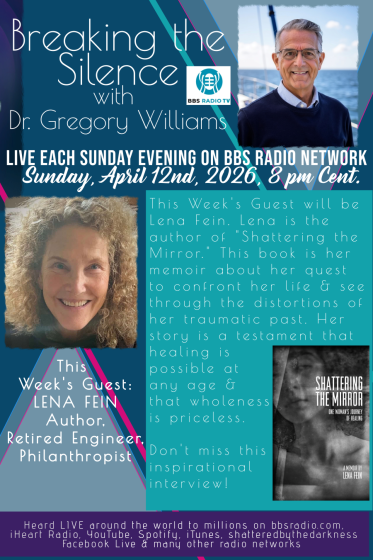
Breaking The Silence with Dr Gregory Williams
Guest, Lena Fein, Retired Engineer, Philanthropist and Author of "Shattering the Mirror: A Memoir"
This Week's Guest will be Lena Fein. Lena is the author of "Shattering the Mirror," This book is her memoir about her quest to confront her life and see through the distortions of her traumatic past. Her story is a testament that healing is possible at any age and that wholeness is priceless.
To Find out more about tonight's guest and their work, visit at their website: https://shatteringthemirror.com/
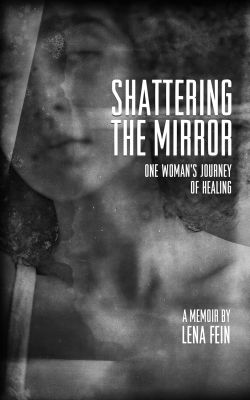
Don't Forget to check out our guest 's book: "Shattering the Mirror: A Memoir" at Amazon.com:
Shattering the Mirror: A Memoir: Fein, Lena: 9798218702717: Amazon.com: Books
This episode of Breaking the Silence follows a profound conversation between Dr. Gregory Williams and author Lena Fein regarding the long-term impact of childhood abuse. They explore the psychological mechanisms of shame and guilt, the journey of "breaking the silence" after decades of suppression, and the transformative power of living an authentic life regardless of age.
The "Terrible Twins": Navigating Guilt and Shame
Dr. Gregory Williams introduces the concept of "The Terrible Twins"—guilt and shame—which often take up permanent residence in the minds of trauma survivors. These emotions can lead a person to feel unworthy or "dirty," even when the events were not their fault. The host emphasizes that while these feelings are natural responses to trauma, they do not define a person's value. To combat this, survivors must acknowledge their feelings without self-judgment and challenge irrational beliefs that stem from decades-old events.
Shattering the Mirror: A Memoir
Guest Lena Fein, author of Shattering the Mirror, discusses how her mother’s death at age 51 served as a catalyst for her own healing journey from childhood trauma. She recounts a pivotal childhood moment where her mother publicly shamed her for keeping a diary, which led Lena to "shut down" her emotional voice for years to focus on a successful but compartmentalized career in engineering.
Fein also reveals a traumatic physical accident at age two-and-a-half where her nose was severed by a glass window. This event created a lifelong subconscious pattern of "rushing" to outrun danger and a struggle with shallow breathing. It wasn't until a corrective surgery in her late 60s that she experienced a "freeway of air," allowing her to finally feel grounded and present.
Breaking the Generational Cycle of Silence
The dialogue highlights the specific challenges of the post-World War II generation, where domestic abuse was often shrouded in secrecy ("what happens in this house stays in this house"). Fein notes that her mother, likely a victim of her own era's trauma and mental illness, projected her insecurities onto her daughters through relentless shaming. Healing required Fein and her sisters to "compare notes" after their mother's death, realizing the abuse was a reflection of their mother's illness rather than their own "badness."
The core message of the discussion is that it is "never too late" to heal. Whether at 62 or 68, the transition from a "shattered mirror" of distorted self-perception to a life of 100% authenticity is possible. By facing trauma head-on and releasing the "junk" of the past, individuals can transform their scars into a source of power and purpose.
Guest, Lena Fein
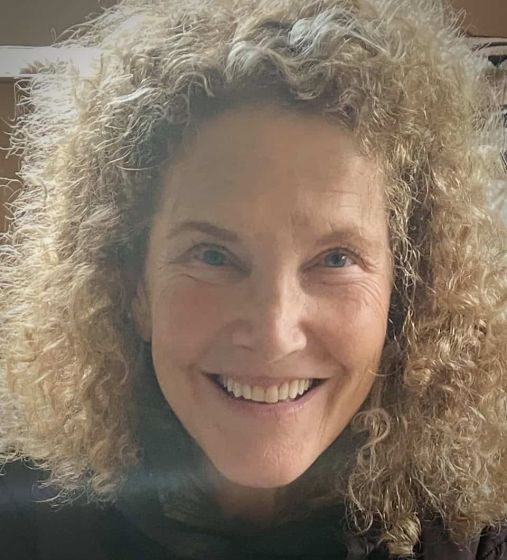
Lena Fein lives in San Francisco, the city of her birth. After receiving a master’s degree in engineering from UC Berkeley, she enjoyed a successful career in high tech and founded a non-profit that funded health and education projects in at-risk communities around the globe. Now retired, Lena enjoys the arts in all their forms, including painting, singing, dancing, and writing. Currently, Lena is often seen taking long walks by the bay and hugging her grandbabies.
Her memoir, "Shattering the Mirror" is about her quest to confront her life and see through the distortions of her traumatic childhood. Now in her late sixties, Lena lives with more freedom, clarity, and love than she ever imagined. The book is really about the truth that healing is possible at any age — and that wholeness is priceless.
Breaking the Silence
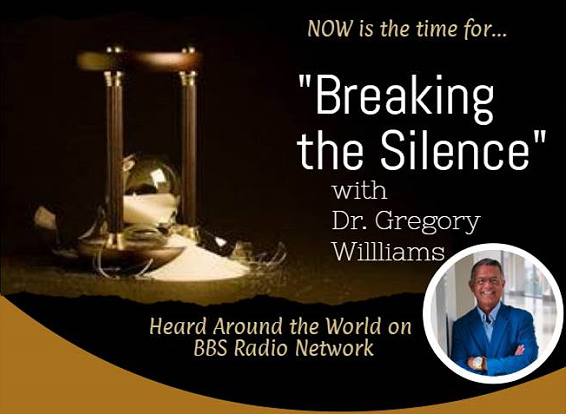

“Breaking the Silence with Dr. Gregory Williams”
Now is the time for you to step out of your own personal darkness and break the silence that has been hidden and closed up inside of you.
“Breaking the Silence with Dr. Gregory Williams” radio program will offer the listeners a Road Map to Hope each and every week with keys to discover within yourself that ray of light to make your day better and brighter. Dr. Williams will not only discuss his own personal journey of overcoming the darkness of years of horrific sexual child abuse in the hands of his father and his father’s friends, but Dr. Williams will also feature special guests that have their own personal stories of overcoming obstacles in their lives and becoming victors instead of victims.
“Breaking the Silence” will also feature information from the professional and medical field that will dive into the important research involving Adverse Childhood Experiences (ACEs) and how to build Resiliency in yourself and in your children. Along with this information will be special guests from greatest minds in the United States to share their expert research and thoughts on this very important subject that each person needs to be aware of.
Now is the time to invest a few minutes each week with some awesome information to give you steps to HOPE and keys to HAPPINESS and PEACE. NOW is the time to Break YOUR Silence and breakout into a NEW and BETTER YOU! Join us each week beginning August 13, 2019 for “Breaking the Silence with Dr. Gregory Williams”. You won’t want to miss a single program. Heard around the world on the best radio network on the airwaves, BSS Radio Network available on iTunes, Google Play, iHeart Radio, Facebook Radio, Spotify and over 100 other high quality digital radio stations.
[00:11] Speaker 1: Welcome to Breaking the Silence with Dr. Gregory Williams. Dr. Williams is the author of the acclaimed book, Shattered by the Darkness: Putting the Pieces Back Together After Child Abuse. Dr. Williams is on the senior leadership team at Baylor College of Medicine in Houston, Texas. And Dr. Williams travels the United States speaking and training professionals, parents, and victims about the importance of dealing with abuse and personal trauma head-on, and not being afraid to break the silence of your own personal pain. Feel free to call in to tonight's show at 888-627-6008. And speak with Dr. Williams and his guests live on-air. And now, your host, Dr. Williams.
[01:25] Speaker 2: Well, there you are. Good evening, and welcome to Breaking the Silence. And I'm Greg Williams, right here in my home in the most beautiful city in the world, Houston, Texas. And you can look right over the, the backside of us here, out over the Texas Medical Center. And you can tell over there by Sugar Land, it is probably raining, it looks like, over there. But we've had a kind of a, a cloudy, rainy, drab kind of a weekend. But I'm so glad that you're with us tonight. And, uh, give us the next 45 to 55 minutes, and we're gonna give you some things that you'll be able to use and apply, and be able to project and help maybe somebody out in your life this week at the office, or God forbid, it could even help you. What do you know about that? It could. And, uh, that's what we're after.
[02:07] Speaker 2: We always try each and every week to give you something that, um, not only to bring in some awesome guests, to let them share their story, uh, never questioning their story, but just be able to unfilter, tell it. And, uh, in that telling of the story, it may even anticipate and maybe start the ball rolling with you being willing to break maybe that shell of silence that all of us have somewhere inside of us. Uh, open to where it can start cracking, and then you can start feeling free to share, whether it's in a, you know, if you write it down in a journal, um, or tell somebody that you trust. My opinion is you write it all down, and then maybe just share a page, uh, with somebody that you trust and see how that goes. And then start communicating. But, uh, over the years, I have found out with my body that's falling apart that if you hold it in, it's gonna end up eating you alive.
[03:10] Speaker 2: Wanna let you be aware and know that this week, you, well, some of our favorite guests we've had on the program was Diana and Micah Lacerte. They were the bodybuilders. They were on two weeks in a row. And this book comes out, The Breaker, comes out this coming week. And it's gonna be all over the nation, around the world. And w- we're trying our best to do everything we can to get that to number one. And I believe this is one of those that if you buy it, uh, you will not be disappointed. And I got to have, uh, breakfast with them the other day, and he signed it and gave me a book. And, uh, it was an honor to get him to meet, uh, them in person here in Houston when they were visiting, uh, some other people while they were here. Uh, there are several different ways to get involved in the program this evening. Uh, the best way I think you can is just by watching, and then if you wanna contact us, uh, give TJ a call there at the BBS Radio station.
[04:05] Speaker 2: He with his wonderful radio voice will say, "BBS Radio, how can I help you?" And you can say, "I have a question for, uh, Greg or his guest." And, um, he'll pass you right on through. And we will talk to you that way. Or, you can get on, uh, Shattered by the Darkness Facebook page, and it looks like we have several people on there that you can comment on that. And during the commercial break at the bottom of the hour, I'll read those comments. Or you can just text me right here, 832-396-6525. Yes, sirree. That is my private number, 832-396-6525. But call TJ if you want to at 888-627-6008. I tell you, tomorrow, I spent, I spent the early part of the week last week in Ohio. Uh, I drove 17 hours up to Ohio to speak all day, uh, on Tuesday, and, uh, had a great time with them from 8:00 to 4:00 in the afternoon. Then got in the car and drove straight all the way back, 17 hours, uh, back to Houston, uh, because I didn't believe in trust in what's happening at the airports right now.
[05:14] Speaker 2: I can't handle that stress. So it's easier to me to be in a car that I can control. And, um, just met some wonderful people. I'm hoping they're on the program tonight, just listening and catching this program for the first time. So thank you for all the people in Ohio that treated me so well. And, um, this Monday, um, I actually, tomorrow, I'll actually be, uh, speaking and training in Washington, DC, our nation's capital, to the entire Homeland Security division. And, uh, gonna be training them, uh, tomorrow. I think it's early afternoon. Uh, so it's gonna be great to be able to be with the Homeland Security. There's so much stuff going in our country right now, uh, the stress that they're going through, I can't even fathom. Uh, so be thinking of me and them tomorrow when we go through that. Uh, I just love talking and training and, and, uh, being able to meet people, and that's what this is all about.
[06:08] Speaker 2: Uh, before I bring our guest in tonight, I always like to share just a, a thing or two that I deal with all the time. And there's a, in my book.There's a chapter. It's chapter 11. And it's called the Terrible Twins. And, uh, I want to just share with you just a- a- a paragraph or two, and then we're gonna talk real briefly on it. There's a set of emotional twins that can reside inside a person's mind. These uninvited guests can take residence inside of your head and stay far too long and for many years. Who are these unwanted guests? Guilt and shame. And it goes on talking about guilt and shame, and the guilt and shame that I still think I take an overabundance of showers, um, because of guilt. Dirty. Sometimes I feel dirty, even though it wasn't my fault. It's amazing how the mind can play tricks on what your emotions should really be, and uh, if you deal with that, I think our guest is gonna have probably greater insight on this than I am.
[07:33] Speaker 2: And I'm- I'm really wantin' to get some free th- uh, therapy tonight-
[07:37] Speaker 3: (laughs) .
[07:37] Speaker 2: ... uh, from her, to prob- be able to pick into her brain, but I think the first thing I needed to do, and maybe you need to do, is acknowledge your feelings. Acknowledge, "Hey, wait, uh, I'm feeling this," but don't judge yourself for feeling that, uh, because sometimes when you have that shame and guilt, it automatically wraps you as a person into a person that somehow becomes unworthy, becomes invaluable, and it downgrades my value in my eyes. And that is the wrong thing to do. And that's why shame and guilt can be so damaging, that it does not define the value you are as a person, and I wanna really instill in that that shame and guilt is a natural response. But I'll tell you what, you need to acknowledge it. "Wait, it wasn't my fault. This was an accident." Yes, I may... It may have been something that was your fault, whatever it was, whatever situation that's bringing this on you, but it doesn't have to define who you are.
[08:45] Speaker 2: And the little demon angel on the one side of your shoulder bes- whispering in your ear, "Oh, yeah, it does. That is exactly who you are," you ignore that. Just acknowledge that feeling of, "Hey, wait, I'm having this," and then when you do that, if those feelings automatically turn negative, challenge those feelings with a face-to-face, "Are these beliefs really even rational? Are they realistic?" The thing... You know, I'm 62 years old. Um, I know I look a lot older, but I'm 62 years old, and the things I have shame and guilt about is when I was 11, 10, 51, 52 years ago. Isn't... Does that seem realistic to you? So I need to acknowledge it and then challenge it. "Wait, I'm not like a... I'm not gonna let the past destroy my present anymore.
[09:42] Speaker 2: That's over." And then if it is from a mistake, because we all fall, we all slip, we all tumble, we all hit a speed bump, we hit a pothole, we all get off the journey of life that we were supposed to be on, we take a wrong road, but with that awesome GPS system that we have in our emotional calibration of what this beautiful gray matter is up here that we call a brain, that GPS like in your phone, when you take a wrong turn, it just says, "Rerouting, rerouting," and if you just automatically start rerouting back. You don't have to stay lost and into the middle of a field and go, "How did I get there?" We need to immediately learn from those mistakes, and instead of dwelling on the past mistakes or failures, focus on the lessons that they teach us and the opportunities for growth that we have. Failure is not sometimes a mistake. Failures are our teachers, and we need to learn from that. If it is a mistake, that's your fault.
[10:51] Speaker 2: If you've been abused or something like that, that's shame and guilt, it's not your fault. It wasn't you that did that. You can't help it that your mom and dad, uh, weren't good to you, or wor- you had a husband that was abusive to you, or you went out with a- a boyfriend that- that... With domestic violence or whatever. That- that's not your fault, so don't- don't try to be wrapped up in that. Get away from that. And then identify the source. Years later, where's that source coming from? Where are these feelings coming from? Audit yourself. Write it down in that journal and- and put all those feelings down. What you're feeling, every gut feeling that you're having, every emotion that you're having. Reflect on specific actions that you're having or the behaviors and the events that you're actually going through at the time. And then what was it that possibly triggered that emotion?
[11:45] Speaker 2: And if you write those down and then sit back in a calm day when you're meditating or quiet time or, uh, whatever, but you're alone and you're, you know, you're thinking, um, "What triggered that? What was I doing?" And then look down that list and see if you can't kind of put that all together. Do some little investigating work. And then you need to practice self-compassion. Self-care is not selfish. I say that every time I go someplace. It's important. You gotta treat yourself with kindness. We are our worst enemies.... we sometimes hurt ourselves, and most of the things that I deal with today, and I- I'm trying to be as transparent as I can, and I wanna hear what our guest thinks about this, most of the things that hurt me today are self-inflicted. Wrong f- wrong feelings, mistreating myself, blaming myself, and that's not the way it ought to be.
[12:57] Speaker 2: I have to be able to offer myself encouragement, offer myself understanding, and for the love of Pistol Pete, we have to forgive ourselves, and maybe sometimes forgive the people that caused it. Every time I say that, I get all kinds of emails and texts, "I'll never forget that SOB." Okay, wait. Uh, let's not go there. If you wanna carry that weight, go ahead, but need to start the process of trying, but don't hold it against you and don't hold it in, because bitter people turn more bitter, and hurt people ultimately will hurt other people. So, you have to end up dealing with it some way and- and try to filter that out of you. It's like all that water that goes through a coffee pot, uh, through those- all those grounds that brings out the great coffee at McDonald's or Starbucks or wherever you got- buy good coffee. I'm not really a coffee drinker. But you don't put the- all the grounds into the coffee. That's all the junk. You throw that stuff away.
[14:02] Speaker 2: Let the- let the lessons pour through, and then open up the thi- the coffee pot and throw the junk away. That is in the past, and let it stay in the past. Every time I let my dad and all those other people, hundreds of people that abused me for all those years mess up one day, 50 years later, I'm allowing the abuse to happen again. And this time, it's my fault, because I'm allowing those to come back. I need to try to shut that down, deal with it head-on, and let that healing begin, and then I need to focus on my strengths. You are all valuable people. You all have strengths, you all have qualities, and you need to focus on not your shortcomings, and you need to shift that focus onto your strengths, your talents, your accomplishments, and hopefully that shame and guilt will be something of the past. But it's just unfortunately like forgiveness. You say you forgive somebody, then all of a sudden you get mad real quick, and you're still mad at 'em. Sometimes it revisits.
[15:19] Speaker 2: It's a rollercoaster. It's a process. Two steps forward, one step back is still progress, and I think that's the way it is with shame and guilt, too. And maybe things will start simmering down, but I- I deal with that a lot. I don't know if anybody else does. But I know I- I talk to a lot of people as I counsel them. Shame and guilt sometimes is that evil twins that we invite into her house and let them mess it up and never evict them. It's time to tap on the front door of that mind of where they're at and put an eviction notice on the door and say, "Okay, it's time for y'all to move out and take over the property that is truly 100% yours." Okay, thank you for, uh, listening to that soapbox. I'll kick that box out of the way. I am excited. Uh, I just read this book today, Shattering the Mirror, and Lena Fine, all the way from the great state of California, is not only an author. She is a retired engineer, a philanthropist based in San Francisco.
[16:27] Speaker 2: Only been there once, but it's a beautiful, beautiful city. A graduate of engineering at UC Berkeley, and she spent decades as vice president of sales and marketing at a successful high-tech company. Of course, if you're out there in California, uh, being in a high-tech business, that's the place to be. Uh, when she was 51, her mother passed away, which propelled Lena on a path of healing. From what? From child abuse, from trauma that happened 40 years before, 45 years before. But the mother passing away somehow had an effect, and it shattered that mirror of what I guess she thought was reality, and she's telling us tonight that it's never too late for you to reclaim, and TJ, bring her into the view here, reclaim your freedom and truth. Lena, it's great to have you with us tonight. Welcome to the program. Tell me right up front, did you always think you was gonna write a book, or was this just something that came out of a need for healing?
[17:45] Speaker 2: Uh, was it a journal at first and then it turned into that? How did you... Did you always like to write?
[17:52] Speaker 4: I always liked to write.
[17:54] Speaker 2: Yeah.
[17:54] Speaker 4: Um, and I- I would say I loved to write. I was always making poems in my head. And at a very young age, I wanna say I was in first or second grade, and I was so excited. I went out and... This is when you could walk to the five & dime and bought a diary.
[18:17] Speaker 2: Yeah.
[18:17] Speaker 4: And I wrote all about my crush on this boy in first grade, and I- I, you know-... I hid the diary, you know, under the mattress. I think somebody on Leave It to Beaver (laughs) did that, so I did it too.
[18:35] Speaker 2: Yes.
[18:35] Speaker 4: And the next day, I came home from school, back in the day when you took the buses and you walked home, and m- my mother was standing at the door with my diary and said, "How dare you? How dare y- how could you write such things?" (laughs) And I was mortified, and I ran in, I went into my room and, like, hid under my covers, and I couldn't wait till my father would come home 'cause I know he'd say that it was not okay to read someone's diary. And, you know, I have three sisters, so four girls, and as soon as my dad came home, my mother read the diary out loud again in front of my sisters and my dad, and I was s- I just remember sobbing on the floor, feeling ch- huge amount of shame, and going to bed and feeling hopeless, not because I wrote the diary, because that, I was s- something was wrong with me and I needed to hide my words.
[19:34] Speaker 4: And that started the trend of something, of blocking that part of my heart that felt so free and expressive and, you know, the journey to be smart, to achieve, to be an engineer, versus really sharing my personal story and taking that love of writing and, um... So that was the triggering event that occurred when I was very young, that I got straight As in school, but that heart base, I never would, wanted to write a story about myself again.
[20:09] Speaker 4: And-
[20:10] Speaker 2: When-
[20:10] Speaker 4: Uh-
[20:13] Speaker 2: When that happened to you, you said it triggered you to become that A student, or was you already an A student?
[20:19] Speaker 4: Yeah, to, well, I, I'm not, you know-
[20:21] Speaker 2: Like, you said kind of a pre-motivator?
[20:22] Speaker 4: Yeah. I was, you know, I did good in school, so I did all the things that got me the A in the class, but when it came to personal things, I didn't know I had kind of a protective film around me, and then my mom was very abusive. We can go into that later. But the bottom line about this, writing our, in our true voice, even when you're eight years old, and if somebody shames you, whether it's a teacher or your mother or your father, it could ch- it shut me down, and I didn't realize that I had shut that little girl innocence down. And when my mother was dying, she died at 51, uh, she was intubated. She was diagnosed with lung cancer only, and she died a week and a half later, and she was intubated her last couple of days. And when I was with her, she was communicating to me with her eyes, and they looked lighter than I'd ever seen them before, not this dark brown. It was light.
[21:23] Speaker 4: There was light shining through, uh, and she was intubated, so she couldn't speak, and I felt in that moment, something in me shattered and I had an awareness of, "Oh, that's my mother. She's having an awareness," is, you know, like, it was a connection that was, up until that point, deep. I felt it in my heart. It was like something in my heart opened, like, "Ooh, there's something there. What is that? Oh, it's love. What is that?" You know, it, it was a defining moment. I didn't think right then that I'd write my story. It took me many years of learning to open my eyes, open my heart, open my voice, and reclaim my story. Never thought I'd be brave enough to publish, and here I am. I wrote my story and how, um, shame, as you mentioned, can really hold you back from living with a full voice and a full heart.
[22:22] Speaker 2: When you saw your mom's eyes, was that the first time you had really felt true-
[22:30] Speaker 4: Yeah.
[22:31] Speaker 2: ... heart-to-heart connection? Like, was it kinda like she realized, or there was a, a divine moment or however you wanna look at it-
[22:41] Speaker 4: I think it was-
[22:42] Speaker 2: ... um, saying, not asking for forgiveness, but you saw the true inside of what love was somewhere inside of her?
[22:55] Speaker 4: It wasn't, for me, it wasn't a thinking moment. It was a visceral, like, vibrational energy of (imitates heart popping) like, uh, something opened in me that connected with her eyes in that moment, and I, she, you know, died, uh, a day or two later, but I remember going home that night and looking in my own eyes and saying, "Wow, maybe I haven't even seen myself. My eyes look different." There was something I could, it was a visceral feeling state. It was hard to put words to, but it changed my life, and then it wasn't, "Oh, this instantaneously, everything's great." I had to go back and really reclaim my stories, look at those stories, um, slowly the shame about my stories and the trauma wasn't taking the driver's seat.
[23:46] Speaker 2: Ah.
[23:46] Speaker 4: And now I can honestly say it was worth the journey because I'm in the world without this false mirror or this protective film, and I'm just being who I am. Just I'm looking in your eyes. I see you. Having a conversation in- instead of holding back that piece that was afraid to be seen.
[24:06] Speaker 2: Was there any knowledge in your world with her past, her childhood, that caused her to be the way she was? Could it be, uh, a generational-
[24:19] Speaker 4: Oh, yeah. Uh, I think so. Um, my parents both came from- my dad and my mother-... were children of immigrants that were poor, made their way, you know, from Russia, Hungary, Europe into the United States and they married really young. My mother married at 18 and she had, like, four girls in five years. I was the second. I don't... I think my mother did the best she could with the tools she had, but her parents... I mean, she grew up during The Depression, um, and during World War II. They lost a lot of family. And I think sh- my mother... I forgive her now. She didn't have the tools. She was an only child and her parents were both working, and I really feel that she had some trauma of her own. I don't know what it was, but it was projected onto her daughters.
[25:17] Speaker 2: And your three sisters, um, same projection on them or were you the one that was kind of the one that everything was thrown at?
[25:26] Speaker 4: Well, it's an interesting question because I always... The abuse, the yelling, the really, like, shaming, "I feel sorry for the man you marry," you know, like, just would occur when it was me home alone with my mother, right? It was, you know, I came home from school and my sisters weren't home yet and I'd get this onslaught from my mother that was just, "Oh, my gosh, what's happening?" And I assumed that I was the bad daughter in the family, but it wasn't until after our mother died that when we started to compare notes, it wasn't safe for me really to relate to my sisters 'cause my mom would pit us against each other. And so I feel that after our mother died, we started to say, "Me too." Like, my sister would say, "Oh, Mom used to do that with me too," but she was home alone. So it ha- the abuse happened when we were home alone with our mother, it was me and my mother, my sister and her mother, and I didn't see my mother doing those same things to my sister.
[26:37] Speaker 4: I didn't find out 'til afterwards, and that was also another healing moment as well. Realizing, oh, (laughs) you know, maybe I'm not just the bad seed, that there was something that was a mental illness, I'm not sure what, with my mother, that, um, she was really abusive for most of my life and it wasn't really 'til I saw her intubated where she couldn't use her... (laughs) that she had maybe her... I see it as an... she had an awakening moment on her deathbed.
[27:07] Speaker 2: Wow. And your relationship with your father, when it was good-
[27:14] Speaker 4: I S- I always adored-
[27:16] Speaker 2: ... did your mother look at that as jealousy type of thing?
[27:18] Speaker 4: ... my father, uh- I adored my father. Um, he would travel. He, we would, he would take us so my mother could get a, our mother can get a break to see the grandparents and things like that, and take us to the zoo. Um, so I adored my father, but he traveled a lot, so he wasn't home for the abuse either.
[27:40] Speaker 2: And when she-
[27:40] Speaker 4: It was like a madhouse and then he got home and it was better than, um, you know, we got punished because m- my mother would say to him, "Oh, you know, Lena was acting up again." And he said, "Okay, you can't, you can't do that. You're grounded for two weeks," or something like that. And I'm, you know, like, "But Dad, but Dad." So I felt like I didn't have a voice.
[28:00] Speaker 2: Right.
[28:01] Speaker 4: But after my mother died, my father lived, um, for another 10 years and I had so many... Like, he came to my house every week for dinner. We had some really real conversations.
[28:13] Speaker 2: And in the, in the relationship that you had with your dad, when she observed moments that you were with your dad, was there a, an animosity? A, a jealousy? A-
[28:27] Speaker 4: I think so, but it was subtle.
[28:29] Speaker 2: Yeah.
[28:30] Speaker 4: Y- yeah. Yeah. And it was really a lot of it for her, and I think this was a projection, was, you know, that whole thing, "I feel sorry for the man you marry." You know, when I was in high school, it was cool to wear hiking boots and jeans and, (laughs) you know, that was the era. And, uh, she'd tease me for my hair, for, "You look like a truck driver," you know? "Your..." Uh, just relentless shaming of the way I looked. And my mother was very, very thin, probably anorexic, and, you know, nothing was talked about what was going on with her.
[29:09] Speaker 4: So it was-
[29:09] Speaker 2: Yeah.
[29:09] Speaker 4: ... projected onto me and to also my sisters. And we've had... My mom's been gone since 2009, so my sisters and I, we, you know, talk and we've compared notes. And so there was healing from that. But that place where I was afraid to be who I was authentic, that I would be shamed if I showed up with curly hair. You know, I used to have really short hair 'cause I was embarrassed by my curls 'cause my mother would, you know, tell me to straighten my hair and, you know, I look like a slob. "Well, this is my hair. (laughs) It's naturally curly." So all those things, it's so worth it to break that layer of shame and then you... It's like you're seeing through a new mirror.
[29:50] Speaker 2: Yeah.
[29:52] Speaker 4: I like my curls, you know? Whatever it is. (laughs)
[29:55] Speaker 2: There you go. Embrace it. There you go.
[29:56] Speaker 4: Yeah.
[29:57] Speaker 2: I'll tell you what, we're gonna take our first commercial break, our only commercial break. On the other side of this, Lena, I really wanna find out, um, a couple more things, questions I have about the book after I read it, and, um, then about the accident, um, and how maybe that-
[30:13] Speaker 4: Yeah.
[30:14] Speaker 2: ... was years before it was ever really released fully in your body.
[30:18] Speaker 4: Yeah. Yeah.
[30:18] Speaker 2: And then about relationships and how important and mind-boggling having a-... parental relationship like that and how it affects your trust over years and time.
[30:33] Speaker 4: Mm-hmm.
[30:33] Speaker 2: We're gonna talk about all that on the other side of this commercial break. 888-627-6008. Don't leave us. You won't wanna miss this last segment. We'll be right back.
[30:57] Speaker 1: Get ready for a life-changing journey. From the best-selling author of Shattered by the Darkness and When the Dark Clouds Come, Dr. Gregory Williams is back with his highly anticipated third book, Embracing Your Scars: Learning How to Turn Life's Pain into Life's Power and Purpose. Have you ever wondered how to transform your struggles into strength? Do you want to stop hiding behind the pain, the heartache, and instead learn how to turn those scars into the very fuel that propels you towards greatness? If you do, then this book is for you. In Embracing Your Scars, Dr. Williams shows you how take the negative experiences of your past and turn them into the very source of your future success. Don't miss out, because your transformation begins here. The book is available soon on Amazon, Barnes & Noble, and wherever great books are sold.
[32:12] Speaker 2: All right, welcome back. We have Lena Fine with us tonight. Uh, an author of a book called Shattering the Mirror: One Woman's Journey, um, of Healing. And where'd you come up with the title? Do you have a copy of the book there in front of you? I bought it on Kindle and, uh, let's see. There it is, right there. Right, move it a little bit. It's hard with-
[32:36] Speaker 4: Hey.
[32:36] Speaker 2: There it is, right there. Perfect. And, uh, Shattering the Mirror, and it's a memoir, and telling about her story, and it, it tells you basically from, uh, which is amazing to me and I never question it, but you, you have memory of three years old.
[32:54] Speaker 4: Uh, my photo... I had, uh, extremely strong photographic memory. I don't have it anymore.
[33:00] Speaker 2: From what age?
[33:00] Speaker 4: From when I remember my younger sister being born. She was 17 months. I remember exactly what happened that day, being lifted out of the crib by my grandmother. Just, I... It was not only visual, it's auditory and the feeling state I was in. So, that helped me write the book 'cause I could-
[33:17] Speaker 2: Sure.
[33:18] Speaker 4: But the meaning I made of things obviously was different. So, the shattering of the mirror is a metaphor, but I did... When I was two and a half, and my sister was 14 months older, the older one, three and a half, and then there was a baby, that's 17 months, uh, younger than me. M- and I remember my mother talking on the phone in the kitchen, and I was playing with my older sister blocks. And I always get, gave her... If she wanted a block, I would give her the block, but on this day, that was like no other day, I decided to be two and a half, I guess, and didn't give her my block. And I held on it, to it really tight, and she was really mad because, boy, I, you know, I always gave her everything before. And she was so mad that she remembers it, that... And all of a sudden, I was flying. Like, we were playing on the floor, floor to ceiling, untempered glass windows, and, um, all of a sudden I felt like I was flying, and it was the most...
[34:19] Speaker 4: I re- still remember the terror of (laughs) going fast. The last memory I have is grabbing onto drapes, and I, then I don't remember anything, and then I'm sitting on the floor, and my mom's coming at me with a towel, and told me, "Don't let go of the towel." Now, I have a photographic memory, but my body's preservation system, um... My nose was actually severed. I, you know, was hanging by a thread apparently. I didn't know that. I don't remember blood. I don't remember pain. I don't remember not having a nose. I just remember doing what my mom said, which is not letting go of the towel, as she proceeded to put me, my older sister, and the baby into the car and take me to the hospital. And then I remember the surgeon, you know, the, the guy in the funny hat coming at me and telling me to be still, and with a kind face. And then my mother, after the surgery, said, "Oh, you were so brave.
[35:16] Speaker 4: You held so still for the doctor, and now your nose is back on." And I was like, (laughs) you know. Um, that accident, I... It wasn't until I was older that I realized, what happened with that accident, in a way, is that, oh my gosh, if you don't give somebody what they want, you're gonna die.
[35:36] Speaker 2: Mm-hmm.
[35:36] Speaker 4: So it's like this kind of overje-... Here, take the block. Take the block. (laughs) Take the block. Um, I... The feeling of not having breath, and the world going too fast... And my strategy, I think, is I beco- I went faster. Let's see if I could outrun the grim re- reaper. So I was moving ahead of actually, you know... I didn't learn until the last 10 years what really being grounded and my full breath really meant. Because I was rushing ahead of it, 'cause I had, was panicking all the time, in some way. It was subtle. I couldn't have named it until I started writing a book. Uh, my memoir, which I didn't think was gonna be a memoir. I was in a fun writing class, and, you know, 10 years later, it turns into a book, a memoir. But that accident, um... I always got a lot of bloody nose, uh-... and, and, and having trouble breathing.
[36:34] Speaker 4: And when I was in my 30s, I had another surgery to correct the shape of my nose, and it was only two years ago that everything in my nose started to collapse so I couldn't breathe at all, and I had surgery with a... I have a cadaver rib in my nose. When I had the bandages and all the packing removed after that surgery and breath went up my nose, I had a panic attack 'cause it was like a, a freeway worth of air coming up my nose, which I had never really had since that accident. And that, in itself, changed my life because I started to realize how it felt to really breathe and became a lot more grounded in who I was without that feeling of panic. Um, so that was also healing, and I feel really blessed that I'm in my late 60s. I'm walking in the world, making eye contact, having full breath, a- and actually being a blessing to the moment instead of maybe a curse or running away from the moment.
[37:40] Speaker 4: I, I really couldn't see that until this last surgery only two years ago, and then I published my book. (laughs)
[37:47] Speaker 2: Wow.
[37:49] Speaker 4: So, um, strange accident, and I remembered it, but I didn't really realize the impact of how that impacted my life, held me back from doing things, thinking I was ugly, you know, and just...
[38:04] Speaker 2: Did, did something overcompensate you to have the inner drive to be a success in everything that you went into-
[38:15] Speaker 4: Yeah.
[38:15] Speaker 2: ... like engineering? Was it because, in the back of your mind, you were-
[38:19] Speaker 4: Yeah.
[38:19] Speaker 2: ... gonna tell your mom-
[38:21] Speaker 4: Yeah.
[38:21] Speaker 2: ... "I am gonna be something"?
[38:23] Speaker 4: Yeah.
[38:23] Speaker 2: Tell me about how that works.
[38:24] Speaker 4: Yeah. I th- You're absolutely right, because my mother was shamed me a lot for the way I looked.
[38:31] Speaker 2: Yeah.
[38:31] Speaker 4: Um, I was klutzy. I was not eye-hand coordinated. I found out years later that's because that nose accent, even though it di- they didn't talk about it right then, it was also a head injury, and that i- impacted my eye-hand coordination, which I really didn't find out till about 10 years ago. Um, so I was teased for being uncoordinated. "No, dan- My mother... Dance lessons would be a waste on you," things like that. So, I developed this thing. "I'm, you know, I'm never gonna be pretty enough, ballet, graceful enough, so I'm gonna... What I can do is, you know, be an engineer and be really smart enough." That's okay, but I shut down all those parts of myself, you know, the feminine, the true voice, looking deeply into someone's eyes and feeling something instead of rushing ahead of the moment. I mean, that makes me sad to think how many moments I missed. I was m- maybe was there, but I wasn't fully there with my breath.
[39:35] Speaker 2: D- Did you compartmentalize-
[39:37] Speaker 4: Yeah. I think so.
[39:37] Speaker 2: ... all of those things? Like, "Hey, this is this. This is the, this is the door I'm gonna open and-"
[39:42] Speaker 4: Yeah.
[39:42] Speaker 2: "... focus on my career."
[39:44] Speaker 4: And I think I did it subconsciously. I mean, it was like, "Oh, I could g- I could do good in engineering. I can get As in school. I'll get a good job." But I didn't really see that... That was all good, but it was really a protection from the more vulnerable, vulnerable parts of myself. And I'm so glad I didn't miss the memo.
[40:04] Speaker 2: Yeah.
[40:05] Speaker 4: That, you know, all it took to get me here, to being-
[40:07] Speaker 2: Yeah.
[40:07] Speaker 4: ... fully who I am. I'm not an engi- You know, I'm retired. I hug my grandbabies. I walk down the street and say hi to people with eye contact and connection, thank people for a cup of coffee, which is something I never really did before. I mean, I was, I had a smile, but I wasn't really in the moment with another human being fully.
[40:28] Speaker 2: Wow. Okay.
[40:30] Speaker 4: It's never too late. (laughs) So-
[40:32] Speaker 2: No.
[40:32] Speaker 4: ... here I am.
[40:33] Speaker 2: How about... How about trust with relationships?
[40:38] Speaker 4: Uh, yeah. I've had amazing woman friends. I still have them since I was, like, n- very young, and so I have really amazing, um, woman friends, um, in different circles. And I think my trust was more with men because I felt like I had to do something, you know, look a certain way. My mom met my father when she was in a beauty contest at a- age 18, and he mispronounced her name. He was the m- emcee, and that's how they met. And, you know, h- she was a real stunner. And so, I felt from a very early age that I wouldn't measure up in that category, so I just kind of gave up. I g- I gave up, and my, you know... Uh, I think that impacted my choice of men, um, as far as what I look for because I was insecure and m- didn't, I don't think had, was in my full voice and full heart, and I've broken through that, too. I mean, it took me a while. I'm a late bloomer.
[41:50] Speaker 4: Um, and I'm glad I have full breath, and I'm glad I have reconnected with the full heart and also my full voice because, you know, even that nose accident, I couldn't even scream because (laughs) blood was in my throat. I don't remember that, but I think that particular accident, that's why I use shattering the mirror, but it's a metaphor for so much else, you know-
[42:14] Speaker 2: Yeah.
[42:14] Speaker 4: ... how, how people look. Um, I'm just thankful, and I have a lot of women, especially in my age group, write me and say, "Wow, that's... Me, too. You're... I felt that way, too." So, the shame is very, I feel, universal.... how people experience it, but it really holds people- us back.
[42:35] Speaker 2: Yeah. Do, do you feel that there's a lot of people, I'm in the same generation as you are, that, um... Although you look a lot younger than me. Um...
[42:47] Speaker 4: I'm older. (laughs)
[42:49] Speaker 2: That, uh... Yeah. But we're in the same generation. Do you think a lot of people in this generation, that World War II, post-World War II-
[42:57] Speaker 4: Yes, I do.
[42:57] Speaker 2: ... you know, what happens in this house stays in this house and, you know, we don't go out -
[43:00] Speaker 1: Totally.
[43:01] Speaker 2: ... ... wanting power?
[43:01] Speaker 4: Oh, my mom was abusive and, you know, my friends said they knew it, they felt sorry for me, but nobody talked about it. It wasn't-
[43:08] Speaker 2: No.
[43:08] Speaker 4: ... at schools. The highest demographic for shattering the mirror is, um, you know, 50 and 65 and up. So, 65 and up women, it's mostly women because I think if you, if there was abuse, we didn't talk about it. I didn't even talk about it with my friends, just, mm-mm.
[43:28] Speaker 2: And was it... At least in- for my upbringing, even in grade school, the teachers were involved in publicly shaming-
[43:38] Speaker 4: (laughs)
[43:38] Speaker 2: ... a large person, uh-
[43:40] Speaker 4: Yes.
[43:40] Speaker 2: ... an economic lower class person, the way they dressed, and would do it from the teacher's desk. I remember them making fun of the- the kids.
[43:49] Speaker 4: Totally.
[43:49] Speaker 2: That was never- never even thought of back then as being abusive or it wouldn't be tolerated today. But they just did it all the time, and picked on people.
[43:58] Speaker 4: In first grade, I mispronounced a word. I still remember the word. It was with.
[44:02] Speaker 2: Yes.
[44:02] Speaker 4: Because, you know, we were in a- in- in a round circle on a reading table and that teacher reached out and yanked my hair and said, "It's with, W-I-T-H, with." And I just had these hot tears go down my face. I- I had so much shame.
[44:20] Speaker 2: Wow.
[44:20] Speaker 4: I was in first grade.
[44:22] Speaker 2: And in that-
[44:23] Speaker 4: So, I- yeah.
[44:24] Speaker 2: Shame and guilt, like we talked about, does that still- does that still revisit you?
[44:30] Speaker 4: No. I feel-
[44:33] Speaker 2: Oh.
[44:33] Speaker 4: Yeah, it's-
[44:33] Speaker 2: That's great.
[44:34] Speaker 4: The mirror's not polished clean all the way, but I feel, I walk in the world without the feeling of shame. Here I- here I am. Oh, I forget my words sometimes. I'm 68, you know. I forget what I had for breakfast, but-
[44:49] Speaker 2: Right.
[44:49] Speaker 4: ... in general I feel more present and available to people. It might be just eye contact, whether it's an Uber driver getting coffee or a good friend. I feel the mo- the moment that I'm at is priceless. Like, the publishing of the book and having... I was so terrified of being shamed. That hasn't happened. So, that has been a healing balm. It's like, wow, it's like I wrote my diary again and this time I didn't get shamed. I don't have to hide it under the mattress. Um, so I'm using my real words, real words in my book, real words when I talk, even if I bobble or forget them. I feel more here than I've ever been because of the release of that shame and doing the work to go, "Wow, I have the memories but the- the meaning I made of those memories was distorted." And the writing of the book helped me release those distortions. And then, writing it wasn't enough.
[45:56] Speaker 4: Doing an audio version and i- in front of a male sound engineer the same age as my son, who's in his 30s, like, feeling like I was gonna get shamed. He never shamed me once. So, all these steps, talking to you today, um, it just helped me see that we all deserve to be who we really are.
[46:18] Speaker 2: And does it-
[46:18] Speaker 4: And I-
[46:18] Speaker 2: Does life get any better than really being able to be 100% authentic?
[46:23] Speaker 4: No. It's great.
[46:25] Speaker 2: Yeah.
[46:25] Speaker 4: And the world obvi- (laughs) obviously things are pretty upside down and crazy. But I decided I'm gonna be in the moment and serve as best as I can in the moment, and hopefully bless the moment and not be a curse to the moment, and that's the best I can do. It doesn't get better than that because I'm in a state of joy and really engaging with who's ever in front of me, and if somebody doesn't feel safe, you know, um, we get a lot of panhandlers here, where I, you know, in San Francisco, and I'll- I'll make eye contact sometimes and sometimes I don't, y- you know. So, I wanna keep myself safe but at the same time I feel like I'm so much more available than I was even two years ago.
[47:06] Speaker 2: I tell you, if you sat in front of a male, uh, sound engineer and did the audio version of that book and you did that without blushing, uh, I applaud you because I was blushing when I read your book, uh-
[47:21] Speaker 4: Yeah, I know.
[47:22] Speaker 2: ... at certain parts and you know what I'm talking about. But-
[47:24] Speaker 4: Yeah.
[47:25] Speaker 2: ... uh, that- that took a lot of- of...
[47:29] Speaker 4: Yeah.
[47:29] Speaker 2: A lot of courage on your part.
[47:32] Speaker 4: Yeah. And yeah, there's, yeah. My son's not gonna read the book, (laughs) you know. So, it's a- oh, it's a- it's a mature woman's book-
[47:41] Speaker 2: Yeah.
[47:41] Speaker 4: ... because of the generation we're in and all those secrets that we've kept. Um, but I appreciate you reading it.
[47:48] Speaker 2: Yeah.
[47:48] Speaker 4: You're not sha-
[47:49] Speaker 2: One question I have-
[47:50] Speaker 4: You're not shaming me.
[47:50] Speaker 2: And I don't know if anybody's ever asked you this question. And I don't even... Uh, and when I read it, I didn't- I kind of went back through to see if I missed something and I speed read, so sometimes I miss things. One of your chapters is The Wicked Witch. The other chapter, another chapter is The Ruby Red Slippers or Ruby and the Red Shoes.
[48:10] Speaker 4: Yeah.
[48:11] Speaker 2: Is there some kind of correlation there that-
[48:14] Speaker 4: I love The Wiz- The correlation is I love The Wizard of Oz.
[48:17] Speaker 2: Okay.
[48:19] Speaker 4: As a little girl, and I love magic, and I always felt, you know, I have things come to me in dreams. So, I love the magical part of myself. Um... Ah-My mother appeared to me as a child as kind of the wicked witch, because-
[48:39] Speaker 2: Okay.
[48:39] Speaker 4: ... especially if nobody was around, it was this really onslaught of verbal abuse and physical as well-
[48:45] Speaker 2: Yeah.
[48:45] Speaker 4: ... pulling hair and things like that, that was really horrible. And facing that and letting it go, and being in the world in a way that I don't experience that kind of abuse. I won't, I won't allow it in my space. But, you know, people make mistakes. So I feel that I'm a lot more confident that I'm deserving and worthy of walking in the world as a whole person that's available to bless the moment with love in her heart, and, um, it's diff- I'm gl- it's a... I'm glad I didn't miss it. I might have missed it in this lifetime, you know?
[49:26] Speaker 2: That's powerful.
[49:27] Speaker 4: Never too late.
[49:28] Speaker 2: No, it's not.
[49:29] Speaker 4: (laughs)
[49:29] Speaker 2: If there was somebody... We only have a minute or two left. If there's somebody that's listened to the program that finds themselves dealing with something like this that has shut them down, and they've been in that shell, and you had them one on one right now-
[49:48] Speaker 4: Yeah.
[49:48] Speaker 2: ... eyeball to eyeball-
[49:49] Speaker 4: Yeah.
[49:49] Speaker 2: ... on the, on the screen, what would you say to those women of how d- what's some of the first steps, uh, as we close out tonight that you'd want them to hear from you?
[50:00] Speaker 4: To, first of all, make an authentic connection and look in their eyes, and, and really step into their world, what they're in pain about. And to say, maybe say, "Me too. Oh, I can see, feel your pain." And maybe hold somebody's hand. I've been in a lot of women's retreat. You know, a woman's hand, who is maybe my age and is having her shame come up for the first time too, and to really be with somebody... I think the best thing we can do is be there as women authentically for each other with our full voice, our full hearts, and listening, and that can be a model, an invitation for somebody else as, as my mom, as she's dying, being intubated, and I'm seeing maybe she's having an awakening on her death bed, she tr- did a transmission to me, that's how I hold it, that caused an opening in me. And I'm hoping that when I have those conversations with women that are organic, that they have that similar opening.
[50:58] Speaker 4: They still have to do the work to uncover things, but I think when you're with somebody that's in their heart and present and breathing and deeply listening, it's, it's a connec- a true, authentic connection, and not just rushing by somebody. So that's what I-
[51:14] Speaker 2: Mm-hmm.
[51:14] Speaker 4: ... you know, one connection at a time.
[51:16] Speaker 2: And it's never too late.
[51:18] Speaker 4: It's never too late at 68. (laughs)
[51:21] Speaker 2: Do you have-
[51:21] Speaker 4: Yeah.
[51:21] Speaker 2: ... another book in you?
[51:24] Speaker 4: (laughs) I don't have another book in me right now, so...
[51:26] Speaker 2: (laughs)
[51:28] Speaker 4: I like hugging grandbabies a lot.
[51:30] Speaker 2: There you go.
[51:31] Speaker 4: (laughs) Yeah.
[51:31] Speaker 2: That's awesome. Wouldn't you-
[51:32] Speaker 4: Yeah.
[51:33] Speaker 2: ... wouldn't you wish you could have grandbabies first? I just love grandbabies. (laughs)
[51:37] Speaker 4: (laughs) Oh. I know. It's like, "I love you. Bye. Grandma's taking a nap." (laughs)
[51:42] Speaker 2: (laughs) Well, I tell you what-
[51:45] Speaker 4: Yeah.
[51:45] Speaker 2: ... uh, show your book one more time right there, where we can... it focuses in on that. Let's see. Back it up a little bit. And it's gonna come into f-
[51:52] Speaker 4: Bing.
[51:54] Speaker 2: ... oh, it's gonna come in there. But the title of the book is Shattering the Mirror, One Book-
[51:59] Speaker 4: Shattering the Mirror.
[52:00] Speaker 2: ... Journey of Healing. Yeah, that, uh...
[52:02] Speaker 4: Sorry, can't see it.
[52:03] Speaker 2: Oh, that's all right. But, uh, you can get it on Amazon right now. Uh, Shattering the Mirror by Lena F-
[52:10] Speaker 4: It's an audible, it's an-
[52:11] Speaker 2: ... E-I-N.
[52:12] Speaker 4: ... Kindle, yeah.
[52:13] Speaker 2: I bought it on Kindle, and I read it immed- it's like 300 and some pages.
[52:17] Speaker 4: Yeah.
[52:18] Speaker 2: Yeah.
[52:18] Speaker 4: Yeah.
[52:18] Speaker 2: Great book. Thank you so much.
[52:19] Speaker 4: Thank you for reading it. And thank you for having it on the show.
[52:22] Speaker 2: Great to meet you, and thank you. If there's ever anything that you wanna come back on the program and share, I didn't even get down any of the list of questions that I was asked to ask you. But hey, this is the way I like to do it.
[52:32] Speaker 4: Great.
[52:32] Speaker 2: I just like to go for the heart, and I like to read the book, and, and find out, uh, really what's going on, not what you can find out.
[52:38] Speaker 4: Well, it's been great being on the show. Thank you so much.
[52:41] Speaker 2: Greg Gust, thank you so much.
[52:43] Speaker 4: Okay, bye.
[52:44] Speaker 2: Like we, like we do each and every week, I always like to share and close out the moment with a, "No matter what." And I think we have a, a good two people right in front of you tonight that's in our 60s, that finally was able to grasp what true purpose, uh, in life's all about. And, um, being real, genuine, and authentic. And hiding all that stuff, masking over it, pushing it down is just not the way to deal with it. The best way to deal with it is bring it up, face it out, and, and deal with it, and then get rid of it and become who you were meant to be from the beginning of time. Uh, but I always wanna let you know, no matter how dark it's getting outside, no matter how dark it's getting in here, there's always hope. Never give up on hope. And between me and you, and Lena, it's never too late. God bless you. Join us next week right here for another edition live from Houston, Texas of Breaking the Silence. Have an awesome week. Good night.
[53:55] Speaker 1: (instrumental music) Thank you for listening to Breaking the Silence with Dr. Gregory Williams. To contact Dr. Williams, dial 832-396-6525 or email him at shatteredbythedarkness@gmail.com. And don't forget to join us each Sunday night at 8:00 PM Central Time, 6:00 PM Pacific, on BBS Radio Station 1 for the next episode of Breaking the Silence.