
Shadow Politics, February 15, 2026

Shadow Politics with Senator Michael D. Brown and Co-host Liberty Jones
Guest, Mr. Charles "Chuck" Hicks, Mr. Black History from the D.C. Black History Celebration Committee
In this episode of Shadow Politics, host Michael D. Brown and co-host Liberty Jones engage in a profound conversation with civil rights veteran Chuck Hicks, known as "Mr. Black History." The discussion bridges the gap between the 1960s struggle and contemporary political challenges, emphasizing that the fight for equality is a continuous process that requires both historical memory and active participation.
The Persistence of Systemic Racism
The dialogue highlights a sobering reality: racism in America has not disappeared but has often been "pushed under the rug," only to resurface with renewed intensity. Chuck Hicks argues that while significant gains were made during the Civil Rights Movement, these successes led to a dangerous level of comfort among the public. This complacency allowed regressive forces to slowly regain control, exemplified by the current composition of the Supreme Court and the resurgence of overt white supremacy. The speakers suggest that the current political climate, characterized by aggressive tactics from the government and law enforcement, makes the modern struggle in many ways more difficult than in decades past.
Lessons from Modern Resistance
The recent protests in Minnesota serve as a central case study for modern resistance. Hicks marvels at the "surge of energy" from a new generation that stood "toe-to-toe" with federal authorities and ICE. This movement is characterized by its inclusivity and innovative tactics—such as using crystals to signal the arrival of ICE agents—demonstrating that even small, organized groups can have a massive impact. The conversation underscores that mass marches, like the Million Man March, remain vital because they "rejuvenize" activists, allowing them to carry the energy of a large movement back to their local communities.
Education as a Tool for Liberation
A significant portion of the discussion focuses on the critical role of Black history in the American education system. With "civics history" fading from school curricula, Hicks advocates for the return of "Freedom Schools"—after-school programs held in churches and community centers to teach the contributions of African Americans, Latinos, and other marginalized groups. The hosts reflect on how historical narratives, such as the Amistad story, are often omitted from standard textbooks, leaving even highly educated citizens ignorant of the foundational struggles for justice in the United States.
Intersectionality and the Economic Struggle
The speakers address the evolving terminology of social justice, specifically the term "People of Color." While individual groups maintain their unique identities (Black, Asian, Latino), the term represents a "collective power of unity" against a shared experience of racism. However, Hicks notes that the modern fight has expanded beyond race to include a battle against "greedy" capitalism. He points out that economic disparities—such as the lack of supermarkets in predominantly Black wards compared to wealthy white ones—are tools of control that affect the "average person" regardless of race, as inflation and stagnant wages make it impossible for working families to survive.
The discussion concludes with a message of resilient hope. By drawing strength from history and maintaining a unified front across different racial and economic backgrounds, the speakers believe that current hardships "too will pass." The ultimate goal remains a "United" States where the multicultural tapestry is recognized as the nation's greatest innovation and source of strength.
Guest, Charles Hicks
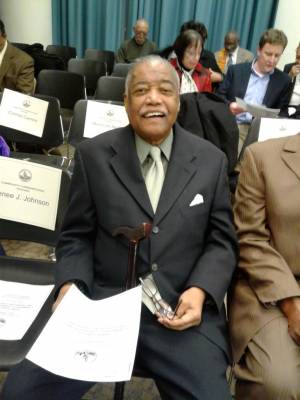
Charles “Chuck” Hicks is the founder and director of the DC Black History (https://dcblackhistory.com/) Celebration Committee which celebrates black history year-round. He is a community activist focusing on issues that directly affect the community. Hicks serves on several Martin Luther King Jr. committees providing guidance, leadership and support. His work includes serving on the executive committee of the Martin Luther King Jr. DC Support Group, Inc.and the Martin Luther King, Jr. Scholarship Award Committee. Hicks co-chaired the DC Host Committee for the dedication of the Martin Luther King Jr. Memorial. He was co-chair of the DC Host Committee for the opening of the new National Museum of African American History and Culture. Hicks is also a member of the Southern Poverty Law Center.
Hicks is also a member of the DC Commission on Aging and the newly appointed DC Commission on African American Affairs. He also serves on the Commission on Black Men and Boys under the purview of the Honorable Eleanor Holmes Norton. He is also a devout member and trustee at Greater New Hope Baptist Church in Ward 1. Hick co-hosts with Joni Eisenberg the “Heal DC” radio broadcast on WPFW 89.3 FM. His service to the community also included work as the coordinator of labor for the District of Columbia for the Million Man March in 1995. Hicks was also a member of the 50th Anniversary of the March on Washington Committee. He is the president of the Robert “Bob” Hicks Foundation which advocates for human and civil rights.
Hicks is also a proud member of the NAACP. He is also well known for providing 35 years of service to the DCPublic Library’s Black Studies Center. Hicks is a supporter and advocate of the African American Civil War Memorial &Museum. He is also founder of Bread-for-the-Soul Toy & Book Party – an HIV and AIDS organization which provides toys and books for Christmas to children whose parents have HIV/AIDS and to children who are diagnosed with HIV.
He is the former president of the AFSME District Council 20 and is a current member of the retirement chapter.Hicks continues his work as a member of the DC Democratic State Committee and is a dedicated member of two organizations that advocate for statehood for the District of Columbia – Stand Up! for Democracy in DC (Free DC) and DC for Democracy. Hicks is a member of the Waterside Tenants Association where he advocates for tenants’ rights and information transparency. He is widely recognized for his support for the arts and community programming. Hicks is also an active member of several study groups.
Chuck recently received the 2017 Community Cornerstone Award from DC Councilmember Anita Bonds.
Shadow Politics

Shadow Politics is a grass roots talk show giving a voice to the voiceless. For more than 200 years the people of the Nation's Capital have ironically been excluded from the national political conversation. With no voting member of either house of Congress, Washingtonians have lacked the representation they need to be equal and to have their voices heard. Shadow Politics will provide a platform for them, as well as the millions of others nationwide who feel politically disenfranchised and disconnected, to be included in a national dialog.
We need to start a new conversation in America, one that is more inclusive and diverse and one that will lead our great nation forward to meet the challenges of the 21st century. At Shadow Politics, we hope to get this conversation started by bringing Americans together to talk about issues important to them. We look forward to having you be part of the discussion so call in and join the conversation. America is calling and we're listening… Shadow Politics is about America hearing what you have to say. It's your chance to talk to an elected official who has spent more than 30 years in Washington politics. We believe that if we start a dialog and others add their voices, we will create a chorus. Even if those other politicians in Washington don't hear you — Senator Brown will. He's on a mission to listen to what America has to say and use it to start a productive dialog to make our democracy stronger and more inclusive. If we are all part of the solution, we can solve any problem.
[00:00] Speaker 1: (singing) No taxation without representation. 200 years of exploitation in the capital of this nation. No, no, no, no, no. No representation in the capital of this nation. 200 years of exploitation. Give the people their right to vote. Someone asked me was it true. The voting rights of the district were long overdue.
[00:35] Speaker 2: That was Sweet Honey in the Rock with Give the People the Right to Vote. Good evening and welcome to Shadow Politics, an hour-long grassroots talk show that is on a mission to make America think again. I'm your host, Michael D. Brown, United States Senator Emeritus, and along with my amazing co-host, Liberty Jones, we are interviewing the people that are making it happen. Not always in front of the camera, but always ahead of the curve. We're not going to let- We're not gonna tell you how to feel or who to vote for. We're just putting the information out there because it's what goes on in the shadows that really makes the world go round. So come, listen, learn, because a vote is a terrible thing to waste. And now more than ever, we need everyone learning, listening, and engaged if we are gonna make America sane again. Tonight's guest is Chuck Hicks. He's been on the show many times. He's an amazing man. We call him Mr. Black History.
[01:39] Speaker 2: He's not- He not only an expert on Black history, he's actually part of the civil rights history of America. His home that he grew up in, in Bogalusa, Louisiana, uh, has a trail marker on the Civil Rights Trail. Great honor to the work that his family did, uh, in the Civil Rights movement. And we're so glad to have him with us today because what went on in, in the 1960s and '70s- well, even earlier, in the '50s, '60s, and '70s, is reminding me of what's going on today and it's scaring the hell out of me. So Chuck, thanks for being on the show. And Liberty, welcome to the show. She's with us too.
[02:22] Speaker 3: I'm so happy to be here.
[02:24] Speaker 2: Okay, Chuck, let's start. You know, they say that, that welcome and, and they say that people that don't learn from history are doomed to repeat it. So tell us, Chuck, what, what are the big lessons that we need to learn from the Civil Rights Movement?
[02:43] Speaker 4: Well, one of the things we need to learn from the Civil Rights Movement is that, uh, people who are oppressed will not give up. Uh, the- there is a struggle going on and they will not give that struggle up, uh, just because things are difficult. Uh, there's always been difficult times in America for people of color, uh, women and other people, uh, but no one has given up. Um, and there have been some progress made and it got easier, but, uh, we, uh, keep our hands on the fire as they say in, uh, Sweet Honey in the Rock.
[03:28] Speaker 2: Well, let me ask you, there have been gains made. I don't think anybody would doubt that. But have we pushed racism and, uh, have we pushed that under the rug for many years and now it's resurfacing? Or have- Y- you know what I'm s- I mean, it seems to me that many of the bad things that were said, uh, during the, the Civil Rights Movement have, have raised their ugly heads again. Antisemitism, um, uh, I don't see ICE, uh, uh, arresting any white people. You know, it's just Black and brown people. Um, uh, we- you know, they- there was that horrible, horrible situation in Minnesota where two American citizens were killed, but, you know, they're targeting Black people. Uh, so have we really- have we ever- have we made great strides with racism or is it still out there and it's just not as- not- not as front and center now?
[04:35] Speaker 4: I- I think r- I think racism is still here. It has not gone away. I think there have been some gains and for th- some people, uh, to see those gain was to- was to perhaps get comfortable, thinking that if we've gone this far, things will begin to turn over our way more so. Uh, but I- I think that we have to always remember that it is difficult, uh, to be Black in this c- in, uh, in America. It's difficult to be a person of color in America. And sometimes it's even difficult to be a woman in this country. Uh, and sometimes, uh, we- the way moves and we get comfortable, but I think that, uh, people have not given up keeping their foot on people of color's neck as long as they can. And they got- uh, perhaps we got more comfortable with some of the gains we made. And certainly for some people thinking that, uh, getting Obama elected and, uh, some of the other presidents we had that we were on a new road.
[05:48] Speaker 4: But there is a li- large percentage of people to a degree who are moving, who are flexing their muscles in terms of racism. Uh, and I think we- we've gotten surprised to see that it's still happening. Uh, perhaps many of us knew, uh, that it was still here and in many old ways, um, we know, uh, that things were not changing. Um, but-One of the things that we can see is that it certainly is here, and it's raising its ugly head. And it's worse now than, than it was, uh, before in many cases, uh, that if you are Black or brown, uh, that, you know, uh, uh, with the, uh, the government being the force of, of this, uh, racism now, it makes it more difficult to fight. Uh, but we can't give up.
[06:46] Speaker 4: Uh, we, we must not never give up, um-
[06:49] Speaker 2: Well, well-
[06:49] Speaker 4: ... because if we give up, then, uh, where do we go?
[06:53] Speaker 2: Yeah.
[06:53] Speaker 4: And so we can't give up. Uh, we have-
[06:56] Speaker 2: Well-
[06:57] Speaker 4: Sometimes we get comfortable, but then all of a sudden, then the good thing, uh, for many of us who've been around for a while is that there have always been some people pushing, uh, uh, that America is still not where it should be. Uh, and I think the strategy that, um, uh, Republicans and other people who, um, uh, are racist have been to take their time to, to, to slowly inch like a worm until they can get control again. I mean, the fact that, uh, the Supreme Court is, is, made up as what it is today is just atrocious. But, uh, we, you know, we, we got comfortable, I think, in, in America that we thought it was gonna be okay, uh, to be, uh, whatever we wanted to be, and things were gonna go our way. Um, but that is just not... It doesn't work that way. Ra- racism doesn't work that way, and America has always been, uh, difficult for people of color, for women, uh, and for people who are progressive.
[08:10] Speaker 4: Uh-
[08:11] Speaker 2: Well, I mean, that's absolutely-
[08:13] Speaker 3: I-
[08:14] Speaker 2: Oh, sorry.
[08:15] Speaker 3: You know-
[08:15] Speaker 2: And let, let, yeah, let's hear from our resident woman, because, because things have been tough for women. Got a question, Liberty?
[08:23] Speaker 3: Yeah. You know, I think that's really beautifully said. I think it's important to acknowledge that even though there is a visible pendulum on progressiveness and regression, um, people in power are intimidated by losing their power. And I think that what women have to fought to work for, the community they've built, and especially, you know, people of color, Black people, Latino people, East Asian and Asian people, I think that there is great power that we've learned through those battles. And I think now, more than ever, people who are sitting with that power that they have been handed to them are intimidated by that. And I think it's really, really nice to have you on the podcast today. You know, happy Black History Month. And I want to learn from you, because I, I want to understand as a young person today, what is some advice you have? I think what we're going through right now is really similar to some movements we've had in the past.
[09:29] Speaker 3: What is some advice right now to make sure that we're doing the right thing and that we are not intimidated by people stripping us of our voice and our autonomy as minorities in this country?
[09:42] Speaker 4: I, I think one of the things that's important to know is that there's always been people who've been in this struggle. Uh, and some people have not let go of the reign in terms of pushing forward. And I think the lessons to be learned are, number one, I am so encouraged by, uh, the number of people who have been turning out, uh, in terms of all over the country, uh, in terms of protests by putting their voices and their feet, uh, on the pa- uh, in the, in the roads. And we're not gonna just sit back and let this happen. Uh, and people are amazed at the number of people who are showing up and they're, they're not people who are 80 years old. Uh, there's some who can get out and do that, but there's a new, a new movement, uh, that is out here, and that they, it's that new movement that's doing that pushing. And I think one of the most incredible things and lessons to be learned is Minnesota.
[10:47] Speaker 4: Wow, Minnesota is just such a lesson to be learned, that those people in Minnesota just made up their minds they were not gonna be intimidated. I don't care what you did, they were gonna be there, they were gonna stand toe-to-toe with you, and it was just absolutely wonderful to see. That's the strength, that's the lesson, that's the encouragement for all of us to say, "It can happen." Who would have ever expected that in Minnesota, they would have turned around and did what they did in terms of toe-to-toe every day, every hour, every second, even with the whistles and finding new ways to, to, to, uh, confront, uh, ICE, uh, and the, and the government. Uh, it's just been, uh, enormous, uh, shed of energy, just a surge of energy, a shock, that people needed to, to know that. Minnesota has been just an, I mean, it has been, uh, and all the, all the other protests in terms of that have been going on in, in Washington and throughout the country.
[11:49] Speaker 4: But the standout, the, the real story became whether or not they were gonna be able to take over Minne- Minnesota, and they lost that. And that's, that's a wonderful, uh, uh, concept. I understand that if it could happen in Minnesota, it can happen in Iowa. It can happen any place. If people are going to stand up, they can only push people so far. And if people believe that we are to be a country of humanity, of, uh, concern, of caring, and to do what's right, who believe in justice and fairness, uh, and that we're not gonna let a group of people turn us around. We're not.Uh, and I'm, I'm encouraged to see all the young people and all the people who are coming out. And people who didn't... In Minnesota, people who n- never came out before, came out. I mean, you can only put y- put your foot on a person's neck for so long without them beginning to raise up. And it's happening.
[12:55] Speaker 2: Well, and you know what? I see a lot of older people out there too, Chuck.
[12:59] Speaker 4: Oh, yes.
[12:59] Speaker 2: People that probably remember, remember what-
[13:03] Speaker 4: Oh, yes.
[13:03] Speaker 2: ... what the 60 was li- 60s was like. Uh, but let me ask you, since you were, uh, the labor coordinator for the Million Man March, do we need another Million Man March? Do, do, do we need to show up and... This man is gonna try to steal our elections, and do we need to organize something and have people show up en masse in Washington to say, "No, you don't." How important is that? How important is it for us to-
[13:32] Speaker 4: I, I think it's very important.
[13:33] Speaker 2: ... to put our feet on the ground? Yeah, for you to do.
[13:36] Speaker 4: I, I think it's incredibly important that we show up, uh, in the nation's capital to let the world see that we're, we, that we are fighting. But I think it's equally important that people in their communities band together and say, "This is my community and I'm not gonna let you take it over." It, it's just an incredible confrontation that people didn't believe would... That, uh, Minnesota could do that.
[14:05] Speaker 4: Uh, that people in Min- in, uh, Minnesota, Minneapolis too would, would come out and just stand toe to toe for days and days, Rodan, and-
[14:16] Speaker 2: Yep, yep.
[14:16] Speaker 4: ... days and days.
[14:17] Speaker 2: Yep.
[14:17] Speaker 4: And in terms of all the things that they were, uh, they were, they were, ways they were treated and pushed, they never backed down. And I think that we have to form in our communities while we have m- mass marches. One of the things that's encouraged by mass marches, uh, e- even in the civil rights movement, if you were in a small town like Bogalusa, and then you went to a march in New Orleans or Baton Rouge or some big place, what it did was it rejuvenized you. So when you got back home and it's 150 of you instead of, uh, 10,000, you still had that energy because you came from all over and you met people who were in the same, doing the same fight that you were.
[15:07] Speaker 2: Mm-hmm.
[15:07] Speaker 4: And while numbers are important, strength is important. And as long as people can come together and say, "We're not gonna... If it's only 50 of us, we're gonna stand as 50 and we're gonna find ways," (coughs) to do what we need to do to fight the power. You know, and sometimes it's finding different ways and different objectives in terms of how you, how you confront the problem with people. I think the idea that, for an example, that they had those crystals.
[15:34] Speaker 2: Yeah.
[15:34] Speaker 4: And they started blowing those crystals when ICE came around. That was just sheer genius because it made everybody aware, "Hey, they're out here. They're coming." Uh-
[15:46] Speaker 2: Yeah.
[15:46] Speaker 4: ... and I think it's finding ways that you can take a small group of people and make a big impact.
[15:55] Speaker 2: Well, you know, I, I... Before I let Liberty ask another brilliant question, just let me say that, uh, you know, um, the Justice Department, it, it, it's, it, it amazes me that these guys keep on talking about how Joe Biden and, and, and Barack Obama weaponized the Justice Department. And now they're out there, uh, with Pam Bondi just sitting in front of Congress and bald-faced lying. I mean, she's not even exaggerating. She's just telling, she's just telling lies. Now, the Justice Department was at the center of helping, uh, minority people in America, uh, the Civil Rights Act, uh, the Voting Rights Act.
[16:41] Speaker 2: We, we know all the legislation that helped, uh, Black Americans, uh, you know, get-
[16:48] Speaker 4: Senator.
[16:48] Speaker 2: Yeah.
[16:49] Speaker 4: When we looked back-
[16:50] Speaker 2: Yeah, come up. Y- y- y- how much does this hurt, that, that, that the Justice (laughs) Department is now, uh-
[16:56] Speaker 4: You know, Senator, I, I think back and we had Hoover. Who was-
[17:01] Speaker 2: Yeah.
[17:01] Speaker 4: ... worse than Hoover? Hoover-
[17:04] Speaker 2: Mm-hmm.
[17:04] Speaker 4: ... was, was a dog. A- and we t- we went through that. We didn't give up.
[17:10] Speaker 2: (laughs)
[17:11] Speaker 4: And, you know, Pam Bondi, we're gon- we're gonna get her. And the difference, I believe, is, you know, proof is in the pudding, that we got elections coming and people are gonna turn out in droves, get to make us safe, this election.
[17:25] Speaker 2: Yeah.
[17:26] Speaker 4: That's why they know that the elections are coming and they are gonna be... There's, uh, there are gonna be some changes, John. But, you know, we can't... You can look back on history. Look what Hoover did to King and all kinds of people.
[17:38] Speaker 2: Yeah. Yeah.
[17:39] Speaker 4: Uh, gay people. To... I mean, he never stopped. Uh.
[17:44] Speaker 2: Yeah.
[17:44] Speaker 4: And so this is nothing new in terms of the kinds of techniques and, uh, things that, uh, people will do when they're in power and they're afraid, and know that they're not gonna let, they're not gonna be able to hold on. That what is wrong, uh, that people are gonna stand up. And this country, people, I believe, have an incredible belief in democracy and what this country is and will be, and shall be, and that nobody is gonna do that, uh, and that we will fight and fight. We, uh, when we're not, uh, not... When we're knocked down, we're gonna get back up and we're gonna fight some more. Uh, now this is not, this is not gonna ever just be, uh, it's gonna be democracy and everything's always gonna be w- gonna be all right. It's not. When we get back in power, they're gonna be, they're gonna be planning. We have to keep our eyes on them. We have to watch them.... uh, but as a saying in the Bible, it says, "This too will pass." And it will.
[18:49] Speaker 3: Yeah. That's a beautiful saying.
[18:52] Speaker 2: It is.
[18:52] Speaker 3: Um, I really appreciate that because I was reading an article the other day about the Underground Railroad. And I think there is a lot of similarities we could make to nowadays, the issues we're seeing with ICE and migration. Would you agree with that?
[19:11] Speaker 4: Oh, yeah. Uh, I, I think what Harriet Tubman did was just an inspiration, um, for lots of people, uh, and that, uh, we still have to fight. And we have to find new ways of fighting and meeting challenges, and as we saw it, uh, I just can't help but think there are other places in, uh, in Chicago and other places that things have, uh, they stood toe-to-toe with ICE. Uh, but the incredible story, I think, it's been, uh, who would ever thought that Minneapolis, Minnesota would be the showdown? And, and, and what happened? First of all, they killed two people.
[19:57] Speaker 2: Right.
[19:57] Speaker 4: And then on top of that, that, you know, th- they brought in thousands, uh, 4,000 troops, uh, ICE people. They never, people never backed, never, uh, they were just, "We shall not be moved," and they stood their ground. And we have to, uh, we have to, we have to stand our ground and be examples so when this comes back around another time, they can say, "Ah, remember when they had movement, the Civil Rights Movement? Remember ICE? Uh, remember what people did?" So it's our turn now, you know, to stand our ground for what's right.
[20:35] Speaker 4: Those who can't fight and for those who have fought but can't fight anymore, uh, we have to be able to stand our ground and say, "This too will pass, and we'll fight to have it pass."
[20:51] Speaker 2: Yeah. Y- y- you know, Chuck, I wanna, I wanna move a little bit and talk about Black history. How important is it that African American children and white children understand Black history in America and understand the struggle? You know, there's an old saying that those who, who, uh, do not learn from history are, are doomed to repeat it. So, uh, we started out the show that way. How important is it for us to teach Black history?
[21:26] Speaker 2: I know that-
[21:27] Speaker 4: Well-
[21:27] Speaker 2: ... uh, c- uh, civil, c- civics history is, is something they don't teach in school anymore. But, so... I'm sorry. Go ahead.
[21:35] Speaker 4: Well, I, I think Black history is incredibly important, first of all, for, for Blacks, uh, for Black children, for Black people, just to know what Blacks have done in this country, uh, just is absolutely important. I think it's also important, uh, to know for white, uh, and, and people of color to know the contributions that African Americans have made, oftentimes not getting credit for it. But, uh, I also think, um, what's important is that when gang... I remember when there wasn't Black history, um, and we created, and then when they, uh, uh... We couldn't have Black history, we had Freedom Schools. What happens is when kids got out of school, uh, after school, they had Freedom Schools, and Freedom Schools is where they came in and taught Black history.
[22:25] Speaker 4: And so when they take Black history out of, um, schools, we said, "Well, we'll start Freedom Schools again." After school, they'll ha- they'll have, they went to churches and things, and they, and they learned, and we got incredible resources down there we didn't have then. We got the computer, uh, that can just share so much. Uh, uh, we got, uh, all forms of information that we can now pass, you- you know, pass out to, to everybody, not only for Blacks but for whites and people of color. Uh, and so there are all kinds of ways that if they take Black history out of the school, we'll go back to churches and community centers and wherever we need to go and teach Black history and teach Brown history.
[23:15] Speaker 4: Um, uh, it's, you know-
[23:17] Speaker 2: Well-
[23:17] Speaker 4: ... people have learned, and we- we won't not teach, we will not not teach Black history and people of color history and women history and gays history. We won't, we won't <|agent|><|en|>
[23:27] Speaker 2: Well, God bless you.
[23:28] Speaker 4: ... make any accomplishments of that.
[23:30] Speaker 2: God bless you for one of the people that's out there doing that. And that, that's why we- we've had you on our show because, uh, you, you really... And you- you've been here every year for many years on, in- during Black History Month because I agree. It's really, really important. And, you know, it amazed me when I got into college, for example, Chuck, when I, I was already out of graduate school, and I studied American history for years, and I didn't know about the Amistad. I remember learning about the Amistad, they did a movie about it.
[24:02] Speaker 2: And so I-
[24:03] Speaker 4: Right.
[24:03] Speaker 2: ... I read a book about it, and I'm like, "How could I have not known about this? How could they have not taught me this in history?" It's such an amazing story, right?
[24:12] Speaker 4: Yes.
[24:12] Speaker 2: A former president of the United States, the battle over slavery, uh, international affair. I mean, it was such an amazing story, and I'd never ever heard any of it. So, uh-
[24:25] Speaker 4: I, I-
[24:25] Speaker 2: ... it's f- I agree.
[24:27] Speaker 4: I am-
[24:28] Speaker 2: Go ahead.
[24:28] Speaker 4: I just so, uh, marvel at all the information that's out here now, uh, that we didn't have before. And that... One of the interesting things that I, I find interesting about, uh, Black history, uh, and Black History Month is that...Everybody wants to find a way during Black History Month to do something f- around Black history. Uh, and now there's incredible amount churches and community groups and, uh, different groups and, uh, do something for Black history. We are doing a program, uh, at West Minister next, uh, Saturday on Black history with Reverend ******, and then we're doing a program on James Baldwin at the Lincoln, uh, on Monday. And it's all free so that people can learn Black history. And churches are doing all kinds of Black history. Uh, I went to a church and spoke last week about Black history and just all kinds of ways that Black history is, is being taught and done and shared.
[25:32] Speaker 4: But it's important, one of the interesting thing about Black history is that people feel that while they take a lot for granted for Black history, during Black History Month, they wanna... people wanna say, "I went to something. I did something for Black history month. I learned something new. I supported something for Black history so that other people could learn." Uh, and the statements of people of color with Latino history, it's important.
[25:59] Speaker 4: And during the-
[25:59] Speaker 2: Yes.
[25:59] Speaker 4: ... during those... I mean, and there's so much Black history going on now every day, uh, every day. Uh, but there's a time set aside that now says we will focus directly on the contributions that African-Americans and people of color and white people have helped before to make Black history important today, and to show the, the work that, uh, Blacks did to make this country where it is today.
[26:29] Speaker 2: Well, before I... before you ask another question, Liberty, let me ask you a question. Should there be a Latina/Latino History Month?
[26:38] Speaker 3: You know, I believe there is actually, but I don't think it gets-
[26:42] Speaker 2: Oh, there is?
[26:42] Speaker 3: ... much recognition as there should be. (laughs)
[26:44] Speaker 2: Well, that's because they're off. They're tired. They don't know anything.
[26:46] Speaker 3: And, you know, actually, they call it a Hispanic... they call it Hispanic Month, which-
[26:50] Speaker 4: We know of Hispanic Month. Yeah.
[26:52] Speaker 3: It's exclusive to the Brazilians and the other countries that don't speak Spanish, but that's okay. (laughs) Um, so I was reading that New York Will-
[27:03] Speaker 4: And of course, in D.C., we have the Office of Latino Affairs.
[27:07] Speaker 3: Oh.
[27:08] Speaker 4: In D.C.
[27:08] Speaker 3: That's good. That's good. You know-
[27:11] Speaker 4: Yes. They sell all-
[27:12] Speaker 3: What, what are your thoughts-
[27:13] Speaker 4: ... all kinds of programs.
[27:14] Speaker 3: What are your thoughts on... So nowadays, my generation, I'm a college student, we call Black people and Latinos and all of them, we put them in this box called people of color, right? This is a new term that's coming along. And I've been thinking a lot about this recently. I wanna hear your opinions. Do you think this is more progressive and politically correct, or do you think nothing has changed, and if anything, we're just finding more people to put in a box?
[27:45] Speaker 4: Um, with the term people of color?
[27:48] Speaker 3: Yeah. What do you think of that term? 'Cause I don't know how I feel about it.
[27:52] Speaker 4: Well, I think Black people always identify themselves as Black, and that's how we see it. People of color, I think, is a term that sometimes embraces, uh, all generations of color collectively. But, uh, like there's, uh, uh, the Asian community, and they see themselves as Asian. There's a Latino community oth- and they see themselves as Latinos. But collectively, when you're talking about a group of people, I think, is used in that sense, uh, to say people of color, um, but each of the, of the persons of color identifies that they're... with their color. Uh, so I think it's used sometimes collectively, uh, but people... Black people will always see themselves as Black. Uh, Asian communities will see themselves as Asians. Uh, people... Latino community will see themselves as Latinos. But collectively, sometimes that phrase is used to say we're all in this struggle together as people of color.
[28:58] Speaker 3: Oh, I see. So there is a power to that, 'cause in my mind-
[29:01] Speaker 4: Yeah.
[29:01] Speaker 3: ... I was like, okay, so everything but white? But I guess-
[29:05] Speaker 4: Yeah.
[29:05] Speaker 3: ... there is a collective power of unity when we-
[29:07] Speaker 4: Oh, yes, yes. You know, uh, uh, w- we... if, if Blacks don't support the Asian community and their, their challenges and the, uh, and Latino community besides Hispanics, then w- we're separating. You know, we want to identify with the contributions that we as a, as a race have done, but also we want to be supportive when we collectively come together, because racism knows no color. Uh, you know-
[29:39] Speaker 2: Right.
[29:39] Speaker 3: ... they just pick out, uh, Blacks and not Latinos, you know. Well-
[29:44] Speaker 2: Mm-hmm.
[29:44] Speaker 4: ... all racism is here. Uh, and so we collectively fight racism, and then, uh, and we collectively, uh, independently recognize the contributions that each, each o- of these races have made and are making, uh, so that we can encourage our children and children to come and even our, uh, uh, grandparents to be, to be proud of what has been accomplished and what we're doing.
[30:12] Speaker 3: Absolutely.
[30:13] Speaker 2: Well, you know... you know, I just wanna... I wanted to make this comment earlier, Chuck. You said Black people have always struggled. I want to say that I've been involved in many hundreds of, of conversations about racism and civil rights over the years with other white people. And I've heard white people come up with many excuses for racism, but I've never once, never once heard a white person say, "I wish I was Black. It would be easier," or, "I wish I was a Latino. It would be easier." Uh, you know, I think we're all aware of that, that, uh, minorities have always struggled in America, even though many of us may not want to, uh-... uh, admit that. And let me ask you, this is a horrible question to ask, but, uh, we shouldn't have to ask this. But do you think it makes a difference that those two people in Minnesota were white people? Does that make a difference? Does that make it a more powerful message for America?
[31:17] Speaker 2: Uh, is America gonna see themselves-
[31:18] Speaker 4: Well, what I think... Well, what I think it, it did or does is that it shows you that in this country, racism, in terms of classism and, uh, and the power structure, that if you... that whites can be dis- mistreated. Uh, one of the interesting things about the civil rights movement so often was that oftentimes when people got into the civil rights movement who were white, they had no idea of how police and racism was. Because they'd grown up in, they in a community where if they... So often when in the movement I would see, uh, some, uh, young white college student, uh, come to a part of the movement for picketing or something, and, uh, they would be picketing. And all of a sudden, they would, uh, the police be confrontational. And that white student would say, "Officer, what's the problem here?" Because in their ne- in their neighborhood, uh, neighborhood they'd grown up with, police were not enemies or, or racist.
[32:28] Speaker 4: If there was a problem, you go, you, "Officer, what's going on here is, in the community?" And they thought they could transcend that concept in a, in, in, uh, a Black community. And that's when they would get, uh, pounded with the Billy Club because, hey, you're not white. You know, you're not in a white community now. You're, you're challenging our power. You're trying to take something from us that we don't want to give you. You know, it's about them taking. People are afraid to share what all people should have naturally. They want to keep it to themselves because they feel that if everybody gets equality, they're gonna lose something, they're gonna lose out. Uh, that is not the case. We all grow, we all get better, uh, when we share the power.
[33:18] Speaker 2: That, that's exactly right. And, you know, I, I've heard a lot of people say that they were amazed that, uh, many Latinos, many La- La- Latinos voted for Donald Trump. You know, but I was not amazed because my grandmother was Italian, and she immigrated to, to America, and I think she truly believed she didn't even want other Italians coming into America. Because I truly believe what you just said, Chuck, that she thought every time a new immigrant came in, it took something away from her, you know? And, and you're right. It, it doesn't. It makes... Our strength, we say it all the time, but I'm not sure we always believe it, that the multicultural nature of America is what makes it strong. And that's absolutely the truth. It, it's been part of our innovation. It's been part... You know, uh, Black people, uh, built Washington, DC. Uh, you know, they've done...
[34:16] Speaker 2: they've added so much to, to our culture and to, to our society, as well as Latinos and, and gay people and people of all, uh, uh, you know, from, from all walks of life. Uh, we know that even biologically, right, uh, organisms are stronger when they're, when they're, you know, when they're isolated and, and, and, you know, the gene pool is, is restricted, then we're subject to disease, then we're subject to... you know, we're better... The, the, the more, the more in the mix, the better we are. And, and that's an important, that's an important lesson.
[34:56] Speaker 2: Are-
[34:56] Speaker 4: Oh, yeah.
[34:58] Speaker 2: What, what about Tr- let's talk about, um, you know, liberty and, and my favorite subject, Donald Trump.
[35:06] Speaker 5: (laughs)
[35:06] Speaker 2: Let's, you know... What, what, what, what is it with the Obama pictures? Now, you can't tell me, Chuck, that, that these guys weren't smart enough to realize how stupid this was gonna look, how racist it was gonna look, that nobody was gonna believe that this was an accident, that they were trying to remake The Lion King or whatever stupid-ass thing they said. Um, so are these people-
[35:34] Speaker 4: I think that-
[35:35] Speaker 2: Is this a mistake-
[35:36] Speaker 4: I think-
[35:36] Speaker 2: ... what they did?
[35:38] Speaker 4: No. I think Obama, uh, um, in terms of what he did to, uh, uh, uh, Obama was just another, uh, power grab. He, you know, he, he wants, he wants to be a king in this country. He wants everything to revolve around him. All the buildings have to have his name on it.
[36:02] Speaker 2: Yes.
[36:02] Speaker 4: Uh, and he, he's in a position, uh, with a Congress that allows him to do this. But, uh, I am convinced that, uh, there's an election coming and things are gonna change. And after that, we'll, we're gonna get a new president and all the stuff that he's done will be undone. Uh, and, uh-
[36:24] Speaker 2: Sure.
[36:24] Speaker 4: ... he's, he's in a... He is desperate. He is just... He can't, can't give up this power feeling. Wants to have the power, uh, and it's like a disease, a sickness. "I gotta have my name on everything. I gotta be doing everything. Just me, me, me. Me, me, me." Uh-
[36:45] Speaker 2: Yeah.
[36:45] Speaker 4: It's a sickness, uh, when you can't, uh, see and want to share to make things better for other people. Everything has to be for him, around him. We've never seen-
[36:56] Speaker 2: Right.
[36:56] Speaker 4: ... that before, but, uh, it's gonna change. It's a good lesson for us, though. It's a real good lesson that we should not forget Trump ever.We should pass this story on for generation to generation to generation so that i- it will never come this way again.
[37:15] Speaker 2: Well, I gotta say that I'd like to nae- nominate to, to put his name on the Epstein files, and we should refer to them in the future as the Trump Epstein files. He wants to put his name on something. I, I think that we should, uh, we should put his name on a few things. Uh, uh-
[37:32] Speaker 4: Thanks.
[37:32] Speaker 2: Liberty, go ahead.
[37:34] Speaker 3: So, you mentioned that Trump is a character that you think we should remember throughout history. I completely agree with that. And I wanna mention a positive remark and response. I saw that in 2021, you were elected to be in the Martin Luther King Jr. Permanent Exhibit as a HistoryMaker. So congratulations on that. You are also a name to be celebrated for history. I wanted to open this space to ask you, you know, when you walk through that exhibit, is there any stories that you feel still needs to be told more loudly today in 2026?
[38:10] Speaker 4: I, I, I think that there is so much history to be shared in Washington, uh, and that, you know, we did not have a DC history book, uh, until perhaps 20 years ago, the first time we had a DC history book-
[38:28] Speaker 2: Yeah.
[38:28] Speaker 4: ... because we didn't even have a DC history.
[38:32] Speaker 2: Wow.
[38:32] Speaker 4: Uh, I think there are so many... I think that the, the HistoryMakers are the first of many to come. Uh, there are so many people who are in DC, uh, people of color, um, Black people, white people, who've done a tremendous job in terms of making DC the city that it is. And that, uh, even the DC HistoryMa- makers are made up of every, uh, a gr- a gr- a mixed group. Uh, I was really surprised and honored when they asked me if I, uh, had been selected, told me I had been selected, uh, to be one of the HistoryMakers. I look forward for the next batch that they, uh, of HistoryMakers, uh, because there's so much history to be, uh, to be, uh, shared in DC and so much more to be made.
[39:23] Speaker 2: Well, let me, let, let me reiterate what, what Liberty just said. Yeah. Uh, congratulations, Chuck. And I wanna say for anybody out there listening that one of the greatest... Uh, I was, I represented the District of Columbia for 18 years as a senator. And one of my, uh, uh, greatest honors is that, uh, I know a guy like Chuck Hicks. Uh, you're such an important part of our community, Chuck, and I know you personally, and I know that you're just a wonderful person on top of it all. On top of being a, a, an encyclopedia of Black history, you're also one of the most tremendous people I've ever met. And, uh, you really deserve the honor that you got. Um, let's talk about the Democratic Party for a minute. Uh, I've been in the in- inner workings of the Democratic Party for years. I worked for the Democratic National Committee.
[40:22] Speaker 4: Yeah.
[40:22] Speaker 2: I was Jesse Jackson's, uh, uh, first direct mail consultant when he ran for president, and there's always been a struggle. And I don't understand it because, uh, you know, but there's always been a struggle. And, and I think it goes back to the Civil Rights movement. A lot of Democrat, young Democrats don't understand that it was Democrats that had their foot on the necks of Black people in the South. Um, you know, and, and I don't know if that's where it started, but there's an animosity that, that's been there, and, and, and I just don't get it.
[41:00] Speaker 2: And, and every election-
[41:01] Speaker 4: Well-
[41:01] Speaker 2: ... it kinda rears its head a little when, uh, you know, you had a lotta young Black people that voted for... Not a lot, but you had Black, young Black people voting for, uh, Donald Trump. And, you know, my daughter, Liberty, will, will ta- uh, ta- testify to this, uh, as she was at the Democratic Convention. My daughter grabbed me at the Democratic Convention and, and, and pulled me back because there was a young Black man with a Trump sign, and I couldn't take it. I snapped.
[41:32] Speaker 2: I got in his face, and I said, "You know he hates Black people, right?"
[41:36] Speaker 3: (laughs)
[41:36] Speaker 2: You know, and, and, and my daughter pulled me away and said, "Da, Dad, they're filming you." I said, "Ah, I don't give a damn if they're filming me." He doesn't... So, so s- so what is it? Do, do young, these young Black people, do they not understand the history? Do they not... Well, what is it, do you think? Anything.
[41:53] Speaker 4: Well, I, I, I think that one of the interesting things is that as we progress, uh, and one, in one end, using the word lightly, uh, sometimes people get more comfortable about their surroundings. And they also, uh, see what they're lacking and what they're not getting, and they expect that some people who were, uh, is gonna make things better. Uh, uh, I think that, um, when we look at, uh, the South and its racism, uh, but then when we look at, uh, when people, uh, when th- when they were integrating schools, certain sections of schools in Boston, uh, there was a whole turnaround about people, uh, who were white, who did not want Blacks in, in their, in their neighborhoods, in their communities. I think sometimes the racism has been, well, it's really not me, it's them. But when it comes to sharing, uh, there's power to equal rights, to jobs, uh, to housing, all that. There are people who are still-... uncomfortable with having certain people in their neighborhood.
[43:14] Speaker 4: They think that they should vote, they think that they should do certain things, but they don't necessarily want it to happen in their neighborhood. There's still biases, you know, uh, in terms of how they see their neighborhoods, and how they see the rest of the city or, or, or the parts of the country. And some of the issues that they see, um, happening, um, for people of color and Blacks, uh, they say, "Well, you know, there, there's crime in all those neighborhoods and areas. I don't want that in my neighborhood, you know? So if Trump could keep that out, then I, I, that's what I want." Little do, little do they know is that, uh, Trump is the reason oftentimes where, uh, those troubles are that, uh, you look at, uh, the school system in, uh, um, the educational system in this, in, um, in DC.
[44:10] Speaker 4: And you look at, um, the, uh, some places like Ward 2 and, uh, 3, and look at Ward 7 and 8, and look at learning, uh, and jobs and, and how people eat, what their incomes are, all that makes a difference. And people, uh, don't necessarily wanna have people who are not at their level e- edu- uh, economically, um, in their neighborhoods. Uh, they, they'll feel, "Oh, all the crime over in Ward 8, I don't need, I don't want it over here," you know? But that's, you know, that's a problem that we need to address. Why is it over there and not here? Because of the how we have allowed things. Why is there only one Black, uh, supermarket in Ward 8 with 200,000 people? One Block, one supermarket.
[45:03] Speaker 2: Yeah.
[45:03] Speaker 4: And then you go to Ward 3 and they got 12 (laughs) supermarkets-
[45:07] Speaker 2: Yeah.
[45:08] Speaker 4: ... you know? And, and so, the, the thing... But I, I, I want them to have food, but I, I don't want to give up my food, or my grocery store so that they can have a grocery store. And so we don't always wanna share equally, in terms of what it means to share. Uh, what it means for us to give up something to make things better for other people so that we all can get better. Uh, and we come up with catchstays. You know, like for an example, this idea, uh, that in, in, uh, Wards 7 and 8 and, and some of the other wards is that because they see rec- re- your crime as a problem, they say, "Okay, we'll have, um, midnight basketball." And so they open up the, the recreation centers till 12:00 at night. And so the kids who come to that, you know, out to, to 12:00 at night, they're 13, 11, 10, 13, 14. Then at, at 12:00 at night, why is a kid 13 or older out at 12:00 at night? Be- cause they're going out, they're going to all-night basketball or early late night basketball.
[46:28] Speaker 4: But then they have no way of getting, making sure they get home, they leave them, and, and now they're in the street.
[46:35] Speaker 2: Yeah. Yeah.
[46:36] Speaker 4: And then, and then that becomes a challenge. You know, it's difficult to b- to give up or to make sacrifices and make things better, and also give up some of your comforts so that other people can have those comfort and safety. You know, you could say, "I, I, I want this, but I don't want it in my neighborhood. Fix it, but don't fix it in my neighborhood. Don't ask me to give up anything."
[47:00] Speaker 2: Right. Y- we-
[47:00] Speaker 4: It's a real challenge.
[47:02] Speaker 2: Yeah, we used to call it NIMBY when I was on a, on a-
[47:06] Speaker 4: Yeah.
[47:06] Speaker 2: ... an ASC commission, right? Uh, not in my neighborhood. Uh, but-
[47:10] Speaker 4: Yeah.
[47:10] Speaker 2: ... in fear, you know, uh, just to a- a- just to add to what you said, Chuck, I grew up in Newark, New Jersey, as a kid, and at the time, it had the highest Black population in America, percentage wise. And I never had a Black teacher, never saw a police, Black police officer or a Black fireman, uh, lived in a totally segregated neighborhood. And, you know, m- my Italian relatives, the, the, my immigrant family, they believed every stereotype about Blacks, Irish, Latinos, you know, they believed. And, and the ignorance that they had was allowed to exist because they never interacted with, with, you know... If they interacted with Black people, it was always Black people in a subordinate position. If they interacted, they never acted with, with, interacted with Latinos. So I think that integration is, is a really, really important concept, you know? We r- we really need to touch each other, don't we? To find out who we really are.
[48:14] Speaker 2: As long as we're, we're separate, they can, they can convince us whatever they want to convince us. And I've got to tell you-
[48:22] Speaker 4: And I think their skepticism has to do with economics.
[48:25] Speaker 2: Yes, right. I have a friend who said-
[48:28] Speaker 4: And major to this is economics. I mean-
[48:31] Speaker 2: Yes.
[48:31] Speaker 4: Uh, it, y- y- y- my-
[48:33] Speaker 2: Yeah, it's really about poor and wealthy, right? And that's what we see in Washington. I lived in Ward 3 for 35 years, I had three Wholefoods within a mile of my house, Chuck, you know? And they have one grocery store in Ward 8. I mean, uh, uh, yeah, it's, um... And I truly believe that what, uh, Donald Trump and his friends want to do is not make America great again, but make America White again. And I'm glad to see, just like you, the people of Milwaukee standing... I'm sorry, I'm always saying Milwaukee.
[49:08] Speaker 2: The (laughs) people of Minneapolis, stand up-
[49:12] Speaker 4: Yes.
[49:12] Speaker 2: ... to these people. I really do. Uh, I, I'm, I'm really encouraged by that. Uh, Liberty, we're starting to run out of time.So-
[49:20] Speaker 4: I think the interesting thing is, (laughs) is that Trump nam expected, um, Minneapolis to be on their side. Yes.
[49:29] Speaker 2: Yes.
[49:29] Speaker 4: Get these, uh, y- get, get the, get these people of color, Latinos, get 'em out, you know, whether, w- whoever they are, we don't want 'em. But these were people that are neighbors. They, you know, they grew up, they, they lived together.
[49:42] Speaker 2: Right.
[49:42] Speaker 4: And even M- Minnesota is America and apple pie.
[49:47] Speaker 2: Yeah.
[49:47] Speaker 4: And Minnesota is one of those places where they worked hard to make America be America.
[49:52] Speaker 2: Yeah.
[49:52] Speaker 4: And they believe in America being fair and equal.
[49:56] Speaker 2: Yeah.
[49:56] Speaker 4: And they, and they're not gonna let it be anything else. They're gonna fight to make America to be America, just like Blacks and people of color, uh, Asian and Latinos are f- are fighting to make 'em, to make America be the same for Blacks as it is for white, the same for Latino as it is for white, the same for Asian as it is for white, the same for LBGTQ community, especially the minority LBGTQ community, be the same as it is the white LBGT community. But it has to be, and we have to fight to make it happen.
[50:32] Speaker 2: Yes, and you're right.
[50:33] Speaker 4: And we can't give up.
[50:35] Speaker 2: And-
[50:35] Speaker 4: Uh-
[50:35] Speaker 2: You're right. And, and-
[50:36] Speaker 4: And as they say, I believe it when I say, this too will pass, and we will help make it pass.
[50:44] Speaker 2: Well, we have time for one more question. Let me go ahead and, and-
[50:49] Speaker 3: Listening to you guys is so inspirational as a young person, I have to say. Um, at the end of the day, you know, the name of this country is the United States of America. And there's something really beautiful about that. I feel like in moments like these, we're really tested to remember why, what makes us united and how powerful community is. Um, do you think that this time around we see more voices in unity than we did in the '60s?
[51:22] Speaker 4: Yeah. I, I think it, I think it's a bigger fight. I think it has to do with money and power. Uh, in the '60s, it was about allowing Blacks to have access to better schools, uh, to have better housing, uh, um, better, to have grocery stores in. But now, it's, it's not about that. It's about power. It's about who is going to control this country, uh, that who is about, uh, the wealthy capitalists versus regular people who live here, work here, and can see the difference when they work every day than go into a grocery store and have to pay $4.89 for a carton of eggs.
[52:13] Speaker 2: Yeah.
[52:13] Speaker 4: Well, wait a minute, I'm working every day. And I got, uh, uh, and it, my ch- paycheck cannot equal what I need. There's a whole different fight here. And included in that, of course, is some of the issues that have not always gone away, racism. You know, but it, it's a bigger picture, uh, but it's a bigger group. And it's, it's, it's the people who are now controlling this country, uh, capitalistically, in terms of one of the ways that you could c- control the South and hand them to us in the Southwest, economically by keeping Blacks down and people of color down. But those have changed because now you're a white woman or white man or mother and you're working, uh, f- uh, 20 hours, uh, a week with three kids, and all of a sudden, your paycheck, uh, can't pay for your- pay for the cost of what you need to feed your children.
[53:14] Speaker 4: So i- it's not, it's a whole, it's a bigger picture now, more inclusive, in terms of not just racism, but capitalism, how that is, there's another prong in this, that for a long time, that was not the case. But the capitalists got, is getting greedier and greedier. They want more money and more control. And it's af- it's affecting the average person, Black and white, Brown, we're all affected by this.
[53:46] Speaker 2: Well, we, it's a perfect place to end the show, Chuck, 'cause we all are in the same boat. And we must remember that. And we all need to get out and vote. You're so right, Chuck. It's, it's so important, uh, for us to vote, uh, this November, and, or, or in the primaries too, you know?
[54:05] Speaker 4: Yeah. Yeah.
[54:05] Speaker 2: You should be engaged at, engaged at all levels. So God bless you, Chuck Hicks-
[54:10] Speaker 4: Thank you. And, uh, the people who are listening-
[54:12] Speaker 2: ... for, for, for a lifetime of dedication. Thank you.
[54:15] Speaker 4: Thank you.
[54:16] Speaker 2: And, uh-
[54:16] Speaker 4: And for people who are listening, uh, we're at West Denison Church, uh, on Saturday at 11 o'clock for a wonderful Doc Harrison program and honoring some wonderful people who are, uh, soldiers of the ground. And then we have a wonderful play around, games bowling on, uh, Monday at the, at the Lincoln, and it's free.
[54:37] Speaker 2: All right. Well, I hope people attend those. And if I get that-
[54:41] Speaker 4: All right.
[54:41] Speaker 2: ... information from you, Chuck, we'll put it on our website. Okay?
[54:45] Speaker 4: All right. Thank you.
[54:45] Speaker 2: Thank you, America, for being here. Thank you, uh, uh, Chuck Hicks. Today, we're gonna play a song. We always play a song dedicated to our guest. This goes out to Chuck Hicks, and it goes out to every Latina, every person that came to this country to find a better life. Uh, and, and, and my Italian immigrant, uh, family and Irish and all the other people that have come to make this a great tapestry. Uh, here's Neil Diamond with America. We'll see you next week.
[55:19] Speaker 6: ... representation in the Capitol of this nation. Two hundred years of exploitation. Give the people their right to vote. Give the people their right to vote. Give the people their right to vote. Give the people their right to vote. Give the people their right to vote. Give the people their right to vote.