
Raising Expectations, April 20, 2026

Raising Expectations with Pastor Joe Schofield, Dr. Paul Hall, Stefanie Thayer, Dr. Craig Thayer, Pastor Ron Greer
The Battle for America’s Soul
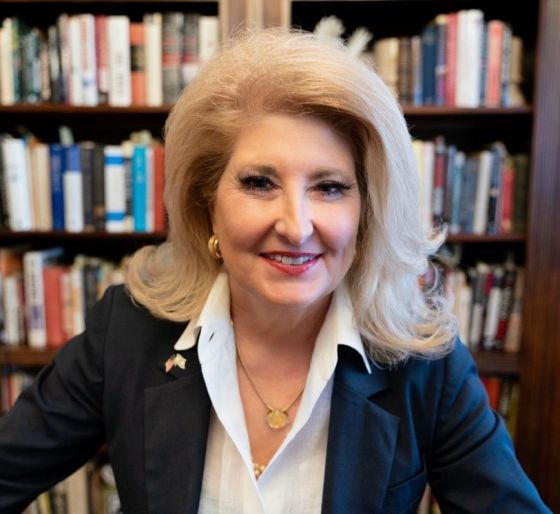
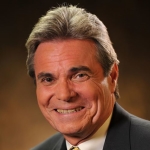
Guest, Denice Gary-Pandol
Friends,
On Raising Expectations Monday Night we have long time friend, Denice Gary-Pandol former California US Senatorial candidate with us.
Clearly one of the most knowledgeable and wise leaders in California, United States and world politics today is our dear friend and former California Senatorial Candidate Denice Gary-Pandol!
She will bring us poignant and much needed information under the title
“The Battle for America’s Soul: How We, the People, Win in 2026 by Restoring the Light and the Glory!”
As a women of great Faith , intense research, conservative political experience and clear understanding of our national constitution…we are in for a very special and enlightening evening with Denice Gary-Pandol!
Mark your calendar as always for your Monday nights on “Raising Expectations!” Let’s all be a part of “Restoring the Light and Glory!”
This episode of Raising Expectations features host Joe Schofield and guest Denise Gary Pandol discussing the spiritual and biblical foundations of the United States. The conversation centers on reclaiming American identity through faith, understanding the original intent of the founding documents, and mobilizing conservative action ahead of the 2026 elections.
The Spiritual Foundation of "Raising Expectations"
The program opens with a reflection on the role of faith in navigating life’s decisions. Host Joe Schofield emphasizes that "Raising Expectations" is rooted in the belief that God has specific plans for every individual, as outlined in the book of Ephesians. The team, comprising pastors, counselors, and theologians from across the nation, posits that true peace and "authentic hope" are anchored in a relationship with Jesus Christ, rather than worldly circumstances.
The Biblical Roots of American Liberty
Guest Denise Gary Pandol discusses the upcoming 250th anniversary of the Declaration of Independence, arguing that the "soul of America" is inextricably linked to the Hebrew Bible. Citing John Adams, she describes the signing of the Declaration as a "day of deliverance" comparable to the Israelites' exodus from Egypt. The founding fathers, many of whom were deeply steeped in scripture and even studied Hebrew, viewed unalienable rights—life, liberty, and the pursuit of happiness—as divine endowments rather than state-granted privileges. This "natural law" tradition remains the bedrock of Western jurisprudence.
Legislative Challenges and Cultural Identity
A significant portion of the discussion addresses California Bill AB 2017, which proposes making certain Muslim religious holidays legal state holidays. Pandol opposes this bill, arguing that it shows partiality toward an ideology that she claims does not share the Judeo-Christian values of equality and freedom of speech. She suggests that such legislation sets a dangerous precedent and moves the country away from its historical roots. Furthermore, she expresses concern over the lack of "classical education" and civics in modern schools, noting that many students are no longer taught the Pledge of Allegiance or the significance of the Ten Commandments.
Economic Prosperity and National Security
Looking toward the 2026 midterms, the speakers outline key "talking points" for conservative voters. These include the benefits of the Trump-era tax cuts, which provided relief for seniors and small businesses, and the achievement of energy independence. Pandol argues that "energy dominance" via clean American oil and gas is the solution to high food prices and inflation. Additionally, the conversation touches on national security, emphasizing the need for strict border enforcement to prevent the entry of individuals with ties to foreign cartels or terrorist organizations.
The episode concludes with a call for Americans to "stand tall" and remain proud of their unique heritage. By returning to the foundational principles of faith and limited government, the speakers believe the nation can overcome its current "battle for the soul" and secure a prosperous future for the next generation.
Guest, Denice Gary-Pandol
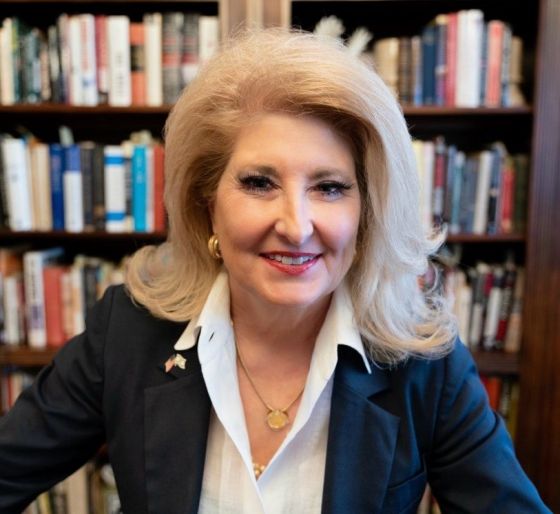
As a Political Scientist with a lifelong passion for government service, I took my degrees in Political Science with an advanced degree in International Relations at the University of Southern California. Since that time, with fidelity to purpose, my central focus has remained on issues of National Security.
As a Political Scientist with a lifelong passion for government service, I took my degrees in Political Science with an advanced degree in International Relations at the University of Southern California. Since that time, with fidelity to purpose, my central focus has remained on issues of National Security.
During graduate school, I worked with Top Secret clearances for Analytical Assessments Corporation. I conducted research, analyzed, and wrote on matters of critical concern to the United States. After completing graduate school, I was hired to write on classified projects at Eaton, Information Management Systems Division, a multinational corporation once located in Southern California. Conducting research and working with a team to complete White Papers on intelligence systems, I continued to write on subjects related to the national security interests of the United States.
Following my time at Eaton, IMSD, I instructed courses on California Government, U.S. Government, U.S. International Relations, and other Political Science courses. I have taught at the University of California, Irvine; the Whizin Center of Continuing Education at the American Jewish University; and numerous community colleges, as well as Summit Bible College. I also had the opportunity to serve as Commissioner and Committee Chair of Community and Media Outreach for the County of Kern’s Human Relations Commission; worked on fundraising for a Cambodian Relief Effort to provide clean water to villages inside Cambodia; and, traveled to Domnesti, Romania to part of a Romanian Orphaned and Abandoned Children Relief Effort.
By electing me to be your principled public servant, I will work to always put the people of California and this nation first in order to achieve the America First Doctrine by deregulating the economy and lowering taxes for economic growth and prosperity, securing our borders, restoring the nation’s security, empowering law enforcement and strengthening the Rule of Law, ending California’s water crisis, delivering on school choice for every child, supporting energy independence and protecting the fossil fuel industry, bringing back America’s manufacturing industry, as well as voter integrity.
Learn More at:
https://www.denicegarypandol.com/
or
Raising Expectations
Donation-Gift procedure: Raising Expectations
1. Go to website: bbsradio.com/RaisingExpectations and click on the donation button
2. Fill in CARD ONLY - Billing Address
3. Do not create a PayPal account ( turn OFF )
4. It will then slide in a DONATE NOW button
5. Will send you a receipt!
Raising Expectations is a that looks at the past, giving greater insight into the present, and may produce authentic anticipation, raising expectations for the future! Joe will discuss major issues that confront us on national, political, and worldwide events, to the simple things that we think about and make unconscious personal decisions every day!
Freedom, Family, Finances, Faith, along with a myriad of other topics and all the intricacies involved in each of them...from a personal community perspective, that makes up what we call "Your Life in America Today!"
Informative, inclusive, intentional, interesting, and always encouraging. Each program will raise our expectations individually. We may begin looking at the future in a positive way, happy to try new ideas and methods with clear hopes of how things can change for the better in the future. Feeling more content, one topic at a time! So, let not your hearts be troubled...we can go from good, to better, to best in the future TOGETHER!
[00:00] Speaker 1: (Dramatic music playing) Everyone faces questions and decisions that require insight and answers as we move forward personally, professionally, and corporately in all areas of this thing we call life in America today. Hello, this is Joe Schofield and I invite you to tune in every Monday evening from 6:00 to 7:00 P.M. as we talk together and hear from key leaders of all ages and backgrounds about your questions. Interesting, informative, intuitive, but always encouraging. Tune us in on BBS Radio Network. Join Pastor Joe and co-hosts Ron Greer, Dr. Paul Hall, Stephanie Thayer, and Dr. Craig Thayer in Raising Expectations. (Dramatic music playing) Well, good evening ladies and gentlemen. It's Monday night and we're so glad that you tuned into your show, Raising Expectations. Our prayer is that God raises your expectations each and every day, because, uh, we believe in God. We are all faith, people of faith. Uh, we're born again Christians.
[01:44] Speaker 1: We believe that Jesus Christ is the son of God, and like you hear us say so often, we believe He died on the cross to pay the price for our sins that one day we'll be with Him and those that we love again. And the neat part about that is that the expectations come from Him when we follow the steps that He prepared for us, Ephesians tells us, before the beginning of time. And so when you put your faith and trust in Jesus and you ask Him to forgive you and to come into your heart, all of a sudden strap in, hang on, because God has plans just for you.
[02:18] Speaker 2: Mm-hmm.
[02:18] Speaker 1: And every day and all through the week, He'll be raising those expectations. And the best thing about His expectations, when He raises them, there's this wonderful peace that comes.
[02:27] Speaker 2: Mm-hmm.
[02:28] Speaker 1: And if we ever lived in a world that needs peace, it's today's world, knowing that the maker of peace, as John 14:27 tells us, not only gives it to us, but prepares it for the hearts of people. We're so glad that you're with us tonight and, uh, we've got a great show planned for you tonight. Uh, as you know, you've been contacting me and you've been following and checking in on our notes, on our, our different advertisements and outreach for our show each, each Monday. Uh, tonight, a- again, I want to share our team very quickly. Uh, you know who most everyone is, so I'm going to go through it rather quick tonight. But as you know, we've got Dr. Paul Hall with us who's on the West Coast in California. Our team comes from across the nation. There in Lompoc, California is Dr. Paul Hall, who's a retired pastor. He's a counselor, he's a writer, he's a theologian, and he's with us, and he's been a brother and a friend for many, many years. It's good to see you, Paul. He's there in Lompoc.
[03:24] Speaker 3: Thank you.
[03:24] Speaker 1: So, and, uh, we join together and we're going to go to the East Coast.
[03:28] Speaker 3: Perfect.
[03:28] Speaker 1: And there in the south part of the East Coast, that's where we find two of our favorite people once again, but actually you're gonna find one tonight, and that's Dr. Craig Thayer. Stephanie is, will, will be with us on mercy tonight, but we do have with us Craig, Dr. Craig Hall. And if you have your, your page open, I want to give you the, um, your, uh, our website, which is bbsradio.com/raisingexpectations. That's bbsradio.com/raisingexpectations. There you'll find it. It looks like there's, there's Elizabeth Ahlers there running for District 40 in the California Assembly. And you'll find a story about our program and our show, our past, uh, shows for, actually going on six years here, I think, pretty quick. And you'll also find our, uh, different books and things like this that we have. And you'll find the stories of our team. Uh, you'll find them all listed for you right there, and, uh, it'll be real easy for you to, to check right in with us.
[04:29] Speaker 1: Uh, there is my book, Legitimate Faith. Uh, I hope you get a copy of that. Producing Authentic Hope. Uh, a lot of people have hope, but authentic hope is anchored in Christ. You find in the New Testament anytime you see the word hope, it stands for assurance. Boy, I'm glad Jesus loves me and I'm glad that He loves you. So, you'll also find Craig's book, Dr. Craig Thayer, and, uh, his book is called Saved: Finding God in the Ordinary, the Things of Life. This is his story. It's an exciting story, and you'll want to, uh, get a copy of that and other books we'll be sharing with you on our website. So, if you look right there, that's where Craig Thayer is, and, uh, we want you to know that. I'm saving the best for the last here in a moment (laughs) . What a team. I love this team.
[05:11] Speaker 3: (laughs)
[05:11] Speaker 1: But you'll also find... (laughs) Hey, Craig, are you there? Yeah, there's Craig. Okay. (laughs) And you'll also find that, uh, his wife isn't here tonight, but we have a- another great guy, you know, and that is Ron Greer. And Ron is from McKinney, Texas. He's a retired pastor. He's a counselor with Man in the Mirror. He, I think that's based there in Florida, and he's in Texas with his family, and he's just a great brother in Christ. He'll be missing tonight, but he'll be back with us again next week. So you want to be praying for them. And the best part of the whole thing is on my right, your left or right and the center if you're smart- (laughs) ... is, is my wife. And this is Melba. And Melba and I have been married since last October, and, it's, it's a blessing. She is from, uh, Texas also. Went back and, and brought her home and she is a, a counselor, she is a, a writer. She's a... She got her master's there at Southwestern Seminary in, in Fort Worth.
[06:07] Speaker 1: And she has been a great help. So she's with us here tonight also. Uh, every, every night. So, uh... That... Melba's on my right, your left. Just wanted to make sure you knew that automatically. So (laughs) okay. So tonight, uh, as we come together, we always have fun when we come together as a family or this team. And the things that you write into us quite often are so interesting to see what God's doing in your life. So it's exciting to see who He is and where we're going. Now, tonight we've got a great guest. You already know she's, she's part of this family. We count her as part of the Raising Expectations, uh, outward family that's out there all the time reaching out. She's going to bring us a very special time tonight. Uh, many of you have read what we wrote out there, because a lot of you have copied things off of it.
[06:53] Speaker 1: I believe, we believe, and I am in the number of countless people that she clearly, as I wrote for you here, one of the most knowledgeable, wise leaders in California, United States, and world politics, that you're going to find today anywhere in our country. And she was a senatorial candidate. And of course that's Denise Gary Pandol. And she brings, every time she's here, very poignant, uh, great things that she shares with us, uh, that, that teach us. Tonight she's going to bring a very exciting story, and we're excited to hear what she has. The title of what she's going to share with us tonight is The Battle for America's Soul: How We As People Can Win in 2026 by Restoring the Light and the Glory. And that light and glory all come from the Lord. He founded this nation. We're going to hear a lot more. But we're excited at this time in American history, with the 250th anniversary coming up. And happy birthday to everybody here coming right through till we get there to July.
[07:52] Speaker 4: As a, as a woman of great faith, intense research, and conservative political experience, and clear understanding of our national Constitution, we are i- in for a very, very interesting, uh, time and discussion with Denise Gary Pandol. And we're excited to hear from you, Denise. Thank you for being here.
[08:11] Speaker 5: Thank you. Thank you very much, I appreciate it.
[08:13] Speaker 1: (laughs) .
[08:13] Speaker 5: Very kind of you. Very kind.
[08:15] Speaker 1: Thanks, Denise.
[08:15] Speaker 5: I-
[08:15] Speaker 1: We're going to give you the, the welcome. You've got to get the welcome.
[08:18] Speaker 5: Okay, thank you.
[08:19] Speaker 1: (laughs) .
[08:20] Speaker 3: Round of applause. Round of applause.
[08:22] Speaker 1: A round of applause. There you go.
[08:23] Speaker 5: Thank- Thank you. You know, I, I wanted to begin tonight, you know, as we celebrate the 250th anniversary of the Declaration of Independence, I, I talked about, um, the soul of America, because I believe especially the younger generation has lost sight of who we are as a people, and our founding. And as I was listening to Clarence Thomas, of course everybody knows Clarence Thomas as a Supreme Court justice.
[08:56] Speaker 6: Yeah.
[08:56] Speaker 5: And, um, in fact, Dr. Thayer, um, may have heard his speech. He spoke in Texas. And I understand you're in Texas. And he spoke at the University of Texas in Austin. And the focus of Justice Clarence Thomas' speech was the fact that the Declaration of Independence provided the foundation for the United States of America. But what, but what troubled me about Clarence Thomas' speech. And, and I think that he's a great jurist, and I respect him wholeheartedly, and, uh, and I'm so appreciative that we have, uh, his perspective on the court, on the high court. Uh, but, but what I... But what struck me about the speech... Did any of you hear the speech, by the way? Anyone?
[09:48] Speaker 1: Just part of it.
[09:49] Speaker 3: I heard part of it, yeah.
[09:51] Speaker 5: Okay. So, so what struck me, and perhaps you too, Doctor Thayer, was that he didn't go into why the Declaration of Independence is the most important-
[10:04] Speaker 1: Mm-hmm.
[10:04] Speaker 5: ... or one of the most important founding documents that provides the foundation for the United States. And I thought, you know, it's important that everyone listening to this broadcast, as we come up in- into, uh, to the elections in, in, in November, that they understand, you know, why the Declaration of Independence is so important, why we celebrate it. And to begin that discussion, I'd like people to know what they were thinking about when they wrote it. So I have a, I have a passage here that I took from John Adams. Now, the books on my library, I, I have different, uh, books that were written by John Adams and Thomas Jefferson and some of the founding fathers. Uh, one of the things that John Adams wrote to his wife when he was in Philadelphia... Now, now ladies and gentlemen, this was at... This was the day after the signing of the Declaration. And understand that the 56 delegates from all 13 colonies understood that this was treason.
[11:15] Speaker 5: They understood that their lives and the lives of their family, that their honor, that their whatever fortune they had, their, their livelihoods, could be ultimately destroyed. They could be hung and quartered. And if you know what that means, you know the excruciating torture it is to be hung and quartered because they would have committed treason by, again, 56 people. The delegates, the people that represented the 13 colonies, signed the Declaration of Independence.And John Hancock was the first signer, and his father and his grandfather were pastors. Paul, you said you were a pastor, a former pastor. So many of the people that were the signers of the declaration came out of families that were pastors or they were pastors themselves. Anyway, so John Adams, in writing his wife, he was still, he was still in Philadelphia, uh, Pennsylvania.
[12:18] Speaker 5: And this is, this is just, I'm quoting just a small portion of it, but please try to, um, you know, consider and ponder the meaning of what he's saying. He said, "This is the most memorable thing in the history of America. It will be celebrated by generations as the great anniversary festival. It is a day of deliverance."
[12:48] Speaker 3: Mm-hmm.
[12:49] Speaker 5: And when you think about that terminology, the day of deliverance, one thing you'll note, going back to the Magna Carta, what was that, in 1620?
[13:02] Speaker 3: Yes.
[13:02] Speaker 5: An- an- no, excuse me. When was the, when was the Magna Carta? The Magna Carta was 1215.
[13:09] Speaker 3: In 16- 16- 12/15. Oh, to all you back.
[13:10] Speaker 5: 1215. The Mayflower Compact was in 1620. Um, other success of other documents that followed, these documents all pointed to the Hebrew Bible. So when John Adams wrote, "This will be celebrated as a day of deliverance," he was thinking back, no doubt, about Israel's, the Jewish, the Hebrew, the, uh, the Israelites being delivered from slavery out of Egypt. And when you go back and you read, for example, a document called Christian Charity by John Winthrop, which I believe was written i- in 1630. You know, th- he was the governor of the New England, uh, area, and he, he talked about how we were... W- the Anglo-Americans, the people coming over from the old country, from Great Britain to America, that they were like the Hebrew children, the Israelites of old. They were establishing a new Israel. Not, not to take away from Israel. In fact, many of them, like John Adams and Thomas, uh, uh, um, Thomas Jefferson and, um, Alexander Hamilton were political Zionists.
[14:32] Speaker 5: They felt that the Hebrew people should have their nation reinstated back in the 16 and 1700s.
[14:41] Speaker 3: Wow.
[14:41] Speaker 5: This was a strong belief that they had been persecuted and tormented and tortured, and they knew of the Inquisition in Spain. I mean, after all, isn't that why Christopher Columbus, whose name, um, comes from the term Christ bearer? And Christopher Columbus, the only reason why he got his three ships and discovered the new world, which is what he thought was a call of God on his life-
[15:07] Speaker 3: Yes.
[15:08] Speaker 5: Th- this... The only reason why he got those ships was because the Spain, Spain had finally conquered the Moors. These were the Islamists, these were the Muslims who had taken hold of, of places like Israel and Spain and, and Europe. Western Europe, had taken hold of Western Europe and had persecuted and tortured and crucified Christians. I mean, this was what the Crusades were all about, was... You know, the Crusades was the Catholic Church's answer to the horrific persecution and murder of Christians. But as soon as Spain won the war and gave the, you know, gave the money and s- and the Pope supported the ventures of Christopher Columbus, they turned to the Jews to, to persecute them, the Jews who had converted to Christianity. Uh, I mean, it was a horrific inquisition.
[16:03] Speaker 5: So, you know, and, and, and of course, our founding fathers were aware of all this, and they felt that Israel should be reestablish as a place where the Jewish people could go and live in safety, you know, was the idea. But anyway, getting back to what John Adams said the day after the Declaration of Independence was, was authored and published, he said, "This is a day of deliverance by solemn acts of devotion to God Almighty." I mean, think of the tremendous focus of God and honoring God in this important event that, that was very difficult for the colonists to get to.
[16:49] Speaker 5: I mean, they didn't, they didn't want to rebel against the king, but remember, in the end, people like Benjamin Franklin and Thomas Jefferson, in establishing, um, a seal of the United States, said, um, you know, "Obedience to tyranny is rebellion against God." But it took years of horrific treatment by the British, by the King of England, I mean, that's sending troops and foreign mercenaries into their homes and into their communities to torture and kill the colonists for wanting to be represented in Parliament, for wanting to be treated fairly, for, for protesting against the fact that they could not trade with other foreign countries in order t- to make a decent living. I mean, there... Uh, taxation without representation, there was zero representation. There was no way that they could get a hearing... in parliament or ha- be represented in parliament.
[17:55] Speaker 5: So, you know, here you have this very godly man, family very godly, honored in the community, and he's saying to his wife that this is, this is a day that ought to be com- commemorated, quote-unquote, as a day of deliverance by solemn acts of devotion to God Almighty. And he goes on to say, "And it ought to be solemnized with pomp and parade, from one end of the continent to the other, from this time forward forevermore." He went on to say, "I am well aware of the toil and blood and treasure that it will cost to maintain this declaration and support and defend these states. Yet through all the gloom, through all the gloom and, and the toil and the sacrifice," he said, "I can see the rays of ravishing light and glory." And that's why I refer to the light and the glory, because our founding fathers and those men that were willing to sacrifice their lives and their families who supported them in that, knew the horror that might befall each of them as a result.
[19:10] Speaker 3: Yeah. Mm-hmm.
[19:10] Speaker 5: And, and in fact, the, the... I believe it was that day General Howe landed in Staten Island, um, there in the New York area, and what happened, he brought with him 55,000 troops. I mean, it was, it was an ominous day. But nevertheless, against all odds, America won the victory after eight long years of war against Great Britain. And that is, uh, actually reminiscent, if you know your history of Israel, you know, it was Israel against the odds, it was Israel against how many Muslim Arab states that were so angry that Hitler did not complete the final solution and a- and, and exterminate and annihilate all the Jews, and they were going to come and finish the job.
[20:10] Speaker 3: Mm-hmm.
[20:11] Speaker 5: So it was E- newly... It was Egypt, it was newly formed, uh, Transjordan, the Hashemite Kingdom of Jordan. It was Lebanon, it... that had been, uh, ruled by the French. It was once a Syrian, now Syria. It was Saudi Arabia, it was Iraq that was once Mesopotamia, it was all these Arab countries. And by all accounts, the Jews that were living in Israel, many of them Holocaust survivors that were thin and weak from being in concentration camps, who fought and many of them died in the fighting because of their weakened condition.
[20:51] Speaker 3: Mm-hmm.
[20:51] Speaker 5: But nevertheless, Israel won the war for independence in 1948, but it was a hard-fought battle.
[20:59] Speaker 3: Yes.
[20:59] Speaker 5: Just as our war against tyranny and against the British, and so it's, so it's interesting when you look at that, that even now, they didn't know that Israel would fight that war against all those Arab Muslim armies that, you know, (laughs) outnumbered them. Uh, but, but nevertheless, it... They continually compared themself or likened themselves, um, as, as the Hebrew children that were delivered by God, and they felt God was going to deliver them from the king. And I thought it was... I thought it was interesting that Connecticut's governor, he went on to say that, as when he was calling... Now, now remember, all these colonies had to raise an army, and they had governors in the colonies. And so this man of God, Jonathan Trumbull, he called for nine more regiments, uh, volunteers from Connecticut to go and fight. And he said that, you know, he s- he sent the... He raised the alarm to stand forth in our just and glorious cause.
[22:09] Speaker 5: Join, march on, be the man of God for the cities of our God.
[22:15] Speaker 3: Mm-hmm. Mm-hmm
[22:16] Speaker 5: For the cities of our God. May the Lord of Hosts, the God of the armies of Israel be your leaders.
[22:25] Speaker 3: Wow.
[22:26] Speaker 5: This... If you go back and you read, I... And so I... As I was thinking of... Thank you for letting me share that. So as I was thinking about what, uh, Clarence Thomas said about the Declaration, and one of the things that, uh, Clarence Thomas quoted was the second paragraph of the Declaration of Independence, that, that states that, um... Oh, what does it say? That, um... Oh, I just... It just went out of my mind. Um, but, but basically the... that, that second paragraph in the Declaration says that, you know, it talks about in the course of human events, when you have to separate, uh, from your ruling power, that, you know, they were doing so because it was important that they further the aims of their creator, that they were endowed with certain unalienable rights. And those unalienable rights meant to the founding fathers that these were God-given rights, unalienable rights, inherent rights, rights that you're born with.
[23:45] Speaker 5: And those rights that you're born with are the right to life, the right to freedom....the right to the pursuit of happiness, which didn't mean greed and lust and getting more and more material things.
[23:59] Speaker 7: Right.
[23:59] Speaker 5: It meant to pursue the opportunity of being a virtuous citizen, somebody committed to your community and covenant with God, that was a leader and, and did all possible for the benefit and good and in the service of man and woman in that community. And when, when you read the Declaration of Independence and it talks about that all men are created equal, that's part of that second paragraph that says that, you know, all men are created equal, I, I think about the fact that Thomas Jefferson and the Committee of Five that wrote the Declaration of Independence, again, Benjamin Franklin, Thomas Jefferson, John Adams, um, Roger Sherman-
[24:46] Speaker 7: Mm-hmm.
[24:46] Speaker 5: ...um, again, people that were, were deeply connected with God, you know, they... Where did they pull that from? And I, I was doing a study of that, and I, and I noticed that if you look at Genesis 1:27, it says, "So God created man as, in His own image, in the image of God He created him." So if you're created in the image of God, how could you be anything but equal?
[25:14] Speaker 7: Mm-hmm. Yeah.
[25:15] Speaker 5: If all men and women are created in God's image, how are we not all equal? And again, this, the Hebrew Bible, this foundation was... In fact, if you look at... I thought it was interesting that Alexander Hamilton and people like James Madison knew Hebrew.
[25:37] Speaker 7: Yes.
[25:37] Speaker 5: Harvard University, Yale University, Princeton University, the Ivy Leagues of today th- were the Ivy Leagues of yesterday, and they all taught the Bible. They all taught Hebrew. You had to memorize scripture. And so why wouldn't these people t- uh, uh... You know, Thomas Jefferson was a political Zionist.
[26:00] Speaker 7: Mm-hmm.
[26:01] Speaker 5: He supported the Jewish communities in America. And, and of course, he would know, he would know Genesis 1:27. Leviticus 19:15, it states, "So God created man in His own image, in the image of God, He..." Oh, excuse me. N- Leviticus 19:15 states, "You must not pervert justice. You must not pervert judges, justice. You are to judge your neighbor fairly." This speaks to God's desire for impartiality and fairness.
[26:35] Speaker 7: Mm-hmm.
[26:36] Speaker 5: Micah 6:8 states, "He has shown you, O man, what is good. And what does the Lord require of you but to act justly, to love mercy, and to walk humbly with your God?"
[26:48] Speaker 7: Amen.
[26:48] Speaker 5: And it was, it was, um... This was a bookmark I, I used on the campaign tr- I, I had it printed up because I wanted to quote Leviticus 25:10, "Proclaim liberty throughout all the land." That was taken, again, from Leviticus 25:10, and that's inscribed on our Liberty Bell. And that bell was rung-
[27:09] Speaker 7: That's right. Yeah, of course.
[27:11] Speaker 5: ...uh, for our freedom. So the, the point that I'm making is the founding fathers were deeply steeped in God's word and in the Hebrew scripture.
[27:24] Speaker 7: Amen.
[27:24] Speaker 5: And this is... And so when, so when, uh, Clarence Thomas spoke about the Declaration of Independence being the foundational document for the United States, yes, indeed it is. But why is it? Because it's... Because our American legal system, our jurisprudence, and, and indeed Western international law-
[27:51] Speaker 7: Yes.
[27:52] Speaker 5: ...is rooted in and founded on the Bible.
[27:55] Speaker 7: Mm-hmm.
[27:56] Speaker 5: And I thought it was... I... And this... And we're, we're getting so far from our biblical roots that I wanted to call your audience to action tonight. So there is a bill that has been introduced to the state legislature. So the state legislature here in California is the State Assembly and the State Senate.
[28:19] Speaker 7: Mm-hmm.
[28:19] Speaker 5: And this, this bill, please write it down, because I'd like everybody to contact our legislative leaders here in California. It's AB 2017. And, you know, when things get, get done in California, they get, they get mimicked and they get copied throughout the country. And I don't want this to set a precedent for our nation. So what is AB 2017? AB 2017 is a bill that is going to make Muslim holidays, Muslim religious holidays-
[28:50] Speaker 7: Mm-hmm.
[28:50] Speaker 5: ...a, a legal holiday, a legal holiday of which students can take off from schools, from colleges, from university. It g- it makes Muslim religious holidays legal in our state. Now, what's wrong with that?
[29:07] Speaker 7: Yeah.
[29:07] Speaker 5: Well, first of all, what's wrong with it is Jews outnumber Muslims in California and across the nation, two plus, two to one. I mean, it's more than two to one. So despite the fact that Muslims are 1% of the population, Jews are more than 2% of the population. So why, why would you give Muslims two religious holidays-
[29:34] Speaker 7: Mm-hmm.
[29:34] Speaker 5: ...when Jews outnumber Muslims over two to one? Number two, Jews, the Hebrews introduced monotheism into the earth realm.
[29:45] Speaker 7: That's right. Mm-hmm.
[29:46] Speaker 5: Not only did they introduce monotheism into the earth realm, they gave us the Holy Scriptures upon which our legal system is based and rooted. Our legal system-... teaches us about the natural law tradition, that our laws, that our inherent rights, that our inalienable rights are God-given. They're not, they're not granted by the state. This is not a socialist or communist country.
[30:15] Speaker 8: Hmm.
[30:16] Speaker 5: They're given to us by God. Because of God's love and mercy, He gr- He gives us freedom, freedom of choice. So, and it's not like Islamic law, which is devoid of love, which is devoid of fairness, which is devoid of giving respect to the dignity of man-
[30:35] Speaker 8: That's right.
[30:35] Speaker 5: ... which doesn't respect the equality of man, which doesn't e- respect the fact that men and women are created in the image of God. No, this is a Judeo-Christian country-
[30:46] Speaker 8: That's right.
[30:46] Speaker 5: ... that looks at the Word of God and says, "All men," meaning humankind, "are created equal in the eyes of God, and that God does not show partiality, but, eh, nor does He want us to."
[31:01] Speaker 8: Mm-hmm.
[31:01] Speaker 5: "But He expects us all to walk in mercy and love and charity." What does He- what does it say in the Old Testament or the Hebrew Bible? It says, "Your first call to action is to love the Lord Thy God with all thy heart, soul, might, and strength-
[31:15] Speaker 8: Wow.
[31:15] Speaker 5: ... and to love thy neighbor as thyself."
[31:17] Speaker 8: Yeah.
[31:17] Speaker 5: And this is what it says in the New Testament. So not is- not only is that part of the Jewish tradition, which is our tradition, which is our foundation as Christians, but it is what Christ taught as a Jew from the tribe of Judah, who taught in Jerusalem at the synagogues there. So this is who we are. We are people out of the Judeo-Christian tradition.
[31:43] Speaker 8: Amen.
[31:44] Speaker 5: And I think, uh, so getting back to this call to action on AB, AB 2017 here in California, I think it's important for you to speak out to the governor of our state and to say to Governor Newsom that, that this should, this particular bill should be recalled and eliminated from even discussion. Because right now, it's in two committees in the state legislature. I think it should be withdrawn from consideration.
[32:20] Speaker 8: Mm-hmm.
[32:20] Speaker 5: And I'd like to give you his number. Uh, Governor Newsom's number... Oh. Governor Newsom's number is... I have this all right in front of my, in front of me. Just one moment.
[32:41] Speaker 3: I, I just want to make a comment. It's interesting that our youth can't even read the con- the Declaration of Independence.
[32:48] Speaker 5: Right. Right.
[32:49] Speaker 3: You know?
[32:49] Speaker 5: Who's teaching? Who's teaching the Declaration of Independence?
[32:52] Speaker 3: Not the person, person reading it anymore.
[32:54] Speaker 8: Yeah. That's right. (laughs)
[32:56] Speaker 3: 'Cause it has to be printed.
[32:58] Speaker 8: (laughs)
[32:59] Speaker 5: Well, I, I can't believe that I, I don't, I don't see this. But, um... Oh, here it is. Governor Newsom's number is, um, 916-445-2841. Please call him. Please call him. Governor Newsom, 916-445-2841. I hope that everybody floods his phone tomorrow-
[33:25] Speaker 8: Mm-hmm.
[33:25] Speaker 5: ... on, on Tuesday, and, and says to him, "You need to withdraw consideration of AB 2017." We... Who are we? We are a Judeo-Christian country.
[33:37] Speaker 8: Right.
[33:37] Speaker 5: The Declaration of Independence, the Constitution, is rooted in scripture from the Hebrew Bible as well as the New Testament. Indeed, the Declaration of Indep- eh, of Independence that speaks to the equality of man and freedom and justice harkens back to those scriptures. And I'd also, I'd also like to point out that not only do Jews outnumber Muslims, not only are, is our legal system rooted in biblical law and jurisprudence, our Ten Commandments are, are found everywhere.
[34:16] Speaker 5: Uh, the Ten Commandments that was brought down from Mount Sinai by Moses under the inspiration of God's spirit, the Ten Commandments is also an important document that outlines fairness, justice, and mercy, and the kind of people that we are supposed to be, and that that document is, is up on every major building in our-
[34:45] Speaker 8: Mm-hmm.
[34:45] Speaker 5: ... nation's capital, and should be in every classroom. But Democrats, the liberals, the secularists took it out of the classroom and, and off campus. In fact, there are many schools that don't even have teachers that lead students in the Pledge of Allegiance. They don't even know the Pledge of Allegiance. They don't know that they're supposed to pledge fidelity or loyalty to, to the United States of America, one nation under God, indivisible, with liberty and justice for all. They don't know those words.
[35:18] Speaker 5: But anyway, getting back to AB 2017, I also wanted to point out that, again, John Adams wrote in 1809, again, he was our second president, he wrote, and this goes back to who we are as a people, he stated, "I will insist that the Hebrews have done more to civilize men than any other nation." He writes, "If I were an atheist and believed in blind eternal fate, I would still believe that fate ordain- ordained the Jews to be the most essential instrument for civilizing nations."
[36:00] Speaker 8: Mm-hmm.
[36:03] Speaker 5: "I should believe that chance had ordered the Jews to preserve and propagate to all mankind the doctrine of a supreme, intelligent, wise, almighty Sovereign of the Universe, which I believe to be the great essential principle of all morality, and consequently, of all civilization." In wi- in other words, the God of Abraham, Isaac, and Jacob, the God of the Jews, the Almighty Sovereign, is the civilizing factor essential to civilizing all of civilization.
[36:41] Speaker 9: Good.
[36:41] Speaker 5: Again, that, that's stated by a revolutionary leader, a founding leader, an individual that sat on the Committee of Five for the writing of the Declaration of Independence. That's pretty important-
[36:59] Speaker 9: Amen.
[36:59] Speaker 10: (laughs)
[36:59] Speaker 5: ... to know-
[37:00] Speaker 9: Right.
[37:01] Speaker 5: ... as an American, that this is who, what our fathers thought. And I, I remember, I remember going to Christ Cathedral. Was it Christ? No, it wasn't Christ Cathedral. It was Christ, I think it was called Christ Church in Philadelphia. And it struck me as I was walking through the church that I was walking on the graves of men and women who died for America.
[37:35] Speaker 9: Yes, yes, amen.
[37:37] Speaker 5: And, and I, I asked the person that was leading this tour, I said, "Why are these leaders of America, founding fathers, buried inside the church under the church floorboards?" And he said, "Because it was to send a message to generations of Americans going forward, that this was their foundation-
[38:04] Speaker 9: Mm-hmm.
[38:05] Speaker 5: "... their belief in God, the celebration of God, God the Father, the Son, and Holy Spirit." These were godly men who prayed and were devout, and, and it was to be a testimony. And I wonder how many young people realize that, that they wa- they wanted and were to be buried in the church and on church property-
[38:31] Speaker 9: Mm-hmm.
[38:31] Speaker 5: ... to set an example. Their lives were to set an example for future generations. I, I thought that was stunning.
[38:38] Speaker 10: Mm-hmm.
[38:39] Speaker 5: And, and I, I, and I think to myself, this is another important message that you could make to, uh, Governor Newsom, is Jewish people are not flying airplanes into American buildings in an effort to kill as many thousands of Americans as possible.
[39:01] Speaker 9: Right.
[39:01] Speaker 5: I don't know how many of you listened to our FBI director, Director Patel, when he testified before the Senate last month on the threat giving, giving the, the Senate (smacks lips) committee, um, sort of a threat assessment of what's happening in the United States. And it should be brought to Newsom's attention and to people's attention that are voting for Democrats here in California, that it was President Trump that appointed this director of the FBI, who has successfully, successfully brought crime in America down to its lowest levels since the turn of the 19th century.
[39:48] Speaker 9: Right, amen.
[39:48] Speaker 5: The crime in America... This is an important talking point, that as we go into the primaries and into the midterm elections in November, that Republicans, that people that are part of the GOP make it clear to independents and people that are undeclared and to Democrats, that this administration has brought crime to its level, lowest levels since the turn of the last century, 100 years, over 100 years ago. That's a big deal.
[40:20] Speaker 9: Mm-hmm.
[40:20] Speaker 5: And that the director of the FBI uncovered a massive bombing campaign in Southern California. I'm just two hours from the Los Angeles area, and there was to be a massive bombing campaign by Islamic terrorists in the LA County. Now, as someone who sort of undercover went into PLO rallies in Los Angeles, right there on Wilshire Boulevard, (clears throat) they're wild.
[40:51] Speaker 9: Mm-hmm.
[40:51] Speaker 5: And if you think that they're not Islamists, and California sells what that are Hezbollah, that are sponsored by Iran, which is why it's so important that Republicans get the message out that this is absolutely a beautiful thing, that the United States and Israel have gone into the Islamic Republic of Iran to destroy their military capability, their capability to launch missiles, whether they're small-range, medium-range, long-range, or intercontinental ballistic missiles that can carry a nuclear warhead across the Atlantic Ocean into the United States.
[41:37] Speaker 5: But they can also arm a Hezbollah operative coming from Mexico into California with a suitcase bomb that could blow up San Diego or LA or the county in which I live-
[41:50] Speaker 9: Mm-hmm.
[41:51] Speaker 5: ... that this is important what the president has done to eliminate the world's greatest sponsor of Islamic terror. Because-Iran doesn't just support Hezbollah, the Party of God in Lebanon, but the Party of God, Hezbollah cells are operating throughout the United States, as is ISIS, as is the PLO, as is Al-Qaeda, as is the Muslim Brotherhood, as is Islamic Jihad, as is numerous other terror groups that circulate and operate and are interconnected around the globe. So, this is, this is important, the work.
[42:36] Speaker 5: And the fact that people are suggesting, "Well, Trump just, you know, heard Netanyahu whining and said, 'Okay, I'll go to war in Iran.'" It has n-
[42:44] Speaker 1: Yeah.
[42:44] Speaker 5: ... it is absolutely contrary. That is an anti-Semitic point that Democrats are saying. I heard Ro Khanna, a representative from California on Maria Bartiroma this morning say, "Well, the President of the United States is just listening to Israel and fighting Israel's war."
[43:11] Speaker 1: Mm-hmm.
[43:11] Speaker 5: That's a lie. And I, and I want to point out, I want, I want to point out, you know, thi- speaking of our founding fathers and Philadelphia, you know, and talking about terror cells. Philadelphia children sing about arming girls and women as brave Palestinian fighters at their Islamic schools. And they sing about martard- martyrdom, they sing about chopping off of heads and hands of the infidel here in America. Ma- I mean, there are Islamic schools, we have several mosques right here where I live. There is an urgency among Islamists and Muslims in America to dominate this country.
[44:03] Speaker 5: And, and the fact that we're trying to dry up the bank accounts of Iran so that they cannot fund these terror groups-
[44:12] Speaker 1: Yes.
[44:12] Speaker 5: ... is extremely important.
[44:14] Speaker 1: Yes.
[44:15] Speaker 5: And, and the fact that there are Islamic schools around the country that are teaching children to murder their fellow Americans. I mean, these children were born in America and they're being taught to kill their fellow Americans, Christians and Jews, because they are not Muslim, is a danger. And, and, a- and this is, and this is happening. This is from the Middle East Media Research Institute. Anybody can go to MEMRI, the Middle East Media Research Institute, and they can look at what is being televised. They can look at what's on radio. I mean, I'm not pulling this out of the air.
[44:54] Speaker 1: Yes.
[44:54] Speaker 5: There's an institute in Washington DC (coughs) that basically translates or provides English language, um, translations of what's being said in Farsi or Arabic or Urdu, which is spoken in Afghanistan as well as, uh, as Persia or Iran. I mean, many languages coming out of the Muslim dominant countries. I mean, the largest... And, and by the way, if Gavin Newsom's office, or if anybody ever says to you, "You know, how could you stand against the creation of Muslim festivals and holidays, legal holidays in California or anywhere else in the country?" You say, "I'm not a racist because Islam is not a race of people. Islam is not an ethnicity. Islam has nothing to do with your race or the color of your skin or your ethnicity.
[45:53] Speaker 5: It is a ideology."
[45:55] Speaker 1: Right, right.
[45:56] Speaker 5: I mean, the largest Muslim country in the world is what? Indonesia? I mean, they're not Arabs in Indonesia.
[46:04] Speaker 1: (laughs)
[46:04] Speaker 5: They're Indonesians.
[46:05] Speaker 1: People get confused with-
[46:07] Speaker 5: Malaysians, one of the largest Muslim countries in the world. Malaysians are not Arabs.
[46:13] Speaker 1: Yeah.
[46:14] Speaker 5: So this is to suggest that to be worried about people that want to dominate our country and is, impose Sharia law in America, which does not allow for equality, does not allow for freedom of religion or speech or freedom of the press or the right to peaceably a- assemble or petition the government for a redress of grievances, all the things that are spoken of in a, in the First Amendment to the United States Constitution.
[46:46] Speaker 1: That's exactly right.
[46:47] Speaker 5: There's nothing like that-
[46:49] Speaker 1: No.
[46:49] Speaker 5: ... in the Muslim world.
[46:50] Speaker 1: Dane, did you have a thought there? You, you hit some-
[46:52] Speaker 3: I was just saying Muslim is like, similar to saying I'm American. Islamic is like saying I'm Christian, whatever ideological belief but to these p-
[47:04] Speaker 5: I'm a communist, I'm an Islamist-
[47:07] Speaker 3: Communist, it's a belief, it's a belief.
[47:07] Speaker 5: ... I'm a Nazi. They're totalitarian-
[47:09] Speaker 3: Yeah, but it's not, it's not-
[47:09] Speaker 5: They're totalitarian-
[47:11] Speaker 3: Muslim, Muslim is like a nation and Islam is an ideology.
[47:18] Speaker 5: Well, no, I... Well, yes, but Muslim is not a nation. Muslim is-
[47:23] Speaker 3: Well, yeah.
[47:23] Speaker 5: To be a Muslim is to embrace-
[47:25] Speaker 3: It's a, it's a similar-
[47:26] Speaker 5: ... an ideology called Islam.
[47:27] Speaker 3: Similar, yeah. Sorry, similar.
[47:28] Speaker 5: Yeah.
[47:29] Speaker 3: Yeah.
[47:29] Speaker 5: So to be a Muslim-
[47:30] Speaker 3: I'm trying to make it simple to people who are listening.
[47:33] Speaker 5: Yeah.
[47:33] Speaker 3: It's like saying I'm American, though it's bigger than that. And then Islam is different than that.
[47:39] Speaker 5: Well, being an American does not necessarily infer that you're a Christian or a Jew.
[47:44] Speaker 3: No.
[47:44] Speaker 5: Because there are Americans that are Hindus and Sikhs-
[47:46] Speaker 3: Right, that's my point.
[47:47] Speaker 5: ... and Jews.
[47:47] Speaker 3: That's my point.
[47:48] Speaker 5: Yeah, yeah. But-
[47:49] Speaker 3: I'm saying American. I could be any, I could be any religion.
[47:52] Speaker 5: You could embrace any religion or faith or ideology.
[47:55] Speaker 3: So could be a Muslim, they could be Christian, they could be, they could be Is- you know, Jewish, they could be Islam, Islam people, could be any, what they want to be, right? But... I'm sorry, Muslims. But the Islam is a different, very specific title.
[48:13] Speaker 5: Islam is the name of a faith embraced by Muslims and they call themselves Muslims, just as we would call ourselves Christians because we embrace Christianity. The Hebrew people or Jewish people are out of the 12 tribes of Israel and they don't always embrace Judaism. There are people that can trace their lineage back to the tribe of Judah that have now embraced Christianity. It being, being Hebrew or being an Israeli doesn't necessarily mean you embrace Judaism.
[48:51] Speaker 1: Yes, really.
[48:51] Speaker 5: Being, being a Muslim does mean you embrace Islam. Being a communist means you embrace communism. Being a neo-Nazi in today's world means you embrace Nazism. Being a socialist means you embrace socialism. So but it's not a race, although being a Hebrew, I, you know, I suddenly argue that, that i- that, that is a defined group of people that were chosen by God, um, and are His chosen people, and were chosen to introduce monotheism into the earth realm and provide us our holy scriptures and the prophets and the disciples and the apostles of Christ, of which Jesus was a Jew, and his family. So in fact, it was a people called the Hebrew people that were captured and enslaved by Egypt and the Babylonians and others, and were... Suffered great, great horrific suffering and, and also in the Christian world, which is why there were chri- devout Christians in America who felt they...
[50:06] Speaker 5: Who were basically political scientists who felt the Jews should have their own homeland again so that maybe they could enjoy some safety and security and be free from the persecution. But anyway, so one other thing I wanted to say. In light of the Islamic threat to America, in light of the fact that we are a Judeo-Christian country, in light of the fact that Jews outnumber Muslims over two to one, and in light of the fact that there's no limiting principle or precedent that we could possibly set if we start giving Muslims a holiday because Jews, which are close to Christianity, they celebrate the Passover which was the precursor to Easter. I mean, Jews celebrate Hanukkah which is like a, a precursor to Christmas. So if we're going to give anybody a religious holiday, I would think it would be, to the Jews we would give Passover at our Easter time and Hanukkah at a- around Christmas time because that's where it falls every year.
[51:16] Speaker 5: I mean, but then there are Jains and Buddhists and Hindus and all other religious minorities in America. I mean, what is the limiting principle? What precedent would we be setting? Why would we give Muslims? Why are we showing partiality towards a group of people that want to take over and dominate America to the point that they're willing to, to kill us to make it happen? Whereas Jews just want to live peacefully and live their lives and go to work and, and go to the synagogue and worship the God of Abraham, Isaac, and Jacob if they so choose to. I mean, it, it, it's something that is worthy of debate and I, I think we should make that point clear. The, the other thing I want... Can, can I say a few more things please before we call it a day?
[52:10] Speaker 1: Sure. No, go ahead. You've got time, lots of time.
[52:13] Speaker 5: So, so I just, I just wanted to say with, with the midterms, you know, we're really... I think all of us are concerned about, um, the fact that (sighs) if the Republicans lose this election, the midterms, there's going to be one impeachment after another of our president and the nation does not need to be put through that drama. And so I would like to give the audience some talking points, one of which I believe I already have, and, and that is the fact that Republicans are the cl- that party, that political party is the closest thing we have today to, in terms of their belief system, in terms of what we as Republicans believe, we are the closest thing to what the founding fathers believed in America today. If you look at the Democratic Party platform, they have, they have turned on Israel, they've turned on God, they are not celebrating the, our, our religious and biblical history and foundation. This is clear in the Democratic Party platform.
[53:32] Speaker 1: That's right.
[53:32] Speaker 5: Which is the opposite of who we are as Republicans. I think it's important to point out that it was the Republicans and it was President Trump who brought the United States of America the greatest tax cut in the history of this country. The greatest tax cut. In fact, it was a trillion-dollar tax cut and what it does is it takes about $1,000... It provides $1,000 in tax cuts to seniors, it increases take home k- pay for a family of four to about $10,000 over time. It provides a 4,000 additional bonus for standard deduction for lower middle income seniors.It basically provides a tremendous tax cut for small businesses. It eliminates the cost of benefits to 1.4 million illegal aliens, and because it gets them off Medicaid. You know, ille- illegal aliens take welfare and Medicaid- Mm-hmm. ... and we pay for it- Yeah. ... without them having paid any tax.
[54:41] Speaker 5: Why would we provide Medicaid and, and welfare benefits to people that know nothing about our history or who we are or our Judeo-Christian foundation, who disrespected the laws of America and came here illegally? And they know they have, which is why they hide and run from ICE, which is why I lost my job as an educator, because when I was asked by illegals and set up questions about what I thought about illegal immigration, I said, "It's important that people that come from foreign countries, as well as Americans, follow both federal, state, and local laws, and that Title VIII, uh, Section 1132 speaks to the fact that it is unlawful for anyone to come into America without proper documentation," so that the United States government could find out if they have ties to terrorist groups, if they have ties to cartels, if they have ties to the Russian mafia, if they're out of China and have ties to the Communist Party of China. I mean, who are these people coming into America?
[55:55] Speaker 5: What is their background? What are their ties in their home country? Are they bringing in sickness and disease? Do they have plagues? I mean, it, we have a right, as a sovereign nation, to know who we're opening up our doors to and why they're coming in, and are they going to make a contribution to this great land, or are they just here to suck from the American taxpayer- Mm-hmm. ... the taxes that we pay so that they can benefit and live off the na- the, the taxpayer through benefits, through welfare, through Medicaid, through WIC, and go into our hospitals and freely give birth to babies without charge that then become American citizens? I mean, thought has to be... It's not, it's not racist to want people to follow the laws of the land. Yes. So this should be explained to Democrats.
[56:58] Speaker 5: It should be explained to Democrats as a talking point that the Republican Party has worked so hard to make sure that we are not only energy independent, but we are dominant, so that nations will come to America to buy oil rather than nations going to Saudi Arabia, which persecutes Christians, or Iraq that persecutes Christians, or Iran that persecutes Christians, and they all persecute Jews. Rather than buying oil from countries that discriminate against religious minorities, that they buy the cleanest, sweetest oil in the world, the United States of America, the state of California, the state of Texas, we produce the cleanest oil in the whole wide world. Right. So if you're an environmentalist and a Democrat or an independent, why would you buy dirty oil from Canada or Mexico or Saudi Arabia or Iraq? California gets most of its dirty oil from Saudi Arabia and Iraq. If you're an environmentalist, get it from America. Yes.
[58:14] Speaker 5: (clears throat) And, and, and not only that, you want to enrich America, right? Don't you want to provide jobs? Don't you want to have a, an infrastructure that is secure? You know, when you provide jobs for Americans, they pay taxes. When they pay taxes, you have a, a good police force, a fire department, you have plenty of water, you have an infrastructure that is available that works for the people of your state. If you're a Republican, you're working across the nation to make sure that water is stored and available. Here in California, all the water runs into the ocean, except just a bit that's saved for farmers and ranchers and for the cities. Republicans want to make sure that that water is stored. If we just save 5% of the Sierra Nevada snow cap every year in, in facilities like off-stream reservoirs and dams, if we build some desalination plants, what, what... If we took care of water, we'd have more than enough water and water would be cheap and water would be abundant.
[59:28] Speaker 5: You know what that means? That means food, the price of food would go down. That's right. That's right. So if you want- Uh-huh. ... the price of food to go down, if you want oil to be purchased by foreign countries, because America produces more than any other country, we have more oil and gas than Saudi Arabia, uh, and Russia combined, and it's the cleanest, then vote Republican. If you want all things affordable, vote Republican, because with energy dominance and production going full steam ahead, that allows also food to be delivered from farm or ranch to grocery store at a minimal price. So again, all the cost of living goes down-... when we are allowed to produce, when the oil and gas industry is allowed to export, and when we don't import from countries that are detrimental to the United States of America. That's just foundational.
[01:00:35] Speaker 5: If you want your electricity raised, if you want to be cool in the summer and warm in the winter, th- the most important thing for electricity to be produced is having oil and gas. Because you cannot count on the wind, you cannot count on water, and you can... And just, just think about this for a moment. Some rains are drought years. So, of course, you can't count on water to provide or generate electricity, and you can't count on the wind, and those wind turbines kill the birds and kill the whales in the out- in the, in the ocean. I mean, why in the world, if you're an environmentalist, would you want a bunch of windmills, uh, wind farms that hurt the aesthetics of our beautiful land and, and kill the birds and kill the whales? I mean, it just doesn't make any sense, if you're an environmentalist, that you would do that.
[01:01:35] Speaker 1: Yeah.
[01:01:35] Speaker 5: So (sighs) if you want affordability, if you wana- if you want to make sure that y- you continue to bring crime down to its lowest levels in, in, in decades, you want to vote Republican, because you want to make life affordable. I just wanted to share that. Because... And, and, and, and, and one other thing, one other thing. You know, we keep hearing about the housing. We have a problem with housing here in California. I don't know about you, uh, Dr. Thayer in Texas, or, or, u- um, I, I don't know about all states across the country, but they say housing's a problem. Well, if housing's a problem, I know it is in California, get rid CEQA. I mean, one of the things that the Republicans are doing, and every Republican in this state should mention this at every grocery store, beauty parlor, church, Sunday school, mention to people around you that are family and friends, say, "Regulations are, are destroying our country.
[01:02:42] Speaker 5: Democrats have higher bureaucrats that have regulated us right out of house and home. I mean, you know, it's costing us a fortune." If we get rid of things like CEQA here in California or the Environmental Policy Act in Washington, and we started, you know, allowing people to have more freedom in, in, in, in storing water and in growing food and, and having branches and, and producing electricity and, and exporting oil and gas, I mean, can you imagine the prosperity of the American people and the fact that we would not have a homeless problem in this country? I mean, there's so much that I could say. But anyway, uh, enough's... I've probably talked enough here. I think I've talked for an hour.
[01:03:33] Speaker 1: Oh, no, that's okay. Somebody once said to me, uh, "The problem we have in America..." and they don't like to hear this, "Is we have an, uh, an ignorant electorate." They don't really know-
[01:03:45] Speaker 5: Uh, true. Yeah, To-
[01:03:47] Speaker 1: ... what they're thinking, and-
[01:03:48] Speaker 5: Yes. This is what Thomas Jefferson said. We-
[01:03:51] Speaker 1: And if you try to- Yeah
[01:03:51] Speaker 5: ... you're go- you're, uh, you know-
[01:03:54] Speaker 1: Not that I knew.
[01:03:54] Speaker 5: Democracy isn't based on, on a majority. It's based on the majority of the people that participate, and-
[01:04:01] Speaker 1: Yeah.
[01:04:01] Speaker 5: ... and it's expected that there could be 40 million people that don't even participate in, in, in elections-
[01:04:07] Speaker 1: Yes.
[01:04:07] Speaker 5: ... here in California. I'm begging people here in California, please talk about the affordability issue by voting Republican. Repub- Republicans want to end the gas tax here in California. I'm sure in other states across the union, Republicans want to end the gas tax.
[01:04:26] Speaker 1: Yeah.
[01:04:26] Speaker 5: They want to cut taxes. This is what Republicans are all about, limited government and cutting taxes, and ending the bureaucracy that's made it too expensive to live in America. But anyway, uh-
[01:04:41] Speaker 1: Well, the, uh-
[01:04:42] Speaker 5: ... these are, these are talking points.
[01:04:44] Speaker 1: Yeah. Good, good talk about this. The men and women you talked about who gave everything they had at the revolution, uh-
[01:04:50] Speaker 5: Yes.
[01:04:50] Speaker 1: ... they realized that to be a citizen was an honor, and it was life-demanding, and that you needed to be a citizen. You needed to help a person.
[01:04:58] Speaker 5: And you needed, and you needed to be willing to sacrifice your life.
[01:05:02] Speaker 1: Yes. That's powerful.
[01:05:03] Speaker 5: You know, how many Americans today are willing to lay down their lives for this country? The least you could do was share at your churches and synagogues and, and any place and anywhere where you congregate. Talk about these principles and values, and these things that would create a better America, and that's voting for Republicans in the primary.
[01:05:28] Speaker 1: Right. I'm sure that Ron can hear you right now, wherever he is, right? (laughs) When it comes to the church and, uh, and- and all those things. Hey, quick word, Paul, quick word, Tank. Uh, where do they- where do you-
[01:05:40] Speaker 3: Yeah. You know, just what Thomas, I think... SCOTUS Thomas was, uh, fundamentally, like, belief that the propagation of the progressives of, "We get our rights from the government," versus, "We get our rights from God."
[01:05:57] Speaker 1: Mm.
[01:05:58] Speaker 5: Yeah.
[01:05:58] Speaker 3: That's the fundamental creation of our Constitution. And I've always prayed that our SCOTUS, our Supreme Court of United States, go back to living, being an actor and living in-
[01:06:12] Speaker 5: Yes.
[01:06:13] Speaker 3: ... 1776 or, or lower, to what we had to face against the British Parliament-
[01:06:19] Speaker 5: Mm-hmm. Mm-hmm.
[01:06:20] Speaker 3: ... and what they did to us-
[01:06:22] Speaker 5: Mm-hmm.
[01:06:22] Speaker 3: ... to make us want to write a Declaration of Independence-
[01:06:25] Speaker 5: Mm-hmm.
[01:06:25] Speaker 3: ... and relive that-... for the rest of eternity in America, so that we can read our laws and our Constitution the correct way.
[01:06:35] Speaker 1: That's right. That's right.
[01:06:36] Speaker 5: And if you read the Declaration of Independence, the whole document, you'll know exactly why we fought that war-
[01:06:42] Speaker 1: That's right. (laughs)
[01:06:42] Speaker 5: ... and declared our independence.
[01:06:43] Speaker 3: Yeah.
[01:06:44] Speaker 1: That's right. What do you think, Paul? What's your thought? What's happening-
[01:06:47] Speaker 11: I think it's interesting that one statement you made, Denise, was, uh, I heard you say more than once, uh, "Go back," you know, "Go back." And I'm thinking-
[01:06:55] Speaker 5: We've forgotten.
[01:06:56] Speaker 11: ... you know, we, when you talk to young people today, or you listen to them, going back to them means what was, uh, Taylor Swift's most popular song last year?
[01:07:06] Speaker 5: (laughs) Yeah, right.
[01:07:06] Speaker 11: You know, it's, uh, uh, history, I, I, I r- I read today also that, uh, our secretary of, uh, education, or a few days ago, um, Linda McMahon?
[01:07:18] Speaker 5: Mm-hmm.
[01:07:19] Speaker 11: Uh, she's suggesting the point that, um, that the federal government should quit subsidizing, uh, useless degrees in universities.
[01:07:31] Speaker 5: Mm-hmm. Yes.
[01:07:32] Speaker 11: Uh, you know-
[01:07:32] Speaker 5: Good point, good point.
[01:07:33] Speaker 11: And I, I, I found that to be interesting. And then-
[01:07:35] Speaker 5: That's right.
[01:07:35] Speaker 11: ... so I looked up "useless degrees," you know? (laughs) And one of them, interestingly enough, was history.
[01:07:42] Speaker 5: (laughs)
[01:07:42] Speaker 1: Yes.
[01:07:43] Speaker 11: That just boggles my mind. How can-
[01:07:44] Speaker 1: Yes.
[01:07:45] Speaker 11: ... you, can you say that history is a, is a useless degree? But they tie it to its economic power, uh, you know, what do you do with a history degree? You become a teacher or et cetera, et cetera. But we are, we are absolutely blindsided when we talk about history and going back and really what that means. Uh, and, and-
[01:08:04] Speaker 5: We have to know our history and we have to start teaching hi- civics.
[01:08:08] Speaker 11: Oh. Yeah, that's true.
[01:08:08] Speaker 5: Uh, we need to give students a classical education.
[01:08:12] Speaker 11: Classical.
[01:08:12] Speaker 1: Yeah, there it is.
[01:08:13] Speaker 5: And we should go back to the Magna Carta, and we should teach the classics.
[01:08:18] Speaker 11: Mm-hmm.
[01:08:18] Speaker 5: Because in all of those documents, it was about (sighs) honoring God-
[01:08:25] Speaker 11: Mm-hmm.
[01:08:25] Speaker 5: ... and service to men. Honoring God-
[01:08:27] Speaker 11: Mm-hmm.
[01:08:27] Speaker 5: ... and service to men. Over and over and over, that theme is repeated using different language and, I mean, you know, using different words-
[01:08:35] Speaker 1: It's there. (laughs)
[01:08:35] Speaker 5: ... in different documents, but the idea was the same.
[01:08:40] Speaker 11: So quick question-
[01:08:40] Speaker 5: That was who our founders were.
[01:08:43] Speaker 11: Denise, you think we're gonna win this battle in the ballot box? Is that, is that where we're gonna win?
[01:08:48] Speaker 5: You mean the GOP win?
[01:08:49] Speaker 11: No, I mean, uh, uh, Christians, uh, you know-
[01:08:53] Speaker 5: Oh.
[01:08:53] Speaker 11: ... the conservatives. Is, is that where we're really gonna win it? Uh, and just a, a quick thing to think about. When you said call, you know, Goven- Governor Newsom's office.
[01:09:03] Speaker 5: Mm-hmm.
[01:09:03] Speaker 11: And, you know, my impression is that Newsom will do whatever's politically expedient, you know, to-
[01:09:09] Speaker 5: Well, if he knows that a lot of voters, uh ... Remember, sir, that he is thinking about running for president.
[01:09:16] Speaker 1: Right.
[01:09:17] Speaker 5: So when I ask all of you to call Newsom-
[01:09:19] Speaker 1: Right.
[01:09:20] Speaker 5: ... it's not, it's not for any other reason other than to send a message to him that for every one person that calls, he, I'm sure, imagines 1,000 other voters feel the same.
[01:09:32] Speaker 1: Yes.
[01:09:32] Speaker 5: So it's important for everyone to call because I think that he's wants to be popular and he wants to be elected, and if he knows a lot of people, whether they're listening here in California or in Texas or back East, if people don't like this and they see the unfairness of it all, he'll tell them, "Withdraw the bill." And that's what I believe needs to happen.
[01:10:00] Speaker 1: Yes. Yes. Amen. Well, we-
[01:10:04] Speaker 3: And Denise-
[01:10:04] Speaker 1: Or Denise, go ahead. Who was that? Go ahead, Tank.
[01:10:06] Speaker 3: No, I was just saying it's interesting. So, Bernie Bodai was a professor of mine in surgery, and, uh, he, uh, he created the breast cancer stamp. And he-
[01:10:15] Speaker 5: He what? He what?
[01:10:16] Speaker 3: ... created the breast cancer stamp.
[01:10:18] Speaker 5: Oh.
[01:10:19] Speaker 3: Yeah. So part of that money for that stamp went to breast cancer research, and he lobbied for that personally.
[01:10:26] Speaker 5: Yeah.
[01:10:26] Speaker 3: And he said what he found out was, interestingly, there was a specific number of calls you needed to make to each representative-
[01:10:35] Speaker 1: Mm-hmm.
[01:10:36] Speaker 3: ... that then became a radar blip on their screen. It just supported what he said.
[01:10:39] Speaker 5: Exactly.
[01:10:40] Speaker 3: Yeah.
[01:10:41] Speaker 5: Exactly.
[01:10:42] Speaker 3: Yeah.
[01:10:42] Speaker 5: The more people call, the more s- that they, they realize people are serious about this.
[01:10:47] Speaker 3: Right. Yes.
[01:10:48] Speaker 5: And they don't want a Muslim holiday, and we do- we do not want a h- Muslim holiday for all those reasons I cited.
[01:10:54] Speaker 3: Right. Yeah, we have-
[01:10:56] Speaker 5: I really think that it would lead to further dominance of Islam in America.
[01:10:59] Speaker 1: Yes.
[01:11:00] Speaker 3: Yeah, well, ******, right? You should be assimilating with the, with, with the country that you-
[01:11:05] Speaker 5: They should be assimilating, but they're not.
[01:11:07] Speaker 3: Right.
[01:11:07] Speaker 5: They're singing songs about cutting people's heads off.
[01:11:10] Speaker 3: Right, yeah. Good.
[01:11:11] Speaker 1: Denise, with your permission, uh, since you wrote it, you wrote an incredible article. I shared it with a couple of friends. And, um, with your permission, we'd like to put that up and get that up-
[01:11:21] Speaker 5: Please.
[01:11:22] Speaker 1: ... on the, on the website, and, uh, okay-
[01:11:23] Speaker 5: Anything I write that gets published-
[01:11:25] Speaker 1: Okay. (laughs)
[01:11:26] Speaker 5: ... uh, please, please feel free to publish it on your site.
[01:11:30] Speaker 1: It was, it was an excellent, excellent article with clarity-
[01:11:32] Speaker 5: Thank you.
[01:11:32] Speaker 1: ... depth, and understanding. And to, like, Tank said earlier, there are so many people, they don't understand stuff. To be a citizen is a, is a, a glorious-
[01:11:41] Speaker 5: Privilege. Mm-hmm.
[01:11:41] Speaker 1: ... glorious thing. And, and so-
[01:11:44] Speaker 5: Mm-hmm.
[01:11:44] Speaker 1: ... it's understanding. And what they don't understand is things don't bring peace. So-called what you think getting in someone's face does bring peace. What brings peace is knowing you did what those men and women did. They listened to God, they stepped out by faith, and the real joy came when God whispered in their hearts, "Well done. Well done."
[01:12:03] Speaker 5: And that's being in service to God, isn't it?
[01:12:05] Speaker 1: Amen. That's exactly it.
[01:12:07] Speaker 5: We're, we're, we're, we're serving God-
[01:12:09] Speaker 1: Yes.
[01:12:09] Speaker 5: ... when we take the time-
[01:12:11] Speaker 1: Yes.
[01:12:11] Speaker 5: ... to do the right thing by our community, our state and our nation.
[01:12:15] Speaker 1: Mm-hmm.
[01:12:15] Speaker 5: That is a service to God.
[01:12:17] Speaker 1: That's right. And a peace.
[01:12:18] Speaker 5: And it's to honor Him, because-
[01:12:20] Speaker 1: Yes.
[01:12:20] Speaker 5: ... we want things to be on Earth as it is in heaven.
[01:12:23] Speaker 1: Right.
[01:12:23] Speaker 5: Because, after all, that is what Jesus wants.
[01:12:26] Speaker 1: That's right. And, uh, you can't put into words, uh, any better than what you have said, that that peace that he's going to give will say, "You are honoring me. Well done, good and faithful servant." And, uh, when I see the flag, I don't know about anybody else, I'm sure everybody in this room, when we see the flag or an eagle or we, or I hear the Star Spangled Banner, or I hear I'm Proud to be an American-It's terrible. I water up. It makes me water up. Um, all of my family, have lost relatives in wars, on the beaches on the South Pacific, all of us, in Normandy and other places and now in our era. Um, we need to stand tall, be proud to be an American and that's what it stands for. Not proud to being American to put anybody else down, but to shine the light that our forefathers put on paper so that we would know it and we would hear the voice of God say, "Go do what I'm telling you to do." Denise, we really appreciate you.
[01:13:19] Speaker 5: Thank you, so much.
[01:13:20] Speaker 1: You are... You're a blessing. What you said and-
[01:13:22] Speaker 5: That's all right.
[01:13:22] Speaker 1: ... and- and we thank God that you've taken what knowledge you- that he's given you, and the heart that you have for him and America. We're going to continue. We're looking forward a couple of weeks here. She'll be back on, at the end of May, more than a couple of weeks. But, uh, we're going to be doing a special thing coming up on the birthday and, uh, so we'll be looking forward to that. Uh, when I say "we", I mean all of our people. I hear from people all over the place on this. So, uh, we just look forward for- to praying for you and what you're doing. We'll look forward to getting everyone to call in and get that number right. We've got it. And Denise, one more time, why don't you give them your email address.
[01:13:56] Speaker 1: The one where you would like to be contacted if you ever-
[01:13:58] Speaker 5: US Senate, yes. I'd be happy to speak if any of- if- if any of you would like for me to come and speak at your organization or church, I would be happy to do so. Um, you can phone me or text me at 661-747-1829. You can email me at US Senate, US Senate@Denise, D-E-N-I-C-E Gary, G-A-R-Y Pandol, P as in poppa, A-N-D-O-L.com. And again, you could text me if- if you'd like for me to speak or- or send you some information at 661-747-1829. Thank you.
[01:14:41] Speaker 1: That would be great. So, uh, we'll look forward to that time coming up. And ladies and gentlemen, thanks so much for tuning in tonight. We know that, uh, (laughs) you listening, you heard- you heard facts from heart that, uh, is there to help us to- to know what's going on. Be proud to be an American. When you see the red, white and blue, wave. Remember what it cost to have it waved from day one (clears throat) all the way to today. Let's keep it flying. Let's keep old glory and the world to realize who we are. America is different. We're unique in the whole world and let's love the way God loves us but let's stand firm the way our founders did, following the same God who speaks to us today. It's a good thing. It's a good thing. All right. Hey, Paul, how's saying a prayer for us and we'll close out tonight?
[01:15:25] Speaker 11: Sure. Sure. Father, thank you for your love, your grace, your presence in our lives. And, uh, Lord, you call us, uh, the light of the world.
[01:15:34] Speaker 1: Yes.
[01:15:34] Speaker 11: And, uh, help us to remember that we're not supposed to put, uh, buckets over the light but to shine.
[01:15:41] Speaker 1: That's right.
[01:15:42] Speaker 11: And we give you the glory for it. We thank you. Uh, give our leaders wisdom. We thank you for Denise. Pray, Father, that, uh, as she moves tired, t- very tired mov- through this and how much it, uh, just requires of her. I pray you give her the strength that's necessary to keep going. And we thank you for that in Jesus' name. Amen.
[01:16:04] Speaker 5: Amen.
[01:16:04] Speaker 1: Amen.
[01:16:04] Speaker 11: Amen.
[01:16:04] Speaker 5: Thank you, Paul. Thank you.
[01:16:06] Speaker 1: Amen.
[01:16:06] Speaker 5: I appreciate.
[01:16:06] Speaker 1: Well, carry on.
[01:16:07] Speaker 5: I appreciate the prayer.
[01:16:08] Speaker 11: (laughs)
[01:16:08] Speaker 1: And as we will do even as-
[01:16:09] Speaker 5: Well, I hope everybody has a blessed and wonderful rest of their week. And thank you so much for having me on. I- I appreciate it. Thank you.
[01:16:17] Speaker 1: You're more than welcome.
[01:16:18] Speaker 5: Bye.
[01:16:18] Speaker 1: Thank you, ladies and gentlemen, for tuning in.
[01:16:20] Speaker 5: Bye-bye. Bye-bye.
[01:16:20] Speaker 1: Same time next week, same station. God bless you till then. And, uh, fill- give it to God and watch your expectations not only come up but be answered and be thrilling and encouraging each step of the way. See you next week. (instrumental music plays) Friends, thanks for joining us on this week's program of Raising Expectations. We profoundly hope you found it engaging and at times humorous, but most of all uplifting so that we may with you one topic at a time each week become more encouraged to move forward to an exciting future in, as we always say, this thing called life in America today. So let not your hearts be troubled, your family, finances, faith, freedom. It can be a great future as we talk, listen, respect and pull together. Please let me hear from you. You can reach me at 972-922-8556. That's 972-922-8556 or Joe Schofield on Facebook or LinkedIn. It'd be a pleasure to know you and we hope you'll listen in again next week on the BBS Radio Network.