
Inspired Radio, March 1, 2026

Inspired Radio with Helen Taylor
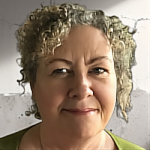
Guest, Rachel Vaughan
Trauma was trying to define her; it became her public legacy. She overcame it, exposed it and became a celebrated, dedicated professional in the world of energy work and healing and confidently broadcasts the truth about how powerful we all are.
This interview features Rachel Vaughan, a survivor of extreme childhood trauma under a father later revealed to be a serial killer. She details her journey from being a victim of systemic abuse and mind control to becoming a teacher of psychic development and energetic healing.
The Path from Victimhood to Healing
Rachel discusses the profound transition from "victim mode" to a state of personal empowerment. She believes her chronic physical ailments—including chronic fatigue, pain, and depression—were the physical manifestations of the trauma she carried from her childhood. By embracing the perspective that she "chose" this incarnation to break generational cycles of abuse, she was able to initiate a long process of recovery. She emphasizes that true healing requires the somatic "remembering" and validation of past events, as the body never forgets the trauma it has endured.
Systemic Corruption and Mind Control
A significant portion of Rachel’s early life was shaped by "MKUltra theta psychic training," a form of mind control where she was trained from infancy to perform remote viewing and precognition. She was used as a "spy" to read auras and determine if individuals could be controlled by her father. Her attempts to seek justice in adulthood were met with systemic obstruction in South Australia. She describes a "system of cover-up" within the police and legal departments, alleging that high-level officials, often linked through secret societies, protect one another and facilitate state-sanctioned trafficking within the family court system.
The Science and Control of Ley Lines
Rachel explains that ley lines are magnetic frequencies that spiral across the landscape, visible to those with specific photoreceptors in their retinas or through a "6th science" perspective. She notes that while these lines occur naturally and affect the growth of nature, they are often "inverted" or controlled in cities through piezoelectric structures like monoliths and obelisks. Rachel alleges that secret societies utilize crossing points of these lines—inter-dimensional portal spaces—for rituals. However, she asserts that individuals can reclaim these energies through clear intention and high-frequency tools like clear quartz.
Spiritual Defense and Collective Awakening
The conversation concludes with a focus on "psychic arming." Rachel teaches psychic development not for "sorcery," but as a means of protection against negative energetic attachments and "spells" cast through language and media. She believes the world is moving out of a period of control and into a "Golden Age" of collective consciousness. She encourages listeners to recognize their innate power to heal and protect themselves, suggesting that the "psychic army" of awakened individuals is growing rapidly.
Rachel Vaughan’s journey is a powerful testament to the resilience of the human spirit. By transmuting a legacy of horrific abuse into a mission of spiritual education, she provides a roadmap for others to reclaim their sovereignty from systemic and energetic control. Her message remains clear: no matter the depth of the trauma, healing and transformation are always possible through intention and truth.
Here are Rachels’ websites - https://www.6thscience.com & https://www.leylovedown.com
Inspired Radio
BREAKING FREE FROM LIMITING SYSTEMS AND EMBRACING OUR INFINITE POTENTIAL – WELCOME TO INSPIRED RADIO with Helen Taylor.
This is where souls come together for inspiring conversations that open hearts, shift perspectives and spark real change.
On Inspired Radio we explore new and uncharted ways of building, thinking, loving, and relating. It’s about embracing the discomfort of transformation and collectively creating Heaven on Earth.
Each week, my guests share their stories, powerful journeys of overcoming change and stepping into a better life. Through storytelling, we connect deeply, learn from one another and ignite the courage to walk our own path.
This show embodies the spirit of love, respect, and compassion. Join us for authentic conversations that will inspire you to live more freely, more fully and more connected.
INSPIRED RADIO with Helen Taylor – Because change begins with a conversation.
[00:09] Speaker 1: Welcome to Inspired Radio with Helen Taylor. Get ready to be inspired. Stories have power, and conversations spark change, so let's create a new world and get started right now.
[00:32] Speaker 2: All right. Good afternoon, Melbourne, good afternoon, Australia, and good day or evening to all our international listeners as well. I'm Helen Taylor. Welcome to my show, Inspired Radio. I'm here with you every Monday, 4:00 PM Melbourne, Australia time, and Sunday, 11:00 PM Central Time, US and Canada, for conversations and stories to inspire you. This is BBS Radio TV platform, and we're going live to 190-plus outlets worldwide. Inspired Radio is all about change and getting uncomfortable and shaking up the status quo, because we're breaking free from limiting systems and embracing our infinite potential. My guests are here to tell their story, to reveal how they've overcome change and made better lives for themselves and, of course, for others, and to inspire you with their stories, because storytelling is creating a new world. Rachel Vaughan is my guest today, and her life was shaped by secrets that most people could never imagine.
[01:37] Speaker 2: She was raised in the shadow of a father who was later revealed to be a serial killer. Her childhood was marked by fear, manipulation, and sexual abuse that remained hidden for years. As authorities began uncovering connections between her father and some of Australia's most disturbing unsolved crimes, Rachel was forced to confront not only a horrific public legacy, but the private trauma she had endured in silence. Her story is not just about crime, but about survival, resilience, and the long road towards truth and healing. Today, Rachel is with us, a woman whose life story moves through some of the darkest allegations and into extraordinary and profound personal transformation. This is a confronting yet powerful conversation about trauma, truth-telling, awakening, and evolution for all of us. So welcome, Rachel.
[02:37] Speaker 3: Thank you so much, Helen, that's a beautiful introduction.
[02:40] Speaker 2: You're welcome. I loved it. I loved it. I really... It was the bit about, you know, um... What am I, what am I looking for? D- d- d- d- um... You were forcing- forced to confront a horrific public legacy.
[02:59] Speaker 3: Yes.
[02:59] Speaker 2: That was a really strong bit that I felt in that.
[03:02] Speaker 3: Yeah.
[03:02] Speaker 2: Your... You know, I know we get- we'll get into the healing aspect and whatever, uh, but you'll agree with me when you say that people like you and I are here to stop generational stuff.
[03:14] Speaker 3: Absolutely. Yeah. 100%.
[03:16] Speaker 2: Yeah.
[03:16] Speaker 3: You know, that can go right back to, you know, I believe that, you know, I, I chose this incarnation, and that's one way of getting out of the victim hole.
[03:24] Speaker 2: Oh, ...
[03:24] Speaker 3: Because when you have that sort of background, you- obviously you're gonna be in that victim mode, so you know, in- my, my way of getting out of that, and I had chronic pain, chronic fatigue, chronic, chronic illness, um, and chronic depression.
[03:38] Speaker 2: Right.
[03:38] Speaker 3: And then I finally came to the conclusion I'd chosen this lifetime, and most of those issues went away. It took, it took time, it wasn't- didn't happen overnight.
[03:44] Speaker 2: Yes.
[03:44] Speaker 3: But, you know, it, it was part of the process. So once I took myself out of victim mode, that's when I was a- able to start speaking out.
[03:51] Speaker 2: That's a great place to start, actually, because a lot of people that are listening may not know what that's all about. But firstly, let's touch on, you said so much pain and, and depression and all the rest of it. Was that the physical manifestation of everything you were carrying?
[04:07] Speaker 3: Yeah. The, the body remembers. It's quite amazing. The somatic response to trauma is profound.
[04:13] Speaker 2: Mm-hmm.
[04:13] Speaker 3: So I encourage those who might be listening who, who might have a chronic pain condition or chronic fatigue to consider that there may be reasons for that, you know. I know a lot of us will run away from the, the reality of it, 'cause it's too frightening and too horrible.
[04:26] Speaker 2: Mm-hmm.
[04:27] Speaker 3: But true healing requires some, some remem- remembering, you know, some going back over, what might have actually caused the trauma in the first place, because the body never forgets.
[04:38] Speaker 2: And it doesn't mean to- for people that are listening out there, it doesn't mean that it has to be the- a level of trauma that you were experiencing.
[04:45] Speaker 3: No.
[04:45] Speaker 2: It can be any sort of trauma, even from just, you know, misunderstandings and, and angry confrontations or things like that. Um, what we're saying here at the moment really is, um, people just consider that there's an energetic side, or an emotional side, or a mental energy side to your pain and suffering. It's not just about going to the doctor's and getting a pill. There's other, other ways you can look at it-
[05:14] Speaker 3: Yeah.
[05:14] Speaker 2: ... and deal with it.
[05:15] Speaker 3: Yeah, and the pills generally, when you look at it, you know, it's, it, it's a... Not even a salve. It's, it's a cover-up, because a lot of those pills will actually interfere with the pineal function. You'll get all sorts of problems with, you know, antidepressants and things like that, that don't actually help, that just prolong the agony, in my opinion.
[05:31] Speaker 2: Mm-hmm. Sure. So you were carrying this enormous amount of pain and suffering. Um, how did you make that switch, though, to, "I'm not a victim?"
[05:43] Speaker 3: Oh, I was pretty sick of being in pain. And I'd- I'd gone through so many different options, and I'd- I'd been saying self-affirmations, I'd been writing down my memories, I had been speaking with other family members to see, you know, to, to... The thing is, when you've got memories of traumatic abuse in childhood, you'll get-... visions of it, you will have the bodily feelings, uh, you can feel quite sick. And to be able to validate, so you might remember that a cupboard's in a particular part of the room.
[06:09] Speaker 3: If you could, if you've got siblings, say, who are older, who can validate, "Well yeah, the cupboard was in that part of the room at that time." If you go over photographs, you can find, "Oh my gosh, I was right, that memory is correct." Because part of the process is actually validating whether or not these are real-
[06:23] Speaker 2: Yeah.
[06:23] Speaker 3: ... true memories, or just something else.
[06:26] Speaker 2: Yeah.
[06:26] Speaker 3: And you don't get help. (laughs) I, I was roundly abused by people in the major crime department, police complaints authority, ombudsman's office, it just went on and on and on.
[06:37] Speaker 2: Mm-hmm.
[06:37] Speaker 3: So, you know, it, it's unfortunately in South Australia where I grew up, in Adelaide, there, there is a, a system of cover-up in, in many, many different departments. And I've exposed recently, I've been doing some interviews where I'm actually showing, uh, PowerPoint, how, you know, uh, South Australia was sort of founded on this really bizarre, (laughs) um, situation where people were being anatomized, which means their bodies were being de-fleshed if they were in an asylum or if they didn't have family to, uh, to speak for them after they'd passed.
[07:11] Speaker 2: Yeah.
[07:11] Speaker 3: And being sold off as specimens, and that, Adelaide's well-known for this, and this is where it was founded.
[07:14] Speaker 2: Even, even back then, I was actually only reading an article, um, talking about the current conflicts and stuff that are happening overseas, um, there's, you know, skin donations. And I, I started looking at them like, why, why would you want to have, you know, whole departments and businesses set up for skin donation from cadavers?
[07:37] Speaker 3: Yeah. Yeah.
[07:38] Speaker 2: So it's been going on for decades.
[07:40] Speaker 3: Yeah. Yeah. And while I was exposing all of this, you know, there was a, a, a case where, in South Australia it was decided that human cadavers could still be sold. And the way that it was described in the article was it was okay 'cause they're from India. You know, like, like that makes a difference. So, you know, the human body is a commodity, unfortunately.
[07:58] Speaker 2: And I, look, for everybody out there, I mean, this is a question that was burning in the back of my mind because I know that, you know, you talk from a spirit or a soul point of view, and I think there, we all need to start having these sort of conversations that there's more to us, right? How did we get here? How did this degree, in, in your experience, how did this degree of evil turn up?
[08:22] Speaker 3: Oh, gosh. Well... (laughs)
[08:24] Speaker 2: Let's just say Australia. Let's just say Australia-
[08:26] Speaker 3: Okay.
[08:26] Speaker 2: ... and South Australia. How, where did, how did they turn up?
[08:30] Speaker 3: So you've got people who come from certain families, and I'm, I'm from one of those families.
[08:36] Speaker 2: Mm-hmm.
[08:36] Speaker 3: That are considered, you know, bloodline families. So apparently there's 13 bloodline families that, you know, don't all have the same surname but they come from the same, the core people.
[08:44] Speaker 4: (laughs)
[08:44] Speaker 2: Well, I think those surnames have changed over the, over the years.
[08:48] Speaker 3: Yeah. Yeah, yeah.
[08:48] Speaker 2: Many times. But it's, I, I-
[08:49] Speaker 3: So they interbreed and, you know, they, they, they, they change their names as well to obfuscate. But those individuals feel that they are better. They think that they are higher-
[09:00] Speaker 2: Mm-hmm.
[09:00] Speaker 3: ... than anybody else, and so we get treated like cattle. And when we're talking about, you know, um, the selling of, of human body parts, for instance-
[09:08] Speaker 2: Mm-hmm. Yes.
[09:08] Speaker 3: ... which is horrific and it's, you know, interesting we've come to that really horrific part at the beginning of this.
[09:13] Speaker 2: Mm-hmm.
[09:16] Speaker 3: It, it, it gets pretty heavy. I mean, there was cannibalism in my, in my childhood. So it gets really heavy. It's, it's really horrific. So we, I mean, you could consider it to this point of view when you've got people who think they're better than everybody else, they would compare themselves to an apex predator, and then you've got, you know, all levels of depravity involved.
[09:36] Speaker 2: Yeah.
[09:37] Speaker 3: Yeah.
[09:38] Speaker 2: Wow. You know, I mean, I have to say for everybody out there, I started investigating this sort of stuff 15 years ago, and you know, uh, and for those of you who are sitting out there going, "Oh, come on," like really, you know, when we're talking about such, um, depravity and such, um, historic kind of lineage and whatnot, it can seem pretty crazy. It's a big leap for a lot of people to take in one hit. But I can say now, that's part of what I'm doing now, and talking to you and talking to others, to start revealing that what I also thought was, "Come on, it can't be like that," is absolutely real. It is real, and it's becoming more transparent now, um, all over the place, that there has been human trafficking, child trafficking, sexual abuse, ritual abuse, um, and just this depraved evilness that's been running in the background of this whole world.
[10:38] Speaker 3: Mm-hmm. Yeah, and I look, this, this latest trove of Epstein files that have been released-
[10:42] Speaker 2: Mm-hmm.
[10:43] Speaker 3: ... for whatever reason they've been released-
[10:45] Speaker 2: Yep.
[10:46] Speaker 3: ... it's evidence of all of those things.
[10:48] Speaker 2: Yes. Yes.
[10:48] Speaker 3: Uh, you know, and it's just, it's, it, it's not an unusual case.
[10:53] Speaker 2: So tell me, I know that I listened to a few of your, um, your interviews and your YouTubes and things, um, just to get ready to talk to you today, and one thing that really interested me, for those that don't know what MKUltra is, we won't get into that now but you can go find out. It's all over the place, you Google it, you'll find things. Um, but you talked about psychic development as a child, and now that you're a psychic as an adult, amongst other titles as well, tell me about what was the psychic development that was happening with you as a child?
[11:27] Speaker 3: So, well, MKUltra is mind control basically, and there are many, many different subclasses of that. Um, I was trained under theta psychic training, so, um, MKUltra theta psychic training. And one of the very interesting things that was done with me as a child, uh, which my father later explained to me, was I would be told that I could already do something, I'd just forgotten. So I'd then be asked to remote view or have, you know, ex- express precognition, tell people what's gonna happen in the future. My father told me years later that I didn't have those abilities. They told me I did, and so I expressed them.And that's part of that process, and it started from infancy, from when I had a dummy in my mouth. Uh, I was shown what people have later explained to me must have been Zener cards, and I was to guess what a person... I watched them go into a room, they closed the door... what, what card they were looking at. They would hold up several cards, and I would point at them.
[12:22] Speaker 2: Okay.
[12:22] Speaker 3: Now, that was part of the training. Whether or not that was actually accurate, I don't know, but there was a lot of fuss and ado, and I was being told that I was doing a really good job. So, at the beginning of it was actually, I felt really special.
[12:34] Speaker 2: Right. Yes.
[12:35] Speaker 3: You know, amazing. You know, I would have been very small. But later on, when I didn't get it right, there would be torture, um, and there would be others that would be harmed. Uh, I had a particular issue with animals being harmed. And so, that, that would be another way to make sure that I was absolutely, absolutely on point. Because of all that trauma, in adulthood, I struggled with mainstream jobs. I just couldn't work in the mainstream. I was, um, deliberately, I think, given positions, like I was definitely given a position to go into a, um, Bachelor of Science degree, even though I... no way I could have gotten in. My father got me in there.
[13:13] Speaker 2: Right.
[13:13] Speaker 3: Um, I, I, I withdrew from that when I realized what, what my father and his very good mate wanted me to do. They wanted me to go into psychology, and they probably would have used me to take children off, off good parents, 'cause that's a big thing.
[13:24] Speaker 2: Exactly.
[13:24] Speaker 3: State-sanctioned, um, trafficking in Australia, especially South Australia, is really big. They also ... I was put into the public service. I couldn't, I couldn't work in those areas. I, I just couldn't function. So eventually, I, it got to the point where my-
[13:38] Speaker 2: What part of you, what part of you couldn't function?
[13:40] Speaker 3: It was the... Mostly, it was the social interaction. I was fine with process work, fine. It was the social interaction.
[13:47] Speaker 2: Yep.
[13:47] Speaker 3: I struggled with it.
[13:48] Speaker 2: Right.
[13:48] Speaker 3: So eventually, I came to the point, well, I'm good at psychic work. I, I'd, I'd sort of remembered some of my stuff.
[13:55] Speaker 2: Mm-hmm.
[13:56] Speaker 3: Uh, started working in a, in a, in a crystal shop, was told I could do readings, and I just started from there. And then the memories of what I'd actually been taught to do as a child came up.
[14:08] Speaker 2: So, they were teaching you to do it, but do you think now, when you look back, 'cause hindsight's such a beautiful thing, isn't it, that they were actually, um, allowing you to, um, you know, what you could naturally do to emerge from within?
[14:24] Speaker 3: I don't think they planned for me to do this to feather my own nest.
[14:28] Speaker 2: Mm-hmm.
[14:28] Speaker 3: Absolutely not. I was supposed to always remain within the cult and be controlled. So I was used as a go-between as well in rituals with entities, you know, and that's, that's um, you know... (laughs) We've talked about some really interesting things today. Um, but you know, it might be really hard for people to understand but...
[14:41] Speaker 2: Yeah.
[14:42] Speaker 3: That, a lot of that's about to come out in the mainstream, I believe.
[14:45] Speaker 2: Well, I, look, and I agree. I, I made a little decision a few weeks ago, um, that, you know, words like soul and energies and spirit and whatnot have to now start to become normal. People, you know... I'm just encouraging you to, if you're feeling any resistance, just, just let it go. Just let it go. Just have an open mind to, um, you know... There is predominantly, 99% I think they say in science, um, energy that we can't see.
[15:15] Speaker 3: Exactly.
[15:16] Speaker 2: We're only seeing 0.03% of everything that there is, so keep an open mind, folks. But let's talk about... So, you were... They were trying to condition you and train you to be a psychic as a child, to do remote viewing, and what else were you doing?
[15:32] Speaker 3: Well, basically I was a spy.
[15:34] Speaker 2: Okay.
[15:35] Speaker 3: So I would spy on people, um, on my parents.
[15:37] Speaker 2: And why did they need that?
[15:39] Speaker 3: Sorry?
[15:40] Speaker 2: Why did they need that?
[15:42] Speaker 3: Well, children are very psychic naturally.
[15:45] Speaker 2: Yes.
[15:46] Speaker 3: Um, and I also have what's called, um, central heterochromia, which is an eye color, which means that I can pick up different aspects of the electromagnetic spectrum that other people cannot pick up on.
[15:55] Speaker 2: Okay.
[15:55] Speaker 3: So, I was used as an aura reader as a child.
[15:59] Speaker 2: Mm-hmm.
[15:59] Speaker 3: And so, I could... And I, and I feel terrible about it now, but, but my father would ask me what a person's color was, and I'd tell him, and he'd know whether or not he could control that person.
[16:08] Speaker 2: Okay.
[16:08] Speaker 3: Yeah.
[16:09] Speaker 2: Got it. Wow. Wow, that is just fascinating. Okay. So, then you started... You tried to conform and join the rest of the world and do what everybody else was doing, and it just wasn't working. So, what did you end up doing then? Crystal shop?
[16:25] Speaker 3: Well, I had a series of jobs, uh, that were very difficult and I struggled in. Um, I had a lot of... I, you know... I was, I was anorexic for a long time, uh, just couldn't self-nurture until I had a breakdown, basically, a physical breakdown. My body wouldn't work anymore when I was working in a factory.
[16:41] Speaker 2: Mm-hmm.
[16:41] Speaker 3: And that's when I, you know, as part of, um, trying to rehabilitate me, I went into this crystal shop, and things just... I'd already had, had quite a few memories coming up from about 2000 onwards. Actually, '99.
[16:53] Speaker 2: Okay.
[16:53] Speaker 3: 1999.
[16:53] Speaker 2: So, all those things were happening at the same time.
[16:56] Speaker 3: All at the same time.
[16:56] Speaker 2: The breakdown, the breakthroughs.
[16:59] Speaker 3: Yes.
[17:00] Speaker 2: Okay.
[17:00] Speaker 3: And this is a very common thing for people who've had severe trauma. The physical body will remember first and just stop you from being able to function physically, so that you have to try and think about why, what's going on, what's happened.
[17:12] Speaker 2: Yes. Yes, I remember. I wrote myself a book. Or I wrote a book for others as well, I suppose, but I wrote my story a couple of years ago, and one part that's in there is the, the, um, nervous breakdown that I had overnight. And you know, I had been carrying and carrying all this stuff, and one night, I just... If anyone had have found me, I was in this flimsy skirt and a little top, and it was a balmy warm night, and I had tears running down my face, going from the window, lounge room windows of house after house, crying and looking at families enjoying themselves and happy. And I was... My life was a mess, a total mess, but I, you know, I, I went from house to house until I finally ended up sitting back where I was living with my boyfriend, sitting in the dirt until I finally finished crying. And then I went in, and I went to bed. And I woke up the next day, and it was like, "Right."What do I do? How do I get out of this situation, and how do I get myself into something better?
[18:16] Speaker 2: You know? And it was like, gosh, the nervous breakdown, it took 24 hours. Yeah.
[18:22] Speaker 3: Wow.
[18:23] Speaker 2: It's powerful.
[18:23] Speaker 3: That's really impressive. Well done.
[18:25] Speaker 2: It's powerful, like you're saying. It's like it hits you, and you don't have a choice, 'cause I think I'd been avoiding mine for 10 years. How long had you been avoiding yours?
[18:35] Speaker 3: Well, well, I got away from my father at 16.
[18:38] Speaker 2: Mm-hmm.
[18:38] Speaker 3: Uh, and so the breakdown happened when I was about, about 30.
[18:45] Speaker 2: Yeah.
[18:46] Speaker 3: Yeah.
[18:46] Speaker 2: So all that-
[18:46] Speaker 3: And I had a lot of issues in between. (laughs)
[18:48] Speaker 2: Yes.
[18:48] Speaker 3: But it was when it really profoundly came to a point where I was really having-
[18:51] Speaker 2: You do have, you do, you do have a lot of issues in between, because you've been programmed and conditioned to believe that you should behave a certain way, so you attract more and more of those awful situations, don't you?
[19:04] Speaker 3: Exactly, exactly, yeah, precisely.
[19:06] Speaker 2: Yeah.
[19:06] Speaker 3: So I, I was trained to never say good, no, never say no to a man.
[19:10] Speaker 2: Right.
[19:10] Speaker 3: So I wasn't allowed to say no. So I didn't make the best choices.
[19:14] Speaker 2: Yep.
[19:14] Speaker 3: I wasn't, I was never promiscuous. I managed to get myself in long-term relationships, so at least that wasn't an issue.
[19:19] Speaker 2: Mm-hmm.
[19:19] Speaker 3: That was an issue for other family members, but yeah, it, I, I wa- I didn't choose well in certain circumstances.
[19:25] Speaker 2: The programs were still running.
[19:27] Speaker 3: Very much so, yes.
[19:29] Speaker 2: So you had this, this, the start of a breakdown. How did you... What did you do next? How did you deal with that?
[19:36] Speaker 3: Well, I mean, at the time, I didn't really know the process. I'm, I'm able now to help other people go through that process, because you know, when you speak out publicly, people say, "Well, this helps me, and this helps me," and you catch it all in your mind, and you, and then you pass it on. So I, I actually started writing out the memories.
[19:53] Speaker 2: Okay.
[19:53] Speaker 3: I confronted my father. Uh, that was a whole interesting chain of events. Um, a sibling of mine confronted my father on my behalf about one particular memory. His response was, "She wouldn't remember that." So he certainly didn't, (laughs) didn't respond in a way that would've been appropriate.
[20:09] Speaker 2: Mm-hmm.
[20:10] Speaker 3: Uh, and her memories started to come up. Then another sibling's memories started coming up.
[20:15] Speaker 2: Okay.
[20:15] Speaker 3: So we're very unusual in that we're very lucky, you know, 'cause, 'cause there's so much effort put into programming to divide-
[20:24] Speaker 2: Yes.
[20:24] Speaker 3: ... within families, if, if the perpetrator in the family is stupid enough to abuse more than one of their children, which is not always the case. Many perpetrators are clever enough to just abuse one, and that, that poor child is basically a sacrificial lamb. They... None of the siblings will back them up.
[20:39] Speaker 2: And there's a lot of-
[20:40] Speaker 3: Or-
[20:40] Speaker 2: There's a lot of awful, um, kind of labels for that sort of stuff, including gaslighting and whatnot these days, but even a few decades ago, was it in the '60s or the '70s? The false memory syndrome, you know, like, that was created in psychiatry, um, as a label for kids that had been abused. They were having false memories. It's just an awful thing to do to children, or even adults, is to, you know, just, um, just swipe away what they're saying.
[21:12] Speaker 3: Yeah. Yeah, exactly, and the False Memory Foundation was disbanded in 2019 because it was founded by pedophiles. (laughs)
[21:18] Speaker 2: (laughs) Yes, it was founded-
[21:18] Speaker 3: And it was ha- a huge alumni of pedophiles that are all proven pedophiles.
[21:23] Speaker 2: Oh my gosh.
[21:25] Speaker 3: Yeah, yeah, yeah, it's quite amazing, and that was thrown at me for years by one particular family member, and I do that in inverted commas for a reason.
[21:33] Speaker 2: Yes.
[21:33] Speaker 3: I can't name this person yet. Uh, but yeah, she, she was programming the rest of the family to say it's false memory syndrome, and when they, when she wasn't saying that, she was saying it was, uh, mass, mass psychosis, which is just, it's just ridiculous. So yeah, so when, when, when the foundation was disbanded, that was, that was cause to celebrate. I didn't find to, find out 'til years later, but yeah-
[21:56] Speaker 2: Yeah.
[21:56] Speaker 3: ... people can't do that anymore.
[21:57] Speaker 2: That is cause to, to celebrate, absolutely. So it, it, the s- the memories started coming back for you. All of that was starting to hit you like a road train, by the sounds of it.
[22:06] Speaker 3: Yeah.
[22:07] Speaker 2: So then you were talking to your siblings, so everybody... It's like you were kind of a catalyst that started triggering all of them?
[22:13] Speaker 3: Yes.
[22:14] Speaker 2: Yes.
[22:14] Speaker 3: Absolutely.
[22:15] Speaker 2: You were. Of course you were. Oh my gosh. (laughs) And so what happened next? Like, you've confronted your dad. How did it start to become public?
[22:25] Speaker 3: So I was making alle- like, proper professional allegations, like, like on statutory declarations, so, so these are legal documents, and I was giving them to-
[22:35] Speaker 2: For who?
[22:35] Speaker 3: I was giving them in to police.
[22:36] Speaker 2: Right, okay.
[22:37] Speaker 3: I was making the declarations to police.
[22:39] Speaker 2: Yep.
[22:39] Speaker 3: And I was getting a really weird response.
[22:42] Speaker 2: Mm-hmm.
[22:42] Speaker 3: There was so much obfuscation and, uh, deliberate gaslighting.
[22:48] Speaker 2: Right.
[22:49] Speaker 3: So it was really, really strange. I did make a submission to the Mulligan inquiry. Uh, so it was just this long-winded process, and every time I'd get pushed back, possibly because of my, my training or because I'm just a very stubborn woman. (laughs)
[23:04] Speaker 2: Yes.
[23:04] Speaker 3: And so determined, um, I, I would then write in a complaint to the Police Complaints Authority and get the same response. But what happened there was that I, I had this long litany of written responses I would write. I would take photocopies of what I sent.
[23:18] Speaker 2: Yep.
[23:18] Speaker 3: And this is all in the days, you know, we're going back 20 years when people would write letters, so I have all these physical responses that are absolute rubbish from the authorities.
[23:28] Speaker 2: Why were they pushing back at you though? Like I, uh, you know, I'm just thinking about that myself. It's like, are they... I mean, these people that are at the front desks and the front line of the police and the departments you were talking to or connecting with, um, you know, they're not the ones that are the perpetrators or know of the perpetrators, but are they trained to just discredit anybody making these sorts of allegations?
[23:54] Speaker 3: Yes, some are masons.
[23:57] Speaker 2: Okay.
[23:57] Speaker 3: So when you get into the high levels of the police force, I've been told that you have to be a mason.
[24:03] Speaker 2: Yeah.
[24:03] Speaker 3: So they all, they all have an oath to one another. They don't have an oath to, to the, um, to the community to help. Also, in South Australia, you have to go through Crimestoppers. If you're gonna make a cold case, uh...... if whether it's, whether it's about a child that's missing and that you, you think your father's murdered, or if it's about something that's happened to you as a child-
[24:23] Speaker 2: Hmm.
[24:23] Speaker 3: ... you have to go through Crime Stoppers, and that was their barrier.
[24:26] Speaker 2: Ah.
[24:27] Speaker 3: That was one of the first barriers.
[24:28] Speaker 2: Okay, now I've got you. Now I've got you, 'cause I'm thinking, "Gosh, you know, you can't have a whole front line that are all just going, 'No, we know what's up and we're gonna, you know, dissuade you from going down this route.'" Okay, so they, they were tunneling or funneling it into a certain direction.
[24:44] Speaker 3: Yeah.
[24:45] Speaker 2: Yeah.
[24:45] Speaker 3: Yeah, but that does not, uh, mean that those who, who I did communicate with in the police, you know, didn't have responsibility for what they did. And just one example, there was a man who used to work in the Police Complaints Authority, the, um, initials WM. He told me over the phone in 2012 that I had been dealt with, and he said that to me three times in a menacing manner.
[25:08] Speaker 2: Right.
[25:08] Speaker 3: I then found him when the Police Complaints Authority (laughs) was disbanded in, um, was it 2012? So, he must have been in- no, he must have been in the Police Minister's office. Anyway, it was in- it was in an office of authority.
[25:21] Speaker 2: Mm-hmm.
[25:21] Speaker 3: He then got put up into the Police Ombudsman's office. So, I had been dealt with multiple times by this individual, and then he went into an office where... So, every time I went to a higher level, they were there. It was just over a period of years.
[25:36] Speaker 2: Uh, yeah.
[25:37] Speaker 3: It was incredibly frustrating. Um, so he actually, this individual, WM, recommended to the Police Ombudsman not to have his own, um, misconduct examined by the Polince Of- Police Ombudsman. He was the one (laughs) advising the Police Ombudsman. And I know this-
[25:54] Speaker 2: Yeah.
[25:54] Speaker 3: ... because I rang the office and I asked for the delegate who was looking into my case, and I- I bless the woman who, who put me through. She put me through to him. (laughs) And he answered with his name, and it was like, "What are you doing there?" and, "How dare you?" And yeah, so I- I let him know. But this is how it works. It's all set up.
[26:13] Speaker 2: You, you kind of walked into or you were uncovering, um, a whole system full of snakes.
[26:19] Speaker 3: Yes, yes.
[26:20] Speaker 2: Yeah?
[26:20] Speaker 3: We all protect each other.
[26:22] Speaker 2: Yeah. And that's the other thing that people have a lot of trouble taking on board, is that there can be corruption amongst or such corruption amongst what we see as authority and those people that are there to protect us and look out for us.
[26:37] Speaker 3: Yeah, yeah. And another example is the acting ombudsman wrote to the attorney general and made a, made up a complete lie about me, saying that a certain individual had helped my father murder a girl. I've never made that allegation.
[26:49] Speaker 2: Right, yeah.
[26:51] Speaker 3: (laughs)
[26:51] Speaker 2: So, they-
[26:51] Speaker 3: And that, that is an official document.
[26:53] Speaker 2: Using their power to distort things.
[26:56] Speaker 3: Yep.
[26:56] Speaker 2: And there's, there's that other thing that most of us when we're, we're looking up to authority, um, we also don't wanna question or challenge authority. And those people in those powerful positions know that.
[27:08] Speaker 3: Yeah.
[27:08] Speaker 2: They know that, yeah, that it'd take a hell of a lot for anybody to question them or challenge them. So, the, the, your father and the people he was affiliated with, they had infiltrated the police force, had connections there?
[27:25] Speaker 3: Well, you know, certain people don't get into the police force unless they have certain, you know, they say that they can't have a, an IQ above a certain level.
[27:35] Speaker 2: Yes.
[27:35] Speaker 3: And, you know, a lot of people who go into those sort of departments, if they wanna be a career officer, would be a family member of another career officer.
[27:42] Speaker 2: Yes.
[27:42] Speaker 3: They could get put out the line.
[27:44] Speaker 2: Yes.
[27:44] Speaker 3: So, I'm not saying all officers or police officers in South Australia are corrupt.
[27:47] Speaker 2: No.
[27:48] Speaker 3: But when you get to the higher levels, I certainly didn't have a lot of positive experiences with high-level police. I did have some really good high-level police help me.
[27:55] Speaker 2: But what you're saying is there's a lot of handpicking that's going on-
[27:58] Speaker 3: A lot.
[27:58] Speaker 2: ... in the background.
[27:59] Speaker 3: A lot.
[27:59] Speaker 2: Yes, yeah. And that infiltrated our family court system as well, didn't it?
[28:03] Speaker 3: Oh, god, yeah. That's-
[28:05] Speaker 2: I'm seeing that personally with people I'm watching going through. Um, there's not a lot of common sense that's actually at the forefront of what's happening in these cases and these hearings.
[28:15] Speaker 3: Yes.
[28:15] Speaker 2: Um, th- th- there's a, you know, the, the kids, anybody that goes into, into family, the family court system, um, it's traumatic. It's, it's actually traumatizing the children more than anything else.
[28:29] Speaker 3: Yep, and through that process, those in certain positions can see which children will dissociate and are more easy to abuse.
[28:37] Speaker 2: Right.
[28:38] Speaker 3: And so we have a trafficking, a state-sanctioned trafficking system in South Australia.
[28:43] Speaker 2: What-
[28:43] Speaker 3: Now, it's not just South Australia, but it's the one under the-
[28:45] Speaker 2: What does it mean?
[28:46] Speaker 3: It means that the state will take a child from a good, loving family-
[28:51] Speaker 2: Yep.
[28:51] Speaker 3: ... traffic them. And it's a m- multi, like, it's billions of dollars.
[28:57] Speaker 2: Wow.
[28:57] Speaker 3: That there's, it's, it's a lot of money. Children are put in motels-
[29:01] Speaker 2: Yep.
[29:02] Speaker 3: ... to have different, uh, carers come and take care of them. What's to say that pedophiles aren't going backwards and for- and they do, backwards and forwards to that motel room-
[29:10] Speaker 2: Right.
[29:11] Speaker 3: ... 24 hours a day?
[29:12] Speaker 2: Yep.
[29:13] Speaker 3: That's a lot of money.
[29:14] Speaker 2: Yeah. Wow. Again, people, if you're feeling any resistance, just let it go. Just start considering. I mean, w- you know, you- you're telling this from experience, from firsthand experience with things, yeah?
[29:28] Speaker 3: Yeah.
[29:28] Speaker 2: That this is really going on out there, and we need to expose it, right?
[29:33] Speaker 3: Yeah. Well, there was a, there was a child, so I- I'll s- I'll be very careful about what I say here, but there was a child that was being abused in the same tunnel system that I was abused in in the '70s and '80s by at least one of my abusers in 2017. And I went through everything that I possibly could with one of the parents-
[29:50] Speaker 2: Mm-hmm.
[29:50] Speaker 3: ... to try and protect that child.
[29:52] Speaker 2: Yep.
[29:52] Speaker 3: There was an incredible journalist involved. And the family court system, oh my god, it's so corrupt.
[29:57] Speaker 2: Right.
[29:57] Speaker 3: And, and there were very easily proven lies. But the problem is that the Evidence Act was removed at one point. I think it was around about... I can't remember what the date was, but, but so there's no evidence allowed in family court.
[30:10] Speaker 2: Mm-hmm.
[30:11] Speaker 3: So, you've got your, um-
[30:13] Speaker 2: Evidence to-
[30:14] Speaker 3: ... student advocates-
[30:15] Speaker 2: To prove that somebody is, yeah, i- i-
[30:18] Speaker 3: All you need is one psychiatric report to say that that parent is crazy.... or delusional or making allegations against the other parent for, for whatever other reason-
[30:27] Speaker 2: Absolutely.
[30:28] Speaker 3: ... and you've got the child.
[30:29] Speaker 2: I've seen that firsthand on three occasions, that that's exactly what's happened as well. Yeah. Stories being told by professional psychiatrists.
[30:37] Speaker 3: And I have no doubt that's where I would have been channeled if I had done that degree and gone into psychiatry. That's no doubt what the cult would have asked me to do.
[30:44] Speaker 2: Yeah. And all I see is a system that's as black as black, really, when it comes to energy, and it's just, it's making money. It's making money out of people's, um, lives, their broken lives and their misery. Because I don't see very many people go through the family court system and come out with a win-win, everybody's happy, and everybody's doing okay.
[31:04] Speaker 3: Most, most protective parents lose their house.
[31:07] Speaker 2: Hmm.
[31:08] Speaker 3: If they have one.
[31:09] Speaker 2: Yes, it's a huge money industry.
[31:10] Speaker 3: It is. It is.
[31:10] Speaker 2: No doubt about that.
[31:12] Speaker 3: Yeah.
[31:12] Speaker 2: First thing a family lawyer will do is put a caveat on a property. (laughs)
[31:15] Speaker 3: Exactly. Yeah.
[31:17] Speaker 2: Yeah. So, okay, okay. So you started to pull yourself away and out of all of that. You started trying to let authorities know and, you know, trying to get some sort of, what? Um, acknowledgment? Awareness of what was going on? Yeah?
[31:33] Speaker 3: Well, my greatest incentive was that my father was living on a property with a young family member of mine, and I was trying to protect him.
[31:41] Speaker 2: Okay.
[31:42] Speaker 3: And during the time that I was making allegations, my two siblings were making allegations, bearing in mind that my brother had, uh, my father's very close friend, one of three convicted pedophiles that were my father's very close friends-
[31:53] Speaker 2: Mm-hmm.
[31:53] Speaker 3: ... incarcerated in 2016. Even after that, three of my children were, uh, sorry, three of my family members were allowed to live with my father, and they were very young at the time. And it's just, it beggars belief. It's so infuriating.
[32:10] Speaker 2: Yes. It does. It-
[32:12] Speaker 3: But that was a big incentive for me.
[32:14] Speaker 2: It signals a broken system.
[32:15] Speaker 3: Oh.
[32:15] Speaker 2: It's, it just signals something's broke, right? Yeah.
[32:19] Speaker 3: Yeah.
[32:19] Speaker 2: So, when did you then turn to, let's start talking about something really lovely, ley lines? How did that come out of the tunnel systems that you were trafficked through to you starting to understand about the ley lines, this beautiful power?
[32:37] Speaker 3: Well, again, so the, my eye color means that I see different aspects of the electromagnetic spectrum.
[32:44] Speaker 2: Mm-hmm.
[32:44] Speaker 3: But anybody can actually see a ley line. So around 2012, I, I used to go out and take a lot of photographs. I mean, you know, hundreds of photographs or thousands of photographs.
[32:52] Speaker 2: Hang on, let's go back one step. Can we explain to people, please, what a ley line is?
[32:57] Speaker 3: So a ley line is a magnetic frequency that spirals across the landscape. So it could, quite often they'll be just hovering above the ground. They can be different, um, widths 'cause they could, they are visible. Um, and this is proven, um, in, um, in studies. So we have a CRY2 cryptochrome photoreceptor, which is exactly the same as what birds and insects have, and they navigate looking at ley lines. And so people across the board have, have navigated using ley lines for, forever.
[33:25] Speaker 2: When you say we have that crypto, what was it?
[33:28] Speaker 3: Uh, CRY2 cryptochrome photoreceptor.
[33:30] Speaker 2: That's something that's a part of us or are you talking about a bit of equipment?
[33:33] Speaker 3: It's a part of our retina.
[33:35] Speaker 2: It's a part of us.
[33:35] Speaker 3: We can literally see them.
[33:37] Speaker 2: Yes.
[33:37] Speaker 3: So around 2012 when I was going out in nature and taking all these photographs, I started to notice that there were these circles in my photographs in nature, and I couldn't understand what was going on. So, being a psychic and having had a connection with spirit guides from a very young age, I asked the question. And at the time they, my guide said, "It's a ley line." I didn't know much about ley lines at that point. I'd heard the name, but I didn't really know much.
[33:59] Speaker 3: And I was told, "It doesn't matter now, but it will matter later."
[34:02] Speaker 2: Okay.
[34:03] Speaker 3: Um, and just to keep taking photographs, which is what I did.
[34:06] Speaker 2: Yep.
[34:06] Speaker 3: Yeah. So, so these magnetic frequencies, as they spiral along in nature, plants avoid growing within them. So you get these natural paths.
[34:15] Speaker 2: Yes.
[34:15] Speaker 3: And you can see circle after circle after circle in perspective along those paths. No one's going along with a brush cutter to make these perfect circles. It's a natural phenomenon.
[34:23] Speaker 2: That's what you're talking about. Now I get it. Okay.
[34:26] Speaker 3: Yeah.
[34:26] Speaker 2: So it's a bit like looking at a crop circle.
[34:28] Speaker 3: Yes.
[34:28] Speaker 2: But it's on a smaller scale. Yes.
[34:31] Speaker 3: Yes.
[34:31] Speaker 2: Fabulous. And for people out there listening, it's also ley lines have beautiful energy about them as well. Like, for example, here in Australia, you look at somewhere like Byron Bay, you know, people think that everybody just sort of goes there because it's hip or it's, you know, it's the culture or whatever, but there, there's the energetic signature to areas like that that naturally draw people because the, the, the pr- the area itself just flourishes and thrives.
[35:01] Speaker 3: Yeah. Yeah. So you can feel it in your body.
[35:03] Speaker 2: Yeah.
[35:03] Speaker 3: So I have a wonderful girlfriend who, who, we, we go for walks together. She feels them before I see them. So she'll say, "Take some photos," and it's like, oh yeah, I can see it now. It's, it's right there.
[35:12] Speaker 2: Well, you must be an interesting walk to go on. Yes.
[35:14] Speaker 3: Yeah. (laughs) We, we have a lot of fun. But it's interesting, so there are positively affecting ley lines and there are negatively affecting lay ou- ley lines.
[35:21] Speaker 2: Oh, I didn't know that. Okay.
[35:23] Speaker 3: So, through the process of learning about them, because I was fascinated by them, I could see them-
[35:28] Speaker 2: Yep.
[35:28] Speaker 3: ... uh, I, I recognized that in the rituals that I was used as a go-between, between, you know, the, the adults that wanted me to communicate with these entities that they were bringing, bringing up, um, I recognized that they were doing them out in the open where they could be caught, filmed, whatever, uh, because they needed to be in a specific location, and suddenly-
[35:50] Speaker 2: Right.
[35:50] Speaker 3: ... dawned on me, "Oh my God, they're in a crossing point of ley lines." So it, it took years for this understanding to come together. And then in 2023, I was doing an interview with a gentleman, um, called Ben Hawkes, and I, you know, we were talking about, you know, why, why do they do these things? And I said, "Well, they do them out in the, in the, in the ley lines, in the crossing point of ley lines, which is the portal space, which is inter-dimensional."
[36:12] Speaker 2: Okay.
[36:12] Speaker 3: And when they unalive somebody in that space, it opens a doorway.
[36:15] Speaker 2: Mm-hmm.
[36:16] Speaker 3: So from that understanding, I then recognized that there are controlled ley lines in cities and towns which the frequency is controlled by piezoelectric structures.
[36:27] Speaker 2: Yeah.
[36:27] Speaker 3: Monoliths, obelisks.... parliament tre- parliament house, you know, is usually with, you know, some sort of sandstone or some sort of marble.
[36:34] Speaker 2: Yeah.
[36:34] Speaker 3: So you got all these buildings that are specifically placed on what would normally be a natural earth energy line, and to- and from-
[36:41] Speaker 2: So it's location. It's the location, but it's also what the pr- the- what it's made of.
[36:47] Speaker 3: Yes.
[36:48] Speaker 2: When it was founded.
[36:49] Speaker 3: Yes.
[36:49] Speaker 2: Yeah? So it's dates, it's locations, it's structure.
[36:54] Speaker 3: It's so comp- It's a very complex thing, and you- when you go into the free Masonic aspects of it, and I've just learned recently free masons have their own passports. (laughs) So, so you've got people that operate outside of the normal laws.
[37:10] Speaker 2: Yeah, they got their own jurisdiction is what I call it.
[37:13] Speaker 3: Exactly. Yeah.
[37:13] Speaker 2: Okay.
[37:14] Speaker 3: And they, they control these ley lines. So that's why people who are very sensitive go and- if they go to live in a city, they'll get sick, because the frequencies are inverted.
[37:22] Speaker 2: They control these ley lines. That's interesting, 'cause I had a question in mind for you. It's like how can somebody use those ley lines to their advantage? So if somebody was going into family court, or if they were going into parliament, can they use and tap into those energies to help themselves?
[37:44] Speaker 3: Yes, they absolutely can.
[37:46] Speaker 2: Yeah?
[37:46] Speaker 3: So our in- our intent-
[37:48] Speaker 2: Yeah.
[37:48] Speaker 3: ... is our greatest spell-casting, um, option, and I'm not a witch. But when you realize that the English language is purely... It's all spell-casting, cursive. It's cursed. You know, i- i- um, you know, there's- there's so many different aspects, you know, I could go into right now.
[38:03] Speaker 2: There is, there is. But for everybody listening out there, again, it's another big jump to take.
[38:07] Speaker 3: Yeah.
[38:07] Speaker 2: And I hear you having to say you're not a witch. I've been accused of being one myself in my life.
[38:12] Speaker 3: Have you? (laughs) Okay.
[38:13] Speaker 2: Absolutely. Um, and it was really because I was using essential oils and crystals.
[38:17] Speaker 3: Oh, perhaps.
[38:18] Speaker 2: It's like, my gosh, my gosh.
[38:20] Speaker 3: Wow. Okay.
[38:20] Speaker 2: Um, but, you know, when you're talking about spells, let me just break it down a little bit for people. Words, our words, you're listening to the two of us at the moment, and they have an out... Our voices, individually and combined, have an energy about them, and an intent about them as well, right? So that's- that's part of... We're casting spells right now with our intention and with our- our voice, right? And words have spells, yeah? I mean, for anybody that wants, go- go google it. Go google the, you know, good morning. Good morning could actually mean that you're mourning something.
[38:58] Speaker 3: Yep.
[38:58] Speaker 2: There's a whole other world of the dictionary and words that will- will tell you a lot about spells. But you're talking now about good intention, right?
[39:08] Speaker 3: Mm-hmm.
[39:08] Speaker 2: So if somebody wants to go into court and they want to utilize the ley line energy, they start with intention, and then what do they do?
[39:17] Speaker 3: So- so my recommendation would be to take something that you feel is very high frequency, so clear quartz is very, very high frequency. So if you're wearing that on your body when you go into a space, and- and bearing in mind, all quartz, every single quart, is in a crossing point of ley lines. They're not built just anywhere. They're placed in the ley line.
[39:35] Speaker 2: Well, I know from aboriginals that Byron Bay is on a complete plateau of quartz.
[39:41] Speaker 3: Wow. Wow.
[39:41] Speaker 2: Right? I heard that from an aboriginal decades ago, and I'm like, "Of course it is. Of course."
[39:46] Speaker 3: And which is why you got so many sensitives and psychics that are attracted to the area.
[39:50] Speaker 2: Right.
[39:50] Speaker 3: Because it- it- it's a resonance that is very healthful for the body.
[39:54] Speaker 2: Yeah.
[39:54] Speaker 3: So again-
[39:54] Speaker 2: And so clear quartz.
[39:56] Speaker 3: Clear quartz.
[39:56] Speaker 2: Take some clear quartz with you, yeah.
[39:58] Speaker 3: Yeah. And with your intent that it's gonna protect you from the energy.
[40:00] Speaker 2: Mm-hmm.
[40:01] Speaker 3: I mean, I've heard stories about people going to family court, and the judge will knock three times on his own chamber door before he comes in, and that's a ritual.
[40:09] Speaker 2: A ritual. And that's a spell.
[40:11] Speaker 3: It's a spell.
[40:11] Speaker 2: Let me tell... Let me s- Yeah, absolutely, it is.
[40:14] Speaker 3: Yeah, yeah.
[40:15] Speaker 2: Yes.
[40:15] Speaker 3: Yeah. So you need to make sure that you feel confident as you go into that space that you are protected from the energies.
[40:20] Speaker 2: Mm-hmm.
[40:20] Speaker 3: Because it's obviously already gonna be fraught with emotion-
[40:24] Speaker 2: Mm.
[40:25] Speaker 3: ... being in family court in the first place.
[40:26] Speaker 2: Yes.
[40:27] Speaker 3: The idea is to not allow them to take away your strength.
[40:31] Speaker 2: Yeah.
[40:32] Speaker 3: And I would suggest, for those who are traumatized by that, go in with your parent self. Parent yourself as if your child is right next to you in that courtroom, and you'll handle yourself a lot better.
[40:41] Speaker 2: That's another little way of doing it too, yeah. I was just seeing myself inside that quartz, right? Even though I've got it with me, I'm in it.
[40:50] Speaker 3: Yeah. Yeah, beautiful.
[40:50] Speaker 2: I've... It's- it's wonderful. You just walk in as a great big piece of quartz, right? (laughs)
[40:55] Speaker 3: Yeah, yeah. And that's another thing. You can visualize a macabre of protection around you as well, or a bubble of protection, and that can also-
[41:00] Speaker 2: Yeah.
[41:00] Speaker 3: ... be incredibly effective.
[41:02] Speaker 2: Yes. But as you say, that they're gonna play on the emotional, um, energy, and they're gonna try and play on anything to try and trigger you as well.
[41:10] Speaker 3: Yeah.
[41:10] Speaker 2: Which you would know about intimately. Triggers.
[41:13] Speaker 3: Yeah.
[41:13] Speaker 2: Yes.
[41:13] Speaker 3: Absolutely.
[41:14] Speaker 2: Yeah.
[41:14] Speaker 3: And there's- there's, you know, there's words that can be used. There's sounds that can be used as triggers if you- if you've got a trauma- traumatized background. But they also use energy weapons in courts.
[41:23] Speaker 2: Right.
[41:23] Speaker 3: So I- I know, I know people who've had that happen. So they've- they've come out completely dazed.
[41:29] Speaker 2: What's an energy weapon? What's an e-
[41:29] Speaker 3: So, something was used. They didn't imbibe of anything, so it must have been an- a weapon of some sort outside of them. It could've been a spell as well.
[41:37] Speaker 2: Mm-hmm.
[41:37] Speaker 3: Where they felt completely discombobulated. They- they couldn't... It wasn't just an emotional experience. They couldn't formulate a thought.
[41:44] Speaker 2: Right.
[41:45] Speaker 3: Yeah.
[41:46] Speaker 2: That's how... I mean, you know, we... If you think about it, you're talking about people that know the energy. They know language. They know locations. They know the right dates and times, and they know the power of all of that combined. And then you're talking to people who are laypeople, who are like, "I don't know. I just read my astrological reading for the week, and-"
[42:10] Speaker 3: Yeah.
[42:10] Speaker 2: "... it says that, you know, I'm gonna... Everything's gonna be okay." But nobody's paying attention to an enormous amount of energy that's in-
[42:19] Speaker 3: Oh, absolutely. I mean, you know, the sciences took the soul out of the picture when they took ether off the- off the table.
[42:27] Speaker 2: Yeah.
[42:27] Speaker 3: So, when you have...... secret societies that are, you know, m- Masonic-
[42:33] Speaker 2: Yeah.
[42:33] Speaker 3: ... who, who are absolutely 100% aware of souls and frequencies and spells and all of these things, and ley lines, and they are telling you that they, they've created the sciences that are completely materialistic. If you can't touch it, feel it, measure it, it doesn't exist-
[42:48] Speaker 2: Mm-hmm.
[42:49] Speaker 3: ... you know, it, it gives people a bit of an understanding as to why the materialism is such a ma- major thing. You know, psychology was brought in to make sure that people didn't talk too much about spirits and fairies and all of those sorts of things.
[43:00] Speaker 2: Just turned into materialistic consumers.
[43:03] Speaker 3: Yeah. Absolutely. Yeah.
[43:04] Speaker 2: That's it. Yes. So, the soul and the spirit was getting taken out of our lives. Yeah.
[43:10] Speaker 3: Exactly.
[43:10] Speaker 2: Well, let's just let everybody know that you and I are bringing it back in, right?
[43:15] Speaker 3: (laughs) Absolutely.
[43:16] Speaker 2: And that-
[43:16] Speaker 3: (laughs)
[43:16] Speaker 2: ... there's not just us, right? This has to become... You know, I, I really encourage everybody to start looking into these sorts of topics, start having a little look around.
[43:27] Speaker 3: Yeah.
[43:27] Speaker 2: Go to your local crystal shop or whatever you need to do. But also, you run some classes and things, don't you?
[43:34] Speaker 3: Yeah, I do. Yeah.
[43:35] Speaker 2: Yeah. Can we talk about those? What d- what are you-
[43:37] Speaker 3: Yeah.
[43:37] Speaker 2: ... running now?
[43:38] Speaker 3: So basically, and I, and I get sh- ... I get... I've been shot down for actually teaching psychic development, but the reason why-
[43:46] Speaker 2: Yeah.
[43:46] Speaker 3: ... I do it is because-
[43:47] Speaker 2: W- who was shutting you, shutting you down?
[43:49] Speaker 3: Oh, uh, well, actually, surprisingly, other survivors who were also trained. Um, so they, uh, a lot of them go Christian, and the Christian, you know, ethos is you, you don't touch... And even though Jesus Christ was a prophet-
[44:01] Speaker 2: Mm-hmm.
[44:02] Speaker 3: ... and he could materialize things, he was a, you know, a sorcerer and an alchemist, nobody else is allowed to do that. In Christianity, only Jesus Christ is allowed to do that, even though he said, "Walk. Do as I do. Walk my path."
[44:13] Speaker 2: Yep.
[44:14] Speaker 3: You know? So that... They're the, they're the people that have shot me down for it. Uh-
[44:17] Speaker 2: Well, actually, I see that in another way, too, if I can just share. I see that this whole world is full of programming.
[44:24] Speaker 3: Mm-hmm.
[44:24] Speaker 2: Not, not just what you've been through, but programming everywhere, and when you try to disengage from that programming, whoever's still caught up in that programming come after you. Like, uh, the simplest way to explain that is when I gave up smoking, right? Everybody around me who smoked would always, "Oh, come on, just, just one. You know, just one." You know? It's like as soon as you want to break free from anything that isn't serving you anymore, the programmed ones will come after you.
[44:54] Speaker 3: Yeah, yeah. And it's, it's, it's a minefield. You know, a lot of my friends have, have had the same sort of trauma, because, you know, you-
[45:01] Speaker 2: Oh, yes.
[45:01] Speaker 3: Like-minded people, you, you band together.
[45:03] Speaker 2: Yes.
[45:03] Speaker 3: And I've got some amazing friends, longterm friends that have been through the same sort of abuse, but there are some that will shoot you down.
[45:09] Speaker 2: Yeah.
[45:09] Speaker 3: But the reason why I teach it is we are in this situation that we're in now because secret societies kept all of this knowledge to themselves-
[45:17] Speaker 2: Yeah.
[45:17] Speaker 3: ... and people weren't allowed to arm themselves, you know. There are very easy ways that you can protect yourself with your intent-
[45:22] Speaker 2: Yeah.
[45:22] Speaker 3: ... with visualization, so that nothing can attack.
[45:25] Speaker 2: Yes.
[45:25] Speaker 3: But unfortunately, we live in a world where people self-abuse, they drink alcohol, which is very much sanctioned by the government.
[45:31] Speaker 2: Mm.
[45:32] Speaker 3: And it's called spirits for a reason. So, there, there is another aspect where we live in a multidimensional world with otherworldly entities, and most people don't want to accept that, but-
[45:41] Speaker 2: Mm-hmm.
[45:41] Speaker 3: ... if you don't arm yourself, and not everybody has to, uh, but if you, you, you know... We, we need a psychic army.
[45:49] Speaker 2: Well, firstly, we don't want to scare everybody out there, right? Because, I mean, you've all been living with this energy around you all over the place anyway.
[45:55] Speaker 3: Exactly, and most-
[45:56] Speaker 2: And-
[45:56] Speaker 3: ... people don't notice it.
[45:57] Speaker 2: Yeah, yeah. And, uh, the, the conditioning and programming we've had is that there're demons and it's dark and it's all this. Well, there's a whole mix of all sorts of things-
[46:05] Speaker 3: Right.
[46:05] Speaker 2: ... going on out there. But what you're saying is we have the power.
[46:10] Speaker 3: Absolutely.
[46:10] Speaker 2: We have the power with our clear intention to do a lot of things.
[46:15] Speaker 3: Yeah.
[46:16] Speaker 2: Mm.
[46:16] Speaker 3: So, you know, spellcasting doesn't work. So, the w- the English language won't work on people if they have the intent that they're not gonna have a spell cast upon them.
[46:23] Speaker 2: Yes.
[46:23] Speaker 3: It's a very simple thing to teach people.
[46:26] Speaker 2: Yes.
[46:26] Speaker 3: You know, you can undo all sorts of negative frequencies that y- It's best to be forearmed so that you can actually be protected.
[46:35] Speaker 2: Yes.
[46:35] Speaker 3: And this is, this is an area that, um, most people are completely oblivious to.
[46:38] Speaker 2: Correct.
[46:38] Speaker 3: And I take my hat off to them (laughs) 'cause, you know, they probably have quite a normal, nice life.
[46:43] Speaker 2: Yep.
[46:43] Speaker 3: Um, but for those of us who do get attacked, so, you know, schizophrenia and, and psychosis, most of the time, it's an attachment. It's an energy that's... It's a, an imbalance. And if that person was taught how to protect themselves instead of being put on really nasty medications that don't help-
[47:00] Speaker 2: Yeah.
[47:00] Speaker 3: ... then they wouldn't have those problems.
[47:01] Speaker 2: Yeah, because they've got other energies that are whispering in their ear, and they think-
[47:04] Speaker 3: Exactly.
[47:05] Speaker 2: ... they've got, they've got a fractured mind. Well, it's not a fractured mind. You've just got this energy that keeps talking to you all the time-
[47:11] Speaker 3: Exactly.
[47:11] Speaker 2: ... and telling you awful things.
[47:12] Speaker 3: Yeah.
[47:13] Speaker 2: I had an experience when one of my sons, you know, he used to sleepwalk, and he was only just, uh, like, an eight or nine-year-old boy, and I woke up one night, and there he was sleepwalking. And I quietly, just calmly took him into the bathroom, and I thought, "I'll just get a flannel, and I'll just sort of, you know, slowly wake him up." And I, I got to the sink and, and wet this flannel and turned back, and he had ears that went up into peaks. He'd turned green.
[47:36] Speaker 3: Oh.
[47:36] Speaker 2: He just looked like this bloody little demon. And my first instinct-
[47:41] Speaker 3: Wow.
[47:42] Speaker 2: ... was get out.
[47:43] Speaker 3: Well done.
[47:44] Speaker 2: And that-
[47:45] Speaker 3: Well done.
[47:45] Speaker 2: And that's exactly what it did, and I wanted to share that with people, not to scare people, but to go, you know, my instinct said get out, and it did.
[47:56] Speaker 3: Yeah.
[47:56] Speaker 2: And that told me from that day forward exactly what you're just saying, intention and the power that we have.
[48:02] Speaker 3: Absolutely, and as the parent of that child, you have every, every right to get rid of anything that's trying to attack your child, you know. Kids don't get protected.
[48:11] Speaker 2: Yeah.
[48:11] Speaker 3: You know, they, they're told that the, the imaginary friend, or the thing under the bed, or the thing in the closet is their imagination, and it's-
[48:17] Speaker 2: And it's not-
[48:17] Speaker 3: ... heartbreaking.
[48:18] Speaker 2: It's not.
[48:19] Speaker 3: No.
[48:19] Speaker 2: Absolutely. So, with your classes, what are you teaching? What can people... Where can they go, firstly, and what are you teaching? What's available?
[48:29] Speaker 3: All right, so if they wanna have a look at what I offer, um, if they go to www.6thscience, so number 6, T-H, science.com, um, I teach how to see ley lines.And so that's- that's quite fun. That's the first- first course I ran for it.
[48:43] Speaker 2: I bet it's fun. Yeah.
[48:43] Speaker 3: It's great. People from all over the world, and- and they send in their photographs and, you know, these lay lines are everywhere, you know?
[48:49] Speaker 2: Yeah.
[48:49] Speaker 3: And they're visible everywhere, which is just wonderful. So over that- that process, the last three, four years that I've been teaching that first level course-
[48:55] Speaker 2: Mm-hmm.
[48:55] Speaker 3: ... the number of photographs that I've got, these beautiful souls that share them with me then say, "Yes, you can- you can use them and- and give presentations," so I've been able to go off and get up on stage and give presentations with all of the beautiful images that have been shared.
[49:06] Speaker 2: Yeah, about all this evidence, all this evidence that there's, this is really going on.
[49:11] Speaker 3: Yeah, exactly. And this is the thing my friend Dale Holmes pointed out, that when you're able to see these things, it takes it away from the... It's- it's not hidden anymore.
[49:20] Speaker 2: Yeah.
[49:20] Speaker 3: If it's visible, people can think, "Oh my God, there are other energies that," you know, "Why didn't we know about this before?"
[49:25] Speaker 2: Mm-hmm.
[49:25] Speaker 3: So I teach that, I teach aura reading.
[49:28] Speaker 2: Okay.
[49:28] Speaker 3: Which is not difficult. Um, it's just, it's- it's pretty simple, and again, you know, if the soul didn't exist, what is the aura? How do you explain it?
[49:34] Speaker 2: Yep.
[49:35] Speaker 3: Uh, and I- I- I do things like uh, um, telekinesis demonstration, um... With the second, the advanced course, I'm teaching everything basically, mediumship, how to use tools, uh, how to protect yourself, how to work with the lay lines, how to heal the lay lines or balance them, so... And- and lots of exercises, remote viewing, uh, precognition, psychometry. Yeah, that's-
[49:58] Speaker 2: Boy, people, I just encourage you, put your toe in the water. Put your toe in the water. Because even just doing a, the introductory course with you, you're telling me what you're kind of focusing on, but as soon as people start to open up or pull back that curtain, that invisible curtain, does, it- it- it sort of triggers their innate abilities. Other things can start to happen for them. Yeah?
[50:21] Speaker 3: Absolutely, yeah. And look, it's so protective. So- so one of the main things I teach is protection, energetic protection. It's so important. And how to, uh, regenerate your battery, when you do psychic work or if you're just naturally psychic and you don't know how to switch it on and off, it is soul exhausting.
[50:36] Speaker 2: Mm-hmm.
[50:37] Speaker 3: And if you don't know to go out into large bodies of water or to go out in nature where the mycelium releases negative ions that are positively affecting, you don't know how to recharge your battery.
[50:46] Speaker 2: Right.
[50:46] Speaker 3: So, you know, there's so many things that people... I honestly think that, you know, this should be taught in schools.
[50:52] Speaker 2: Yep.
[50:52] Speaker 3: You know, people should know that, you know, mirrors in a child's bedroom is a very bad idea. You know, because it- it's a portal. So there's so many things that- that, you know, I- I love teaching these courses. It's...
[51:03] Speaker 2: Yeah. So it's not just about our abilities, but it's also our health and our wellness.
[51:07] Speaker 3: Absolutely, protection, yeah. You don't want to be sleeping over a negative lay line. If you know how to douse, and I teach that as well-
[51:13] Speaker 2: Mm-hmm.
[51:14] Speaker 3: ... (laughs) you can make sure that your bed's not oriented into a negative lay line.
[51:17] Speaker 2: Well, I saw somebody years ago, I worked in conveyancing, and she had her own practice, and she had someone come in and look at the flow of energy through the practice, and it was just, um, there was a corridor that went from the front door to the back door, and the energy was coming in and it was going straight out.
[51:35] Speaker 3: Yep.
[51:35] Speaker 2: So, there were certain things that were put in place to capture that energy and to just, you know, secure what was going on. And I personally watched the growth of her business. It was fantastic.
[51:48] Speaker 3: Fantastic. I love that.
[51:49] Speaker 2: Mm-hmm.
[51:49] Speaker 3: This is the thing too, when you have long corridors in- in houses, you're actually creating a lay line.
[51:54] Speaker 2: Mm-hmm.
[51:55] Speaker 3: So it's best to live in a house that doesn't have that, because if you're going to have manifestations, as in hauntings, you're going to see it in- in the corridor, usually around a wet area (laughs) -
[52:03] Speaker 2: Mm-hmm.
[52:03] Speaker 3: ... like the bathroom or the toilet, yeah.
[52:04] Speaker 2: Okay.
[52:05] Speaker 3: Manifestations, yeah.
[52:06] Speaker 2: Okay. And again, we don't want to scare you guys.
[52:08] Speaker 3: No.
[52:08] Speaker 2: Like, you know, doing this sort of work isn't going to start attracting ghosts and stuff. You know, that's not part of what it's about.
[52:14] Speaker 3: No, no.
[52:14] Speaker 2: But it's certainly going to open up y- you know, what your, um, your world looks like and who you are in the world. It's beautiful work.
[52:23] Speaker 3: Mm-hmm.
[52:23] Speaker 2: Everybody, from, you know, the day we- we turn up here, we should be having these sorts of things in school, shouldn't we? Teaching us, you know-
[52:31] Speaker 3: Well, this is what- what children used to be taught, you know, and then we let materialism come in.
[52:36] Speaker 2: Yeah.
[52:36] Speaker 3: Absolutely. You know, your- your shaman in your community would be teaching-
[52:39] Speaker 2: Yeah.
[52:39] Speaker 3: ... how to protect children from these sorts of things, you know?
[52:42] Speaker 2: Yeah.
[52:42] Speaker 3: So, that's all been taken away.
[52:44] Speaker 2: Yes. Yeah.
[52:45] Speaker 3: And we can, we're giving it back.
[52:47] Speaker 2: We need to bring it back. Uh, when- when my kids were little, I was asked to take, to do a little talk to the kids in the class on crystals.
[52:55] Speaker 3: Oh.
[52:55] Speaker 2: So I took all these crystals into the class, and I just wanted to talk about dreams. And I told them that they could create whatever dreams they wanted.
[53:03] Speaker 3: Oh.
[53:03] Speaker 2: That little ones didn't take very long, but big ones could take a little bit longer, but they all needed to have a crystal and to ask it to help them with their dreams and put it under their pillow and sleep with it. By the time I finished doing this talk, the room, the back of the room was filled with all the other teachers from the school who had all filed in 'cause they wanted to hear what I was talking about as well. And they wanted to touch the crystals and everything else, you know?
[53:27] Speaker 3: That's beautiful.
[53:27] Speaker 2: It is.
[53:27] Speaker 3: That's absolutely beautiful, yeah.
[53:29] Speaker 2: It is. I mean, I'm just sugges- I'm suggesting these things to people because it's like, come on guys, open your minds up to this world of energy. It really is quite incredible. Yeah?
[53:42] Speaker 3: Yeah, it really is. I'm so impressed you did that. That's absolutely beautiful.
[53:45] Speaker 2: (laughs) Which one-
[53:46] Speaker 3: And children love that sort of thing. They absolutely love crystals. These new generations coming in absolutely adore crystals because it's really high frequency.
[53:54] Speaker 2: Yes, absolutely.
[53:55] Speaker 3: It feels good.
[53:56] Speaker 2: Absolutely. So people can do these lay line and psychic classes with you. You're also doing other work with the lay lines as well?
[54:04] Speaker 3: Yes. So I have a, um, a movement I co-founded-
[54:08] Speaker 2: Okay.
[54:08] Speaker 3: ... called Lay Love Down, L-E-Y Love Down, and-
[54:11] Speaker 2: I love that. Yes.
[54:13] Speaker 3: Yes, it's Lay Love Down.
[54:15] Speaker 2: Lay Love Down, mm-hmm.
[54:15] Speaker 3: The- the website's, um, under that name, so people can go along. Um, we do have an opportunity now where people can actually pin where they found a lay line, if they know how to see them.
[54:25] Speaker 2: Mm-hmm.
[54:25] Speaker 3: Uh, we have meditations, we have, um, regular meditations, we have the 12:12 on a Thursday, everybody in the whole world at 12:12 at their time can actually do a- a- a brief meditation asking for the lay lines to be balanced, or sending love into the lay lines.
[54:40] Speaker 2: Okay.
[54:40] Speaker 3: So, uh, we- we interview beautiful people. We've got Matt, Matt Roche coming up next, um, just incredible people that are making a big difference in the world and helping to heal the world, so we- we do interviews as well.
[54:52] Speaker 2: Yeah.
[54:52] Speaker 3: Uh, guided meditations, it's, yeah, it's lovely.
[54:55] Speaker 2: It is lovely. We're all starting to...Find each other.
[55:00] Speaker 3: Yeah.
[55:01] Speaker 2: Yeah?
[55:02] Speaker 3: Yeah. Yeah, we absolutely are. Yeah, it's really cool. Yeah, so I mean, I, I think we've all passed the 20% that we needed to wake up. I think people are waking up in droves.
[55:13] Speaker 2: I agree. I agree. And I'm finding that out just from being at the forefront of the radio show that I'm doing and the people I'm starting to connect with. I'm starting to see that and experience that firsthand. And that's part of what I want to do is encourage everybody out there that this world is changing fast and dramatically, but it's changing for the better.
[55:34] Speaker 3: Yeah, it really is. Yeah, so, um, before it was political. I've been talking about that, that we're coming into a golden age. Unfortunately, there's a lot of, you know, there's a lot of political stuff around it, but what, it's been prophesied for a very, very long time.
[55:47] Speaker 2: Well, the, the political energy has become, I mean, it, it's, it's just out of control, of course.
[55:52] Speaker 3: Yeah.
[55:52] Speaker 2: But it's, it's enormous energy. It's enormous collective energy.
[55:56] Speaker 3: It is, yeah. So, so what we're, what we're coming into is not this AI nightmare. And one of my main jobs, I think, with Lay Life Down is to try and help people to recognize that we're not going into a nightmare. We're not going into control. We're actually coming out of it. Collective co- collective consciousness, again, our intent, is our most powerful tool against the darkness that's been on this planet for too long.
[56:17] Speaker 2: Mm-hmm.
[56:18] Speaker 3: This is why Hollywood ex- Hollywood exists to project, so that they can program.
[56:23] Speaker 2: Mm-hmm.
[56:23] Speaker 3: So if the collective consciousness is that important to those who are trying to control us all, we have to all believe is that we're going into something beautiful-
[56:30] Speaker 2: Yes.
[56:30] Speaker 3: ... and loving, community, where we're working together again, and shamans are actually useful, instead of being shoved into a mental institution (laughs) and put on medications.
[56:38] Speaker 2: Yes. Yes, absolutely. And gone are the days where people like you and I had to start watching our Ps and Qs 'cause I'll never, ever forget reading an intake form. A friend of mine was studying hypnotherapy. She brought her, uh, an intake form home on what they were supposed to ask people who wanted treatment or therapy, and a lot of the questions were around, "Do you hear voices?" (laughs)
[57:03] Speaker 3: (laughs)
[57:03] Speaker 2: And I laughed at the time because, I don't know about you and I don't know about everybody listening, but I had quite a few voices going on in my head at that time. It was my mother's voice, my father's voice, and a whole heap of other ones I didn't understand. And they were trying to turn that into a psychiatric problem.
[57:19] Speaker 3: Wow. That's just full on, yeah.
[57:21] Speaker 2: (laughs)
[57:21] Speaker 3: So, as I said to you at the beginning of the program, you know, there's certain people that work in radio that are really very, very dark.
[57:27] Speaker 2: Mm.
[57:28] Speaker 3: So dark entities will use the auditory channels. That's why it's so important that you're working with the radio waves-
[57:33] Speaker 2: Yes, yeah.
[57:33] Speaker 3: ... because you're actually tapping them, which is fantastic.
[57:35] Speaker 2: Mm.
[57:36] Speaker 3: Um, so people hearing voices usually just means they're psychic and they're being harassed.
[57:41] Speaker 2: Correct.
[57:41] Speaker 3: (laughs)
[57:43] Speaker 2: Correct, correct. Absolutely. But that was being turned into some sort of mental condition.
[57:47] Speaker 3: Of course, yeah.
[57:48] Speaker 2: And of course, yeah, that just grew into another program that was out there, just like the Hollywood one and all that stuff.
[57:55] Speaker 3: Yeah.
[57:55] Speaker 2: Yeah.
[57:55] Speaker 3: Yeah, absolutely. Yeah.
[57:57] Speaker 2: So, who would have known, love? Who would have known that for the trauma that you went through from the day you entered this realm, that you would now be doing the work that you're doing?
[58:10] Speaker 3: Yeah, it's, it's, it is surprising. Um, but having said that, I have quite a few friends who've been through the same trauma who have also been very effective.
[58:18] Speaker 2: Mm.
[58:18] Speaker 3: So, it's... (sighs) You know, I, I, I had many l- near-death experiences, and my choice was to come back. I didn't have to come back. I chose to come back because I knew I was going to be doing something important later on.
[58:29] Speaker 2: Yes.
[58:30] Speaker 3: Yeah.
[58:30] Speaker 2: Thank you for coming back.
[58:32] Speaker 3: (laughs)
[58:33] Speaker 2: Thank you for coming back. And if you had something to say to everybody out there listening now as some inspiration or encouragement, what would that be?
[58:43] Speaker 3: Well, number one, there's nothing that can happen to the physical body that can't be healed, as long as it's not, you know, dismemberment. You know, you can heal from just about anything. It's whether or not you give yourself permission.
[58:52] Speaker 2: Yeah.
[58:53] Speaker 3: Um, and secondly, doesn't matter what trauma you've been through, you can overcome it.
[58:57] Speaker 2: That's beautiful. Absolutely beautiful words. Rachel, thank you so much. We're up. Our time's up, but I think we might do this again sometime.
[59:07] Speaker 3: (laughs)
[59:07] Speaker 2: (laughs) It's been an absolute pleasure. Thank you so much for being who you are and for making your way out of the dark into the light. Thank you so much.
[59:19] Speaker 3: Thank you so much, darling. Thank you for this conversation.
[59:22] Speaker 2: Okay, see you.
[59:27] Speaker 1: (Instrumental music) You've been listening to Inspired Radio with Helen Taylor live on BBS Radio TV. Join us every Monday at 4:00 PM, Melbourne, Australia, AEDT time for more stories and conversations that will change your world.