The Care Compass, April 16, 2026
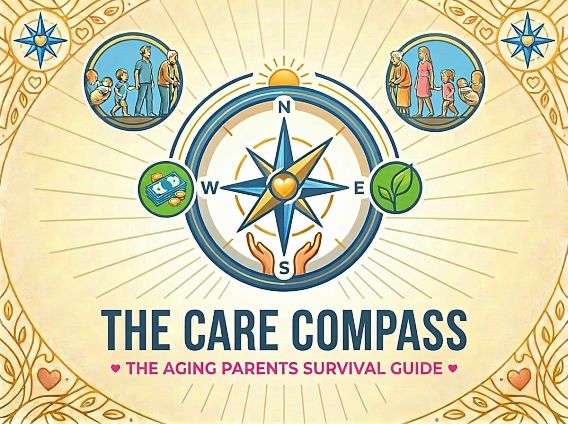

The Care Compass with Nicole Brandon
Advocacy, Resilience, and the Power of Connection
Guest, Kendra Munger
This episode of The Care Compass features host Nicole Brandon and guest Kendra Munger sharing deeply personal journeys through the complexities of elder care, cancer recovery, and stroke rehabilitation. The discussion serves as a vital survival guide, emphasizing the necessity of proactive advocacy, the healing power of music, and the transformative impact of a positive mindset when navigating the "emergency bells" of life.
The Necessity of Fierce Patient Advocacy
Effective caregiving requires moving beyond passive observation to become an active "detective" and advocate. Nicole Brandon highlights the danger of assuming hospitals have all the facts; for instance, she had to repeatedly remind medical staff of her father’s previous neck injury after he suffered a hip fracture to prevent further spinal damage. This "squeaky wheel" approach is essential when dealing with understaffed facilities or faceless insurance entities that may prioritize cost-cutting over care. Advocacy also extends to the smallest details, such as checking for tread on a parent's shoes to prevent falls or ensuring nutritional needs are met by requesting specific foods like salads be placed directly on the plate.
Navigating Medical Transitions and Rehabilitation
The choice of a rehabilitation facility can be a life-altering decision. Nicole shares a cautionary tale of her mother nearly dying in a rehab center due to lack of care, contrasting this with the "excellent option" of hospital-based orthopedic floors that offer intensive, consistent therapy. When selecting a facility, caregivers must physically visit the site to observe the environment: checking if residents are attended to, evaluating the quality of exercise equipment, and assessing the overall atmosphere of the community rooms. The goal is to facilitate a "miracle" recovery through high-frequency rehab (3–6 hours a day) rather than settling for minimal outpatient services.
Mindset, Hope, and the Healing Arts
Kendra Munger’s experience with Stage 4 lymphoma and her boyfriend Alex’s stroke recovery underscore the physiological impact of hope. Kendra notes that oncologists observe better outcomes in patients with positive attitudes, viewing hope as an "infusion of energy." Furthermore, music is highlighted as a profound clinical tool; because the brain's music center sits adjacent to the language center, music can stimulate speech in patients with aphasia or bring "flowers to life" in memory care settings. Even in comas, patients may respond to familiar songs or stories, proving that the person is "still in there" despite a lack of physical movement.
Sustaining the Caregiver
Caregiving is described as an "unexpected bell" that rings, instantly reordering life’s priorities. Kendra suggests that society needs to better recognize this role, perhaps through a "caregiver card" to signal the need for public kindness and patience. To avoid burnout, caregivers must learn to accept specific help—such as asking friends to pick up groceries—and forgive those who say the wrong thing out of a lack of understanding. Ultimately, viewing the time spent with aging parents as a "blessing" rather than a "sentence" can change the entire experience of the journey.
Caregiving is a journey defined by love, but sustained by fierce advocacy and resilience. By remaining vigilant in medical settings, leveraging the healing power of music, and maintaining a mindset of gratitude, caregivers can transform a period of "darkness" into a meaningful "survival guide" for their loved ones and themselves. Remember: you are the care compass, and you are not alone.
Guest, Kendra Munger
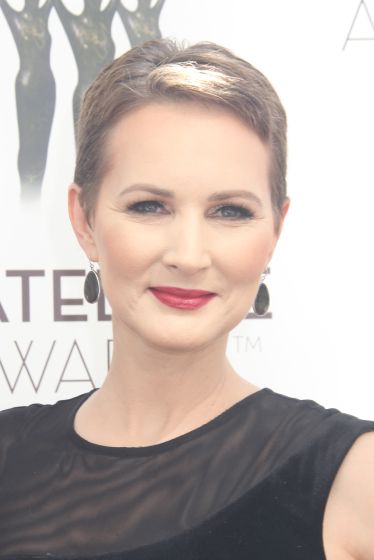
Biography from IMDB: IMDb mini biography by: Kendra Munger
"Kendra Munger captures her; the performance is breathtaking." -Director Anne Lower on Kendra's portrayal of doomed actress Peg Entwistle
"One of the most impressive performances was by Kendra Munger as the Beggar Woman. She is such a brilliant singer, the audience doesn't even realize she has some of the most difficult vocals in the whole show. And even though her makeup made her look grotesque, underneath it all you can see she is a very beautiful woman as well as an extremely accomplished actress." -Director and Lee Strasberg Acting teacher Derrel Maury
Kendra grew up in New Canaan, CT, the daughter of a United Airlines pilot and flight attendant, allowing her to travel the world at a young age and experience different people and cultures. The family attended a Quaker Meetinghouse, where work for peace and justice were very much nurtured.
Kendra was drawn to the stage early, performing first in community theatre at the age of 9, and moving to professional theatre at 12. But it was only as an adult that Kendra learned she was continuing a family business. Kendra directly descends from a long line of professional actors who were active on the British stage for generations, spanning over a hundred years in the 1800's!
After majoring in Theatre at Skidmore College, Kendra interned as a performing apprentice at the Jupiter Theatre in Florida, then studied Shakespeare in London, toured the United States with children's theatre companies and played leading roles in regional theatres up and down the East Coast.
Kendra then originated the role of Princess Diana in the much-hyped production of "Queen of Hearts" Off-Broadway, which also landed her on such shows as "Entertainment Tonight", "Access Hollywood" and "Extra."
Moving to Los Angeles brought TV and film credits which have included: Star Trek: Picard, NCIS, A.P. Bio, The Young & the Restless and All My Children, as well as a personal favorite: the recurring role of the ghost of Peg Entwistle (the distraught actress who threw herself off the Hollywood Sign in 1932) in the cult web series "They Live Among Us."
Kendra's love for all animals led her to animal rescue. She has taken in many young and sick animals until forever homes could be found (and she enjoys posting pictures of her own two "foster fails" on Instagram @kendramungeractor)
In the summer of 2017 Kendra was surprised to be diagnosed with stage IV follicular lymphoma, a non-curable but highly treatable form of non-Hodgkin's lymphoma (NHL). Following 6 rounds of chemotherapy and an additional 2 years of immunotherapy, Kendra is now what they call "NED" (no evidence of disease). As humor and "searching for silver linings" are Kendra's preferred way of dealing with challenges, she likes to joke that the Universe was just saying that she needed to change her look! When her long blonde hair fell out, casting loved her new, short, edgier style and convinced her to keep it (so thank you, Universe!)
Most recently Kendra has written her first pilot, "Stroked", with writing partner Julie Garnye. The project has producers attached and has generated interest from current series regulars and showrunners.
The Care Compass

Support my show
$5.99/mo or more
Click HERE
SUBSCRIBE TO THE SHOW
The time has come to tell my story and to open my heart. Its been a crazy four years with my parents care. I have learned so much. I have learned about senior living and I have learned about myself. I never knew the true definition of care. I now truly know what the word care means. I could never have imagined deep love. I have loved before. Not like this, love is a deep well that never ends and always there is the light shining through. The smile, the laugh, the touch, the wink, the hand held tightly, fingers wrapped and never letting go. It is the unspoken thanks you-s and the tears behind the fears. It is the angels that surround you and the breath, and the kiss that seem like the first kiss and the last kiss at the very same time. It's appreciating each moment, each second, each day, each sunset, each nightfall, each song, each memory in a brand new way. It is life appreciated and a life of gratitude that we are together. I have stepped outside myself for this journey, I actually stepped away from my life, yet I dove in without question, inside this world I never knew called parents and child love. It has been extraordinary and many of you have been by my side for the ride. Thank you.
So many days and nights I would talk to myself inside my head, questions, no answers, no one to talk to, no where to turn. My Dad's Cancer, my uncle's Parkinson's, my mom's Alzheimer's and her stroke, the uphill battle to keep them together, the journey thru home health and hospice, hospitals and assisted living, caregivers and therapists, doctors and heroes. My friends that sang to my parents, those that came by to say hello, those that sat in the hospital next to me, and said close your eyes, rest, I've got this and knew when I was ready to fall. Each mountain; insurance, Medicare, long term health, feeding tubes, oxygen, wheelchairs and walkers, medical supplies, transportation and days to just cherish another milestone - birthday, anniversary, and new year.
Lately I have been compelled to share. I'm heading back on the radio. To create a podcast for other me-s. Other children my age whose parents are aging and need help. I wish someone, anyone would have given me some direction or help. I have been my own compass and guide. If I can help even one person not have the tears I shed, or the sleepless nights, and the fears I endured, then I have gifted my journey and shared that little light. I now want to share what I've learned and open doors and ease hearts in anyway that I can. It's an extraordinary journey. This thing called Life.
My new Podcast "The Caring Compass" The Aging Parent's Survival Guide, will launch next week. If you would like to be a sponsor, or a guest please reach out to me directly. If you are on this journey and you have a question, feel free to reach out. Anything that I can share or anyway that I can help, I have reached the top of the mountain and I can say, this is how you climb.
For those looking for miracles, my mom is back with my Dad. Yes, I moved her in on Wednesday. She fought her way back to him. (For those that remember; two years ago she spent months in the hospital - unable to move, walk, or to talk) she was in limbo and we would talk to her and whisper in her ear trusting she was inside. Her love for my dad brought her home. This week, the miracle, Now she has returned. She’s walking, and talking, laughing, and hugging, and she can tell you she loves you. That’s the power my parents have together. When she came through the door, she kept saying; Oh God! Thank You! Thank You! Thank You! Oh God! Thank You! There wasn't a dry eye in the house, the entire facility was crying happy tears. It is a path, it is a journey, it is one step and then the next. Hold my hand and I will walk with you. Steady and together we will stand. See the light, it's there, ….just one step forward. Yes! …. and together we will walk towards love.
*****
"It is with pride and pleasure that I submit this letter of endorsement for Nicole Brandon. For more than two years I have witnessed her demonstration of caring, dedication, commitment and advocacy for her parents' geriatric increasing needs and care, as well as for their peers, at two seperate assisted-living communities.
Nicole would be an asset to any entity fortunate to gain her employ."
Rochelle S. Stephens, Reitired Executive Director of Public Houstin Authority.
*****
"I have had the opportunity to witness Nicole in her role as a caregiver to her parents over the past two years, and her commitment to their well-being has been nothing short of extraordinary. She has made significant personal sacrifices, including putting her professional speaking and travel on hold, in order to be fully present for their care. These sacrifices have come at great personal, financial, emotional, and physical cost.
Despite the strain, Nicole continues to show up for her parents with unwavering dedication. She routinely cancels appointments, business opportunities, and social engagements at a moment’s notice to drive the seven hours from Prescott, Arizona—where she lives part-time—to Newport Beach to attend medical appointments, coordinate insurance matters, hire and supervise caregivers, manage household and medical bills, and advance funds when payments were delayed or interrupted. She has also spent countless hours advocating for her parents on the phone with doctors, providers, and insurance companies.
As a caregiver myself, I recognize the level of responsibility and emotional endurance this requires. Nicole has gone far beyond what is expected to ensure her parents receive the highest possible standard of care. Her devotion, integrity, and selflessness are unmistakable, and I am proud to offer my full support and testimony on her behalf."
Claudia Hartman
*****
"To Whom It I am in awe of Nicole’s ability to care so deeply for her parents, she literally changed her mother’s prognosis. When I initially observed her mother, she had no sitting balance and was dependent on her aide for all self-care. Through Nicole’s guidance the treatment team continued to pursue goals that seemed unreachable. As a result, her mother is fully ambulatory and able to assist in all self-care and feeding herself. I have never seen so much progress as an OT for over forty years!
Nicole is simply amazing at encouraging her mother’s treatment team in all aspects and her mother’s progress is the result."
Kim Binder, Occupational Therapist
*****
"I am writing to recommend Nicole Brandon to host a radio show in senior care, or in any space in the senior community.
Nicole is a great example of someone who is compassionate, caring, and dedicated.
You will find Nicole to be someone who not only is dedicated to any role she is given, but she displays professionalism, passion, and true selflessness.
We had the opportunity to work together when I held a Walk to End Alzheimer's event last October. Nicole was eager to help and so kind throughout the process. As our Keynote Speaker Nicole made an impact with those attending by her heartfelt personal connection to Alzheimer's. Her profound commitment to her parent’s care was inspirational to others especially to those who are facing similar challenges, life changes, and triumphs.
I am honored to know Nicole and all that she brings to our community in so many ways. This is evident in public speaking, supporting others, or just being a great example of being a kind individual."
Malena Peraza, Community Engagement Coordinator
*****
"I am writing to offer my recommendation for Nicole. As her father’s physical therapist, I have had the opportunity to work closely with her and to witness firsthand the dedication and advocacy she brings to every aspect of his care.
Nicole is proactive and persistent in coordinating her father’s medical needs. She advocates on his behalf. She is determined when navigating through insurance issues. Which, anyone who has dealt with insurance companies knows how necessary that trait is to get anything done. Her determination and follow-through have made a meaningful difference in his access to services and overall quality of care.
Beyond medical coordination, Nicole ensures that her father’s daily needs are consistently met. She oversees his caregiving support, maintains his schedule, and remains closely involved in his social and emotional well-being. Her approach is thoughtful, organized, and compassionate, reflecting a holistic understanding of what quality elder care truly entails."
Maria Valencia PT, DPT, Clinic Director
*****
"I've had the pleasure of knowing Nicole Brandon for over a decade. Year after year, I have watched her walk through the clinic doors, expertly navigating the complexities of caring for her aging parents. Her level of patience and empathy is truly admirable. In a world that often moves too fast for our seniors, Nicole is the person who slows down.
In our clinic, Nicole is more than just a daughter. She is her parents' fiercest advocate who ensures her parents are never overlooked or unheard. Whether she is meticulously managing their medications or providing a gentle word of comfort, she does it all with grace.
Nicole is the embodiment of what it means to honor our elders. Her reliability is the bedrock of her family's well-being. Nicole is a beautiful exan1ple of selfless care. I am honored to recommend her for this recognition and her dedication deserves to be celebrated. Thank you for your consideration. Please do not hesitate to contact me."
Gregg Feinerman, M.D. F.A.C.S.
*****
"On Behalf of Coastal Heights Senior Living Community, I would like to express my sincere gratitude and appreciation for the exceptional care, compassion, and dedication that Nicole Brandon consistently shows towards her aging mother and father within our community.
It is evident that in every interaction that she surrounds them with genuine care, and unwavering support, and deep love. As an adult daughter, the responsibility of caring for an agin parent can carry significant emotional and personal weight. It is a role that often requires strength, patience, and selflessness, and she embodies these qualities with grace.
While this journey can be challenging, having the support of a compassionate community and devoting varegivers helps ease that burden. Her partnership withour team allows her mother to feel safe, valued, and truly at home, while also offering the peace of mind that comes from knowing she is surrounded by people who care deeply about her well-being.
We are honored to be part of this journey with Nicole and are grateful for the trust she places in our community. Her devotion does not go unnoticed, and it is a privilege to witness the love and advocacy you provide each and every day."
Catherine Ratelle, Executive Director, Coastal Heights Senior Living
*****
[00:00] Speaker 1: Oh yeah. You are the care compass. Pointing hearts back home. Turning quiet, lonely rooms into places they belong. To the elderly, the wise, you give your steady light. Careful care, caring compassion. In the soft hours of the night. Oh. Ooh.
[00:39] Speaker 2: Hi, it's Nicole Brandon, and welcome back to the Care Compass, to the Survival Guide, and it really is a survival guide for parents that are aging. Um, I feel so privileged to be with you and to share this information with you. Last episode, we were talking about rights. We were talking about protective services, um, adult protective services if you feel that there is abuse in a care facility, if you feel a caregiver is not taking care of you, options of calling Medicare, calling Medi-Cal, calling the Adult Protective Services, calling your state assemblyperson ways that you can protect your parents from ill harm, whether that's somebody that's physically not taking care of them, medically not steering them in the right direction or in a fiduciary capability. And we will bring in experts in all of these fields, but last week, it was vitally important to me to share with you your rights and that there are resources and that you are not alone. Um, every week is a new journey.
[01:47] Speaker 2: We have a guest that will be joining us soon and, um, with a very special message today. But before I bring her on, I just wanted to share a little bit about my week. So, I received a phone call on Monday evening saying that my father fell and he broke his hip. He had a caregiver that was, um, not in the changing room with him at a facility, was on the outside of the door, and they heard a thud, and my father fell. So, of course, all the liabilities of the caregiver not being in the room with him while he was changing, why that happened, all of those, the, those questions that come to play. But, um, the journey of what they look for when someone falls. Now, I am a fitness expert.
[02:41] Speaker 2: Uh, those of you that know my background know that I am the master of the masters of the masters of the masters of fitness, and when I think about, um, somebody that fell and broke their hip, you always think about, it's the hip that actually breaks and then the fall that happens, because people, when they fall, don't necessarily put their hip down unless you're sliding into first base. So, years of carrying babies, carrying groceries, carrying golf clubs, carrying suitcases, that one hip is riding higher than the other, and often, that hip will break. So, it's so important during the aging process that you are working with vestibular balance, that the hips are even, that you see a chiropractor or do Pilates or exercises in which the hips are balanced and the body is strong. But of course, my father fell, and he did break his hip.
[03:39] Speaker 2: So, they ended up putting a, uh, a pin and a rod, a permanent pin and rod into his hip, and one of my greatest fears during this week was that back a couple months ago, my father fell and broke his neck, and he was in a neck brace for 12 weeks. And so, um, when they took him out of the neck brace, of course, the doctor said, "Just make sure he doesn't do anything wild, and make sure he doesn't fall." And yes, this week, he fell. So, the, the, the first fear was not the broken hip. The first fear was, is the neck broken again? Is there going to be permanent damage to the spine? Paralysis, all of that. So, the CAT scans and making sure. Now, I had to ask for that. I had to call the hospital. I had to call the facility. I had to call several times from the emergency room to his floors to the doctors to the orthopedic surgeon, saying, "Hey, did you know that he broke his neck several months ago?
[04:42] Speaker 2: Can you check to make sure that there is not damage or further damage in the neck?" 'Cause they're right away just looking for the hip and the hip problem, and he's talking, and he seems okay. But it, it took every phone call that I made to be able to get through every department to make sure that they are checking to make sure that his neck is safe. So, for you, don't just assume, or I recommend that you don't just assume that your parents, because they're in the hospital, are having this phenomenal care, or because they're in the emergency room, that the emergency room is going to know to look for other things.
[05:22] Speaker 2: So, if you know that your parents have an allergy, if you know your parents have a previous condition, if you know your parents had a previous fall, or something has happened, it- it's imperative, and it could be lifesaving for you to say, "Hey, I know that's not the conversation of today, but I just wanted to make you aware, or you just might want to check, or you just," if you're doing X-rays, you might want to know he fractured his neck, and the n- neck might be unstable, so you don't want to turn him and cause any permanent damage. So, it is up to you, the child, the advocate, the all-knowing one of your parents' health since you were a baby and what you've seen and what you've gone through, that even, you know, they have a tricky ankle or a sore elbow or whatever and just wanted to make sure that you know that they have a trick elbow if you're trying to get blood.
[06:11] Speaker 2: And so, whatever it is, that knowledge that you have, you want to share it.Then one of the things I learned in hip surgery, which is so wonderful, is that they get them up right away. So, you know, they get them up. They want them to stand. They want them to start to walk. They want them to put pressure on, and of course, it's painful. It's painful, and you get to say, "Oh, I understand, you know, how that might be sore. You just had surgery." "Why did I have surgery?" You know? Alzheimer's, "What happened?" E- explaining that, explaining and, "You know, you're gonna be fine. You're gonna be great. Everything is, you know, amazing. You'll be dancing in, you know, no time at all." The positivity, "This is, this is just short term and all we're gonna do is exercise you and get you strong" and, and how you perceive it so you're not in fear, so you're not in, "This is a trap. This is a sentence. You're old, you're gonna need a walker and a cane." No. This is, "You're, oh, you're so lucky.
[07:11] Speaker 2: Look at this," you know? "You had surgery this morning. You're already up on your feet. You're a miracle. You're amazing. You're strong. You're versatile. You're doing great," you know? Just, you know, lickety split time, you're going (laughs) to be dancing. You're gonna be doing brilliant. And then once you've had the hip surgery, you have these choices to make, and those choices at that time are mostly sending your parents to a rehab facility, and that rehab facility in which they are then, some can be several weeks, some can be a month or several months where they, it's a nursing center or a rehab facility where they are taking care of your parents.
[07:56] Speaker 2: Rarely, rarely do they send your parents home with outpatient care if it is a broken hip, which is what I have learned, and if they do send them back to their home or back to the facility in which they lived and they're getting, uh, home health or they're getting outpatient care, that outpatient care might be only once or twice a week compared to a rehab facility where they are doing three, four, five or six hours of rehab per day. And so, it, the, the, the difference in the healing is incredible. So, I was very blessed and very lucky to have a brilliant doctor that we were working with, and I will share with you, um, just, just a second as, the, the journey of the doctor as well, and I, again, I'm, I'm so thrilled for today's guest, but I, I wanted to share this information with you first, that I was able to move my dad from the hospital room to an orthopedic floor in that very same hospital.
[09:02] Speaker 2: And the orthopedic floor in that hospital is a seven to ten day stint where they are working three, four, five, six hours a day at rehab, getting them strong, and then they get them back to their house or back to the facility in which they will be doing home health or outpatient care at that point. But they get them strong as quickly as they can. If you have that option within the hospital facility that's already worked with him, that already knows his medical condition, that already knows his history, that might know your mom or your dad's personality because they were just with them, and they're moving them within that facility, doctors that are following them, consistent care, that is an excellent option for anybody. And if your other option is to go to a rehab facility, check them out, because I have had, uh, good experiences with rehab facilities, and I have had the most horrific experiences with rehab facilities. My mom almost died in a rehab facility because of lack of care.
[10:06] Speaker 2: And so, the hospital will give you a list of rehab facilities. Check them out. Be a detective. Go yourself, go through the rooms, see the conditions of the people. Are they smiling? Are they happy? Are they crying? Are they calling out? Are they being attended to and taken care of? Is there safety? What does the exercise equipment look like? What does the community rooms look like? What is the, are they working for their dietary needs? Don't just say, "Oh, the hospital gave me a list and this is the closest one to where I live and I'm sending my parents there. That way I can visit them." I mean, you can do that, but it's not certainly something I recommend, and I know that when I went looking for rehabs for my mom, the difference in the variance of the rehab, it was crazy, wa- was remarkable. So, you do have those choices. You absolutely do.
[10:59] Speaker 2: And then the other option, as I was sharing with you, is literally to be able to bring your parent to your home, to that facility, and to have home health, or an outpatient service, or an outpatient care in which you're taking your parent or that caregiver is coming in to be able to exercise and to be able to work with them. So, I'm just, there are options for you. If you have questions of how that works, if you have questions of your rights, if you have questions, please feel free to reach out to me, and I'm happy, as I have shared, that, to bring in the very best experts to share with you for each and every condition, and, uh, this was my week, so I just wanted to share it with you. It's something I've learned and, um, how lucky that we do have these options and that they can be up so quickly.
[11:59] Speaker 2: So, it looks like I'm blessed here because I get to sh- share with you today, um, a, a very incredibly special guest, and today we're talking with Kendra Munger, and, um, in my lifetime, and, and I believe that I have shared this with you as we have started this show, uh-I have personal heroes, people that have changed my life, inspired my life, have literally, um, made me a ber- better person, walked me through the darkest times and the darkest doors, and have enlightened my world, and add brilliance, and brightness, and love, and support, and so many things which we need. We all need those people that help us in our lights and the darkness. And I know that there is a Helen Reddy song. I think it was from the movie, Pete's Dragon, Candle In The Water. There's people in your life that literally light you up and, uh, guide you through things. So, today, we're talking with one of my personal heroes. We're talking with Kendra Munger.
[13:08] Speaker 2: And Kendra is, in, in life, she's one of the most extraordinary people you'll ever meet. She is a gifted, gifted, gifted songstress, and her, her voice, is, is something once you hear it, you remember it for the rest of your life and it, it embodies you. It does something inside of you. She's also a brilliant actress. She's an advocate for humanity, for human rights, and for so many things. Every time that there is, um, darkness in the world, I always see that she's contributing light to it and I'm always (laughs) inspired by all that she does. And she has had her own personal health journeys, and she has also had journeys of assisting others through their darkest stores, and so she is somebody that has been on both ends. She's somebody that has been there that has needed support and needed care, and then she has been the ultimate caregiver, and can help guide you in what does that look like when you're caring for somebody.
[14:11] Speaker 2: And even when people don't want to be cared for (laughs) , how do you care for them and how do you offer your love and your light? And so, I feel honored and blessed, and so grateful to have Kendra with us today. Kendra, welcome. It's such a joy to have you here. So, thank you so much.
[14:29] Speaker 1: Hey, Nicole. Um, that was very kind of you, I think.
[14:33] Speaker 2: (laughs)
[14:33] Speaker 1: I feel like I don't deserve that introduction. (laughs)
[14:36] Speaker 2: Oh, no. It was ... You're just, you're so special, and you really have made such a huge difference. And, um, I wanted, if I can, um, start with my, uh, from my own perspective of where things were, that I had had the experience where my dad was diagnosed with non-Hodgkin's lymphoma. And as a child, I was terrified, terrified, right? And sorry for being emotional, but it's true. And, um, and I called you and you were like, "It's all gonna be okay." (laughs)
[15:17] Speaker 1: (laughs)
[15:17] Speaker 2: "It's all gonna be okay." And you, uh, talked me through things and you gave me nutritional advice and you were willing to talk to my dad, and made such a difference. And, um, so I'd love to share one ... If you don't mind sharing some of your own personal story, and then how you then can take that to help others.
[15:45] Speaker 1: Yeah, sure. Well, I mean, uh, we talked recently and, and I, I actually hadn't realized that I had helped as much as I, I had, which is good 'cause that's what I always wanted to do. But, um, um, and, and also, you can hear me okay? My lovely roommate-
[16:05] Speaker 2: You're perfect. Yes.
[16:05] Speaker 1: ... just set me up in his studio, so I literally jumped-
[16:09] Speaker 2: That's great.
[16:09] Speaker 1: ... in right when, when he did.
[16:10] Speaker 2: You're perfect.
[16:12] Speaker 1: I, um, so I went through, uh, uh, follicular lymphoma, which is a non Hod- non-Hodgkin's lymphoma, and, um, it was stage four when it was caught in 2017, and I went through six months of chemo and, uh, two years of maintenance. And so, I had gone through that. And not only that, um, my father, who I also was, you know, in love with, um, he had gone through non-Hodgkin's lymphoma when he was 80. So, I had had him as a, um, as a beacon of hope to me because he really, he really flew through with flying colors. So, I also had, when I was diagnosed, I had a lovely doctor who, when he gave me the diagnosis, gave me a, a present of hope with it, which was ... So, we knew something was bad. We knew, um, we knew that, uh, you know, I was lighting up like a Christmas tree. There was, there were tumors everywhere. And when it came back as lymphoma, he said, um, "You know, it's cancer. It's lymphoma, but that's one of the most treatable cancers.
[17:29] Speaker 1: You're gonna be okay." And that's what he set me up with, you know? And, um, so I held onto that in a really delicate time. And for me, and that's just me personally, it set me up for success because, because I, as the patient, needed that hope. Now, that can be different for maybe the people around you, but as the patient going through all the treatments, I needed to hold on to like, um ... When I was getting my treatments, I would go into the mindset of, this was my medicine, and I would actually be really grateful because I would think, "Thank God I'm alive right now." You know, this, this disease would take me down. My, my grandmother, my dad's mom, um, was taken down by lymphoma, actually. And I would just feel so grateful for getting the, for having the, uh-... the opportunity for, for living in a, in a, a place where I had that opportunity.
[18:43] Speaker 1: And then my oncologist said that he has noticed a real big difference in, um, patients who come in with a positive attitude, that they just seem to do better throughout. So, I was wanting to pass that on to you, to your dad. Like, that it's almost medicine in itself, and that's not saying ...
[19:12] Speaker 2: Just, we just got you muted somehow.
[19:16] Speaker 1: That was me putting my hand on the, on the-
[19:18] Speaker 2: Ah. (laughs)
[19:20] Speaker 1: ... on the audio in a studio I'm not familiar with. You know, that's not saying-
[19:23] Speaker 2: That's okay.
[19:23] Speaker 1: ... that, that when things go, go badly, that there's any fault there either. But just, (sighs) it's like an extra infusion of energy or something, you know, hope is. And so, I was wanting to pass on what my dad and what this doctor had passed on to me and pass it on to you, to your father, you know, that it, it wasn't a death sentence. It wasn't, you know, he was gonna be okay.
[19:54] Speaker 2: Well, you certainly did that. I think, and it made all the difference in the world to know that. It really did. I mean, it made a difference for me as a child and it made a difference for my dad. And then, I know that you also had shared, you know, your own father, saying your own father had gone through that, which was, you know, something in itself. And then one of the things that really struck me was the nutritional advice that you gave me. The, which, things that seem so simple, but made such a huge difference that I don't even think people realize as a child, like, you feel helpless, like, "There's nothing I can do." And there is, there are things you can do.
[20:39] Speaker 1: And there were also things that, that I would've never known if my oncologist hadn't said them, which were counterintuitive, like, we think, "Oh, we have to eat really, really healthy," but my oncologist said, "Just FYI, when you're going through chemo, don't be eating the blueberries. Don't be eating the antioxidants, because the, you know, chemo needs to oxidize the cancer, and so that you want to, um, not work in cross purposes." 'Cause I don't remember exactly what I said to you at the time-
[21:13] Speaker 2: Right.
[21:13] Speaker 1: ... but that was one thing that was really interesting to me. I never would've known that. You know, it's like, load up on that beforehand, but once you start treatment, ease off on that. And, um, yeah, there were some things that I had, uh, um, was it NAC or something? The supplements at the time?
[21:32] Speaker 2: Right.
[21:32] Speaker 1: I had trouble with that.
[21:32] Speaker 2: But even just as a, as a child, that there was something I could do.
[21:37] Speaker 1: Yeah.
[21:38] Speaker 2: Like, "There's something-"
[21:39] Speaker 1: Yeah.
[21:39] Speaker 2: "... I could bring him that could help, or something I could cook for him that could help," or I mean, when you feel hopeless and you realize there are things you can do to nourish and to make a difference.
[21:49] Speaker 1: And also, the worst part for me, um, in between diagnosis and treatment, is really an awful time because you know something terrible is happening. You know it's going on in your body, and you haven't yet started to do something about it. And so mentally, that's, that's some of the worst times in my, in my experience. Because you're not being active. (laughs) Do you know what I mean? And, uh, and also-
[22:22] Speaker 2: Absolutely.
[22:22] Speaker 1: ... we were fighting the insurance during that time too, which was an awful, frustrating thing. I used to cry, uh, dealing with the insurance companies when I wasn't crying because of the treatment or anything like that.
[22:39] Speaker 2: I know what that's like, 'cause I've been-
[22:40] Speaker 1: Yeah.
[22:40] Speaker 2: ... doing that for the past few years with my parents.
[22:43] Speaker 1: No, you've been through a lot.
[22:43] Speaker 2: And then as a patient, what kind of support does one need as a patient that's going through cancer or that's going through treatments and...
[22:54] Speaker 1: Um, I think everyone's different. Um, because I, when I say what was helpful for me, that might not be the same thing for somebody else. I know that f- (laughs) in fact, it really might be, not be. But for me, m- my mother and my father came out to be with me during that time, and my brother, my brother's my best friend, um, and he flew out, and he was there. But my mother was, um... Okay, this would be helpful. My mother was, I knew that this was harder on my parents than it was on me, you know, because you're their child. So, I felt like I had to be strong for them, and sometimes that made it hard, 'cause I didn't wanna have to take care of their energy too. Whereas my brother would just be like, "Ah, you just wanted attention." (laughs) You know, it would actually help me because he was joking with me and he was, he was just giving me a hard time and being how he always was.
[24:01] Speaker 1: But, um, I would say for a general note is for people to be careful of their energy, and this is not towards my parents at all. My parents were wonderful, but like, any drama, to leave outside the door, you know? To be really careful about the energy that you're putting into that person's space. Um, I had, I had lower tolerance for stress, especially on prednisone, and, um, and so, uh, things that I liked to watch that might've been...I stopped watching Homeland at the time. I had been watching Homeland and really enjoying it, and, and I, and I stopped that. But, um, but yeah. I mean, things were stressful anyway, so, um... And then what happened was, uh, after, as soon as I got, actually got better after the six months, my parents were still out here.
[24:59] Speaker 1: My dad had a heart attack (laughs) and then we immediately went into caregiving for him, so that, uh, I was sleeping i- by his bed in the hospital and then driving to Glendale for my infusion and then coming home while my mom-
[25:17] Speaker 2: Oh, wow.
[25:17] Speaker 1: ... was at the hospital, and then we would take shifts, so that was, that was rough.
[25:24] Speaker 2: Wow.
[25:25] Speaker 1: Yeah. And, but, we had a, um, a lovely friend who was in hospice care, and she, all the doctors were telling us that he couldn't fly or anything like that, 'cause he was terminal, and, um, she's like, "No. Hospice patients can travel. It's okay. We can figure this out." And she helped with my brother and figured out how to fly him back to Connecticut so he could be at home and see his friends again, and then we spent six months at home looking after him when I was still just coming out of treatment, and I would fly back to L.A. for, for like, uh, you know, PET scans or something. So, that was a lot. That was a lot.
[26:05] Speaker 2: Wow.
[26:07] Speaker 1: But, you know, like, lots of people go through it.
[26:11] Speaker 2: So then, from the child side, tell me, you know, as I'm going through it and your dad had the heart attack, your dad had cancer, what can you share with other, you know, men and women that their parents are aging and they're going through this, and, you know, I, I go up to bat every day and-
[26:31] Speaker 1: (laughs)
[26:32] Speaker 2: ... I just keep hitting the balls. But is there some way that you've learned to navigate this, or some advice you can recommend to people that are going through what you've gone through, or what I'm going through?
[26:43] Speaker 1: It's so hard. I mean, I, I, I really think that we as a country need to do better for caregivers. I think that we need to actually consider it a job and for caregivers to be more adequately con- compensated so they can quit their jobs if they need to, because it's, it's too much, and it often ends up, it does still end up just how it is. It does end up on the women a lot of the time, still. I would say take advantage of, um, any resources that are available. We, we took advantage of hospice, and my dad actually didn't want to be in hospice yet, but thank God we did that, because when we flew him back, they had that all set up for hospice, and then, we didn't, we didn't use it. But at the end, things went downhill really, really fast, and we actually needed those resources that were already in place. Um, the home health, I mean, it would just, we would be able to sleep, at least take a break and sleep.
[27:52] Speaker 1: Although, my dad had to be suctioned all the time, um, because he stopped being able to swallow, and, you know, a lot of these people who are working, you know, they're not getting paid that much and they're working multiple jobs, and I would wake up... The whole point we'd h- need somebody there, because he, my dad had to be suctioned, and I remember I was sleeping on the couch and waking up and the home care worker who was there had fallen asleep, and my, I woke up because I heard my dad needing to be suctioned, and... I mean, I was just, you know, it's, it's, it's just a necessary part of life, right? I mean... I, I, I was glad to, I was able to be there and help him, you know? Um... It was a lot though. My mom and I learned so much, um... When he was in the ICU, the doctor actually thought that my mom and I were nurses, were professional nurses, 'cause we were doing so much, and I guess had been taught well.
[29:04] Speaker 1: But, um, I think everyone's gotta figure out what works for them, but just to be able to accept help. A- oh, and be really specific when, if somebody says, "Oh, do you need anything?" Getting over the ego of not wanting to bother anyone and just say, "Yeah, you know, I really could use... Can you go pick up groceries? Here's what I need." 'Cause people don't know how... And I also forgive people who say the wrong thing, I really do. People often say the wrong thing, and I think it's coming out of a good place, so not getting your back up if, if somebody says something the way that you wouldn't say it, or, or, you know, m- m- may- maybe makes a religious reference when you're not religious, or doesn't when you are. I- i- or... I think just looking for the best in people and knowing that they're, they're trying to say something supportive, even they just don't know how to do it. That helps, I think. My, on m- for myself, just going off of what you said.
[30:16] Speaker 2: I think so as well.
[30:18] Speaker 1: I think
[30:18] Speaker 3: Well.
[30:18] Speaker 2: Yes. And also, I'm getting, um, messages here that if you can turn the volume up just a little bit, your volume up. You know, we're talking about your own personal journey and the, the journey of the daughter, but I would love to talk about the journey of the caretaker.
[30:35] Speaker 1: Mm-hmm.
[30:36] Speaker 2: You're saying there have to be better resources for caretakers. I did not know that I was going to be taking on the caretaking...... role in my lifetime, and it has become a full-time, you know, occupation and job over four years, because it wasn't even a choice. My heart jumped, and my heart just jumped. It's there w- th- th- that's where my heart went. And I knew that it was a bell that rang, and I just wanted to be there and make sure everything was okay. And, um, it was an unexpected bell that rang, and, um, you know, sort of like when you're somewhere and all of a sudden the fire alarm goes off in a hotel or a building, and you know, it's- it's totally... I- I was at the awards ceremony, I was winning the Living Legend Award for the Martial Arts Hall of Fame when my mom collapsed. And before I received the award, we were in the ambulance, and my life never was the same, right? It's that bell that just goes off, that emergency bell that goes off.
[31:45] Speaker 2: And, um, you've had an emergency bell that's gone off in your life, and you jumped into the world of caretaker in addition to your parents and your own health journey and- and can you share a little bit about that? Because I think that for all of us, we've had a bell, and then we have choices that follow that bell, and our heart talks to us, right? And what is that like?
[32:16] Speaker 1: For me, um, and again, this is just my experience, I don't know if it- if it is what other people's is, but it's actually been very motivating because it suddenly puts everything in perspective, and other things don't seem as important. And I've gotten a lot of energy and purpose from- from those emergencies in my life, and also with Alex. Like, I- you know about Alex is my boyfriend had a coma and, uh, had a stroke, and- and those times when you're looking after people, um, it's- it's loving someone, um, and- and knowing that... I don't know. It- it's like the ultimate love for somebody is to be able to be there for them.
[33:21] Speaker 1: I don't know if I'm answering your question, um, in terms-
[33:24] Speaker 2: No, it's-
[33:24] Speaker 1: ... of when the bell goes off.
[33:26] Speaker 2: It- it's- it was- it's a great answer. I mean, I think that when you say it's care and- and you say it's love, it's care, and it's love, and-
[33:35] Speaker 1: But it's exhausting too. I wish that we had a similar thing to a- a black armband or something, because when you walk around, it's- it's like you're in a haze 'cause you're so exhausted and- and fragile. And, um, I remember wishing that- that somebody- that the general public could just know like, you have a little- you have a little card, this person's currently a caregiver, like, give them some slack, you know? A little extra kindness. Um, we should have that.
[34:11] Speaker 2: Th- that's a great idea. There you go. There's a great marketing idea-
[34:14] Speaker 1: Yeah.
[34:14] Speaker 2: ... for you. And can you share, you know, you were talking about Alex, um, who- who's your boyfriend, and he had a stroke, and you said went into a coma, and I imagine that incredibly frightening for both of you. And, um, and then were you-
[34:31] Speaker 1: I mean, he wasn't aware of it, but yeah. (laughs)
[34:34] Speaker 2: And where do you- where do you go from there? For- 'cause there are those that are on this call whose parents or whose loved ones have had a stroke or have-
[34:43] Speaker 1: Mm-hmm.
[34:43] Speaker 2: I mean, my mom was in a coma for months and- and I would talk to her and sing to her and-
[34:48] Speaker 1: Mm-hmm.
[34:49] Speaker 2: ... and trust that she was in there. And so, w- a- any advice, if- if that is somebody's journey in health and...
[34:59] Speaker 1: Um, again, it's just talking about myself, 'cause everyone has their own journeys, but, um, I- w- i- in terms of Alex, we were told that he had no hope of recovery, and, um, we were- uh, he had a bleed the size of a baseball, and he had no higher brain activity, so they said he's either gonna just not wake up or he's going to end up in a nursing home not able to do anything for himself. And, um, and so we were gonna- he was gonna have his oxygen shut off after a couple weeks, and, um, the night before that was gonna happen, he started opening his eyes. So then, he was in a state of just, like, eyes open, maybe tracking, but the doctors didn't believe that any of it was intentional, and so I would be at the hospital with him, mm, m- m- uh, most of the days, and I would see things that looked- seemed very intentional.
[36:03] Speaker 1: Um, I would be singing to him and also talking with him, and the doctors just didn't believe me, and I started videotaping him to prove that I could see when he was responding. And there's been a couple studies out just recently that, m- they think that more people are aware than in previous times, just recently, and I can't- it was a couple days ago I read this, and I can't remember where it was, whether it was a New York Times article, but I would just say to go with what you know, because, I mean, doctors are really smart, and I- and I am not discrediting...... doctors at all. Um, I believe in science, I believe in, um, in knowledge, uh, but there are sometimes in their box, you know, and, and of what their experiences have been, and they don't know this person. And if you really feel...
[37:08] Speaker 1: There was one, there was one time that I, um, actually wrote Alex's brother because it felt like nobody was there, and then I had this email that I wrote to him, and I said, "I don't know what it is, but I came in today and there feels like there's a presence. It didn't feel that way before. I can't put my finger on what this is, but it feels like he's in there." And I think that was something that I, bigger than what I can put words to, but it felt like he had come back and he was now inhabiting his body, and he did come out of it. You know, he's, he's much changed but he's, he remembers every... He doesn't remember when he was in his coma, but he remembers his life before and, um... yeah.
[37:57] Speaker 2: So beautiful. My mom was in a coma and we would sing to her, we'd talk to her, we'd tell her stories. My dad would tell them, you know, their fall-in-love story and their wedding and all the places they visited, and he would ask her how she had such white teeth when they used the same toothpaste and, like, whatever questions he would ask her and tell her how beautiful she was and how much he... And we would talk to her all the time, but in months and months, no response. No arm movement, no leg movement, no eye movement, no speaking. And then one day, the nurse sneezed and my mom said, "God bless you." It was the first thing she had said in months and we were like, "She's in there.
[38:38] Speaker 2: She's still in there, that sweet, beautiful person." But that was her comeback, "God bless you."
[38:44] Speaker 1: Alex's comeback was a swear word that I can't repeat here.
[38:48] Speaker 2: (laughs)
[38:48] Speaker 1: But his sister, who drove him a little crazy, was bouncing around the room and trying to get a rise out of him, and he was just like, "Ah." That was his first word.
[38:57] Speaker 2: Really?
[38:58] Speaker 1: Mm-hmm.
[38:58] Speaker 2: Oh, that's so funny.
[39:01] Speaker 1: But also, you know, um, we were pretty fierce advocates for him. So, when he, he kept being sent off to a nursing home when he wasn't ready, and, um, we were tough. Like, w- we, Alex's friends and I, we would go in there and he's just coming out of a coma and he's in a room... I mean, he's still practically in a coma, and he's in a room with a roommate who's blasting the television and it's like a cop show with like shooting and car squealing, and we... It's so loud you can't even talk. And we came back in the hallway and we were like, "This is, this is not the situation that he needs to be in." And, and we were, we were difficult because we were being squeaky wheels. Um, I advocate, uh, being the squeaky wheel even if it's not easy for you, um, because the difference in your loved one's health, um, is huge if you are the squeaky wheel, I think.
[40:11] Speaker 2: I, I absolutely... I was talking about that on an earlier show. So, my mom had a feeding tube. For almost two years she had the feeding tube, and as she was getting stronger, something told me she could swallow again. That she was able, now that she could speak a little, and now that she could smile and she could use her mouth, and I was like, "She should be able to swallow." And I called the home health agency to have her evaluated for speech, for swallowing, and 14 phone calls over four months. And finally, on the 14th phone call, I said, "If somebody doesn't come to evaluate her..." Because this is four months she's not with my dad. This is four months that she's in a separate facility. This is four months of their life they- they're being kept apart because she couldn't live in the facility he was living in because she had a feeding tube.
[41:08] Speaker 2: And I said, "If somebody does not come right away, that I'm changing agencies." And the very next day, she was evaluated and they said, "Oh, she could start to swallow." And they started working with her, and now she doesn't have the feeding tube anymore, and now she was returned to my dad. But had I not fought that hard for her to do that... They did the same thing with physical therapy. They did a round of physical therapy and they said, "She's incapacitated and she's reached her peak, and she won't ever do anything again." And I said, "You're coming at the wrong time." She has sundowners and in the afternoon, we lose her. Come at 10:00 or 11:00 in the morning, and she's perky and she's awake, and she will follow your directions. And they brought somebody in and they said, "This is not the same person we evaluated before." And, "Okay, we'll work with her." And now she is walking with a walker when before she was bedridden and could never even sit up, right?
[42:07] Speaker 2: So, it's, I, and I have been the squeakiest of squeaky wheels and I'm not a fighter. You know, I might
[42:15] Speaker 1: No, you're not.
[42:15] Speaker 2: ... I, you know, I, I... And like I'm such a loving, kind person, but I have stood my ground in being an advocate for their care, and that's... I would recommend that to anyone who is listening to this show, to stand hard and whatever you believe. Even I thought... My dad, you know, was in a wheelchair and he, his hip and his knee were injured, and when they would go to stand him up for PT, he would cry and he was in pain, and he said he couldn't do it and he was never gonna walk again and he was crying. And I called the doctor and said, "I need a prescription for water therapy."Because if he's in warm water, it will take the pressure off of the joints, and he always loved to swim, and they gave him a prescription for water therapy, and they put him in warm water. And he became, in eight-year-old and he would go several days a week into the pool, and then he was standing and walking with a walker, and they got him out of the wheelchair.
[43:12] Speaker 2: But had I not done that, he would still be in a wheelchair and, and so, I, I, I have fought. And I'm, like I'm saying, I'm not a fighter, but what you're saying is, is true about being a squeaky wheel, and, uh-
[43:27] Speaker 1: Because-
[43:27] Speaker 2: ... and, and-
[43:28] Speaker 1: ... it, it, nobody...
[43:29] Speaker 2: Go ahead.
[43:30] Speaker 1: You can also be a squeaky wheel with honey too. Uh, you know-
[43:35] Speaker 2: (laughs) He loves you so much.
[43:37] Speaker 1: It's the people that you're dealing directly with, uh, I think you can get farther sometimes if you're still kind to them, but just tough, you know, you know, not, not attacking them, but, but just saying, "Look, I'm not gonna accept this. No, I'm not gonna accept that. No, that doesn't work." You know? Um, but the actual, the insurance companies and the, the faceless entities, you know, make money by denying care. So, you have to make sure that your loved one is not being denied care so that a corporation can have more money. Um, and you have to make sure your loved one is not just lost in the shuffle or overlooked and because places are understaffed and they're just, it's human nature, people are going to make sure that they look on, look after, you know, Nicole's father 'cause she's gonna be here in an hour if we don't do... You know? It's just, it's just making sure, and it makes me feel sad for people who don't have, um, loved ones to advocate for them, you know?
[44:58] Speaker 1: And, and you would see those people do sometimes fall through the cracks. In fact, Alex's roommate-
[45:07] Speaker 2: Oh.
[45:08] Speaker 1: ... um, didn't have any family, but we were constantly in and out. We had, Alex had so many friends in his room that we kind of adopted him, and, um, this grouchy old ex-truck driver, and, um, we ended up being a bit of his advocate too, so that was nice.
[45:26] Speaker 2: That's wonderful. You know, and then, I, for myself, like I'd go to the different departments. My, my father lives in a, in assisted living. My parents live in assisted living, and my dad ordered every night steak and potatoes and chocolate ice cream. And then I had to say, "The reason that you take so many pills is they're giving you vitamins because you're not having nutrients. You don't have C and you don't have B and you don't have A and..." and then I went to the, you know, facility and said, "He needs salad and he needs fruit and he needs vegetables." And they said, "Oh, but we ask him if he wants a salad and he says no." I said, "No, you have to put salad on the plate that you are serving. If there is salad, he will eat salad. If there is fruit in the morning, you know, with the... He will have the fruit." But to even have to go those extra miles to say, you know, w- please help me in, in, in the care for them.
[46:22] Speaker 1: Well, you k- another story to keep in mind and look out for, something that happened with my grandmother, who, um, was up in Canada and had, she had dementia, but she, they thought that she was... She was in a, um, you know, a hospital, retired living hospital, and they thought that she was dying, um, and let my mom know. And it turned out that, uh, she just wasn't eating. Well, she had stopped, 'cause she, because of the dementia, she had stopped kind of thinking of eating, so they would put the tray in front of her and they were writing down the caloric intake of the tray, but she wasn't eating it and they weren't documenting the fact (laughs) that she wasn't eating it, so they missed that she was starving to death. And my mom's the one that put it together and flew up to, to see her and got her on insurance, and she just blossomed and came right back, and she was... They thought that she was dying any day because she... They didn't realize, but she was starving.
[47:28] Speaker 1: So, uh, that's what I talk about in terms of the family advocate, just, um, it makes a difference to be on top of everything.
[47:39] Speaker 2: Absolutely, and to pay attention. I mean, one of the things that shocked me, like, you know, I, my dad was doing physical therapy and I was sitting on the couch in his assisted living facility when he was doing physical therapy and they had him pick up his feet. And when he picked up his foot, I saw there was no tread on the bottom of his shoes. Now, my mom, when my mom was capacitated would never, you know, let him go without tread on his shoes, you know, she was on top of taking care of my dad. They've been married 67 years and, you know, she was his lifetime caregiver. But I realized in that moment, there's no tread on the bottom of his shoes. He's going to slip and fall and he needs new shoes, something I wouldn't have even thought to check.
[48:32] Speaker 2: So, even things that, you know, when we think about checking for safety or what are the things that were taken care of before they got in this condition is something as simple as the tread on the shoes, as the elastic bands on the underwear or the pajamas, or like whatever that is that, you know, the socks are non-slip socks if they're going into the bathroom, or whatever safety equipment. And so, not just being a fight or advocate, but just being an awareness...... advocate, I guess, for your loved ones.
[49:06] Speaker 1: It's such a learning curve too. I mean, it's just as things come along, you know. Um, and you've been really in it for a while now. I've, it's, well, I mean, I've got Alex, but, uh, in terms of the immediacy of, like, my dad, when we were, that was back in 2018 now, so it's, but you're still, you've still been currently in it.
[49:35] Speaker 2: I'm in it. I am. I-
[49:36] Speaker 1: It's a lot.
[49:37] Speaker 2: I am. And, um, and I, and I feel really blessed. You know, every day is, when it was my birthday, when my mom was in a rehab center, and that's when she was in a coma, my dad was very apologetic, and he kept saying, "I'm so sorry. I'm so sorry. I'm so sorry that you're here today, and we should be throwing you a party." And I, and I said, "Dad, are you kidding? I am the luckiest girl in the world. Like, it's our birthday, you gave me life, and we're here together. Do you know how many girls in the world wish that they could spend their birthday with their parents?" See, your doctor, her parents are in Bombay, she would give anything to spend a day with her parents. Like, I'm the lucky one. Right? And I'm, this is the greatest gift, is that I could be here with you today. It's, it's the blessing, and I think when we look at that as a blessing, that changes everything.
[50:34] Speaker 2: And, uh, you know, I-
[50:35] Speaker 1: It, so, a lot of it is the mindset. It really is, and, and in so many things, you can, it, it's hard because sometimes that seems like it's making, making light, but it does help you to find the blessings in hard situations. It, I find it, it, it helps me cope. It's, it's not just-
[51:05] Speaker 2: It's not-
[51:05] Speaker 1: It's not just words.
[51:08] Speaker 2: Mm-hmm. It's true. And I know we only have a couple minutes left and, and there's one thing I did want to ask you while we have you here today. Music. So I know when I play music for my parents, it, they light, they light up. Like, my mom all of a sudden will start to smile. My dad is dancing in the chair, or he gets up, or when they're eating, I try to play music for them, or music that they love. And as you're talking about the television with the gunshots, how important is music in healing and as a, a, as a caregiver and an advocate, what can we do to, to keep that in as part of their healing and their lives?
[51:55] Speaker 1: Yes. (laughs)
[51:59] Speaker 2: (laughs)
[51:59] Speaker 1: Um, I, there, there's a lot of studies about, about how healing music is. In terms of, like, what Alex has, aphasia, which is a, a language, um, uh, damage in the brain, and the actual, the music center is right next to the language center, so we've been directly told by doctors that engaging in music is stimulating the language center also. So, for any, anyone whose parent has a stroke and has aphasia, um, that really helps. I know I sing for assisted living places, um, and the, uh, people in the memory care centers won't be responding to anything, but as soon as you start singing songs that they know, they'll, they'll just kind of, like a flower, come to life and they'll start singing along. So, there's, there is something, um, deep down that music stimulates that's special. And yeah, and I sang to Alex during his, his coma also. Yeah, I would encourage, especially the music that they loved, that they connect with.
[53:08] Speaker 2: Absolutely. I had a neighbor in, uh, when I was living in Malibu, and he had Alzheimer's, and he would wander all the time. They'd find him, you know, down the street. He didn't know his name or his address or where he lived, but he was in a music group called, um, The Fifth Dementias or something, and they would go and they would sing, and they knew the lyric to every song that they used. I mean, and they were brilliantly challenging.
[53:32] Speaker 2: So, it's, um-
[53:33] Speaker 1: Yeah, they remem- remember the music when they don't remember anything else, actually.
[53:38] Speaker 2: But I do know that just having that music is inspiring. And I, I am so blessed. I want to thank you for being with me today, and for your love and your care of all those around you, your parents, your brother, your family, Alex, all those you meet, and-
[53:59] Speaker 1: Oh, thank you, Nicole.
[53:59] Speaker 2: ... I want to thank you for the blessing and the care you've had for my own family, because you've made such a difference in our lives, and I'm so ever grateful.
[54:08] Speaker 1: Back at you.
[54:09] Speaker 2: So, thank you. And then, how do people find you? Because your music, your light...
[54:14] Speaker 1: Oh, well, I mean, I'm on IMDb, yes, because I'm an actor and singer.
[54:18] Speaker 2: Yes.
[54:18] Speaker 1: So you can find me there, Kendra Munger, um, professionally. I, you know, I've got Instagram as Kendra Munger Actor, although I post a lot about my cats and, um-
[54:28] Speaker 2: (laughs)
[54:28] Speaker 1: ... politics sometimes, which, which, uh, (laughs) you know. Um, but yeah, that's, uh, that's where you can find me.
[54:38] Speaker 2: You're just so ins- you're just so brilliant, and I want people to be able to reach out to you and be grateful, and certainly to bring you to sing for their loved ones and in their life and anything that they are doing, because there is no voice like your voice, and your gifts are just so plentiful, but you share them so beautifully. Everybody, there shouldn't be a "but," and you share them so beautifully with everyone, and, uh-
[55:02] Speaker 1: And thank you for talking about yourself, Nicole.
[55:05] Speaker 2: ... and everybody else who's been in your lives. I don't know. But I just, it's an honor and a privilege and a, a pleasure to have you. Thank you for your love and your support and your wisdom.
[55:16] Speaker 1: For inviting me. It's beautiful that you're doing this too.
[55:19] Speaker 2: I love it, you know it. And so, for all those, if you have a question about anything that Kendra said, write to us. We will certainly reach out to you in any way that I can help you. And I'm speaking for myself, and I'm hoping for Kendra as well, we will certainly respond to you in any way that we can, and share our hearts and support you on your journey as we are standing next to you as you take the next step forward. And, uh, and every step is love, and every step is care, and, uh, and you're not alone.
[55:49] Speaker 1: And remember to reach out to people too. Don't, don't, don't hide yourself. Don't, you know, reach out if you need help from friends. People are willing to help.
[56:01] Speaker 2: We look forward to seeing you soon on the Care Compass and, um, we're sending you love.
[56:09] Speaker 1: You are the care compass, pointing hearts back home. Turning quiet, lonely rooms into places they belong. To the elderly, the wise, you give your steady light. Careful care, caring compassion till the dark turns into light.