
Shadow Politics, March 30, 2026
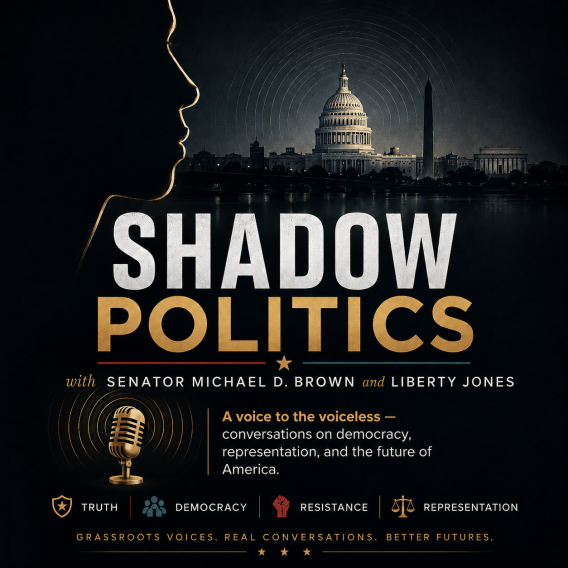

Shadow Politics with Senator Michael D. Brown and Co-host Liberty Jones
Guest, Jonetta Rose Barras, The DC Sovereignty Crisis, Power, Organizing, and the Future of D.C.
In this episode of Shadow Politics, host Michael D. Brown and guest Jonetta Rose Barras discuss the critical need for strategic mobilization in the District of Columbia. They explore the limitations of current D.C. leadership, the tactical errors in seeking statehood, and the necessity of building a "citizen army" to demand political autonomy.
The Illusion of Generational Change
While the upcoming June primary is often framed as a generational shift due to the retirement of long-standing figures like Eleanor Holmes Norton and Anita Bonds, Barras remains skeptical of radical transformation. She argues that current candidates often cling to decade-old policy visions, suggesting that any upcoming changes may be merely stylistic or incremental rather than substantive. The conversation highlights a lack of strategic sophistication within the Wilson Building, where leaders often fail to connect local policy to broader political organizing.
Mobilizing the "Citizen Army"
A recurring theme is the failure of the D.C. government to effectively organize its 700,000 residents. Barras notes that while historical movements like the Southern Christian Leadership Conference (SCLC) maintained constant organization, D.C. lacks a consistent "army" to stand up to congressional interference. Brown expresses frustration that small protests of 300 people are often mislabeled as "movements," arguing that true power requires a significant percentage of the population to consistently engage and demand their rights.
Incrementalism and Home Rule
Barras suggests that the path to statehood may require a more incremental approach, focusing first on strengthening the Home Rule Charter. By enlarging the legislature and adopting state-like terminology—such as referring to the Mayor as a "Governor"—the District could begin to behave like the state it aspires to be. This strategy aims to shift the focus from a purely symbolic fight for statehood to a practical expansion of local destiny and control.
National Threats and Bipartisan Realities
The discussion turns to the "insanity" of D.C.'s current political strategy, which often involves "preaching to the choir" of Democrats while ignoring Republicans who hold the key to legislative change. With 13 bills currently in the House threatening D.C. sovereignty—including proposals for the President to appoint the local Attorney General—the need for proactive, bipartisan lobbying is urgent. Barras critiques the reliance on government funding for advocacy, pointing to the Civil Rights movement and modern crowdfunding as better models for sustainable political change.
The dialogue concludes with a sobering reminder from Frederick Douglass: "Power concedes nothing without a demand." For D.C. to achieve its goals of statehood or expanded autonomy, it must move beyond symbolic gestures and develop a sophisticated, privately-funded, and highly mobilized grassroots strategy that engages both sides of the political aisle.
Guest, Jonetta Rose Barras
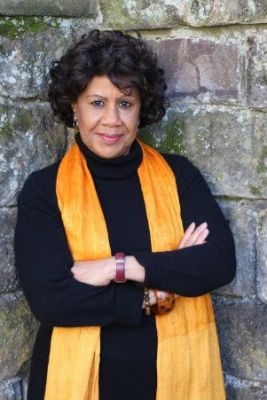
Jonetta Rose Barras found her voice, experiencing life as a poet, fiction writer, performing artist, and community organizer. Along the way she became a magazine feature writer, investigative reporter and contextual journalist. Her strength remains her ability to connect for the public seemingly unrelated issues, enabling them to better understand the impact public policy, politics and culture in America have on their lives.
These days Jonetta writes opinion essays and books. She also works with Esther Productions Inc. to inspire and empower fatherless girls and women.
Jonetta is dedicated to living her life with compassion, passion and without training wheels.
Shadow Politics
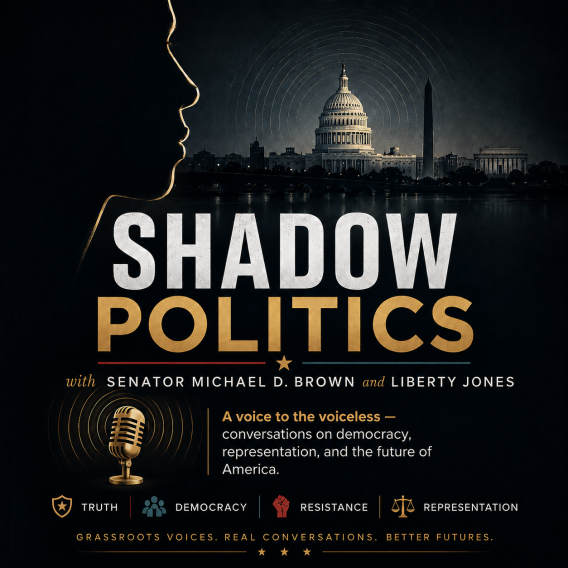

Shadow Politics is a grass roots talk show giving a voice to the voiceless. For more than 200 years the people of the Nation's Capital have ironically been excluded from the national political conversation. With no voting member of either house of Congress, Washingtonians have lacked the representation they need to be equal and to have their voices heard. Shadow Politics will provide a platform for them, as well as the millions of others nationwide who feel politically disenfranchised and disconnected, to be included in a national dialog.
We need to start a new conversation in America, one that is more inclusive and diverse and one that will lead our great nation forward to meet the challenges of the 21st century. At Shadow Politics, we hope to get this conversation started by bringing Americans together to talk about issues important to them. We look forward to having you be part of the discussion so call in and join the conversation. America is calling and we're listening… Shadow Politics is about America hearing what you have to say. It's your chance to talk to an elected official who has spent more than 30 years in Washington politics. We believe that if we start a dialog and others add their voices, we will create a chorus. Even if those other politicians in Washington don't hear you — Senator Brown will. He's on a mission to listen to what America has to say and use it to start a productive dialog to make our democracy stronger and more inclusive. If we are all part of the solution, we can solve any problem.
[00:00] Speaker 1: No taxation without representation. (gospel music playing) 200 years of exploitation in the capital of this nation. No, no, no, no, no. No representation (gospel music playing) in the capital of this nation. 200 years of exploitation. Give the people their right to vote. Someone asked me, "Was it true, the voting rights of the District were long overdue."
[00:35] Speaker 2: That was Sweet Honey in the Rock with Give the People the Right to Vote. Good evening, and welcome to Shadow Politics, an hour-long grassroots talk show, which is on a mission to make America think again. I'm your host, Michael D. Brown, United States Senator Emeritus from the District of Columbia. And along with my amazing co-host, Liberty Jones, we're interviewing the people who are making it happen. Not always in front of the camera, but always ahead of the curve. We're not gonna tell you how to feel or who to vote for. We're just putting the information out there, 'cause it's what goes on in the shadows that really makes the world go round. So come, listen, learn, and because a vote is a terrible thing to waste, and now more than ever, we need everybody listening, learning, and engaged if we are going to make America sane again.
[01:26] Speaker 2: And we have tonight with us, uh, uh, a great guest who's been on the show before, Johnetta Rose Beris, author, life coach, consultant, she's probably forgotten more about Washington, DC than I ever knew. So, we're so happy to have her on the show. Johnetta, welcome back.
[01:44] Speaker 3: Thank you so much for having me back.
[01:47] Speaker 2: Yeah.
[01:47] Speaker 3: It's an exciting time that we're living in, isn't it?
[01:51] Speaker 2: Yeah. And you know what? My father always used to say that that was an old Chinese curse, "May you be born into interesting times."
[01:58] Speaker 3: Yeah.
[01:58] Speaker 2: And we certainly have been born into interesting times, have we not?
[02:02] Speaker 3: Yeah.
[02:03] Speaker 2: Yeah. Unfortunately, uh, or fortunately, the way you look at it, it's an exciting time. And I read something that you wrote on LinkedIn, let's start there, and, and was just intrigued by, because I don't hear anybody else saying it, and I think it's really important. Uh, and you, you, you pointed out that a lot of people think the Ja- June primary will make an, uh, uh, usher in a generational shift in DC. We have a lot of old time politicians. Anita Bonds, Muriel Brook Pinto White, Eleanor Holmes Norton, th- they're all retiring. I retired last year because I realized it was time to go. I wish the guy in the White House realized that. But, uh, s- so, so what do you think this is gonna mean for the District of Columbia? You think we're really gonna have a generational change, shift, and will that really change the politics of the City Council and the mayor?
[02:58] Speaker 3: I, I think the... And I think the question, the last question you asked is, you know, will it really change the politics for the city?
[03:05] Speaker 2: Mm-hmm.
[03:06] Speaker 3: And, and quite frankly, I'm not seeing that. Um, you know, uh, maybe somebody's gonna fool me. Maybe, maybe someone will come out of the blue and be elected to mayor or at-large council member. But, uh, for the politicians that we have in front of us, many of them are carrying a lot of, uh, of the public policy vision, uh, that was presented maybe 10 years ago. Um, obviously some of the, that vision hasn't been realized, and maybe that's why they're still holding onto it. But, uh, I think the, the, that it's, it's not substantive, uh, radical, uh, change that we're seeing. Uh, it's, might be incremental. There may be stylistic changes, uh, but not substantive changes.
[04:03] Speaker 2: Well, and, and don't we suffer from, uh, an inability to make substantial changes, uh, because of the way the federal government oversees the District of Columbia? I mean, the example of that would be overturning the crime bill a couple of years ago, we lost 44 Democrats on that bill. And I took a lot of heat for coming out and saying it was stupid to send it up to a conservative Republican Congress to be, to be, uh, ratified. You know, we should have known better than doing that. I wasn't against the crime bill per se, but, you know, I just thought it was stupid to set it up there. But you know, don't we have a problem? What's that? I'm sorry.
[04:44] Speaker 3: Well, I think, I, I, I think we have a problem in terms of the sophistication, uh, and strategic sophistication, I would say, of the current crew that's in the Wilson Building. Um, and so you have people who are not... Either they're not connecting the dots or they really do think that they are, uh, Teflon. Um, and, and they're thinking they're Teflon without doing the appropriate organizing. One thing, if you remember, I know you were around, uh, Senator Brown when, um, when, uh, Adrian Fenty was mayor. And when Adrian Fenty was mayor, one of the first things he did was he organized a march to the Capitol, uh, as a statement about his administration's, uh, support of home rule and support of statehood. Now, he let that fall at the wayside and, and didn't continue that kind of action. But if you are going to stand up, you need to let people know you have an army, if you do have an army.
[05:54] Speaker 3: If you don't have an army, maybe you should be a little bit more careful about when and how you stand up, which is your point. I think, I think that there, there are, that residents could be rallied to support the government, but no one in the government is really...... trying to organize them in a consistent way so that you could bring them out and stand up to the Republican Congress. Not that that would be the solution. It's not, you know, it's not the immediate solution to the problem, but it's the beginning solution, is to create an army of residents, not just a 100, not just 200. There's 700,000 people who live in the District of Columbia. You ought to be able to get a third or a fourth or some kind of percentage of that group to consistently stand with the city.
[06:48] Speaker 2: Yeah, and that was my frustration for 18 years. I can tell you, the last time, again, over that bill that was overturned by Congress, they had estimated somewhere between 300 and 500 people showed up for a protest and, and they were all, all over the internet calling it a movement. And I said, "You know, 300 people isn't a movement. 300 people is a club." You know, we-
[07:12] Speaker 3: (laughs) Exactly.
[07:14] Speaker 2: And we should think, you know, we, we have 700,000 people, right? We have-
[07:16] Speaker 3: Yes.
[07:16] Speaker 2: ... 700,000 people. And, and, and they don't get out there. And, you know, the city, it's my considered opinion, that the city doesn't really give a damn about this 'cause they don't put any money into it. All they do is talk about it. And, and, you know-
[07:32] Speaker 3: No.
[07:32] Speaker 2: ... state- statehood, unfortunately, I think is like world peace. When you ask somebody, "Are you in favor of world peace?" What are they gonna say? They're all gonna say yes, of course.
[07:41] Speaker 3: Yes, exactly.
[07:42] Speaker 2: And it's the same with statehood, right? "Yes, of course." But what are you willing to do to get it is a completely different subject. So, so-
[07:49] Speaker 3: Well, and how do you get it is a completely different-
[07:52] Speaker 2: Right.
[07:52] Speaker 3: ... subject. If you're-
[07:53] Speaker 2: It is.
[07:53] Speaker 3: ... if you're just constantly depending on, uh, the congressional representatives or even the, uh, representatives from the local jurisdictions of Maryland and Virginia to support you, then you're-
[08:06] Speaker 2: Yeah.
[08:07] Speaker 3: ... likely, um, going to be, you know, sorely disappointed every time. And, and I think that, you know, I, I had this view, um, at least 20 years ago that I thought that, that because there wasn't this ground swell of support, uh, from, from people in the city, from longtime residents even, um, that the most you could do is try to, um, strengthen your home rule, strengthen your charter, get some things incorporated in your charter. There, that might be the better movement. I think a lot of people aren't, don't care about statehood as much as they do care about their ability to, um, control their destiny with their local government. They haven't made that leap from the local government to statehood. Um, but I think they have made the leap of, you know, the local government from Congress to the local government and how Congress, like you're talking about with the Crime Bill, interferes with the ability of the city to govern itself, to be independent even if it's not a state.
[09:17] Speaker 3: So, you know, you could, I think people could take this in an incremental way so you strengthen your stateho- I mean, your home rule and then you move towards statehood. And maybe, you know, maybe people might not feel they need statehood if they strengthen their home rule charter.
[09:36] Speaker 2: Yeah, maybe that would be the case, and, you know, again, that was my problem with the, the whole thing and, and, and how sad it was when we sent the Crime Bill up there, that, uh, you know, people don't even under- people in the movement don't even understand the history of the statehood movement. They don't understand the things that Marion Barry did. They don't understand it that, that, uh, Dr. Martin Luther King, uh, marched for home rule for the District of Columbia. They don't understand how long the battle's been going on, and they didn't look at Congress when they, when they sent the bill up there. They said, people said to me, "Oh, you know, the, the, the, the, the system, the, uh, current system is 100 years old and needs to be reformed." Yes, I think anything that's 100 years old needs to be reformed. But you have to do it strategically, right?
[10:27] Speaker 2: You can't just, like you say, if, if, if all we do is push for statehood and we're not getting statehood, then we're not getting anything. We need to... What did King say?
[10:36] Speaker 3: Oh.
[10:36] Speaker 2: You know, if you can't walk, crawl. You know, if you can't run, walk. If you can't walk, crawl. But whatever you do, keep moving. And that's what we need to do, right? Keep moving.
[10:44] Speaker 3: Yeah, and you might even think about the, the folklore, the folkloric, uh, uh, story about how Black people once could fly. And so then if you remember that you once could fly, all you have to do is remember how to do that.
[11:00] Speaker 2: Yeah.
[11:00] Speaker 3: And I, I don't think people remember how to do that even though the history that you're talking about, the history from enslavement through the civil rights movement, through the election of a Black man in the White House, um, and even, even now, that, that kind of history of growth and development is like flying. But we don't see that and we don't understand that if... We, we don't understand, like you're saying, is how they did that. I mean, Martin Luther King and, uh, the Southern Christian Leadership Conference was always constantly organizing people. They had organizers in many states, even states where they didn't necessarily, um, they weren't necessarily trying to change laws 'cause it was really mainly, as the name says, a Southern organization. But they had people that they can call on from time to time.
[11:59] Speaker 3: I don't think DC has done a very good job, um, organizing outside of the city, although there are many people who once lived in the city, don't live in the city anymore, people who c- came to school here and now are back at their home cities or states and, and, and there's no one connecting those-... individuals are connecting that, uh, that army, that, uh, group of people who could certainly, uh, work on behalf of the city.
[12:32] Speaker 2: Well, certainly, we found that. We- we- we have a group called Iowans for DC Statehood. We have a group called Californians for DC Statehood.
[12:41] Speaker 3: Yeah.
[12:41] Speaker 2: But the problem is that our delegation never had the money to do anything, so it couldn't-
[12:46] Speaker 3: Yeah.
[12:47] Speaker 2: ... organize. And- and organization, as you point out, is so important because you have to seize the moment very often, right?
[12:54] Speaker 3: Yeah.
[12:54] Speaker 2: The environment changes and if you're not ready when it changes, then you- you miss the opportunity. And we see that DC is one of the most visited places in America.
[13:06] Speaker 3: Yes.
[13:06] Speaker 2: The more pe- I mean, I don't know right now, but there's more people come here, millions of people every year. And so we have a kiosk with the mayor on statehood, which I bet you've never seen because it's pushed in the back of the convention center in a little dark corner where you really have to search to find it. So, you know-
[13:27] Speaker 3: (laughs)
[13:27] Speaker 2: ... and that's our effort, right? That's our effort. And- and- and, and, uh, you know, it's- I don't think... First of all, the politicians don't want it. Nobody wants a competition, right? These guys have a $13 billion budget. That's bigger than many, many states and they control it all. They don't need a senator or- and a congressman and, uh, you know, and- and people interfering with what they're doing. So they're not... I- I always got the feeling from the DC government that if it happened, great, but we're not gonna push it. We're not, you know, we're- we're not pushing it.
[14:03] Speaker 3: Well, even- even- even-
[14:04] Speaker 2: Uh...
[14:04] Speaker 3: ... before you get to the statehood part of it, Senator Brown, is- is I had a conversation many years ago with, uh, the council chairman, Phil Mendelson, and I asked him, I said, "Why don't you push to amend the home rule charter, so you can enlarge?" At least there are things that you can do now, uh, you can enlarge your legislature. Um, 13 people is a- is the size of a city legislature.
[14:34] Speaker 2: Yes.
[14:35] Speaker 3: You've got- you've got state and county functions. You should have a larger- a- a larger, um, government in that regard. You should... Th- there's no reason you can't call your mayor "governor" and fine-
[14:50] Speaker 2: Yes.
[14:50] Speaker 3: And you could establish a mayoral manager form of government, so that the mayor is part of the council and not necessarily, uh, alone. Instead, you have a governor. So there are many different, um, structural changes that could be made to the city that would advantage, um, the politics, the public policy, and also advantage how people see themselves. If you keep making yourself into, uh, some small, you know, some... if you keep, uh, I think, functioning like a small operation, then you'll never be able to grow and expand and have any power and influence because you're not building that in your behavior.
[15:38] Speaker 2: I agree with you 100%. Now, here's the big question, how the hell do we get you to run for mayor? That's what we need.
[15:44] Speaker 3: Oh, no.
[15:46] Speaker 2: We need someone-
[15:46] Speaker 3: You know, I was asked that question.
[15:47] Speaker 2: ... we need somebody with-
[15:47] Speaker 3: No. No, no, no. I was asked that question maybe 25 years ago, somebody asked me did I wanna run for the council or run for any... And I- I'm very clear on that. Uh, I don't have the temperament. Uh, I have-
[16:02] Speaker 2: (laughs)
[16:02] Speaker 3: ... I- I do not- I don't do things... Uh, I talk about incremental change, but I'm a community organizer. I was a professional community organizer for 10 years. I believe if you're gonna fight, you fight, and you do it aggressively. You don't kind of slow dance with your enemy. Um, and, and so I would not- I would not function well, because I- I wouldn't have, um, the temperament. I could build coalitions and all of that, which would be great for- for the city, but then when it comes to negotiating, somebody else would have to do that. But I think that there are, in the body of people running for office, um, for the primary- in the primary and potentially in the general election, I think there are some good people running for office in the city. I would like to see them be much more, um, expansive in their vision, uh, for the city and, um, and much more strategic in their operations and relations, uh, on Capitol Hill. I'm not sure that...
[17:11] Speaker 3: Even though there are good people in this group, I'm not sure that any of them have risen to the occasion in that regard, in regard to helping to build, um, relationships. I know who'll... For the DC delegate, um, there are three people running, Brook Pinto, um, Kenny Zelezny, and Robert White.
[17:36] Speaker 2: Robert White, yeah.
[17:37] Speaker 3: And all of them have spoken about, um, building better relations on- on- on the Hill. Uh, not just with the Democratic Party, 'cause they're all Democrats, uh, but also with, um, with Republicans going across the aisle. I mentio- I didn't mention that there is also a Republican candidate that is running for the delegate as well-
[18:01] Speaker 2: Huh.
[18:01] Speaker 3: ... uh, in the Republican primary and also, uh, statehood Green Party candidate in the... But they are running unopposed, and so they will win their primaries, and we'll have to wait till the general election to see what happens in the general election. But I do think that the- the people who are running, uh...... for DC delegate. They are across generations. Actually, it's not like a new generation. Um, the only... the youngest person is Brooke Pinto, uh, Zelensky, uh, Zelensky. Um, Zo- Zelensky is, um, is actually, I think, maybe late 50s, early 60s.
[18:44] Speaker 2: Right.
[18:45] Speaker 3: Um, so, so she, she's been around a while. But all of them know politics and, and I just wrote about them for the DC line. I wrote a two-part story for the DC line, as you mentioned earlier at the top of the, the show. Um, and, and I think that, uh, uh, you know, obviously one is better than the other too, uh, but I think that they have some of the stuff that can, uh, you know, enliven this office and maybe, um, take the city, uh, on a, on a better path than it's on now.
[19:26] Speaker 2: Well, you know, it's, it's funny to me that we always talk about, uh, how we need bipartisan support, and then we don't go to the Republicans. Look, Democrats voted for this. We passed it twice in the House on the backs of Democrats. Republicans are really the key, right? Having the interaction with them, you know. We... otherwise we're preaching to the choir. When we go up there and talk to Democrats, that's what we're doing. We're preaching to the choir. And there were many... I'll tell you my experience. When I would go in a Republican office, the first thing they'd say to me is, "Uh, Senator, uh, you don't have a vote, do you?" And I'd say no, and they'd say, "Well, we wanna introduce you to our intern, Susie, who graduated top of her class from, from, you know, Syracuse High School, and she's gonna talk to you about the bill." You know, they wouldn't... Very often, Republicans wouldn't even meet with me.
[20:19] Speaker 2: But the ones that did meet with me, you know, their problem, and this has always been the problem with statehood, is that, um, they don't want two more Democrats in the Senate. It's always been about the control of Congress, whatever state you look at. And I don't care whether you're talking about the Missouri plan or the s- or the states that came in late, it was always about the control of Congress. And this is why, for example, Jeanetta writes that the June primary is (laughs) is, is, you know, is where there's gonna be a generational s- shift. 'Cause if you know DC, you know if you win the June primary, the Democratic primary, for all intents and purposes, you've won the election.
[21:03] Speaker 3: Right.
[21:03] Speaker 2: So, we really have to go outside the Democratic Party. We keep on, right, exactly as you say, and we keep on hugging each other inside the Democratic Party, holding hands and singing Kumbaya, but it doesn't get us anywhere. So, let, let me ask you about the office itself, that y- y- you expressed, uh, concern about whether a new candidate would be able to regenerate it and expand its sphere of... s- its sphere of influence. I wanna ask you how we do that. How do we expand the sphere of influence?
[21:37] Speaker 3: Well, you do that by talking to... You do that by talking to people on the other side of the aisle. I mean, listen, you could say a lot of things about Joe Biden, and I do, um, and, um, but I would have voted for him if, if, if he had run again, uh, regardless of his age, because he had a skill and he had a, a, a sort of fearlessness about him, uh, because he had been in the institution for so long. He was not a- afraid to speak directly to Republicans.
[22:12] Speaker 2: Right.
[22:12] Speaker 3: Even, even the ones who probably would curse him out in a room or something like that, or they might curse each other out. And so, you know, when you think about what has happened, uh, with this second term of Donald Trump, um, you... Y- yes, of course he came in and he came in with his agenda and with his plan, and of course we think it's, it's, it's, uh, really, uh, horrible, um, in, in terms of the damage being done to democracy as we knew it. Uh, but democracy is still, um, the, uh, particular form of government that, that the, the country has. It hasn't completely been... it hasn't been completely destroyed. Um, there is a... s- uh, in the House, there's such close numbers, um, between the Democratic Party and the, and the Republican Party. I'm surprised no one has, uh, uh, has really thought to try to organize and find the few numbers of Republicans that they could have maybe gotten to vote for statehood one more time.
[23:19] Speaker 3: Of course, it wouldn't have gone in the, uh, passed in the Senate. And we know-
[23:23] Speaker 2: Right.
[23:23] Speaker 3: ... it wouldn't have passed in the Senate. But, um, it would have at least energized, um, the DC delegates' office. It would have also helped with, I think, uh, creating, uh, uh, proving to people that there's a possibility of creating relationships. Um, I see, and I've been told by Republicans that no one in the district government actually lobbies the Republican Party or the Republican leadership. There are a few people, I mean, I've spoken to Brooke Pinto and she mentions sometimes that she's, she's, um, uh, spoken to some of the leaders or some of the representatives in the House. Um, but, but if you're not... if, if you, as the elected official, don't find time to, to go to the House or go to the Senate and try to build relationships, it's not easy, it's a very difficult thing, obviously. Um, but it is not impossible.... because we've seen it before. And so I think that that is one thing, which is why all of the candidates for DC gov-...
[24:39] Speaker 3: delegate, um, talk about building relationships. Robert White talked about, um, trying to create these social o- o- opportunities to socialize. Um, and when I was talking to Julius Hobson Jr. about this, he says, "Here's the thing. You have 218 votes in the House, 60 votes in the Senate. The only way you are going to move forward is to get some of those people to support what you're pushing or to co-sponsor what you're pushing and, um, and for you," meaning our delegate, "to co-sponsor what they're pushing." But I was told by local Republicans that Eleanor Holmes Norton doesn't even engage them really. Now we know she's retiring, and so this is a new opportunity. There's a new opportunity for whomever is elected to that position to actually aggressively, proactively try to build relationships, figure out which ones you can stomach, and try to build relationships.
[25:53] Speaker 2: Yeah. I... You know, first of all, let me just say since you, you mentioned his son, Julius Hobson is, is one of my heroes because he did exactly what you're saying. He stood up, right? He stood up all the time. Uh, when he went into a clothing store... I used to be in a clo-... I used to sell clothes to, to work my way through college and graduate school. And I remember very distinctly Ken going down to F Street and organizing protests in front of a store that he wanted to buy something and there were no Black people working there.
[26:24] Speaker 3: Yeah.
[26:24] Speaker 2: And he sold clothes to Black people. So, so, you know, he was a guy that stood up all the time. H- h- he called home, home rule home fool, and, uh, yeah, we need more of that energy. And it... and it... and you're right. It's so hard to do, but it needs to be done. I've been in politics for 40 years. I worked for Jimmy Carter. I worked at the DNC. And I remember the days when Bob Dole and Ted Kennedy were friends, when they-
[26:51] Speaker 3: Yeah.
[26:51] Speaker 2: ... ate breakfast together, right? They did things together.
[26:54] Speaker 3: Yeah.
[26:54] Speaker 2: And, and my, my political mentor used to say... Speaker of the House used to say, "The best way to get along, uh, the best way to get along is to go along," right? You, you need to... you need to have those relationships. And, and I don't know why we don't do it. I know the government doesn't wanna put any money into this or any effort because they... you know, they're afraid of it. I think they're afraid of what happens.
[27:21] Speaker 3: Well, I think it's, uh... I think that there are... there are several groups, um, uh, and this is not an endorsement of any of them, uh, but there are several groups that are attempting to organize.
[27:33] Speaker 2: Right.
[27:33] Speaker 3: I think about what happened to the DCist, which was an online news, uh, organization funded in part by WAMU. WAMU decided it wanted to dissolve the, the news operation, that particular news operation. And so it did. And so the workers, some of the workers with DCist, decided that they wanted to maintain, um, a local news operation. So they, they fundraised. They raised the money to get it going again, and then they started raising the money to get a full-time reporter, and, and they're still raising money for their organization. Now it's called the 50 f-... it's called 51st News. Um, and, and the way that they've done it is they did crowdfunding in some instances. Um, they did their own fundraising campaigns through their organizations. They did, they did fundraising in a lot of different ways. My point is that the government doesn't have to fund your...
[28:42] Speaker 3: If, if, if a group of citizens really want statehood, really wanna expand home rule, really want their elected official to have a more stable vote in the House, then they ought to get organized, and they can raise the money privately. There are lots of people in this city that would give you 25, 50 li-... uh, $50, $100 to start organizing. Um, and I, I think right now, there are, uh, a couple of private organizations that are actually raising their own money.
[29:15] Speaker 2: Yeah.
[29:15] Speaker 3: They're not necessarily getting government money. I think when you depend on the government to, to provide you the resources you need to change the government, that's a bad, uh, formula for... Uh, you're not gonna be successful.
[29:31] Speaker 2: Yeah, that's absolutely true. And, and, and the government did not fund the Montgomery bo-... bus boycott, and the government did not-
[29:38] Speaker 3: Exactly.
[29:38] Speaker 2: ... fund the march across the Pettus Bridge, and the government did not fund the civil, civil rights movement in the South. You're absolutely right. It has to come from the people, and, uh, uh, and, and that's not happening. And let's talk about Donald Trump for a minute and the District of Columbia. There are currently 13 bills in the House of Representatives that would impinge upon the freedoms and the sovereignty of the District of Columbia. There are, there are bills to, uh... There's three bills that would change the way we incarcerate people and sentence them. They wanna re- ref-... uh, re- repeal the local police reform bill that we passed in 2022. And, uh, there are bills to... that would appo-... have the president appoint the AG, which is something that the president used to apo-... to appoint the mayor, uh, 100 years ago.
[30:34] Speaker 3: (laughs)
[30:34] Speaker 2: So they wanna get him back into the appointing the AG and, and, uh, judges. They wanna... There would be no judicial review.... in, in, in the District of Columbia, it's crazy.
[30:45] Speaker 3: Yes, yes.
[30:45] Speaker 2: So you're right. Now the time is fertile to organize, get something going, because, you know, it- it- it's ... I- I'm sure that many Washingtonians are sitting up and, and, and taking notice. But you're right, they, they, there's fear here. You know, I wanted to ... Stoney Ernst, who's somebody, Republican from Iowa, we tried to push around a bill. Uh, I wanted to put up a billboard which showed three, uh, DC National Guardsmen, uh, who had, who had all served in Afghanistan, who were willing to do this.
[31:20] Speaker 2: And the billboard-
[31:21] Speaker 3: Yeah.
[31:21] Speaker 2: ... would have read something in Iowa like, you know, "Senator Ernst doesn't believe these three combat veterans, two of them who had Purple Hearts, deserve the same rights that you have."
[31:32] Speaker 3: Yeah.
[31:32] Speaker 2: I wanted to put that up, but they wouldn't do that. I said, "Well, you know, imagine, you know, that veterans are one of the sacred groups, we talk about them reverently even though we don't treat them that way. Uh, and, and imagine putting that up, what kind of response you'd have." They go, "Oh no, can't do that." So yeah, uh, being timid isn't going to make it happen. So let's-
[31:55] Speaker 3: No, I mean, you, you-
[31:57] Speaker 2: Yeah.
[31:57] Speaker 3: ... have to see this ... You have to ... It has to be organized in the same way you would organize a national political campaign.
[32:06] Speaker 2: Yes.
[32:07] Speaker 3: And that is that you have a leader who goes to the different states. You have people, you have a chapter, like you were talking about earlier, in each of the key states, and you constantly visit those states. Now, the DC Vote just, um, hired a new director. That new director, uh, first thing that was done was to go to, I think it was Harrisburg or some place in Pennsylvania, um, to talk about some of the stuff that you're talking about. Uh, in this particular case, it was the ...
[32:40] Speaker 3: a bill to, as you know, um, to, uh, repeal the traffic, the, um, traffic enforcement system-
[32:49] Speaker 2: Oh, yeah.
[32:49] Speaker 3: ... the-
[32:50] Speaker 2: I, I remember that.
[32:50] Speaker 3: ... you know, um, automatic traffic enforcement system.
[32:53] Speaker 2: Right.
[32:53] Speaker 3: Somebody in some senator's, uh, office got a ticket, the ticket doubled then it tripled-
[32:59] Speaker 2: Yes.
[32:59] Speaker 3: ... and then they got pissed off. And so next thing you know, there's a, a proposal to stop the enforcement, uh, traffic enforcement, and to basically jeopardize the lives of, of thousands of people, including their own staff and visitors and everybody else who's in the city. Um, and, and so ... And it's ... it gets petty like that. It is really petty stuff that actually instigates this. And so what you have to do is have someone regularly going to the Hill and talking to these people, and building relationships with their staff, and building relationships with the key, um, you know, the key representatives. And, and that's just not happening. It's, it's, it's way too ... I- in one instance, you need an organization, an army to back you. But you don't have to attack, you don't have to do what, what, uh, what Donald Trump did. You're, you're in the middle of negotiating something and then you attack people and you change the whole dynamic.
[34:10] Speaker 3: And so here, in, in, in our case, we need someone who is actually attempting to negotiate some kind of peace settlement between the Republicans and the, the, you know, and the DC, um, government, or the DC residents. And sh- ... And if we're not able to do that, then that's when you send your army in. And, and I don't think there's been any real effort to do that, um, uh, by any of the groups. It's, it's ... These are Republicans, we hate them, and we're gonna try to kill every last one of them. Not figu- ... Not l- literally, obviously.
[34:49] Speaker 2: Right.
[34:49] Speaker 3: I'm speaking figuratively.
[34:51] Speaker 2: Right.
[34:51] Speaker 3: So-
[34:52] Speaker 2: Well-
[34:52] Speaker 3: ... you know. So that is, that, that is ... I, I just think this strategy is, is a bad strategy for us. It's not working and, you know, and, and when you know it's not working, why? Why keep doing it? It's, it's the, it's the definition as, as you know, it's, it's the classic-
[35:11] Speaker 2: Crazy.
[35:11] Speaker 3: ... definition of insanity.
[35:13] Speaker 2: Yeah. Yeah, it is. And, and, and, you know, and, and just to point out, uh, what you said about the, the speed cameras. You know, there's probably a lot of people out there who are saying, "Oh, no, I'm not wearing tickets. I hate them." But the truth is, Washington, DC, first of all, is, was not designed for automobiles to begin with. And second of all, we have things like diplomats that can drive like whirling dovishes and there's nothing you can do about it. So, it's a d- ... Having traffic enforcement (laughs) in the District is very, very important. And you know what? Police will not stop somebody during rush hour unless they're doing something really, really reckless.
[35:55] Speaker 3: Exactly.
[35:55] Speaker 2: Because it screws up everything, right? You stop a car at Connecticut Avenue, you, you increase everybody's commute time significantly. So speed cameras are really, really important in that case, right? Because they're the only way we can catch these people. And we found people with just ridiculous ... We, we had a horrible situation where five people were killed by a woman that had so many, many as- ...
[36:19] Speaker 2: uh, uh, speeding tickets and, and DUIs, uh, that-
[36:24] Speaker 3: Yeah.
[36:24] Speaker 2: ... it was unbelievable that she wasn't in jail. And she was running from the police and get ... saw an Uber car and killed everybody inside.
[36:32] Speaker 3: Yeah.
[36:32] Speaker 2: Uh, yeah, so-
[36:33] Speaker 3: This is a case that is now before the public.... uh, as it- and, you know, it's a, it's a classic example that you're talking about for why you need this. And not only do you need this, you actually need enforcement. And, uh, thankfully, you know, Brian Schwab is not my favorite person in the, as an elected official. But, thankfully, Brian Schwab started going after these people with all these massive numbers of, of tickets, parking tickets, speeding tickets, all kinds of tickets. And they're not paying, they're not paying, um, they're not paying and, and then their license isn't being, uh, revoked. Um, and, and so, I, I think he's, he's had lots of success in collecting the, the, um, the outstanding fines. But what you want is a much more aggressive enforcement so you keep these people off the street, who are just not doing, uh, you know, who are not respecting, uh, the city and the lives of people who are walking around the city.
[37:40] Speaker 2: And again, you know, the, the population of the District of Columbia doubles during the day. So, a lot of the (laughs) violators don't even live here. They come in from the Maryland and Virginia suburbs.
[37:53] Speaker 3: Yeah.
[37:53] Speaker 2: And, you know, and my opinion is that, uh, the people of Virginia don't know how to drive. Drive. That's a personal opinion.
[38:01] Speaker 3: Yeah. (laughs)
[38:01] Speaker 2: But, but-
[38:02] Speaker 3: Well, they say it's a lot of cow, there are a lot of cow patches out there. (laughs)
[38:06] Speaker 2: Yeah. Well, they, they sure act like it.
[38:09] Speaker 3: (laughs)
[38:09] Speaker 2: And, and, you know, and yeah. And it's, and it's just crazy that w- w- ... you know, people re- resist things like this. But, you know, one of my problems in trying to organize people in DC is that the people with money and power in this city don't focus on DC. They focus on national politics. The average person in ward three could probably tell you more about Hillary Clinton than they could about Muriel Bowser. You know, I've had people come to me and ask me, "Who, who, who should I vote for, for mayor?" You know, people that are politically involved, uh, but they're not involved in the city. Their fo- their focus is, is, is not on the city. And that's, that's unfortunate too. We need to refocus their attention.
[38:51] Speaker 3: I think some of that is, I don't know about wealthy residents. Um, I'm not one of them. Uh, but I do have some wealthy resi- uh, some friends who are wealthy residents in DC. And, and they strike me as caring about the city. They might not be in the minutia as people like yourself and myself are. But, but they care about the city, they care about the treatment that the elected officials are receiving from the federal, uh, the federal government. Um, they care about the fiscal health of this city, and they care about poor and working class people. Um, now, how to get them more engaged is something that their local representatives and the advocates working, uh, on behalf of the city should be figuring out. I don't think it's that difficult, um, to get them engaged 'cause these are people who vote regularly. They're ... it's ...
[39:46] Speaker 3: the only time-
[39:47] Speaker 2: Yeah.
[39:47] Speaker 3: ... they're not voting is if they're not in the city. But now, that everything is, like, mail-in, a lot of them are voting. And if they're voting, that means you can get their attention. How do you get it? How do you sustain it? That's the job of an organizer.
[40:02] Speaker 2: Yeah, absolutely. And, and, you know, um, I think that, um, the people in Northwest, where I live... By the way, I didn't know that I was one of the rich people until I just sold my house and got-
[40:17] Speaker 3: (laughs)
[40:18] Speaker 2: ... like five times for it, what I paid for it. I couldn't believe it. But anyway, uh, you know, they care about, they care very locally, you know. God forbid, I was an ANC commissioner, a most thankless elected position in Washington. And you put a stop sign somewhere, and you get, you know, where, where people don't want it, you get s- a hundred people that show up in protest overnight.
[40:43] Speaker 3: (laughs)
[40:43] Speaker 2: But they don't protest some of the big things. You know, we had a bus dispute in our neighborhood. This is, I think, funny. We had an ANC meeting, and they brought in the, the district police because they were afraid that things would get out of hand. The chairman of the ANC brought in, like, five cops.
[41:02] Speaker 3: Mm-hmm.
[41:03] Speaker 2: And you could see these guys standing around looking like, "Oh my God, what are we doing here?" 'Cause the average age of the person that was at the, uh, you know, complaining about the buses, was 70 years old.
[41:16] Speaker 3: Yeah, yeah. (laughs)
[41:16] Speaker 2: They were like, you know, you can see them looking like, "What are these people gonna do? Go out and set Geraldo on fire?" I mean, what-
[41:22] Speaker 3: Yeah.
[41:23] Speaker 2: ... really, what are they gonna do? So, but, but, yeah, locally, you know, very locally, especially when you get a lot of people involved.
[41:31] Speaker 3: Yeah.
[41:31] Speaker 2: Uh, and, and you're right. We need, we need organizers here to do that.
[41:36] Speaker 3: Yeah.
[41:36] Speaker 2: And, you know, we need, and it's especially important for DC 'cause nobody feels our pain. You know, when, when w- to, to organize outside the city.
[41:46] Speaker 3: Yeah.
[41:46] Speaker 2: Because during the Civil Rights movement, when you saw kids being hit with fire hoses and, and, you know-
[41:53] Speaker 3: Yeah.
[41:53] Speaker 2: ... first of all, African Americans and every other minority in the country felt what was going on in the South.
[42:01] Speaker 3: Yeah.
[42:01] Speaker 2: And, and then everybody felt it when they saw it on TV. But nobody s- nobody suffered what we suffer, right? Except for the Puerto Ricans and the people in Guam. Uh-
[42:11] Speaker 3: Yeah.
[42:12] Speaker 2: ... e- e- ev- ev- everybody has a vote, everybody has a representation, so it's hard for them to relate. So, so organizing becomes even more important. You sure we can't, you sure we can't talk you into running for mayor? I, I, I'll give you your first campaign contribution if you ever change your mind. Um-
[42:28] Speaker 3: Oh, no. (laughs) I don't wanna run for mayor. (laughs)
[42:32] Speaker 2: Yeah. It's... (laughs) It is a thing.
[42:34] Speaker 3: No, I, I like, I, I like, I like having the freedom to...... to go whenever I want to go and to say what I want to say-
[42:43] Speaker 2: Yes.
[42:43] Speaker 3: ... and do what I want to do, and to-
[42:45] Speaker 2: Yes.
[42:45] Speaker 3: ... engage in conversations like this without having to, um, be concerned about, uh, you know, uh, who I might be, uh, offending. And, you know, I'm-
[42:58] Speaker 2: Right.
[42:58] Speaker 3: Uh, one of my editors told me, David Carr, who is now dead, uh, told someone who was criticizing me one day, and he says, "Well, the beauty of Johnetta Rose Harris is that she's an equal opportunity offender." And (laughs) -
[43:13] Speaker 2: Yes.
[43:13] Speaker 3: And I'd like to be... I'd like to stay that way. (laughs)
[43:16] Speaker 2: Well, yeah. And I don't blame, you know. Uh, and 'cause I've been a Democrat, involved in Democratic party for 40 years and I have lots to say about Democrats. The, the, the same way I have lots to say about Republicans.
[43:29] Speaker 3: Yeah.
[43:29] Speaker 2: Uh, uh, you know, they, they, they don't always, uh, uh, (laughs) they don't always, uh, please me to, to say the least.
[43:37] Speaker 3: Yes. Yeah.
[43:37] Speaker 2: Uh, so what do we do here? So here, this is a fear that I have. Uh, if the Democrats do really well in the fall election, which is my hope, I think w- well with everybody else, so that we have, uh, some kind of bulwark against, uh, the crazy man in the White House-
[43:57] Speaker 3: Yeah.
[43:57] Speaker 2: But if they do, and Washington DC is the only place this guy can mess with, isn't he gonna mess with us even more? I mean, (laughs) 13 votes.
[44:07] Speaker 3: Well, it could be that, but... It could be that, but, but, but remember that, um, that, that those... that if they have control of the House, that means that, that there is, as you say, some kind of a wall that could help protect, uh, the city. And, um, but more than that, you want the Democrats in the House to start trying to repeal some of this stuff that has gone on-
[44:36] Speaker 2: Yeah. Mm-hmm.
[44:36] Speaker 3: ... uh, which is why there are people who are talking about rewriting the Home Rule Charter, uh, because if you could get that rewritten, um, and, and at least bolster some things right now, um, there might be a kind of reprieve for the city for at least four years, uh, because then you'd have to rewrite the Home Rule Charter again in order to, uh, repeal some of the laws or amend it. Um, but, um, and then if you, and then if you extend the structure so that you have a larger legislature, I'm not sure that, um, that the return of a Republican, uh, Congress would want to get into that kind of minutia. Uh, but I think that there are demands that the city should be thinking about making against a Republican House. Um, I mean, not a Republican House, a Democratic House, um, as soon as it's elected. I mean, of course, the Democrats will be looking, uh, ahead the next two years, uh, with respect to the White House and control of the White House.
[45:50] Speaker 3: Uh, but there are things that local party leaders, uh, local residents should have their own 10-point plan of what they want a, a Democratic House to do for the, the district. I- if there's no one thinking like that, then why are they in leadership positions?
[46:11] Speaker 2: Yeah. And, you know, I thought... Again, back to what you're saying about organizing. I thought when Donald Trump wanted to get his bill passed and he was talking about getting rid of the filibuster, you know, we passed a statehood bill twice in the House-
[46:26] Speaker 3: Yeah.
[46:26] Speaker 2: It's stuck in the Senate. And I'm thinking, "Are we gonna be in a position if they suspend the filibuster to take advantage of that?" No, we're not gonna be. It's just gonna be another opportunity lost.
[46:37] Speaker 3: Yeah.
[46:38] Speaker 2: They'll pass the bill for Donald Trump and then it'll, they'll go on, they'll go back to clench. You know, they're even talking about it now, they're talking about it now with the... with, with, with the horrible thing, uh, with TSA. My wife, who is planning to go visit our, our daughter in Denver next week-
[46:56] Speaker 3: Yeah.
[46:56] Speaker 2: ... is looking at TV, you know, five times a day trying to figure out, am I gonna stand in line for five hours to get my bags through or what's going on?
[47:04] Speaker 3: Yeah.
[47:04] Speaker 2: You know, so, uh, yeah. So we're not organized and we're... and, and, and it, it hurts us time and time again. And I think you're absolutely right. We should come up with a plan, uh-
[47:16] Speaker 3: Well, I mean, the-
[47:17] Speaker 2: ... regardless of who's in Congress.
[47:18] Speaker 3: ... that's what the Republicans did. They called it Project 2025.
[47:22] Speaker 2: Right.
[47:22] Speaker 3: And it's being implemented.
[47:24] Speaker 2: Right.
[47:24] Speaker 3: It's being implement... That is the, that is the guiding force for Donald Trump and his administration. What is the guiding force for, you know, Hakim... Hakeem Jeffries and the Republic- I mean, the Democratic Party? What's their guiding force? Do they have a Project 2028? Um, have they developed a Project 2028? Has... What's the guiding force for the new mayor here? Do we have a Project 2027? Uh, what are we doing? This is politics.
[47:58] Speaker 2: Yep.
[47:58] Speaker 3: This is about power. If you want it-
[48:01] Speaker 2: Yes.
[48:01] Speaker 3: ... take it.
[48:02] Speaker 2: Right. But-
[48:02] Speaker 3: But you can't expect someone to give it to you.
[48:05] Speaker 2: Right. Again, let's just talk, uh, uh, to... about Frederick Douglass, right? "Power concedes nothing without a demand, never did and never will." And, and, and-
[48:15] Speaker 3: Exactly.
[48:16] Speaker 2: And of all the things I've heard that, that relate to the people of the District of Columbia and getting equal rights, I've never encountered a statement more profound than that. That's absolutely true.
[48:29] Speaker 3: Yes, ma'am.
[48:29] Speaker 2: You, you know, uh, I, I often say... because my mother was in musical theater, I often say that everything I ever learned in politics, I learned from a Broadway musical. (laughs) And then-
[48:41] Speaker 3: (laughs)
[48:42] Speaker 2: And Porgy, Porgy and Bess, right?
[48:44] Speaker 3: Right.
[48:44] Speaker 2: ... God bless the child-
[48:45] Speaker 3: Yes.
[48:46] Speaker 2: ... that's got his own. That's it, God bless the child that's got his own.
[48:50] Speaker 3: Yeah.
[48:50] Speaker 2: You know? And I don't need, need-
[48:51] Speaker 3: Well, if you don't have your own now, go get it.
[48:53] Speaker 2: Yes, exactly, if nobody's gonna give it to you. Even if they tell you how sorry they are, but, "Oh, I really feel bad about this," but, you know, I gotta tell you. I'm a Christian and, and this bothers me more than anything. Why do so many fundamentalist Christians support and, you know, uh, uh, support this guy? 'Cause there's no opposition out there-
[49:16] Speaker 3: Yeah.
[49:16] Speaker 2: ... on the Christian front for him. You know, why isn't anybody saying, "Jesus Christ said, 'I'm your salvation,' not, 'I'm your retribution'"? You know?
[49:24] Speaker 3: Yeah.
[49:24] Speaker 2: Why is there nobody out there saying that? I don't understand.
[49:27] Speaker 3: Yeah.
[49:27] Speaker 2: But, but we gotta do some stuff. So, so let me ask you something, your personal opinion, 'cause I think you're brilliant, about Donald Trump. Is he losing it? Do we think he's losing it? Or is he just smarter than the rest of us and knows... My father was a con man, so I understand how people get sucked in. But, uh, it, you know, lately he's just, he's gone into this war without a plan. He t- if he has a plan, boy, he's keeping it secret.
[50:00] Speaker 2: Uh, it's just-
[50:00] Speaker 3: No, the plan is, the plan is very transparent. People just can't believe that it's a plan. He is a natural grifter. He learned it-
[50:12] Speaker 2: Yes, he is.
[50:12] Speaker 3: ... from his mama, maybe from his, um, uh, learned it from his daddy, maybe his mama. I don't know. But all his life he's been a grifter. Why did anyone-
[50:21] Speaker 2: That's absolutely true.
[50:21] Speaker 3: ... expect that he would be any different when he got into the White House when he was in the White House before? He wasn't any different.
[50:28] Speaker 2: As you know.
[50:28] Speaker 3: Now he's accelerated it because quite frankly, he understands the likelihood of him getting a th- a third, uh, a thir- a third term is nonexistent. I don't care how much he uses Stephen Miller, he cannot get a third term in this country and he will not get a third term in this country. And if you look at the voting that's going on now in the various states, special elections and regular primaries, the Democrats are doing a pre- fairly good job pushing back. And so I, I think that what is, what is interesting about Donald Trump is he understands what he wants for Donald Trump, for the Trump, for the Trump company, for the Trump family, and he is on that path.
[51:18] Speaker 3: And that is what is dangerous about him, is that-
[51:22] Speaker 2: Uh-
[51:22] Speaker 3: ... he's only concerned about himself. He's not even concerned about his cabinet.
[51:28] Speaker 2: And, you know, it just, it just amazes me that he had, that he stands up there. I, I mean, I don't know why, because like I say, I came to Washington DC when I was a kid 'cause my family, my mom and I and my brother and sister were trying to get away from the creditors who were after my father. My father-
[51:47] Speaker 3: Yeah.
[51:48] Speaker 2: ... did what Donald Trump did, but on a small scale. Start a business, go bankrupt, leave a bunch of people holding the, the bag and then move on to the next business. But-
[51:57] Speaker 3: Yeah.
[51:57] Speaker 2: ... uh, but, you know, it amazes me that he can stand up there and say things like, "We're negotiating with the Iranians," when they're on the split screen saying, "We've never talked to this man."
[52:08] Speaker 3: Yeah.
[52:09] Speaker 2: And, and people are still like, "Oh, well, I, I don't know." Or, or when he said that thing about women, where he grabbed women, and people would say to me, "Well, that's locker room talk, all guys do that." You know what? I've been in a lot of locker rooms in my life and I've never heard a, any man say that to me. And, and-
[52:26] Speaker 3: Yeah.
[52:27] Speaker 2: ... and, and furthermore, he wasn't in a locker room. He was talking to a gossip columnist. He was talking-
[52:34] Speaker 3: Yeah.
[52:34] Speaker 2: ... to a guy whose job it is to, to dig up dirt on people and, you, you know. But, or, or what he said about the veterans. I had veterans at a veterans meeting say, "That was taken out of context." I said, "Well, please tell me what is the context where you can say that dead soldiers are suckers and losers?" 'Cause I'm at a loss for what the proper context for that is. But, you know, people constantly make excuses for him.
[52:59] Speaker 2: People constantly make-
[53:00] Speaker 3: No, but I, I-
[53:00] Speaker 2: ... excuses for my dad.
[53:00] Speaker 3: ... think what they, what a lot of people like about Donald Trump... First off, I do ag- I do agree with you that, that he is definitely demented and I've had professionals to, to show me the signs of his dementia. When you see them publicly, he is demented-
[53:17] Speaker 2: Yeah.
[53:17] Speaker 3: ... and he should be removed from office with... The 25th Amendment is, is there for, that's-
[53:24] Speaker 2: Exactly.
[53:24] Speaker 3: ... what it's there for. And-
[53:26] Speaker 2: Right.
[53:26] Speaker 3: ... um, and so nobody's gonna u- but, but everybody's afraid to use it. I mean, AOC has, has obviously raised it and, and others have raised it, but they haven't aggressively moved to, to make the, to really get it done. Um, and, uh, that might be one of the first things the Democrats might do is, is to raise up the-
[53:47] Speaker 2: Yes.
[53:47] Speaker 3: ... 25th Amendment and, um, and get a, you know, get us some relief from this guy because he's out of his goddamn mind. Oh, I'm sorry.
[53:55] Speaker 2: Nice.
[53:55] Speaker 3: Um... (laughs)
[53:56] Speaker 2: No, that's okay 'cause he's out of his goddamn mind. I mean-
[53:59] Speaker 3: Yeah, exactly. (laughs)
[53:59] Speaker 2: ... you know, it's okay to say it if it's true.
[54:02] Speaker 3: (laughs)
[54:02] Speaker 2: And, and, and, and-
[54:03] Speaker 3: So, so the, so the thing is, is that, you know, people have to understand that there's not one thing that he's done since being in office that is to advantage anyone other than himself, including this Iranian war that he and Na- and, uh, uh, um, Net- Netanyahu have actually started for their own personal reasons, personal political reasons. Um, and so, I mean, you know, you could say what you wanna say about the Iranian government.
[54:35] Speaker 3: A lot of people say a lot of different things about it and-
[54:37] Speaker 2: Yes.
[54:37] Speaker 3: ... you know, it is what it is, but, uh, it certainly wasn't, uh, it wasn't... It was negotiating a, a deal with these people when the war broke out. But you can't get what you want. These two people couldn't, couldn't get what they wanted-... through negotiations, that wouldn't have solved what they're trying to do in terms of land grab and building wealth for themselves and, um, and for their families.
[55:08] Speaker 3: That's what-
[55:09] Speaker 2: Well, you know-
[55:09] Speaker 3: ... this is all about.
[55:10] Speaker 2: Yeah. And I couldn't, I, I couldn't... I can't get over the feeling that he was played, that Trump was played by Netanyahu. That Netanyahu, this is a long-term desire of him to do this.
[55:22] Speaker 3: Yes.
[55:23] Speaker 2: And, and he's saying, "Let's do it now when Big Brother's in the neighborhood." Right? "If you're gonna go attack the entire Middle East, uh, it, it's really nice to have, uh, the American armed forces at back." Uh-
[55:36] Speaker 3: Yes.
[55:36] Speaker 2: ... so yeah. I just feel like he was played-
[55:38] Speaker 3: With $200 million of the public's money that you're now trying to get to augment that.
[55:45] Speaker 2: Yes.
[55:45] Speaker 3: And the lives already, dozens of lives-
[55:48] Speaker 2: Yes.
[55:48] Speaker 3: ... hundreds of lives, uh, misdirected, dead and/or misdirected because of-
[55:54] Speaker 2: Yes.
[55:54] Speaker 3: ... you know, because of, uh, uh, injury, uh, and, and also because of trauma. I mean, war is a traumatic experience. And of course, he, Mr. Bone Spur wouldn't know that because he's never gotten any clo- he's never gotten close to it.
[56:11] Speaker 2: Right. And we... I think that, uh, that, um, also applies to Americans because we haven't, uh... Other than Pearl Harbor, you know-
[56:21] Speaker 3: Yes.
[56:21] Speaker 2: ... we've never had anybody bomb our cities and stuff. Well, Jeanetta Rose Barriss, I have to let you go. Time's up. I wish we had another two hours to talk to you-
[56:30] Speaker 3: (laughs)
[56:31] Speaker 2: ... 'cause you're an amazing guest. And I hope you come back and, and, you know, I, I might just start the, the, the, the ground swell movement to nominate Jeanetta Rose Barriss to something important. I don't know.
[56:46] Speaker 3: Yeah.
[56:46] Speaker 2: We'll, we'll, we'll work on that. Thanks.
[56:47] Speaker 3: Maybe a- as your next guest on your, on your show sometime later. Nominate me for that. I'm, I'll-
[56:52] Speaker 2: All right, I'll do that.
[56:53] Speaker 3: I'll be happy to accept it. (laughs)
[56:55] Speaker 2: You have a standing invitation anytime you wanna come on.
[56:59] Speaker 3: Thank you so much.
[56:59] Speaker 2: And... No, thank you. Thank you for being one of the voices out there, one of the voices of reason, uh, because there's so many people that have fallen in line these days and it's really scary. And it's nice to know that there's people like you and Jimmy Kimmel and Jon Stewart and, you know, other people-
[57:18] Speaker 3: Yeah.
[57:18] Speaker 2: ... out there, uh, trying to tell the truth. So thank you so much. Uh, we'll see everybody next week. And usually, I leave a song, uh, dedicated to, to our guest, and this certainly would be, but, but this goes out to all the veterans and all the people that, that are embroiled in this horrible conflict. Uh, here's a classic tune by Edwin Starr. Uh-
[57:41] Speaker 3: Thank you.
[57:41] Speaker 2: ... thanks so much, Jeanetta.
[57:42] Speaker 3: All right.
[57:43] Speaker 2: We'll see you again soon. Uh-
[57:44] Speaker 3: All right. Bye-bye.
[57:46] Speaker 2: See you next week, folks.
[57:47] Speaker 3: All right. Bye-bye.
[57:47] Speaker 2: Liberty Jones will be back. Bye.
[57:50] Speaker 4: No representation in the capital of this nation. Do-do, do-do, do-do, do-do. 200 years of exploitation. Do-do, do-do, do-do, do-do. Give the people their right to vote. Do-do, do-do, do-do, do-do. Give the people their right to vote. Do-do, do-do, do-do, do-do. Give the people their right to vote. Do-do, do-do, do-do, do-do. Give the people their right to vote.