
Shadow Politics, March 1, 2026

Shadow Politics with Senator Michael D. Brown and Co-host Liberty Jones
Petula Dvorak, Ex Reporter for the Washinton Post - Struggle for DC Identity and the Decline of Local Truth
This episode of Shadow Politics, dives into a deep-dive conversation between Michael D. Brown, Liberty Jones, and veteran columnist Petula Dvorak regarding the precarious state of Washington D.C. It explores the intersection of "taxation without representation," the systemic dismantling of local journalism at The Washington Post, and the alarming militarization of the nation's capital. The discussion serves as both a critique of current political narcissism and a plea for renewed civic engagement through historical and cultural understanding.
The Cultural Erasure and Political Limbo of District Residents
The District of Columbia remains in a state of "taxation without representation," a situation exacerbated by the impending retirement of long-time advocate Eleanor Holmes Norton and a Senate filibuster that blocks the path to statehood. Beyond the legal hurdles, there is a profound cultural disconnect; much of the nation views DC either as a "bureaucratic laboratory" or a "criminal hellscape" rather than a vibrant city where 700,000 people live, work, and raise families. This disrespect is felt practically, from DC licenses being rejected as "fake" in other states to the city being omitted from address menus on national websites. Dvorak suggests that a mandatory civic visit to DC should be part of the national core curriculum to bridge this "civics gap" and humanize the city beyond its political caricatures.
The Erosion of Local Journalism at The Washington Post
Dvorak details a "chilling" shift in the mission of The Washington Post, noting that the local reporting staff has been systematically whittled away. Despite a legacy of Pulitzer-winning local journalism—from Watergate to investigations into police force—the local desk has shrunk from a peak of 200 reporters across various bureaus to a mere 10 people today. The termination of local columnists in 2023, under the claim that they were "unsustainable," has severed the intimate, "front porch" relationship the paper once held with its readers. This decline in local oversight allows for the quiet dismantling of checks and balances within federal commissions and local governance, as there are fewer "reporters on the ground" to witness small but significant administrative shifts.
Militarization and the Immigrant Perspective
The conversation highlights a disturbing trend of militarization in DC, with the presence of National Guard and ICE agents evoking traumatic memories for immigrant communities. For those who fled dictatorships in countries like Brazil or the former Czechoslovakia, the sight of troops on the streets and "forced patriotism" feels like a "dimming of the American promise." This atmosphere is compounded by "clickbait politics," where extremist rhetoric and celebrity-style spectacle often overshadow substantive issues like humanitarian crises or local economic struggles. Gen Z, represented by Liberty Jones, views this landscape as an "adversarial" environment where attention is the only currency, making it increasingly difficult for young people to find stable career paths in a "consolidated" media and political world.
The District of Columbia stands at a crossroads where its legal rights are stalled and its local narrative is being erased by a shrinking press. As national politics shifts toward "theatrics and stagecraft," the speakers emphasize that the only antidote to this erosion of truth and community is a combination of rigorous independent journalism, historical perspective, and a commitment to "leading with love" to keep hope alive for the next generation.
Guest, Petula Dvorak
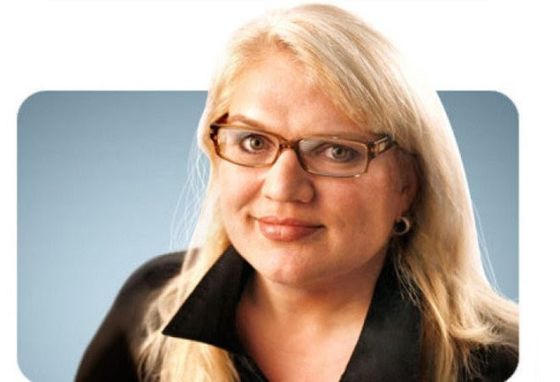
A columnist for The Washington Post's local team, Petula Dvorak writes about homeless shelters, gun control, high heels, high school choirs, the politics of parenting, jails, abortion clinics, mayors, modern families, strip clubs, gas prices and DC statehood. Dvorak has been with The Post for more than 15 years.
Before joining The Post, Petula covered social issues, crime and courts in New Orleans, New Jersey and Los Angeles. She earned her BA in Journalism and International Relations at the University of Southern California.
Shadow Politics

Shadow Politics is a grass roots talk show giving a voice to the voiceless. For more than 200 years the people of the Nation's Capital have ironically been excluded from the national political conversation. With no voting member of either house of Congress, Washingtonians have lacked the representation they need to be equal and to have their voices heard. Shadow Politics will provide a platform for them, as well as the millions of others nationwide who feel politically disenfranchised and disconnected, to be included in a national dialog.
We need to start a new conversation in America, one that is more inclusive and diverse and one that will lead our great nation forward to meet the challenges of the 21st century. At Shadow Politics, we hope to get this conversation started by bringing Americans together to talk about issues important to them. We look forward to having you be part of the discussion so call in and join the conversation. America is calling and we're listening… Shadow Politics is about America hearing what you have to say. It's your chance to talk to an elected official who has spent more than 30 years in Washington politics. We believe that if we start a dialog and others add their voices, we will create a chorus. Even if those other politicians in Washington don't hear you — Senator Brown will. He's on a mission to listen to what America has to say and use it to start a productive dialog to make our democracy stronger and more inclusive. If we are all part of the solution, we can solve any problem.
[00:00] Speaker 1: No taxation without representation. Two hundred years of exploitation in the capital of this nation. No, no, no, no, no, no. No representation (No, no, no, no, no, no) in the capital of this nation. (Nation) Two hundred years of exploitation. Give the people their right to vote. Someone asked me "Was it true? The voting rights of the District were long overdue."
[00:35] Speaker 2: That was Sweet Honey in the Rock with Give the People the Right to Vote. Good evening and welcome to Shadow Politics, an hour-long grassroots talk show which is on a mission to make America think again. I'm your host, Michael D. Brown, United States Senator Emeritus, and along with my amazing co-host Liberty Jones, we are interviewing the people that are making it happen. Not always in front of the camera, but always ahead of the curve. We're not gonna tell you how to feel or who to vote for. We're just putting the information out there because it's what goes on in the shadow that- shadows that really makes the world go round. So come, listen, and learn, because a vote is a terrible thing to waste and now more than ever, we need everyone listening, learning, and engaged if we're gonna make America sane again. Tonight's guest, Petula Dvorak, we're so excited to have her. She was a columnist. She'd been a columnist at the Washington Post and for 25 years, she covered DC issues.
[01:43] Speaker 2: Before that, she covered crime and social issues in New Orleans, one of my favorite cities, New Jersey-
[01:51] Speaker 3: (laughs)
[01:51] Speaker 2: ... the state of my birth, and Los Angeles, the place I was- wish I was right now 'cause I'm cold as hell. And she got her, her, her, her degree in journalism and international relations at the ever-so-lovely University of Southern California. We're so excited to have her here tonight. Thanks so much for being with us, Petula.
[02:12] Speaker 3: Oh, thank you so much for having me. And, uh, as usual, we have to thank you for all the work that you did for so many years for the District.
[02:20] Speaker 2: Aww. Well, that's-
[02:20] Speaker 3: It's really, uh, it's really something special and you continue.
[02:24] Speaker 2: Well, thanks. That's f- so kind of you. And, and, you know, let's start there because you know the District so well. Um, you know, we're about- w- we're on, we're on the verge of statehood, we feel, in the District, right? 'Cause we passed it through the House twice, but we can't get over the Senate filibuster, uh, rule. You know, the Senate culture rule. Uh, but we're about to face some hard times, right? 'Cause we're losing our warrior on the Hill, Eleanor Holmes Norton.
[02:58] Speaker 2: You know, Eleanor and I have had lots of disagreements, but-
[03:03] Speaker 3: (laughs)
[03:03] Speaker 2: ... you have to admire her, right? For what she's done without a vote. Uh, she's really-
[03:09] Speaker 3: Amazing.
[03:09] Speaker 2: ... done some amazing things, really has, and she's a civil rights icon and, uh, you know, beyond that, she's just done so much for the District and she's gonna have to be replaced. She's not running for re-election. We've got that. We've also got a president who thinks that, uh, the District of Columbia is his personal, uh, laboratory for, for, for testing out new and outrageous, uh, ideas, I think, uh, like putting his name on everything, uh, and that's an idea that I've had, uh, Petula. I'd like your input on that. But I think if we changed the name of Washington, DC to Trumpville, we'd have a much better shot at getting- having him push for DC statehood.
[03:55] Speaker 3: (laughs) Yeah.
[03:55] Speaker 2: Uh, but, but really, what do you think? Are, are we in, in for a long ride at this point where, you know, we made so much progress in the last few years, but it seems like this is gonna be some big setback.
[04:10] Speaker 3: Absolutely. It feels really, uh, devastating. It, it did feel so close, but, you know, you also think back when, when, uh, (laughs) Obama was in office and, and, uh-
[04:22] Speaker 2: Yeah.
[04:22] Speaker 3: ... everything was shining brightly.
[04:23] Speaker 2: Yeah.
[04:24] Speaker 3: And yet, uh, and even then, folks didn't have the courage, um, to move that forward and yet that would be a radical, a radical change, um, in Congress, to have one more vote.
[04:36] Speaker 2: Yeah.
[04:36] Speaker 3: Not only, of course, let alone our- us 700,000 residents still living, um, under taxation without representation. Um, but, but it would change, uh, the makeup of, of the Senate and the Congress in very key ways. And, uh, of course that is why they won't- don't want to do that.
[04:54] Speaker 2: Right. Exactly. Of course.
[04:55] Speaker 3: Um, but it's, you know, it's also a cultural ... I mean, I just think we, we need, we need to wait. I mean, it's just not gonna happen anytime soon. I think what you're, what you're talking about, Trumpville, um, may be the only way that that could (laughs) ever happen.
[05:09] Speaker 2: Yeah.
[05:09] Speaker 3: That was pretty witty. And, uh, and, and really, uh, we're in for, I mean, I think, uh, DC will be lucky to survive, um, this, uh, presidency, uh, uh, in any way intact. So, I don't think we can even aim for that. But the, the thing that just hurts so badly over these years is culturally, folks still don't get it.
[05:32] Speaker 2: Right.
[05:33] Speaker 3: Um, for example, New Orleans. Um, I was just in New Orleans with, uh, my family. We went for New Year's Eve, uh, and, um, my son was so happy to finally go to a bar and ... He's 21, my oldest son.
[05:48] Speaker 2: So cool.
[05:48] Speaker 3: And they didn't wanna accept ... Well, I'll, I'll tell you what happened. When he showed his ID at a, at a club to go see a really cool band, the bouncer said, "Dude, this license is fake as blank."Um, because he didn't believe that a DC license was real. (laughs)
[06:07] Speaker 2: Yeah. Yeah.
[06:07] Speaker 3: That is still the level of disrespect that the District has, nationwide. Every once in a while, right, how often does it happen to us, when you're buying something on a site and the District of Columbia doesn't exist for you to put in your address?
[06:22] Speaker 2: Yes.
[06:22] Speaker 3: So culturally, of course, we still have lo- a long ways to go, let alone on paper and in the law. Um, that is far off, and I think... I, I don't know where we make that cultural movement. Uh, uh, uh, we could come back to this, but I had, I had an idea that I wrote a column about, uh, many years ago, um, to, uh, require... You know how, uh, in the spring we have all those gaggles of kids with the different colored T-shirts?
[06:51] Speaker 3: They're all here on their spring break-
[06:52] Speaker 2: Yes.
[06:53] Speaker 3: ... to DC. I would love that to become a requirement of, um, our core curriculum, a visit to DC. Because, A, well, we can come back to this, but obviously, the, the lack of civics knowledge is growing. It's an increasing gap, which is probably contributing to so much of our political, um, discourse and/or lack thereof. But also, I think DC just is, is in people's minds as this place where politicians just do bad things. Um, and that visit often change peop- changes people's minds so much to seeing it not only as a grand city and embedding some more national pride and understanding our national systems. But then you realize it's a place where people live and work and raise their children, and fix the roads and grow trees. And I think that is something that so much of America doesn't even have a concept of.
[07:51] Speaker 3: Sorry, that's-
[07:52] Speaker 2: Right. I think, I think... No, I think you're absolutely right, and I've said for years that the rest of the country thinks all of us work for the IRS and we're out there-
[08:01] Speaker 3: (laughs)
[08:01] Speaker 2: ... just to make their life miserable, right? You know, we even went to New Hampshire and testified before the state legislature on, on a, on a resolution to support DC statehood, and there was a state senator who said, "I used to live in Washington and nobody actually lives there. It's just the military-"
[08:20] Speaker 3: (laughs)
[08:20] Speaker 2: Yeah. He actually said that. We're like, "What?" You know. I mean, it, it, it, it's just... Yeah, yeah, you're absolutely right, and it's just crazy. And I can't understand why we spent $40 million to get a senator from Georgia, get two senators from Georgia, but we won't spend any money to get two Democratic senators from the District of Columbia. You know, it's, uh, I, I don't know why. But anyway, Liberty, jump in here and ask a brilliant question. Save us.
[08:48] Speaker 4: Yeah. So, I think that's a very interesting observation about how people often don't recognize the cultural beauty of DC. I love living here and I think there's-
[08:58] Speaker 3: (laughs)
[08:58] Speaker 4: ... so much liveliness in these streets. I think the really interesting part about that is how up until maybe 20 years ago, DC used to be considered the Chocolate City-
[09:10] Speaker 3: Mm-hmm.
[09:11] Speaker 4: ... in terms of population.
[09:12] Speaker 2: Yeah, longer than 20 years. You have a shorter frame of reference.
[09:16] Speaker 3: Yeah. (laughs)
[09:16] Speaker 2: But, yeah. But, yeah, you're right, it did at one time, yeah.
[09:19] Speaker 4: Unfortunately, I'm only 20 years old, so... (laughs)
[09:23] Speaker 3: (laughs)
[09:24] Speaker 4: But, you know, I think that's a really interesting aspect, how the media for so long chooses to show what they want to show and tends to hide off certain things. An interesting example of this really embedded into even DC culture, is how Georgetown, which is a very prominent area of touristic seeing in DC, actually doesn't have a metro line-
[09:48] Speaker 3: Right.
[09:48] Speaker 4: ... connecting to it. So, I think, you know-
[09:52] Speaker 3: Right.
[09:52] Speaker 4: ... people want to show what they want to show, and I think it's really incredibly interesting that the majority of the United States sees DC as a place where only politicians are engaging, because there's a huge Ethiopian population. Senator Brown used to tell me that in Columbian Heights, there was a point in history where, a long time ago, maybe, (laughs) there was only Mexican-
[10:15] Speaker 3: (laughs)
[10:15] Speaker 4: ... communities where they would play all-Spanish movies in the theaters, and I think that's a big part of the history that's being obscured, is how, you know, multiracial it really is and how alive these streets are. What do you think?
[10:27] Speaker 2: So, what's your question there, um?
[10:29] Speaker 4: My question is-
[10:30] Speaker 3: (laughs)
[10:30] Speaker 4: ... would you think this is something with, you know... As, as someone who works in the media, do you think this is a narrative that would have been obscured? Do you think that this is something people are actively attempting to do, is hide part of the beautiful culture because it is the capital of the United States and there's a certain innuendo that needs to be represented with that?
[10:52] Speaker 3: That's, that's a really interesting observation, Liberty. I mean, it always... Right? That whole metro and Georgetown being excluded, uh, is, has always been a question. Um, it was always the excuse my son used for being late to class when he, uh, he went to Duke-Ellington, and, uh, he had to go on the metro and the bus, or three buses, to get there. (laughs) Um, so it's definitely inaccessible. It's, it's interesting, because I know that was definitely, um, a huge cultural plus, right, for Black America, um, to have Chocolate City and to have so much pride in it. I don't... That's an interesting observation. I don't remember anyone... It, it... I don't have that feeling of the diversity, um, being obscured purposefully. Um, there, that might be some sentiment of, you know, folks who might live in richier places of Kalorama. I, I think...Wh- the, the biggest danger in that right now is, uh, the way, uh, Trump is criminalizing, uh, DC and making it sound like a hellscape.
[11:54] Speaker 3: Um, and, uh, you know, we had... It was just so interesting to see how many calls we had from folks, um, my husband and I, um, from folks all over the nation when, uh, you know, Trump started talking about, uh, militarization and crime run rampant and saying, "Hey, a- are you okay? Are you guys okay?" You know, "What's, what's, what's going on there? Are you safe?" Which is just so hilarious, right? Like, you, you walk down-
[12:20] Speaker 2: Hilarious.
[12:20] Speaker 3: ... (laughs) and, and it's just this, this beautiful scene. And you hear it time and time again, anyone who visits DC, my favorite thing is to take folks to, you know, Ethiopian, uh, food and to go up to Mount Pleasant and, uh, and there's so many different ways to see what a beautiful city it is. And if you don't come here, you don't see it. And so we have two... We're fighting two villainizations, right? The idea that DC is just a place where politicians exist and do bad things, everyone thinks you're working at the IRS, or that it's a cultural hellscape, uh, or a, a, or a criminal hellscape. Um, and, uh, you know, the, the, the, the hardest part, the stuff that makes... I mean, that all made my stomach turn and I kept posting, you know, anytime I could to anyone, videos of, like, you know, me walking to work and seeing people on the streets (laughs) , you know, eating, uh, eating, eating their lunch at, at outdoor cafes.
[13:18] Speaker 3: I mean, it's, you know, we, we're, we're almost European in, in some of the beauty of our sl- city li- livelihood, and, um, uh, the, the, the liveliness of the city. Uh, but, but now what happened, right, is Trump villainized DC, um, used it as an ex- used that as an excuse to send troops, and now he keeps doing these scenes, "Well, look at what a beautiful place it is now, now that I've come and saved everyone."
[13:45] Speaker 2: Right.
[13:45] Speaker 3: That boils my blood because it's the exact same scenes, you know, that, that could have been his counter... that could have been a counterargument, um, to what he was saying just a year ago. So that, that is always such a hard, hard thing to explain to people.
[14:03] Speaker 2: Well, let me, let me ask you about that, uh, uh, as a media person, you know, because I got to tell you that I talk to people, or, and, and they say things to me, like, the, when the k-... This thing about the Kennedy Center closing.
[14:17] Speaker 3: Yeah.
[14:17] Speaker 2: I've had people say... Now, I live... I've moved recently to an island in Chesapeake Bay. And I have people down here saying things like, "Well, you know, there was all that pedophile stuff and stuff going on at the Kennedy Center." I'm like, "What?"
[14:32] Speaker 3: Oh, God.
[14:33] Speaker 2: The Kennedy Center is a place where, where the arts flourish. There's nothing, you know, there's nothing...
[14:40] Speaker 3: Yeah.
[14:40] Speaker 2: Yeah, but, but they're selling all this stuff, and I don't know how they get away with it. And by the way, I just wanna point out that for the past... We just moved... I just moved in October, but for the past 20 years prior to that, I never locked my front door during the daytime in the District of Columbia.
[14:58] Speaker 3: (laughs)
[14:59] Speaker 2: I only locked it just before I went to bed, right? And I never had a problem, lived in a great neighborhood. Uh, uh, lived in American University Park.
[15:08] Speaker 3: I accident-
[15:09] Speaker 2: Go ahead.
[15:09] Speaker 3: I accidentally left my cool commuting bike right in front of my, uh, front door overnight one night.
[15:14] Speaker 2: Yeah.
[15:14] Speaker 3: It was still there the next morning. (laughs)
[15:17] Speaker 2: Yeah.
[15:18] Speaker 3: And-
[15:18] Speaker 2: Yeah. Yeah. Well, you know, and I, I certainly experienced crime. I was a, I was a block captain in... when I lived in Southeast, and we had a couple of crimes.
[15:28] Speaker 3: Mm-hmm.
[15:28] Speaker 2: But, but, you know, I come from Newark, New Jersey. So the idea, you know... And a- a- another thing is when they talk about corruption in, in, in, in Washington, I always say, "I'm from Newark. You know, this isn't corrupted, right?"
[15:43] Speaker 3: Nothing *******.
[15:44] Speaker 2: You're right. New Orleans, New Orleans. Uh, Newark, New Jersey. Maybe even Los Angeles.
[15:49] Speaker 3: Yeah.
[15:49] Speaker 2: I don't know about Los Angeles, but I do know a little about New Orleans, and I know (laughs) , I know a lot about New Jersey. Uh, so l-... I don't know. How, how do they sell this? Do... If you say it enough times, people think it's true?
[16:04] Speaker 3: I... That's exactly... I would be really curious, Liberty, to he- hear what your, your age group, um, sees. How, how your age group sees DC. Um, is... Do, do they see the diversity? Or, or folks who don't, don't live here. What, you know, whatever you see, the Instagram world or, or, or whatever, how, how do, how does your generation view DC?
[16:27] Speaker 4: I think my generation views DC as very political as well.
[16:31] Speaker 3: Mm-hmm.
[16:31] Speaker 4: I think they imagine that there's 50% of people who are very corrupt and who-
[16:40] Speaker 3: Mm-hmm.
[16:40] Speaker 4: ... make you want to run away, and 50% of people who are in retaliation to that. I know that my generation, on a more of a global spectrum, thinks it's simply the capital. They probably imagine, like-
[16:54] Speaker 3: Yeah.
[16:54] Speaker 4: ... you know, the White House and that's about it. But I think that also my generation... Because I think technology makes things very globalized, um-
[17:05] Speaker 3: Mm-hmm.
[17:05] Speaker 4: ... my generation sees that there is an... a very international and colored community here in terms of people of color.
[17:13] Speaker 3: Mm-hmm.
[17:15] Speaker 4: Um-
[17:15] Speaker 3: Yeah.
[17:15] Speaker 4: ... and I think that's something we, we enjoy because we love hearing-
[17:20] Speaker 3: Yeah.
[17:20] Speaker 4: Especially Baltimore is nearby and, you know, they consider the DMV to be a place of... The DMV, not just Washington, DC.
[17:29] Speaker 3: Yeah.
[17:29] Speaker 2: Let, let me a- ask you-
[17:31] Speaker 4: Yeah.
[17:31] Speaker 2: L- l- let me just follow up with that, th- that question. Do your parents worry about you? Your parents don't live here, Liberty. Do they worry about you? Do... I mean, we're... we all worry about our children, but do they call and say-
[17:43] Speaker 4: (laughs)
[17:43] Speaker 2: ... "Are you okay? Is there a lot of crime?" Or-
[17:45] Speaker 4: Yeah. Well-
[17:47] Speaker 2: They do?
[17:47] Speaker 4: ... I have a lot of international friends who aren't allowed to visit me right now-
[17:52] Speaker 2: Exactly.
[17:52] Speaker 3: Wow.
[17:52] Speaker 4: ... because they're afraid of deportation, which I don't blame them. Um-
[17:57] Speaker 2: Yeah. That's true.
[17:57] Speaker 4: Yeah.Yeah, I think my parents are scared. When my mom came to visit me this last year and she saw all of these National Guards, she was like, "Oh, my goodness. Another militaristic dictatorship," because in her country-
[18:11] Speaker 3: Yeah.
[18:11] Speaker 4: ... this happened. And so I think for my family, they really just see it, this situation as a militaristic dictatorship.
[18:20] Speaker 3: What is your mom's- H ... uh, nat- uh, country, home country
[18:23] Speaker 4: Brazil.
[18:25] Speaker 3: Ah. Yes. Yes Yes And, and you know what
[18:28] Speaker 2: (laughs)
[18:28] Speaker 3: My mom said the exact same thing. Um, their home country, uh, my parents were, uh, then communist Czechoslovakia and there were tanks-
[18:36] Speaker 2: Oh.
[18:36] Speaker 3: ... on the streets when they left-
[18:37] Speaker 2: Yeah.
[18:37] Speaker 3: ... in 1968. And seeing-
[18:39] Speaker 2: Now-
[18:39] Speaker 3: ... it again, I would love to see... If I still had a column in the Post, I would love to show, um, you know, just to talk to some of these immigrant communities who left this and who are feeling echoes of this. Um, who maybe could look at that preposterous executive order to teach patriotism in America or whatever, blah, blah, blah, return sanity. That is exactly the indoctrination that our parents, Liberty and I, left, right? Um, and, and understanding it from that perspective and then seeing, you know, I, I remember just seeing some of the faces of immigrant, uh, store owners in Minnesota at, you know, it's, it's this, this is, this, this feeling that they finally, they made it here and that is behind them.
[19:33] Speaker 4: Mm-hmm.
[19:33] Speaker 3: And to see that, that, the, the ICE agents, the National Guard, the, the forced patriotism is following them, uh, is, is such a blow and such a, a, a dimming of the light that we are on the hill, right? Um-
[19:49] Speaker 4: Mm-hmm.
[19:49] Speaker 3: A dimming of the American promise.
[19:52] Speaker 4: Absolutely. You know-
[19:54] Speaker 2: Well, and, and, you know, even I, I, I hate to interrupt you, but I just wanna add that I've told Liberty to carry her passport. She's an American citizen who was born-
[20:04] Speaker 3: Mm-hmm.
[20:04] Speaker 2: ... in the United States, but since she has dual citizenship, right? I've said-
[20:08] Speaker 3: Mm-hmm.
[20:08] Speaker 2: ... that to you. Don't, don't-
[20:09] Speaker 3: Yeah.
[20:09] Speaker 2: ... take any chances. Make sure you... 'Cause these guys, who knows who the hell they're pulling off the, the streets.
[20:16] Speaker 3: Right.
[20:16] Speaker 2: So, right?
[20:17] Speaker 3: Right.
[20:17] Speaker 2: And, uh, uh, uh, it's just crazy. And let me ask you-
[20:23] Speaker 3: Sure, sure.
[20:23] Speaker 2: ... uh, uh, since you brought it up. Oh, I've got one, I got one thing to say, too since you said Duke Ellington. You know, my s- my daughter-
[20:32] Speaker 3: (laughs)
[20:32] Speaker 2: ... auditioned for Duke Ellington and she was a tap dancer and they said, "We don't teach tap dan-" They said, "We don't teach tap dancing." I'm like, "What?" They said, "We don't accept tap dancers." And I'm like, "Duke Ellington would be pissed if he knew that you didn't accept do- tap dancers," right? But, yeah. So, uh-
[20:51] Speaker 3: Right.
[20:51] Speaker 2: But anyway, I got that, I got that out on her behalf. But w- what's going on at the Post? W- what is going on at the Post, Doula? You know, le- let me say that I devoured the Washington Post every morning for 25 years. Started out with your column usually, but devoured it for years and we canceled our pers- uh, subscription and my wife and I only read The New York Times now. Uh, so what's going on there? I, are, is, is this-
[21:20] Speaker 3: So horrible to hear, and I, uh-
[21:21] Speaker 2: ... destroying the paper?
[21:23] Speaker 3: Well, I, you know, I haven't been in the newsroom since I left. Um, I left... Well, I'll, I'll go back and I don't... Please stop me if this is too much history, but-
[21:32] Speaker 2: No, no, no.
[21:32] Speaker 3: ... I def- I definitely sensed a chilling of our mission as a local, uh, a local force. Uh, almost I felt like our, our local staff, you know... You know, after, um, since the R- since, uh, the Post won the Pulitzer, the Public Service Pulitzer-
[21:52] Speaker 2: Yeah.
[21:52] Speaker 3: ... for Watergate, um, and mind you, uh, Watergate started as a local story. Woodward and Bernstein were local reporters. I just had lunch with a lovely Tom Wilkinson who was the Metro desk editor on the time that, uh, the call came about the break-in. He was talking at lunch, it was really funny about how he had to get Bernstein up and get him to go to the court and he didn't wanna go and he rode a bike and, you know, and he said he was kinda lazing around in the court until he heard, you know, his antenna went up when they said, you know, that the, the burglars worked for the CIA. But, um, but the Post had, you know, th- the Post had a dry spell of that, that most coveted Public Service Pulitzer, um, since Watergate until 1999 when the, the local team led by Harry Horwitz wrote an amazing, uh, piece on use of deadly force by police, uh, the police force in DC. Um, in 1991, they won the Pub- Public Service Pulitzer again. So, and then the next year, Kate Bue won it right after that.
[22:53] Speaker 3: So, local has been, has been doing the most, um, important and most, uh, cherished and awarded journalism, uh, for the Post for many years. And so, uh, but, but the local staff has been shrinking slowly but surely with the many buyouts. When I got to the Post, I got here in 1999, uh, the s- the local staff was the biggest. 200 bureaus all over. I just pulled up, when I was writing one of my goodn- goodbye notes, I pulled up this funny notice that we had, uh, 30 years ago, um, uh, bragging about the opening of the Saint Mary's bureau, I think. "We have eight reporters and sports reporters and we're gonna cover Saint Mary's." Um, well, you know, the Post is now ten, the local staff is now ten people.
[23:39] Speaker 2: Wow.
[23:39] Speaker 3: Um, so the priorities started shifting, I know, in 2023 when there was a buyout and Sally Buzbee ordered that all of the local columnists be terminated. Um, and I never got a very good explanation. All I got was, they said local columnists aren't sustainable anymore, which is interesting because we got a lot of traffic. (laughs) And, uh, you know, we, I, I think that we were pretty, uh, pretty, uh-You know, ha- had p- had really good relationships with readers. And that is what, uh, The Post was trying t- is now trying to do and, and all newspapers are trying to do is form these intimate relationships with readers. And that was what the columnists did, right, in the old days. That was Jimmy Breslin.
[24:25] Speaker 3: I mean, you had these, you know-
[24:27] Speaker 2: Right.
[24:27] Speaker 3: ... that the columnists showed that humanas- human side of the news. They pulled back the curtain on the city council meeting. They, you know, they, uh, told personal stories. They became those, you know, front porch neighbors of our readers. Um, and, uh, but, but s- for some reason, 2023, they, they decided to kill them. And, uh, I, I almost left. I tried to leave, but they asked me to come back and, uh, said I could devise my own column. And my idea w- then was, um, to take over our history, uh, section, Metropolis, which, um, had lost its staff in that buyout. And I wanted to make a column out of that because that was right after, um, uh, it was clear that we would have, um, massive change in, in Washington. And one way to columnize that is to look at, uh, history, um, and to see where we're repeating history.
[25:21] Speaker 3: Uh, and I'll tell you that that, that didn't work as well as I'd hoped because some of the chill that we had, um, in other parts of the newsroom definitely hit my part of the newsroom. People were, um, a little more reluctant, uh, to say things, um, even when I had everything reported and it was an opinion, but it was reported, uh, with other people showing strong opinions. Uh, people were very nervous about that and I had never encountered that before. Um, so, and then slowly but surely, uh, local was whittled away, uh, bit by bit. And, um, that is, uh, that was very sad. And, you know, from what I understand, I was, uh, I had planned to come back, um, on contract with The Post because I'd done a lot of work on all of this great stuff we had been planning for the 250th anniversary of our nation. Uh, we, we put out a really beautiful book. It'll be in Costco and Barnes & Noble in March. Um, and on Amazon, but I'm not, I'm not really supposed to say that.
[26:22] Speaker 3: But, um-
[26:23] Speaker 2: (laughs)
[26:23] Speaker 3: ... and on Amazon. I already put in three pre-orders there. Uh, but it's a history of the United States, um, done as a graphic timeline, uh, with little newspaper articles, uh, throughout it. It's a big, beautiful book. It's the kind of book that I said, um, I would have, uh... And I dove into those kinds of books, a young immigrant kid trying to figure out what this nation is, what her new home is. And it tells that story beautifully. And I wrote a lot of those articles. And I had the joy of covering the Gold Rush as though I were a reporter (laughs) covering it.
[26:58] Speaker 2: Wow.
[26:58] Speaker 3: Um, and, and we did that throughout history and we had, um, audio components that I did. Bob Woodward did some audio components, Joe Achenbach did. And, uh, so we had all kinds of plans around that and having a big history bee, like a spelling bee, and really bringing, as we were s- talking about before, that history and civic understanding. Um, but the, th- this latest round of buyouts in February killed all of that. So, sorry, you asked, uh, a question and I went in too many directions.
[27:29] Speaker 2: No, that's okay, and, and-
[27:30] Speaker 3: But, but that's to say, we, all of us watched s- local, you know, slowly but surely whither.
[27:37] Speaker 2: Well, and, uh, let me just add that one of my most cherished childhood memories is my dad reading Shirley Povich's, uh, column for me.
[27:47] Speaker 3: (laughs)
[27:48] Speaker 2: Right? My dad was a, my, my dad was a big sports fan. And, and I've got to tell you that in, in all the years that I've read sports columns, I've never, m- you know, maybe it's 'cause I was young, I don't know. But, but Shirley Povich was, you know, just such an amazing sports writer and got me addicted, uh, as a kid. And, and, and I was the worst kid on my Little League team.
[28:13] Speaker 3: (laughs)
[28:13] Speaker 2: He- uh, my brother used to say the only reason they kept me on the Little League team is 'cause my mother drove one of those 1970s, uh, you know, era station wagons that looked like an airport limousine. He used to say, "Michael, if, say, if Mommy ever sells the big car, they'll cut you from the team 'cause the only reason you're on the team is 'cause she can take all nine of you to the game." So, but still, I was a, uh, I've been a sports junkie my whole life because of, uh, good old Shirley Povich.
[28:41] Speaker 2: Um-
[28:42] Speaker 3: That's great. That's great.
[28:42] Speaker 2: But, yeah, that, that, yeah, and it, and it, and it's horrible. You know, I've had 21 opinion pieces published in The Washington Post. I've had 21. When I was in office, I had 21 pieces, either letters to the editor or editorials, uh, uh, published in the editorial section of The Washington Post. And I don't even read it anymore. I just, I couldn't take it.
[29:05] Speaker 3: Mm-hmm.
[29:05] Speaker 2: W- of, w- all the-
[29:06] Speaker 3: Mm-hmm.
[29:06] Speaker 2: ... all the horrible things that, that were happening down there. Liberty-
[29:09] Speaker 3: Right, right.
[29:09] Speaker 2: ... jump in.
[29:10] Speaker 4: Yeah. So that's actually really interesting plans that you had. I really like the idea of this graphic timeline with these newspaper.
[29:18] Speaker 3: Mm-hmm.
[29:18] Speaker 4: And I love the idea of you playing this historical modern day journalist. Um-
[29:23] Speaker 3: (laughs)
[29:23] Speaker 4: ... maybe without spoiling it too much, 'cause I don't know if this is still a plan in action, but what are some of the highlights of, as you said, a young immigrant kid trying to figure out the history of the US in her new home?
[29:36] Speaker 3: Um, in the book?
[29:38] Speaker 4: Yeah.
[29:39] Speaker 3: Oh, well, it's, uh, the, there are, I mean, we have all the major, uh, well, not all obviously, but a lot of, uh, world events. Uh, like I said, the Gold Rush was fun. Um, I did some pieces on, uh, the way that women and children played a really crucial part in protests of the Vietnam War.
[29:59] Speaker 2: Yeah.
[29:59] Speaker 3: Um, that was a really fun piece to write.
[30:01] Speaker 2: They ended a war.
[30:01] Speaker 3: Because it's... Yes. And, and, and even, you know, the, the young kids, the, um, uh, sorry, I've had a long day, I can't remember her name of course, but the, the young girl who wore the armband and went all the way to Supreme Court, right, in class.
[30:15] Speaker 2: Oh, yeah.
[30:15] Speaker 3: Um, there were, you know, and it, and I think that part was really fun to be able to write that perspective, um, you know, trying to write it f-... to the kids, to a, a, a, a young perspective, you know, it's, it's, sometimes it's really hard to read history. I remember my eyes glazing over during my old eighth grade history books, um, and I hope we included some really, uh, you know, diverse pieces, um, the, you know, the people who you didn't always know helped build America. Um, and that was, that was something that was supposed to be also in the works for The Post.
[30:50] Speaker 3: We were, we had been talking about doing a newsletter, um, highlighting people you didn't know helped build America, so, um, that, obviously that didn't work, but I just launched my own Substack, uh, a week and a half ago, and one of the features, it's called Persisters, and, um, I have contemporary pers- persisters there, and I, uh, have a historical feature, and I'm using those that I wrote for The Post that we were gonna deploy. Um, just the last one I wrote two days ago was about York, um, the enslaved man who was with Lewis and Clark and really made that whole expedition possible, and you never hear of Lewis and Clark and York. You just hear Lewis and Clark.
[31:32] Speaker 3: Um, so those kinds of things I'm trying to write about, and I wish we could have done it in The Post, but I'm gonna try to reach as many people as I can, and we have those kinds of stories, Liberty, also, in the book, the stories that, um, you know, aren't in a traditional, um, school textbook, and as we know, those, those are going to be changing even, even more for the, uh, for the less diverse, I think, if this administration has its way.
[31:57] Speaker 2: Well, you know, uh, you say that, uh, kids don't, uh, understand civics anymore. I, I saw a thing where, uh, a reporter was in the Oval Office, and on the wall was a copy of the Declaration of Independence, and he asked the President wh- what that meant to him, and the president said, "Well, it was a great document of, uh, unity and love," and, and the reporter that was reporting on it said, "No, actually, it was just the opposite. It wa- (laughs) wasn't about unity. It was, you know, it was a Dear John letter to the, to the British, right? We're, we're, we were leavi- leaving." Uh, but, so yeah, who understands civics anymore? I mean, those of us that studied it perhaps, it's, it's, it's just really, really terrible. Um, and, and, uh, I don't know where we're gonna go with this. Let me ask you something.
[32:57] Speaker 2: We had a, you know, uh, a New York Times reporter on last year, and he said his, uh, real, uh, fear as, uh, news agencies get consolidated and get eliminated and get smaller-
[33:15] Speaker 3: Mm-hmm.
[33:15] Speaker 2: ... is that you'll no longer be able to speak the truth, especially truth to power-
[33:21] Speaker 3: Mm-hmm.
[33:21] Speaker 2: ... because if the NRA is taking up full-page ads in your newspaper-
[33:26] Speaker 3: Yeah.
[33:26] Speaker 2: ... are you really gonna write a column on gun control? And that was his fear. What do you think about that? Do you think-
[33:33] Speaker 3: That's-
[33:34] Speaker 2: ... that, that the few agencies that are left will be co-opted?
[33:38] Speaker 3: Uh, I, I certainly hope not, but we've seen, (laughs) we saw what happened with 60 Minutes, right?
[33:44] Speaker 2: Yep. Right.
[33:45] Speaker 3: Um, and, you know, obviously there's, you know, there's, there are editorial decisions being made at The Post that we had never seen before. Um, the, the thing that really hurts about this, and I understand that they made a very conscious decision to tack, uh, the op-ed pages maybe toward libertarian. They're, I think that was at least what they were espousing, um, and, and that is fine. That is an op-ed, uh, uh, position, and, you know, that's, many papers have had an opinion, uh, and, and are, are, uh, very clear about their partisanship. But here's the problem. We still have a lot of excellent, and I probably have to stop saying "we," but The Washington Post still has a lot of excellent reporting going, um, on the White House, hard reporting, good stuff, well-reported scoops, and you know what?
[34:35] Speaker 3: The people that, if, if The Post is really trying to court, um, the Fox News crowd or whatever with a, a more right-leaning op-ed piece, they are going to take one look at our front page or the home page and see that solid reporting and then U-turn right back to where, to a news source that was telling them what they wanna hear. And that's where I think there's a huge flaw in trying to court a different audience other than the one that you've served since 1877, um, because, uh, the people who are that far gone, um, are, uh, are only i- i- turning to, to news that tells them everything they wanna hear, that echoes their viewpoint-
[35:14] Speaker 2: Right.
[35:14] Speaker 3: ... li- like Fox News.
[35:15] Speaker 2: Right.
[35:15] Speaker 3: Um, so yeah. We are, we are in danger there. But it's, it's, it's really, it, it is heartening to see a lot of independent journalists, smaller organizations. I mean, right in DC, uh, The 51st is doing some really great work, and, uh, I, I, I feel like that pendulum is going to swing. I just hope I'm still around for it when it does. (laughs)
[35:37] Speaker 2: Yeah. M- me too, and, and-
[35:39] Speaker 3: Liberty, where do you, where do your, your, I'd, I'd be curious to hear what your cohort, where, where do your friends mostly get their news?
[35:48] Speaker 4: Yeah. I would say nowadays, there is a lot of, in terms of public, you know, journalist brands, I would say Washington Post is a very big one. The New York Times is another very big one. But I think nowadays, people have migrated towards social media-
[36:07] Speaker 3: Mm-hmm.
[36:07] Speaker 4: ... as a form of news.
[36:08] Speaker 3: Mm-hmm.
[36:09] Speaker 4: And then I think there's fact-checking based on that, so that's, like, something very personal. I think it's a lot of different people who come out and share things that they've seen or experiences they've had. It's kind of creating this whole new wave of journalism online. Um...
[36:25] Speaker 3: Mm-hmm.
[36:26] Speaker 4: Really interesting. Um-Yeah, I'm not sure. And this is something, this is something I have to ask you.
[36:36] Speaker 3: Mm-hmm.
[36:37] Speaker 4: I think a lot of the way that we have changed how we consume media has a lot to do with the political tendencies, right? The government-
[36:45] Speaker 3: Mm-hmm.
[36:45] Speaker 4: ... and the media work hand in hand. Um, do you think that since Trump has been in power, the media has been more adversarial? Or do you think that it has been more supportive or promotional towards him, d- in terms of behind the scenes? You know, the participation that you have, which is producing what's being put out there. Do you seen that, do you think-
[37:14] Speaker 3: Hm.
[37:14] Speaker 4: ... that you've seen more backlash or more people in support?
[37:18] Speaker 3: That's such an interesting question. I mean, I think that, um, you know, it took a while for... I think The New York Times has made it clear that they say, uh, that if there is an untruth, they will say that it is a lie. Um, I know The Washington Post, uh, wa- wavered on that and, and has been conflicted about that. And, uh, you know, our, our oldest deepest training going back to journalism school is this side, that side, this side, that side. And that has been so changed, right? With the, uh, idea of, thank you Kellyanne Conway for alternative facts.
[37:54] Speaker 3: (laughs)
[37:55] Speaker 2: Yeah. Alternative facts.
[37:55] Speaker 3: And, uh, so, you know, you get someone's viewpoint. Do you always have to go and get the counter viewpoint, um, every time you, you know... A- and, and how often do we follow that formula? Um, in a racist attack, do we have to go and quote white supremacists to get their view? (laughs) Um, that, that, you know, and that, that is a, a moral question as we start reporting on things that are so much more, uh, extremist out in the, out in the world, right? I mean, this has always existed everywhere in America. Um, people of color certainly know that. Um, it's, uh, the difference is people are saying it out loud now. So, do we, uh, do we call that what it is or do we keep going to both sides? And that's one of the key difficulties, right, with covering the Trump administration, uh, because there are so many things that are so very clearly, um, one thing or the other.
[38:50] Speaker 3: A lie or racist or sexist, and, uh, and, and being careful to not say that and to get other views rather than saying it out loud is an editorial decision that suddenly we're having to make that we haven't really had to make in many years because it wasn't so blatantly, uh, extremist, right? Uh, mainstream conversations or, uh, political declarations. (laughs) Is that making any sense? I don't think I am.
[39:17] Speaker 4: Yes, it is.
[39:17] Speaker 3: (laughs) Do you think I'd have the delete key right now if I were writing a column? (laughs)
[39:21] Speaker 4: (laughs)
[39:22] Speaker 2: Well, you know, I've gotta ask. I, I don't understand this because one of the things that I done is I've helped train candidates to run for poli- political office. I've done this-
[39:34] Speaker 3: Mm-hmm.
[39:34] Speaker 2: ... twice in two training academies and we teach candidates to do just the opposite of what Donald Trump's done. We say never piss off the press. That was a cardinal rule of politics.
[39:49] Speaker 3: Right.
[39:50] Speaker 2: Never... You know, I remember working for the Democratic National Committee where I had to pay... I was getting paid like minimum wage, I think, and I had to, I had to pay $6 for a slice of pizza while the press was getting free roast beef and, and, and drinks-
[40:09] Speaker 3: (laughs)
[40:09] Speaker 2: ... and everything at the convention, right? 'Cause we always cater to the press, but... And, and, and don't piss off women. They vote more than men. But this guy is out calling women reporters "piggy" and he's, and he's making fun-
[40:22] Speaker 3: Oh, it's horrible. I know. I mean, the, the things being said in presidential races.
[40:24] Speaker 2: Yeah, and he's making fun of the women's hockey team and he's, he's always taunting the press and he gets away with it. I just don't, I just don't get it. So, so let me ask you, is he... Is this because he doesn't know what he's doing that he's doing stupid things like putting his name on The Kennedy Center? Which, me- you know, how many people can be for that? Or, or sending out pictures of the Obamas like monkeys or ripping off-
[40:53] Speaker 3: Oh, that's right. (laughs)
[40:53] Speaker 2: ... half of the White House? I mean, is this because he doesn't know what he's doing or because he's... Maybe he does know what he's doing, and unfortunately-
[41:02] Speaker 3: Yeah, he's a com-... Yeah. No. I mean, I think he's a complete narcissist. And, you know, the, the, the, the, the... Some of these things really c-... This, this gets pretty granular, so forgive me, but it really gets me angry about the way that we've, uh, pared down local news reporting. One of my beats, uh, one... For a couple of years in between my maternity leave, (laughs) I, uh, I covered federal lands and federal buildings in DC, which sounds like a boring beat, but it's, it was so dang fun. Like it was, you know, talking about monuments and, you know, I, I reported on the, the Martin Luther King Jr. Monument from the moment they started fundraising it till the... That's when I met Oprah.
[41:43] Speaker 3: Um, to when the ground-
[41:44] Speaker 2: Cool.
[41:44] Speaker 3: ... was broken and, and the way the debates and the thoughtfulness and, and how much... I mean, I remember doing a really fun story on how these a- amazing designers and, and, um, you know, big names in academia for design and art and culture gathered in this little room up in the National Building Museum once a month. It was so cool because they were these exotic characters. You know, it was kind of like this movie almost. They had the guy with the cane and the pink socks. And they really fervently debated whether or not the, uh, the bee hive should be on the Utah quarter.
[42:20] Speaker 3: Um, (laughs) and that-
[42:22] Speaker 2: (laughs)
[42:22] Speaker 3: ... sounds a little silly, but it was, it was interesting to see how much care and thought and debate went into every way we depicted ourselves as a nation, um, in currency, in buildings, in lands and monuments.And, uh, you know, of course, we did away with that beat. And I knew, knowing that beat and knowing my sources from the people who are still there, the moment he started putting, um, his people in those committees, that he would have free rein to do everything.
[42:53] Speaker 2: Yeah.
[42:53] Speaker 3: Um, the moment that that happened with the National Capital Planning Commission and the National, uh, Arts Commission, um, I, I, I knew it right away. He's gonna, he's gonna... I can't, I can't curse here, can I? But he's gonna blank shit, blank stuff up. (laughs)
[43:09] Speaker 2: Yeah.
[43:09] Speaker 3: He's gonna blank stuff up. Um, that, you know, you could see... Like, and, and we did not have reporters on the ground to see what was happening when those little moves were being made. Um, so this is all very, you know, textbook narcissism. This is exactly what, um, my parents left when Czechoslovakia had images of Stalin and Lenin everywhere. Um, this is-
[43:31] Speaker 2: Yep.
[43:31] Speaker 3: ... what we're, we're seeing it. Uh, I just saw... I, I, I haven't driven by the Department of Education in a, in a couple of weeks, but I saw something on Instagram today that, um, uh, Charlie Kirk's image is now on the side of... Joins those giant banners on the Department of Education. Um, and the banners that he's putting up with, with his own face. Um, and this is, this is... There has been... There were checks and balances for all of these things, and nobody was paying attention when they were being railroaded in small ways.
[44:04] Speaker 2: Yup, and that's why he's stunned too, right? And, and, and I mean, first of all, how did we get the head of the WWF as the Secretary of Education? I'd like to know. But, but, uh, yeah, it, it, it's just crazy and all these little things. We see this. It was always my frustration in Democratic Party, 'cause I worked for the Democratic National Committee for years, and the Republicans used to put a ton of money into doing things like, uh, training and training candidates and, uh, trying to gerrymander, and, uh, working behind the scenes for state legislatures. Things we never, I guess, had the money to invest in.
[44:48] Speaker 3: Mm-hmm. Mm-hmm.
[44:48] Speaker 2: Uh, but yeah, it was all these little things that made such big-
[44:52] Speaker 3: Right.
[44:52] Speaker 2: ... differences. Now, let me ask you. What I've, I've thought for a very long time that what's gone on in Minneapolis was a precursor in Los Angeles-
[45:06] Speaker 3: Mm-hmm.
[45:06] Speaker 2: ... and other places to Trump wanting to declare martial law so they-
[45:12] Speaker 3: Mm-hmm.
[45:12] Speaker 2: ... could suspend your right to vote in November, 'cause it's the only way these guys are gonna hold on to, to-
[45:18] Speaker 3: Mm-hmm.
[45:19] Speaker 2: ... to the House, I think. But, uh, now it seems, since that didn't work, he's come up with a plan B, which is to say the Chinese are gonna interfere with our elections, and he's therefore gonna declare martial law. Do you think he can get away with that? I mean, with this Supreme Court-
[45:37] Speaker 3: Well-
[45:37] Speaker 2: ... who the hell knows what he can get away with, but-
[45:40] Speaker 3: Right, right. Exactly, exactly. And, and yet, no, a- and, and, and you're right to come back to that, because I, I, I was in a lather meeting with some historical person, a friend of mine, and I was in a lather over all of this, the Kennedy Center and all of that. And, and the fact is-
[45:54] Speaker 2: Yeah.
[45:54] Speaker 3: ... all of those things can be reversed. (laughs) I mean-
[45:59] Speaker 2: Right, all those things can be reversed. Right.
[46:00] Speaker 3: ... it costs money. You know, all of those things can be reversed. But what's happening in Minneapolis and the families that are being ruined, um, and the, the path, and it, and it makes perfect sense. I know that I probably sound a little crazy when I start saying this. But I think, um, you know, building that army of ICE agents is building a personal army. Um.
[46:17] Speaker 2: Yep.
[46:18] Speaker 3: And, uh, the, uh, seeing the, the drumbeat of what they're doing in these cities, and of course, you know, calling it crime or fraud. Uh, I did a, I did a Substack showing all the pictures of, um, mayors whose, whose cities are top 10 in crime, and how many of them are white, and how many of them don't have, uh, National Guard troops and ICE troops coming in, versus mayors and governors who are people of color and who have National Guard troops and ICE, uh, deployments going in. That was very clear. And I see it coming up with Maryland. Um, there's that... I was gonna drive out there actually tomorrow to see that giant facility that the government just bought outside of Hagerstown, which is going to be a new concentration camp.
[47:06] Speaker 2: Yeah.
[47:06] Speaker 3: And you see it happening because I think Governor Wes Moore is getting more and more vocal, and it's really pissing Trump off, and I think Maryland is, is next. Maryland is going to be the next, um, Minnesota. And, uh, and, and you are correct, I think, in, in it being an idea to build... to sow chaos and, and give those reasons for, uh, for martial law. Uh, there are a lot of-
[47:32] Speaker 2: Well, be careful-
[47:34] Speaker 3: ... there are a lot of pathways.
[47:35] Speaker 2: Be careful out in Hagerstown, 'cause I read a column that you wrote where you admitted-
[47:39] Speaker 3: (laughs)
[47:40] Speaker 2: ... to hanging out bes- outside the, the Hart Building when they were, when they were testing ricin or re- you know, whatever that poison was, 'cause you were trying... And, and you admitted that you did that while you were pregnant, which by the way was very brave, 'cause someday if your son fails the bar exam, he's gonna blame it on you. He's gonna say, "Mom," you know, you admitted that-
[48:02] Speaker 3: Yeah.
[48:03] Speaker 2: ... you were outside there. But, so be careful when you're in Hagerstown. But, uh, yeah, it, you know, I, I, I feel like I have to make fun of some of this stuff to keep from crying. It's just, it's just really, really something. It really scares the hell out of me. And not for me, because you know what? My 401K is doing great. I'm an old guy. I'm an old rich white guy. So, you know, my daughter said after Trump got reelected, "Dad, we've got a lot to worry about." And I said, "No, honey, you've got a lot to worry about. Young people got a lot to worry about. People of color have a lot to worry about. Women have a lot to worry about."... but old rich white guys are gonna do just fine with this guy. And, and, you know, and it's a shame. I, I feel guilty about it. Every time I see the stock market going to almost 50,000 and knowing that my three college-educated children only one of 'em has the right job. The other two are struggling, you know, with college education.
[49:04] Speaker 3: Mm-hmm.
[49:05] Speaker 2: When I got outta college, I looked in the Washington Post and found my first job.
[49:09] Speaker 3: (laughs)
[49:10] Speaker 2: You know? Right?
[49:11] Speaker 3: Exactly.
[49:11] Speaker 2: My kids laugh at that.
[49:13] Speaker 3: Yeah.
[49:13] Speaker 2: They go, "That's now how world works anymore, Dad." But that's absolutely true. I went to work for a local-
[49:17] Speaker 3: Liberty, how are you ... How are you feeling about this, Liberty?
[49:21] Speaker 2: Yeah, how are you feeling about it, Liberty?
[49:23] Speaker 4: I have so many thoughts. I think that first of all-
[49:26] Speaker 3: (laughs)
[49:26] Speaker 4: ... we have a celebrity in office. Any attention is attention for him. Something that-
[49:31] Speaker 3: Yeah. 100%.
[49:33] Speaker 2: Yeah.
[49:33] Speaker 4: ... out clickbait, clickbait politics, that's why little things don't matter anymore. Attention is attention. You know, I really think te- the media has changed how he's playing this game and also I wanna find a really good job. And I hope (laughs) that cun- spending cuts will be terminated to do good because I'm here to help the world and it's looking really hard when a post of Trump making a joke about Obama becoming a monkey gets more views than a charity post trying to help Gaza.
[50:09] Speaker 2: Yeah.
[50:09] Speaker 4: So, I don't know. That's how I'm feeling. (laughs)
[50:14] Speaker 3: 100%.
[50:14] Speaker 4: But-
[50:14] Speaker 3: And you see it in this, this weekend's actions, right? I mean, it was... I, I, I'm sorry, I just stepped on, on what you were saying.
[50:23] Speaker 4: No, please.
[50:25] Speaker 3: (laughs) Please.
[50:25] Speaker 4: (laughs)
[50:27] Speaker 3: Well, I remember, um, in, uh, uh, I, I remember in May, it was 2011, right? When Osama bin Laden was killed and I heard, I don't know where I heard it if, I don't think I had Twitter. I don't know what was happening, but somehow I heard that kids were gathering outside of the White House. Um, I remember I put, I, I was in my pajamas. I put a jacket on and I slipped my shoes on and I ran out and it was just complete chaos there. Kids outside jumping, screaming, "USA! USA! USA!" And for these, for that generation, um, Osama bin Laden was Darth Vader. It was the most frightening guy they imagined growing up with. And it was such a cause of celebration, unequivocal celebration, that he was killed, um, without understanding, um, that this doesn't (laughs) mean the end. Right? And that also, you know, I was thinking of all the people I know who lost people in September 11th. It wasn't closure for them.
[51:29] Speaker 2: Yeah.
[51:29] Speaker 3: And seeing this, this, uh, attack and this killing this weekend in Iran, and then seeing the people on the streets celebrating, "USA! USA! Thank you, Trump!" It's what he thrives on, exactly what you were saying, Liberty. He's a celebrity who thrives on this spectacle. And you look at any of the news coverage of some of those Iranian immigrants who, you know, had suffered and had left and are seeing this as a complete win and cheering him on, and cheering the actions on, really distorts what's happening.
[52:05] Speaker 4: Yeah.
[52:06] Speaker 2: Yeah. A- and, and, and-
[52:07] Speaker 3: And distort how damaging this can be for your gener- y- your're, you're, you're, you guys, y'all are that age. You're of the age who's gonna pay the price for this.
[52:17] Speaker 2: Right. And that's the scary thing for-
[52:19] Speaker 3: And it's total theatrics, it's stagecraft.
[52:21] Speaker 4: Absolutely.
[52:23] Speaker 2: And, and that's the s- that's the scary thing for me is that I worry, I worry for people like Liberty, I worry for my kids, I worry because they are gonna pay the price. And, and, you know, and that's just terrible. And I wonder why these people... Look, I, I've said this several times on this show, my father was a con man. I got to Washington because we were running away from creditors in New Jersey from his, like, fifth or sixth business that had folded and, and he had left-
[52:56] Speaker 3: Oh, wow.
[52:56] Speaker 2: ... l- many investors, uh, holding the bag. And every time I see Donald Trump talk, I see my dad. And, you know-
[53:06] Speaker 3: Yeah.
[53:06] Speaker 2: ... I don't understand how a guy who's a billionaire, whose father left him a $100 million which he squandered, has been able to convince working class people that-
[53:18] Speaker 3: (laughs) Yeah.
[53:18] Speaker 2: ... he feels your pain, except that my father could do the same thing. You know? And I think people wanna believe and unfortunately-
[53:27] Speaker 3: Okay.
[53:27] Speaker 2: ... uh, you know, they, they... I, I don't understand all these Christians that stand out there and scream, "I am your retribution." I, I, I keep on looking in the Bible for the point, (laughs) the, the point where Christ said that. I, I don't think he did. But anyway, I'm sorry that we're running out of time here, so let me ask you one last question. Anything you wanna add that we haven't asked, Petula?
[53:54] Speaker 3: Uh, I have nothing to add. I would love to hear, uh, Liberty close it out with telling us how her generation and her people are feeling right now and what, if anything, there is that, um, generations before you can do to help right now.
[54:11] Speaker 2: Go for it, Liberty.
[54:13] Speaker 4: I think the biggest thing we can do right now is try and lead with love. You know, be the change-
[54:21] Speaker 3: (laughs)
[54:21] Speaker 4: ... we wanna see in the world. Try and keep people happy, keep hope alive. The only thing that can combat hate is love, was a big message of this year's Super Bowl halftime show.
[54:37] Speaker 3: (laughs) Yes, it was.
[54:38] Speaker 4: (laughs) And I have to say, you are very much approved by Gen Z. If you ever wanna join TikTok, I think they would love you. (laughs)
[54:46] Speaker 3: (laughs)
[54:47] Speaker 2: Well, with that-
[54:48] Speaker 3: Thank you.
[54:48] Speaker 2: ... on that note, let me just say that we always dedicate a song to our guest and this is the way I'm feeling. I wouldn't be surprised if this is the way Petula's feeling, but here's one from one of my favorite groups, The Mamas & the Papas. Here's California Dreamin'-
[55:04] Speaker 3: (laughs)
[55:04] Speaker 2: ... uh, for our form- former USC graduate. Uh, and we'll see you next week. Thank you so much, Petula. You're, you're so gracious to come on this show. We miss you in the Washington Post and I'm gonna-
[55:18] Speaker 3: (laughs)
[55:18] Speaker 2: ... l- l- look into your Substack the first chance I get. Thanks.
[55:22] Speaker 3: First chance-
[55:22] Speaker 2: Thanks, Liberty.
[55:22] Speaker 3: ... come back and call persistence. Thank you.
[55:24] Speaker 2: All right.
[55:25] Speaker 3: Thank you.
[55:26] Speaker 4: Thank you.
[55:27] Speaker 2: See you. Thanks. See you next week.
[55:29] Speaker 3: Thanks.
[55:30] Speaker 5: More representation. In the capitol of this nation. Two hundred years of exploitation. Give the people their right to vote. Give the people their right to vote. Give the people their right to vote. Give the people their right to vote.