
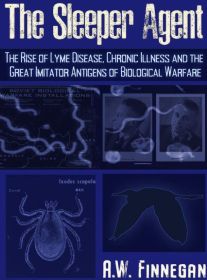
After COVID, the assumption was that we’d fixed the system. We didn’t. We are still relying on outdated detection methods in an era of engineered biology, where the next threat won’t announce itself until it’s already everywhere; that is biowarfare.
Finnegan is available to break down why this threat is not speculative but structural. Current U.S. bio-surveillance systems are designed to identify known pathogens. They are far less capable of recognizing something engineered to evade detection or something entirely new. By the time unusual symptoms trigger alarms in hospitals, the opportunity to contain an outbreak may already be gone.
Say Bye-Bye with Biowarfare
Finnegan can explain how modern biological threats have evolved beyond traditional frameworks of biowarfare. The concern is no longer limited to deliberate, large-scale attacks, but to subtle, deniable deployment of biological agents that spread silently and exploit the very gaps built into detection systems. In that context, the presence and movement of Iranian biological materials during a period of instability is not just a regional issue but a global one.
He can also speak to the broader national security implications. Biological materials developed under the guise of legitimate research can be repurposed quickly, and in chaotic environments, control over those materials can degrade. That creates opportunities not only for state use, but for loss, theft, or unauthorized deployment.
Most importantly, Finnegan argues the deeper story is domestic vulnerability. Years after COVID exposed systemic weaknesses, the United States still lacks the infrastructure, coordination, and speed required to respond to a fast-moving biological event. The result is a dangerous imbalance in which adversaries can operate in the shadows, while detection lags behind.
Finnegan offers a clear-eyed assessment of what has changed, what remains dangerously outdated, and what must be done before a biological threat moves from theoretical to unavoidable.
Adam Finnegan is a survivor of Lyme disease and immune tolerance and has been battling health problems since he was young, with the onset of a chronic disease in 2016. He is a writer, graphic artist and designer, and avid reader and researcher of history, biological warfare, esoteric philosophy, spirituality, and the Western Mystery Traditions. He has made a special study of the life and work of Erich Traub and the science of immune tolerance. He has collected and translated to English all of Traub’s published research. He lives in Cape Cod, Massachusetts, peacefully by himself, where he enjoys BMX biking, fitness, study, the arts, and self-development.