
Signs of Life, May 1, 2026

Signs of Life with Bob Ginsberg
The Intersection of Psychology and Mediumship in Grief Recovery
Guests, Sirry Berndsen and Dr. Mo Hannah
This episode of Signs of Life features a deep-dive conversation between host Bob Ginsberg, clinical psychologist Dr. Mo Hanna, and certified medium Siri. The discussion highlights the powerful synergy between psychological frameworks and spiritual mediumship, introducing their upcoming collaborative podcast and exploring innovative grief recovery techniques like Induced After-Death Communication (IADC).
The Synergy of "The Psyche & the Soul"
Dr. Mo Hanna and Siri are collaborating on a new podcast titled The Psyche & the Soul, born from their shared work at grief retreats. They argue that psychology and mediumship are "good bedfellows," where clinical expertise in trauma and grief complements the spiritual validation provided by evidential mediumship. While mainstream colleagues might have once frowned upon such a partnership, the guests emphasize that integrating the science of the afterlife with psycho-spiritual components is essential for raising a mourner's "frequency" and facilitating recovery.
Evidential Mediumship as a Witness to Trauma
Siri, who transitioned from atheism to mediumship over 25 years ago, views her role as more than just providing "readings." By moving through a client's "timeline," she can identify specific traumatizing moments in their past, providing a sense of recognition and witnessing that aids the healing process. This approach often brings through profound messages of forgiveness from the deceased, particularly in cases involving difficult relationships or complex deaths like murder-suicides. This "energy work" helps bypass the analytical mind to reach the heart center.
Navigating the "Windows and Waves" of Grief
A central theme of the discussion is the non-linear nature of mourning. Dr. Mo introduces the concept of "windows and waves"—where "windows" represent periods of clarity and connection, and "waves" are the inevitable returns of intense pain. Rather than viewing waves as a lack of progress, Dr. Mo suggests "embracing the wave" as a testament to the depth of love for the deceased. Host Bob Ginsberg emphasizes that while waves are a "given," having tools like journals, previous reading recordings, and IADC experiences provides the "mechanism" to dig oneself out of the valleys of despair.
Induced After-Death Communication (IADC)
Dr. Mo explains IADC, a technique refined by the late Dr. Allan Botkin. Adapted from EMDR (Eye Movement Desensitization and Reprocessing), IADC targets the "core of sadness" and fear. By integrating traumatic memories into the brain's background, the person’s internal frequency shifts, making them naturally more receptive to spontaneous after-death communications. Practitioners find that when sadness is reduced toward zero, the likelihood of a profound connection increases significantly.
The discussion underscores that grief recovery is a multi-dimensional process involving the physical, psychological, and spiritual. By combining the evidential "knowing" of mediumship with clinical tools like IADC and the support of in-person communities, the bereaved can transform their relationship with loss, moving from acute suffering to a sustained, loving connection with those on the other side.
Guest, Sírry Berndsen
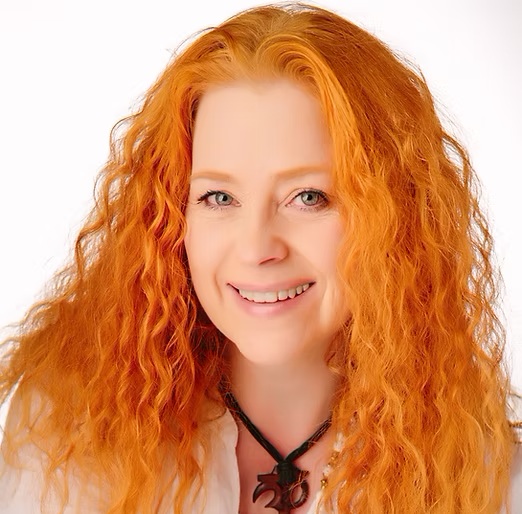
Sirrý has been blessed with the gift of mediumship throughout her life. Since childhood, she has recognized her remarkable clairvoyance, empathy and vivid dreams. In time, she came to embrace her unique abilities, and use the gift to heal and comfort those who had lost loved ones through the power of mediumship and support with bereavement.
Prior to entering the world of communicating with spirit, Sirrý trained and studied intensively as an artist, earning her masters in visual art. Her keen eye and creative sensitivity, developed through years of dedicated study, inform her distinct visual accuracy in mediumship.
She holds a dual degree MFA from Tufts University and School of the Museum of Fine Arts in Boston, as well as BFA degree from AKI and Royal College of Fine Arts in The Netherlands, and Associates degree in Journalism and Mass Communication, from The University of Iceland.
Her extensive study of Mediumship, Consciousness and Meditation includes among few, the well renowned Arthur Findlay College, in United Kingdom, as well as Omega Institute in Rhinebeck NY and Kripalu Center for Yoga and Health.
Sirrý is a Grief Recovery Specialist.
She is a Certified Medium by Forever Family Foundation, and Swampscott Church of Spiritualism, and she holds a Past Life Regression Therapy Certificate from The Weiss Institute.
Sirry is a Certified Master Teacher at LWISSD - International School of Spiritual Development
She's lived all around the world, in Europe, Middle East and USA and speaks several different languages. She understands the fluidity and complexity of many different cultures. A gift she uses frequently in her mediumship.
Since harnessing her gift, Sirrý has dedicated her life to achieving excellence in mediumship. She has utilized every opportunity to master how to truly use the tool of communication with Spirits.
Sirrý is a positive spirit, filled with light. She believes in miracles, because she sees them happening each day, all around her and every one of us.
Sirrý is a Boston MA based Intuitive & Medium, she is also a Reiki Master.
Guest, Mo Hannah
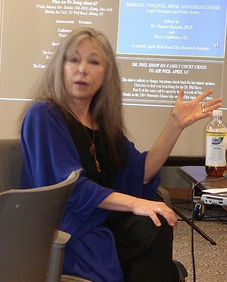
Mo Therese Hannah, Ph.D. is an Associate Professor of Psychology at Siena College. Loudonville, New York. As a practicing clinical psychologist specializing in couples therapy, she is an Advanced Clinician in Imago Relationship Therapy and serves as an Academic Faculty Member of Imago Relationships International, the professional training organization for Imago Therapy. Having served since 1996 as Editor/Managing Editor of the Journal of Imago Relationship Therapy, she has published five books and produced numerous articles and presentations on topics related to relational psychology.
With Joe Marrone, Ph.D., she is the author of The EQ (Social-Emotional Intelligence) Program, which teaches elementary aged children the principles and practices of good character and of equitable and respectful relationships. Dr. Hannah directs the EQ Program at Siena College, in which Siena students are trained to teach the EQ lessons to children in Capital District-area schools.
Dr. Hannah's interest in abusive dynamics and their impact on interpersonal relationships and in forensic psychology led her to plan and chair the first Battered Mothers Custody Conference (BMCC), held January 9th and 10th 2004 at Siena College. At that conference, many of the nation's leading attorneys, batterers' intervention experts, authors, and advocates working in area of battered mothers custody issues gathered to present their cutting-edge knowledge and experience. The second BMCC is slated for January 8th and 9th, 2005.
Signs of Life
Signs of Life Radio Show is a unique radio show dedicated to the exploration of Life After Death!
Call In or just listen to top Scientists, Mediums, and Researchers discuss their personal work in the field and answer your most perplexing questions.
Topics will include: Mediumship, Near Death Experiences, Death Bed Visions, Reincarnation, Apparitions and Poltergeists, After Death Communication, ESP and Telepathy, Survival of Consciousness, and the list is endless!
Programming Schedule for Signs of Life, a Forever Family Foundation production
- First Thursday of each month: The Gathering with Bob Ginsberg, Tom & Melissa Gould, and Marta Kane
- Second Thursday of each month: Medium Insights with Roman Karpishka interviewing a FFF Certified Medium
- Third Thursday of each month: Mediums & Messages with Joe Perreta with a Psychic-Medium (giving readings)
- Fourth Thursday of each month: Personal Experiences with Dr. Betty Kovacs, Janet Mayer and Kimberly Saavedra
- Fifth Thursday of each month: Signs of Life with Bob Ginsberg and guest (when there is 5 weeks to the month)
Signs of Life Radio Show is a unique radio show dedicated to the exploration of Life After Death! Call In or just listen to top Scientists, Mediums, and Researchers discuss their personal work in the field and answer your most perplexing questions. Topics will include: Mediumship, Near Death Experiences, Death Bed Visions, Reincarnation, Apparitions and Poltergeists, After Death Communication, ESP and Telepathy, Survival of Consciousness, and the list is endless!
[00:03] Speaker 1: Welcome to Signs of Life: Exploring Survival of Consciousness, brought to you by Forever Family Foundation. On the web at foreverfamilyfoundation.org.
[00:15] Speaker 2: I call your name. The echo is haunting. The echo is always the same. I call your name. The echo is haunting. An echo can never be changed. So I call your name. Your name.
[00:47] Speaker 3: Hello, and welcome to Signs of Life Radio. I'm your host, Bob Ginsberg, and today's guests are people, uh, that you may be familiar with. If you've ever been to a grief retreat, you certainly know Dr. Mo Hanna, um, and you've probably seen Siri at, at a number of them too. So, uh, uh, Dr. Mo, uh, listen, w- we've introduced her a thousand times, right, Mo? Uh, I- I think. But, um, she's a-
[01:13] Speaker 4: Five thousand times.
[01:14] Speaker 3: Five thousand, yeah. She's a, you know, a professor of, of psychology. She has a clinical, uh, uh, practice. Uh, she, uh, comes to every single one of our grief retreats because she's simply no better... there's nobody better than, uh, um, at counseling people that are going through grief than Mo. Um, and Siri has been a certified medium with S- with the Forever Family Foundation for... I have no idea how many years now, but y- I'm sure you know, Siri. Tell me.
[01:55] Speaker 5: Well, I- I should know this by now, um, mute button.
[01:58] Speaker 3: (laughs) Well-
[01:59] Speaker 5: Um, I think it's, uh, wasn't it- I remember, I remember exactly the day that you called me and you said that I passed the test. I was walking on Beacon Street in Brookline, Massachusetts, and I'm tempted to say it was either in 2011, maybe 2000- uh, around 2011 or 8.
[02:14] Speaker 3: Okay. All right.
[02:15] Speaker 5: Yeah.
[02:15] Speaker 3: So we have a longstanding-
[02:17] Speaker 5: October.
[02:17] Speaker 3: ... standing relationship, and Siri's, um, obviously a certified medium with Forever Family Foundation, and she has her own, you know, private practice. So this, this is interesting, a twist, you know, the two of you, um, on, on the show together. And, and I hear strong rumors that th- the both of you are starting a podcast. Tell me about that. Before I-
[02:40] Speaker 4: Yeah, we are.
[02:42] Speaker 3: Yeah, well-
[02:42] Speaker 4: Yeah, we are. We are because, um, y- you know, psychology and spirituality or, you know, mediumship, th- they're, you know, they make good bedfellows, r- you know? As we know from when we hold the grief retreats, and we include all of that, you know? We include plenty of mediumship. We include the science of the afterlife, and we include the psychological, some might say the psycho-spiritual components of transforming grief, recovering from grief, raising our frequency, making connections with our deceased loved ones. So we really feel that we, we complement one another in terms of our, you know, our experience and what we focus on. And, um, just like we do at the grief retreats. So, we sort of hatched up this idea over probably about the past year or so, and we have just begun, uh, producing our, our show.
[03:35] Speaker 3: Okay. And, and of course you'll let us all know when you're ready to go.
[03:39] Speaker 4: Yeah.
[03:39] Speaker 3: And we'll put it up on our website. But it's interesting you say that, because when we... Going back to, let's say, when we first started Forever Family Foundation, the prevailing thought would be that a psychotherapist teaming up with a medium would be kind of unheard of, you know, or, or, uh, certainly maybe even frowned upon by the mainstream, some of your colleagues.
[04:02] Speaker 4: Mm-hmm.
[04:02] Speaker 3: And yet today, um, it's not unusual, you know? So I mean-
[04:07] Speaker 4: Right.
[04:07] Speaker 3: ... w- so what does a qu- a qualified evidential medium bring to the table from a, a grief perspective?
[04:15] Speaker 5: So, this is actually, this is such a good question, because when I first started out about 25 years ago, (clears throat) um, 26 years ago I think it was, um, almost, um, then I mean, I could have gone two ways with my work, because I was an atheist, and then I started studying this, and it was, it came very naturally to me. And I could have gone down the path of becoming sort of a psychic, and working in a little metaphysical shop and all of that. But I knew in my heart that I needed to do something more. And so, because of the Forever Family Foundation, um, I began moving more towards understanding grief. So I did a couple of the grief certificates, uh, that are being offered these days. And so I've been more interested in healing the grief and how to bring the afterlife into, uh, the life that we're living here. I've always been more interested in that, especially in the last few years, not necessarily like sort of giving the psychic readings. I mean, I do do them.
[05:10] Speaker 5: Um, but I do them with a little bit of a different spin, I would say. So, so that is, I think it is because of the Forever Family Foundation that I found myself more interested in that part, because how can we move through grief with more of an ease? So that is sort of where I went with it.
[05:26] Speaker 3: Yeah. Again, a little bit of a, a sort of a dangerous territory is how, uh, it seems that there are many people that look upon, um, mediums as grief professionals, um, you know, because they're interacting with the public on a daily basis, so people that are kind of, um, really on the fence about, you know, whether there's an afterlife or not. Um, and, y- you know, there are mediums, like yourself, who have been trained in, in grief, you know, but there are many who have not. Um, and, um-...
[06:03] Speaker 3: the, I think that the way that they deliver the information is a little bit different, you know, maybe the compassion and empathy that they have for their clients is different, but, um, do, do you think your training in grief, Siri, has, has helped you-
[06:18] Speaker 5: Oh, for sure.
[06:19] Speaker 3: ... in your, in, in, in your mediumship?
[06:21] Speaker 5: Oh, absolutely.
[06:22] Speaker 3: And-
[06:22] Speaker 5: Absolutely.
[06:23] Speaker 3: How so?
[06:23] Speaker 5: Yeah. So, uh, it is really interesting. I do think that the compassion does, uh, it does play a huge role in this. But also what is interesting, because of my ability to move through timelines on the Earth plane, that, for instance, if I'm doing a psychic reading, um, I am able to move into very specific moments when somebody was, for instance, 14 years old, they went through this thing that would've been traumatizing. And then as the medium, as the intuitive, I can move into an- another phase, like, you know, when they were, like, 21, or... And I can move through a timeline like this, and I actually learned that in one of the grief things that I studied, that, uh, when you move into a timeline and you highlight very specific points in a person's life, there's a recognition that takes place.
[07:07] Speaker 5: And then when it comes to, uh, the, sort of the grief work also in a different, uh, aspect is, um, being a witness to another person's grief, because I think that too many people are, um, I mean, uh, hopefully most people that go and find a therapist when they're going through grief, but also having a witness to the troubles and the grief and the trauma that someone has been through, um, I think it actually plays a huge role. And, um, so I'm able to use it in sort of in a three-dimensional way, but also in a spiritual sense, if I can say that.
[07:36] Speaker 3: Mm-hmm.
[07:37] Speaker 5: And, and I do a lot of, um, reflection when I see very specific points in a person's life. Um, and even if a person is in the afterlife, they can then also reflect on, um, you know, for instance, if there's somebody that passed away that was quite horrible to their kids, um, you know, it does happen, whether it is a mother or da- you know, father. It could be somebody that was an alcoholic, for instance. And they will see, um, how they treated people in the earth life, you know? And so, the grief that comes into it is, is oftentimes they will come through with a profound sense of forgiveness for having causing the other person grief. Do you see what I'm saying? So it's sort of, I can really intertwine this into the work that I do, so it's not... When I work as a medium, I'm not just bringing through like, "Oh, I have your father here, he is this old, and he died from this." That's not my style. I really work with the energy. That's how I do it.
[08:27] Speaker 3: Yeah, so what you're saying, the pe- the, the, the, the souls on the other side, um, they... You're able to, um, pick up from them the good and the harm that they caused to others, sort of like what they saw in their own life review when they died?
[08:45] Speaker 5: Yes.
[08:45] Speaker 3: Yeah.
[08:46] Speaker 5: Yes.
[08:46] Speaker 3: What's that?
[08:46] Speaker 5: Exactly, yeah. So, it's really interesting, um, years ago I did a reading for someone who actually had, um, there was a murder-suicide, and he was able to come through with profound information about what happened, but then also with remorse that he had caused the rest of the family that was still on the Earth plane. So, um, yeah, so it really is about moving with the energy, but then also, for instance, when there's profound love, for instance, for, with people that have been together, for instance, for like... Um, today I did a session, and I said to the young, uh, to the young person on the Zoom, I said to them, "Oh, they've been together for eons." Do you see? Then of course, me as the medium, in the back of my mind I'm asking, "What do you mean by eons?" So they were like married for like, half a century. Do you see? So there's, I can top into the love, so that is also quite, quite interesting to me.
[09:34] Speaker 3: Yeah, well, that, that's interesting, surely. Um...
[09:37] Speaker 5: Yeah.
[09:37] Speaker 3: I should mention that I forgot to mention that in case you had a, wanted to join in and had a question for Siri or Dr. Mo, the number here is 888-627-6008. Uh, Mo- Mo, uh, when, um... (sighs) You, you integrate, you know, sometimes you'll do a referral for a, to a m- for a medium during your, your, your pro- treatment protocol?
[10:10] Speaker 4: Uh, absolutely.
[10:11] Speaker 3: Yeah.
[10:11] Speaker 4: And only through Forever Family Foundation certified mediums. You know, not that there aren't competent or excellent mediums out there outside of that, but I can't attest to that.
[10:21] Speaker 3: Yes. Right.
[10:21] Speaker 4: So always do Forever Family Foundation certified mediums 'cause I know that they will get a high-quality reading.
[10:27] Speaker 3: You know, it's, it's interesting because you almost envision, I don't know, y- if, if you probably thought about this, but, d- d- y- did you ever envision, you know, somebody such as yourself with a clinical practice also have a, a, a certified medium on your team?
[10:47] Speaker 4: Mm-hmm.
[10:47] Speaker 3: So in other words, that you, you would do so-called traditional, you know, therapy, and then they would move on, you know, to the medium? Uh-
[10:56] Speaker 4: Mm-hmm.
[10:57] Speaker 3: Yeah. Is that-
[10:59] Speaker 4: I- i- if, if I didn't imagine it before, e- why didn't I? Because I, again, I think that they work very well together. And I've seen this with... When I have a grief client, and I, you know, the therapy, I don't know if you would call it conventional therapy, it's my own style, just like every therapist has their own style.
[11:18] Speaker 3: Yeah.
[11:18] Speaker 4: It's influenced by spiritual concepts as well as by psychological, you know, theories and practices. But I refer people, for example, to the grief retreat, and I've had a number of people that have gone to the re- grief retreat, you know, that, that I've worked with in my office, always with excellent results. And, you know, a big part of the whole picture wh- where, you know, grief recovery involves many different, it's many different dimensions because grief affects us on so many different dimensions. So the physical, the psychological, lifestyle, social, relational, all those things.
[11:53] Speaker 3: Yeah.
[11:53] Speaker 4: Um, but that connection that is inarguable that a good medium makes for that person, for the person who is bereaved, is, in my book, that's irreplaceable, okay?And then, the rest of it, as I- as I say at the grief retreat, you know, this is what you do between mediumship readings. Not that you're gonna get one every month or anything like that, but you know, I know a number of people who will get two or three, and it helps, but it's not the whole picture. So, when you put everything together, the self-work, you know, the mental work, the emotional work, you know, the- the internal work, the letting go, the acceptance, the- the- the raising of the frequency that enables people to, you know, make contact over time, certainly, over time, being open to signs. All of them, it fits together like hand and glove, I think. And Siri, you can tell me what you think, but I think it- it really does.
[12:51] Speaker 4: I think they go together very well, even though they are distinct realms of- of practice and experience.
[12:59] Speaker 5: Well, I think it's a really good point, if I may sort of, uh, just interject a little bit. You have, for instance, I don't see that part of it. I only see a person, like, I might have a client in my office one time or on Zoom one or two times. I don't see how they transform their grief. I never get to see that.
[13:17] Speaker 4: Mm-hmm.
[13:17] Speaker 5: So, I think that, um, for instance, um, with you, Mo, you work with them, and then you may send them to one of the certified mediums, and then you see whether or not there is transformation.
[13:28] Speaker 4: Yeah, yeah.
[13:29] Speaker 5: It's amazing.
[13:29] Speaker 4: So, I'm very privileged to be able to see that.
[13:32] Speaker 5: Right.
[13:33] Speaker 4: I had a, um, a mother/daughter pair as- as- as clients, um, the- the- the son, the brother, the son, um, took his own life, and it- it- it just blew them out of the water as- as typically that kind of loss does. All losses do, but especially that kind of loss. And, um, they went to the grief retreat, and it- it really elevated them. It- it- it- it wasn't the therapy alone. I don't think it was even the grief retreat alone. I think it was putting it all together that helped them to really, uh, really, really move forward in- in their progression.
[14:12] Speaker 3: Yeah, and that's why we all continue to do the work that we do because we get to- ... see these transformations and can't put a price on that. Um, let's take a caller. We have, um, Debbie from California. Hi, Debbie
[14:27] Speaker 2: Hi.
[14:28] Speaker 3: Hi.
[14:28] Speaker 2: How are you guys?
[14:30] Speaker 3: How are you? We're good.
[14:31] Speaker 5: Good.
[14:31] Speaker 2: Debbie, and my husband Ron is here, and I just wanna say hello to the three of you. I've been to two gr- my husband and I have been to two grief retreats, and, um, I've worked with Mo. We flew into New York, and I had the IADC, and then Siri gave us the most powerful reading at one of the grief retreats. And, um, before my question, I just wanna tell you, it occurred to me the other day 'cause I've been working really super hard on myself. We lost our son. Um, he took his life, and it was, blew us out of the water. And, um, I just wa- it occurred to me 'cause I- I mean, I read voraciously, and you guys, and including the other mediums, Mo, like all of you guys, even Bob, like you guys are like literally on Earth, incarnated, my spirit guides, for sure. And people always say spirit guides are, you know, you know, in the afterlife, but I- I count you guys as mine.
[15:36] Speaker 2: So, um, my question is, I've worked with Mo, and I've had, um, unbelievable success with IADC, and this was after two retreats. And I came home, and I really had a strong connection with our son, really super strong. I mean, he was everywhere. And then, it just faded out, and then I found myself not going down to the level of just, um, just heartbreak and all of the things when you lose your baby, right? But I could feel myself going down into, you know, the- the hard, the hard part. And I'm really, really working on myself. And the question is, is like, do you, especially with Mo and Siri, both of you guys, like as- as you were just saying, it's one whole, you know, organism, all of you guys, with all that you do. And, um, is it normal to go through waves? Like, you're feeling your vibrations are higher. You're feeling connected. You're feeling all this for several months, and then all of a sudden, you feel like you're in this dry patch.
[16:52] Speaker 2: It's just, the- the grief comes again, the- the, you know, the longing and the frustration. Is it normal to have waves in and out? And I've been, we've been two and a half years without our son.
[17:06] Speaker 3: Mm-hmm.
[17:06] Speaker 2: So, I just wanna know if that's normal in your experience.
[17:10] Speaker 4: Mm-hmm. Yeah. I would say, you know, if- if you recall, one of the things, uh, that I bring up at the grief retreat is the notion of windows and waves. And just because it's been-
[17:21] Speaker 5: Right.
[17:21] Speaker 4: ... two and a half years, just 'cause it's been five years, just because it's been 10 years, just 'cause it's been 20 years doesn't mean you aren't going to have a wave. And that's, the wave is when, you know, you're doing fine. You're, you feel like you're up for breath, you know, you can- you can- you can relax a little bit again. You can enjoy things again, and then the wave hits you. It's the nature of grief.
[17:42] Speaker 5: Mm-hmm.
[17:43] Speaker 4: It's- it's idiosyncratic. It's unique to each person, but there are certain trends. And my guess is that, you know, just like you had this wonderful window where you had connection with your son, you had a powerful IADC, you had a powerful reading, that's the window, and then there's gonna be a wave. Just remember, it's all temporary. Everything's temporary anyway. Our- our life on this planet-
[18:04] Speaker 5: Right.
[18:04] Speaker 4: ... is temporary. Those feelings are temporary. Just-
[18:07] Speaker 5: Right.
[18:07] Speaker 4: ... go with the flow. Let yourself feel what you feel til you don't feel it anymore, and it will pass just like the wave on, that crashes on the shore recedes.... and then you're in the clear again. And, and try to just go with it, Deb, be- because this is the nature of grief and it, it means n- this does not mean that your son isn't powerfully with you throughout all of this.
[18:31] Speaker 2: Uh-huh.
[18:31] Speaker 4: And Siri, I'm sure you can, you can affirm that.
[18:36] Speaker 5: Yeah, so I would say I think it's very normal, um, whether it's, uh, a year, two years, three years, five years. I think the time is almost irrelevant. Um, what is interesting also, for instance, when I work, um, especially when I'm, uh, sort of on the, in the one-on-one, that, um, spirit, they live with us. You know, there's always this question, you know, where's the spirit, where's the spirit world? In my experiences are that they follow us, they live with us. When we really are longing to have them next to us, they are there with us.
[19:09] Speaker 5: But I do think that on this one-
[19:11] Speaker 2: Uh-huh.
[19:11] Speaker 5: ... Mo definitely would know, um, that grief can sometimes bring our, sort of the human emotions really down. And so it is, it is really hard to lift it up. And, uh, I think a lot of the-
[19:23] Speaker 2: Totally.
[19:23] Speaker 5: ... yeah, I think a lot of the, um, F of, of mediums, I think a lot of us have, um, regular clients. You know, like, we have clients and they seem to resonate, you know, they're loved ones in the spirit world, they seem to resonate with us. And so, um, I've had some people that book very regularly on anniversaries, et cetera, et cetera, because they just want to have that moment with their loved ones. And there's always new information.
[19:48] Speaker 2: Uh-huh. Uh-huh.
[19:48] Speaker 3: Yeah. I, I might, I might add that, you know, it's not a question of if you're gonna have the waves. I mean, it's a given, you're gonna have the waves, you're gonna have the peaks and the valleys. But, um, if when you reach those deep chasms of despair, you have, if you have the mechanism to dig yourself out, if you can refer back-
[20:13] Speaker 2: Right.
[20:13] Speaker 3: ... to the, the tools that, uh, Mo talks about, if you ref- refer back to an incredible-
[20:18] Speaker 2: Mm-hmm.
[20:18] Speaker 3: ... reading that you may have gotten from Siri or another medium. Um, if you can refer back to, you know, an IADC experience that you had, you know, that was ... How is that possible?
[20:29] Speaker 2: Mm-hmm.
[20:29] Speaker 3: You know, (laughs) and you know, or if you just refer back to your journal, if you journal things. I mean, I used to do that-
[20:35] Speaker 2: Mm-hmm. Right.
[20:36] Speaker 3: ... and I'd say, "W- wait a second. This can't by my imagination." So, and there are those that will never have those tools. I certainly didn't have any of those tools when my daughter passed.
[20:46] Speaker 2: Right.
[20:46] Speaker 3: Um, so, um-
[20:47] Speaker 2: Right.
[20:48] Speaker 3: ... you know, but, but once you, y- you know, those, as Mo will tell you, those who believe that our loved ones still exist in some form do better in their grief than those who don't. It's j- it's a fact, and it's logical, right?
[21:00] Speaker 2: Right.
[21:00] Speaker 3: 'Cause what else could give you any m- hope or comfort than the knowledge, um, the, and-
[21:06] Speaker 2: Mm-hmm.
[21:06] Speaker 3: ... and I mean knowledge, the knowing that they still exist. So, I think, uh, as Mo said, it's a com- it's a, it's a, a combination of all of these things, you know, taken together. But if you, if you don't, um-
[21:18] Speaker 2: Um-
[21:18] Speaker 3: ... if you don't journal, I'd recommend you do so.
[21:22] Speaker 5: And also, if I may interject-
[21:23] Speaker 2: Okay.
[21:23] Speaker 5: ... to the journaling, if you begin to journal, and there w- there will be moments when you feel almost there's this cold, tender touch on your neck or on your hand, or close to you, uh, then that is your loved one that is standing right by your side. There's, it's, it's very interesting, it's very subtle when it happens, and it's actually something that a lot of mediums that do teach this. But you will feel almost as s- if somebody is touching your hand, or if there's sort of this, uh, sort of cold gust of wind.
[21:52] Speaker 2: Where you can feel it.
[21:53] Speaker 5: Yeah.
[21:56] Speaker 2: Uh, um, a follow-up. When we lose our loved ones, no matter who they are, I feel for me personally, and of course I can't speak for anybody else, but there is a reason, there is a purpose. And for me, my reason is the whole process is teaching me to, to raise my vibrations higher, to do my work, to do my spiritual work, which wasn't even a thing before. I mean, it was, but it wasn't, you know? 'Cause, you know, my son's around, we can have barbecues or whatever, and then you think of that, all that later. But now, it's like a full-time job. So, my question is, with the waves, the waves of, when you're, when you're, when the waves are receding and you're now feeling, um, lower, or you're feeling whatever that is, and you're not on a high, you're not feeling connected, is that indicative of your progress personally, like me as the mom? Is that indicative of the work I'm doing isn't working? (laughs) You know what I mean?
[23:03] Speaker 4: You know, I would say the wave-
[23:05] Speaker 2: I don't know. I don't know if that's...
[23:05] Speaker 4: ... the, the, as Bob says, the waves are inevitable. If, if, a couple of things. If they become shorter and fewer and far between, you are making progress, and I bet you def- I bet you you've made progress, okay? The waves get shorter-
[23:20] Speaker 2: I have. Been seeing you for sure.
[23:20] Speaker 4: ... the waves get shorter. Yep, you recover more quickly. But there's another piece to this that I wanna say that sounds kind of, um, contradictory, which is, can you embrace the waves as well as the windows?
[23:33] Speaker 2: Oh, oh.
[23:33] Speaker 4: Is it possible to embrace the waves? 'Cause I know when I go-
[23:36] Speaker 2: Yeah.
[23:36] Speaker 4: ... into a wave, I'll, I'll go into a wave once in a while. And i- in a way, this is gonna sound very strange, but it, it feel, it almost feels good. Because just like that love we have-
[23:47] Speaker 2: Really?
[23:47] Speaker 4: ... ye- well, because it, it's my connection with her. I wouldn't be having this wave if I didn't love her so much.
[23:55] Speaker 2: Exactly. Interesting.
[23:56] Speaker 4: And the same thing with the windows. The, the windows that we feel that connection in a different way. We feel it through the love. So, even though we much prefer-
[24:04] Speaker 2: Mm-hmm.
[24:04] Speaker 4: ... to feel the love over the pain, we love, we, we prefer the joy over the, over the suffering.
[24:10] Speaker 2: Mm-hmm.
[24:10] Speaker 4: Both of those experiences can feel like a connection. And even when we cry-
[24:15] Speaker 2: There's a- the same thing.
[24:16] Speaker 4: ... you know, those tears, right? They're precious tears. They connect us powerfully and emotionally to the presence of o- of our loved one.
[24:24] Speaker 2: Mm-hmm.
[24:25] Speaker 5: I would also like to just-
[24:26] Speaker 2: Okay.
[24:26] Speaker 5: ... really quick, um, when we talk about raising our vibration, I remember initially when I was first starting to, uh, um, study mediumship, they would always say, "Raise your vibration," and I was overthinking it.
[24:39] Speaker 2: Mm-hmm.
[24:39] Speaker 5: And I got to a moment when I started realizing, I'm not gonna raise my vibration. I'm not gonna put this effort into ... But what, what I'm gonna do, I'm gonna really connect with my heart center. And so instead of overthinking raise your vibration, just go into your heart center and just really bring in the memories and the love, and feel the love.
[24:58] Speaker 2: Oh.
[24:59] Speaker 5: And try that connection.
[25:00] Speaker 2: And then it automatically raises. Yeah, then it raises.
[25:04] Speaker 5: Yeah.
[25:04] Speaker 2: Oh, okay.
[25:05] Speaker 3: Well-
[25:06] Speaker 2: All right, this helps. This helps.
[25:08] Speaker 3: Well, well thank you, Debbie.
[25:09] Speaker 2: I think-
[25:10] Speaker 3: And, uh, appreciate your kind words, and I'm glad you called in. And, uh, we hope to see you again soon.
[25:15] Speaker 2: You guys are amazing, and if anyone out there is listening and you can have the opportunity of attending an atreat- a retreat, uh, uh, or even more the IADC was the most powerful thing that's ever happened to me, in conjunction with the retreat. And I'm just waiting for another one in my area and I'll be there. (laughs)
[25:36] Speaker 4: (laughs)
[25:36] Speaker 2: Again, thank you guys so much.
[25:39] Speaker 4: Thank you so much, Debbie.
[25:39] Speaker 3: Bye-bye.
[25:39] Speaker 2: Really.
[25:40] Speaker 3: Take care, Debbie. Bye now.
[25:41] Speaker 2: And you have no idea how they influence... Okay, bye-bye.
[25:45] Speaker 3: Okay.
[25:45] Speaker 4: God bless. Take care.
[25:46] Speaker 3: Bye-bye.
[25:46] Speaker 4: Okay.
[25:47] Speaker 3: All right, bye-bye. So, you know, lots of times we hear mediums say that, um, a person's grief can prevent a connection from taking place, or cause the sitter not to recognize information that's coming through. So, what are both your thoughts about that? Can grief prevent, you know, uh, non-physical communication, or, um, uh ...
[26:16] Speaker 4: Y- you know, in some people. I would say in some people, not in all people, 'cause I've seen all, I've seen all sorts of different variations on that. Because I've had clients who are pretty deep in grief, but they're getting a lot of signs. Sometimes they just need the validation, like, wow, yeah, that's a sign. Take that one, okay, to accept that one as a sign.
[26:37] Speaker 6: Yeah.
[26:37] Speaker 4: So sometimes the grief, you know, and the, and the, the, the s- the deep, deep sadness and the pain can, can actually ... Maybe the signs are there, but they're not able to embrace them so much, you know?
[26:49] Speaker 6: Right.
[26:49] Speaker 4: They, the people get into that, that doubting mind.
[26:52] Speaker 6: Yeah.
[26:52] Speaker 4: Now, the IADC model proposes that the, the heavy sadness, the heaviness of grief, which is the core of sadness, that's the IADC model, that that does block contact. That's, that's the theory. And then so that is the rationalization or the justification for working on the heaviest, most difficult, highest level of sadness that the person is experiencing. So we always work on the worst memory of the loss, the worst feelings around the loss, and we work primarily on sadness as well as fear.
[27:27] Speaker 6: Yeah. Well-
[27:28] Speaker 4: And there is something about the IADC process where, when the sadness goes down, which is what we work on throughout the IADC treatment, getting the sadness as close to zero as possible, that is when, and this is w- w- w- confirmed by IADC practitioners across the world and across time, that's when the IADC is most likely to have. So that, thus the theory that the sadness is what is blocking the, the after-death communication. That, again, it may not be true for every single individual. And I say that always in, it, when you're working with people, nothing's 100%.
[28:05] Speaker 3: Yeah. Well, now we sort of put the cart before the horse, because we've been talking about IADC but we didn't explain what it was.
[28:11] Speaker 4: (laughs)
[28:11] Speaker 3: You know, induced-
[28:12] Speaker 4: That's right.
[28:12] Speaker 3: ... after-death communication. So real quick, can you just tell us-
[28:17] Speaker 4: Yeah.
[28:17] Speaker 3: ... about that process?
[28:18] Speaker 4: Yeah.
[28:18] Speaker 3: (laughs)
[28:18] Speaker 4: Yeah. Well, she brought it up. Deb brought it up.
[28:20] Speaker 3: I know, I know.
[28:20] Speaker 4: So that's why we never talked about it. (laughs)
[28:22] Speaker 3: I know. (laughs)
[28:24] Speaker 4: So it's induced after-death communication is a technique, um, refined, I wouldn't say it was invented, but it was refined by Dr. Al- Albotkin, now the late Dr. Albotkin, a wonderful, wonderful person, psychologist, VA psychologist who discovered IADC. In other words, he discovered that EMDR, which is, he was trained in, which I myself also am trained in, is a technique that does something to the brain where the brain is able to ... This is the theory. The brain is able to take a traumatic event and integrate it more, more thoroughly into the brain.
[29:02] Speaker 4: So the way I put it is that this trauma of losing a loved one and you have these memories of what happened and the phone call you got and seeing the body or any other, their other, any other of those details that just stay with you like a flashbulb memory, the, the EMDR, which is modified for induced after-death communication, it's a, it's a more simplified version, does something to the brain where those traumatic memories and the deep sadness and sometimes fear, fear is another emotion we work with, but that, that fear or sadness becomes integrated. It becomes, I say that it becomes background as opposed to foreground. It is backstage in fr- instead of center stage. And so it helps to resolve the most traumatic aspects of the loss, the, the deep sadness surrounding the loss. And if you, if you resolve the deep sadness, what tends to fall away are emotions like anger and regret and guilt, which many people we say get stuck in, okay?
[30:02] Speaker 4: So resolving that deep sadness tends to make the person more receptive, and it's, it's as though the brain shifts in ter- Probably it shifts its frequency, okay? It's probably a frequency shift. And the brain becomes more receptive, the person becomes more receptive to e- experiencing an ADC. And many people have ADCs right at the end of treatment. That's, that's when we really go for the induced after-death communication, when the sadness and fear are, are down, as we say, at a, at a much more manageable level. That's IADC. It's a, it's a-It's a treatment that was, again, you know, uh, adapted from EMDR, eye movement desensitization and reprocessing, which is a, now an evidence-based treatment for trauma and, and other kinds of especially anxiety problems. This has been applied to a lot of clinical problems.
[30:52] Speaker 4: And, uh, so it's an adaptation of EMDR, and it's a, a two-day, one-and-a-half-hour each day treatment, uh, that many people, including myself, I was trained by Al Botkin, I was treated by Al Botkin, which was one of the reasons why I became a, a true believer in this approach, became an IADC therapist myself, and, uh, it's been, there's people all over the world, m- many countries in Europe, I should say, that have been, and in this country as well, that have been trained in IADC.
[31:21] Speaker 3: Thank you for that. That was a good summ- summation. Um, you know, I, I was thinking about this. We were talking about, you know, the grief retreats, um, and mor- and I realized this just last month at our, uh, our most recent grief retreat, which was for, you know, parents who, who lost children, and that, I mean, the content is great. I mean, the, the mediums are great, and your presentation is always great, you know, and then we have other talks about, you know, certain things. But I saw in, in, in the people that the most, um, possibly the most profound effect came from all of these people being in one place at one time, where every single person understood exactly the way they feel. There's some sort of therapy just in that, you know? And I go, I saw them talking with each other throughout the retreat and exchanging stories and, and, and so forth, so, uh, and that's why you could never do something like that online, you know? The s- it has to be an in-person thing.
[32:27] Speaker 4: Mm-hmm.
[32:27] Speaker 3: Uh, ultimately it's, they're all gonna walk away with something. It, it's that camaraderie, that understanding, um, th- the evidential, uh, uh, medium readings can be life-changing. You know, the, the, the tools and the understanding that you provide can also, um, turn on a switch, you know, (laughs) to, to, to greater meaning. So it's a combination, but I, I never, uh, discount the value of them just being together. It's really incredible.
[32:54] Speaker 4: Oh, absolutely.
[32:55] Speaker 3: I'm sure you would gr- you agree, right? Um-
[32:57] Speaker 4: Yeah, absolutely.
[32:58] Speaker 3: Do you, uh-
[33:00] Speaker 4: Well, and Bob, one, one thing I just wanna mention with, with this last retreat-
[33:04] Speaker 3: Yes.
[33:04] Speaker 4: ... uh, a- and several of our other ones, with the, the parents' retreats, so w- we have some retreats that are just for parents who have lost children.
[33:12] Speaker 3: Right.
[33:12] Speaker 4: And that has an especially profound social support effect, I would call it, okay? Where everybody in that room, except for, you know, the, some of the mediums certainly, but everybody in that room, uh, knows what it's like to lose a child. And i- I always call it a club you don't wanna belong to, and y- it's very, very difficult, I think, for people who have not had that experience to know what that is like, even though everybody's grief, of course, is, is individual and, and unique to themselves. But I think that theme is so powerful, and I always experience that at the parents' retreat.
[33:54] Speaker 4: All the grief retreats, I think, have a powerful social support effect, but-
[33:58] Speaker 3: Yeah.
[33:58] Speaker 4: ... especially the parents' retreat.
[34:01] Speaker 3: Yeah. I think e- each of you could answer this from different perspectives, but, um, when y- for instance, Mo, when you're talking with a patient, and you, either they or you bring up the subject of, of after-death communication, um, do you notice, um, do you encounter any fear on the part of the, of the, of the patient?
[34:25] Speaker 4: Yeah.
[34:25] Speaker 3: Uh, uh-
[34:26] Speaker 4: N- n- not usually. Not usually, no.
[34:28] Speaker 3: Not usually. Yeah.
[34:28] Speaker 4: It's, it's relatively uncommon for people to react to that question, and I do ask that question.
[34:35] Speaker 3: Yeah.
[34:35] Speaker 4: You know, "What is your sense of the afterlife?" you know?
[34:37] Speaker 3: Yeah.
[34:37] Speaker 4: "What are y- what are y- what's your experience with the afterlife?" Most of the time, you know, I'd say, you know, maybe 85% to 90% of the time, the person, at the very least, is open.
[34:47] Speaker 3: That's interesting.
[34:47] Speaker 4: And many times people will then reveal, they'll say, "Well, you know, this weird thing happened," and they'll talk about this experience they had that I say, "Uh, that's a sign," okay? (laughs) "You're getting signs." And, and they're al- it's, it's always a great conversation to have because it's validating something that, you know, those of us, n- newbies, to signs, you know, when you're first experiencing it like you did, you know, you have that, "Oh, I must be crazy," or, "No, I'm just imagining things," or, "I'm just making this up to make myself feel better" and stuff. But there's so many commonalities among people's signs and, and, and the impact of those signs, and the relief of grief, or the, the feeling of connection. So even just, you know, bring, uh, just bringing up the topic of the afterlife often can lead to a very productive discussion.
[35:33] Speaker 3: Yeah. What ab- but what about, Siri, when people, um, a new client comes to you, and they've never been to a, a, a medium before, do you sense some anxiety or, or-
[35:45] Speaker 5: Yeah.
[35:45] Speaker 3: ... n- not n- necessarily fear, you know? Yeah.
[35:48] Speaker 5: Um, I would say it, it's r- this is also a good question. It sort of depends. If it is a person that has, uh, found me through a word of mouth, then oftentimes, and they haven't done their research, um, they oftentimes can... I'm not saying all the time, but it can happen. More often, maybe, that they can be quite analytical. Because the way I work, for instance, 'cause every medium is not always on, and that is a fact. You know, you can have a bad day, and it does happen to all mediums. Uh, once in a blue moon, it happens, there's a bad day, and so the connection is not pure. But also the way that I work, I usually start with some sort of, uh, evidential things, points that I, I call them my little golden nuggets, and when I start with them and they understand those, uh, and then I really get into the reading, into the session.
[36:34] Speaker 5: And what is interesting is, uh, new people that have done their research, that have actually gone to the Forever Family Foundation, they read a book, um, they read, uh, Laura Lynn's books, um...They've done the research. Um, then they may have read reviews, and then they have a better idea of what to expect. So people that have really looked into this whole idea, what is the afterlife, what does it mean to go to a medium, it is easier to flow with them than those that have just sort of like, "Oh, yeah, my friend told me about you." 'Cause oftentimes, they have no sort of sense of what to expect. Um, I would like to, uh, go back to this one thing that we were talking about, grief. Can grief, uh, can g- can, like, um, grief, um, hold people back in terms of getting a good reading? I think it really depends on this.
[37:24] Speaker 5: Um, the grief can be a factor, but also when you have a really good medium, when they- when a medium truly connects with the afterlife, and if they get really good and profound evidence in the beginning of a reading, and they are recording the reading, and then you continue with the reading for whether it's a half an hour, or one hour, whatever that may be, the evidence is just, it's loading on top of one another. Even when the person puts on the face, and- and they're like, "Well, I'm not sure," when they listen to it later, that's when we get the emails. And they said, "Oh, I did confirm with so-and-so this was true, and I did confirm with so-and-so." So, um, so a good medium should be able to sort of bypass the weight of the grief and to make a really pure connection with the afterlife. Um, I do think that on occasion, that some mediums, they may be too... It's kind of being pulled into the energy of grief. Uh, they may not have as strong a- strong of a connection sometimes.
[38:19] Speaker 5: That's sort of my guess. I'm not sure though, I can't speak for other people. But a really good medium has the ability to really blend with the energy and really merge with them, and so, um, there is a way to work with those that are really deeply in grief. There is a way.
[38:35] Speaker 3: Yeah. I, this probably has to do with my prior comment about possibly a, you know, a grief professional teaming up, you know, with a medium. But, uh, sometimes, you know, Siri, that people form these relationship with mediums, and- and- and they tend to talk about things that they wouldn't talk about with others. Hopefully, not during the reading, but when the reading is over.
[38:59] Speaker 5: Mm-hmm.
[38:59] Speaker 3: And you're, you know, you're smart and you're empathic, and you've had some grief training. And, you know, what do you do in a situation where you sense some possible suicidal tendencies, you know, or some deeper psychological, you know, issues? I mean, how do you handle a situation like that?
[39:17] Speaker 5: So, th- this is such a good question, 'cause, um, it's probably been about 10 years, and- and, um, it actually happened to me. There was a young lady, um, she drove for four hours to see me in my office, but she brought a friend with her. And, uh, she had a really powerful reading, and I know this because what happened after the reading, about, uh, uh, probab- probably about a week or so after the reading. Now, mind you, the friend that came with her, that drove with her, she was a bit of a shield, emotional shield. I also did receive an email from the family, and it said, um, "I found the recording of the reading in my kid's, um, on my kid's computer, and sadly, they took their own life." So this was a few years ago, and I- I'm gonna tell you this. When- when I got that email, I was so devastated. Like, I really was truly devastated by it, because I found myself thinking, "Why did I not pick up on that energy?
[40:09] Speaker 5: Why?" And I know it was because a friend was there, and so- so there was this incredible evidence with a family member coming through, but then also, there was a joyous atmosphere then also, partly in the session. Since then, um, I can... I would say, not all the time. Of- of course, not all the time, but I can sense it. And when it does happen, I actually, I- I give them extra time. I sit with them, I check in with them. Do you have someone to talk to? Do you have family? Do you have a therapist? Do you have someone to talk to? So that's what I do, but I also, I make a point of actually sitting with them. And like, for instance, when a person books with me, um, you know, it may say an hour and some minutes, but, um, I do know that sometimes I have gone over that and I've sat with people for two hours, you know, 'cause there's a little bit of chitchat. 'Cause I- I also, I do notice that people that have, they have such a- um, a- a yearning to speak to someone that gets it.
[41:06] Speaker 3: Right.
[41:06] Speaker 5: And that's kind of what happens also at the grief retreats.
[41:08] Speaker 3: Right.
[41:09] Speaker 5: It's, you know, they're in the club that, um, nobody wants to belong to, but they can be themselves. And so with me, they can be themselves.
[41:18] Speaker 3: Mo, you have any advice on that? I mean, for any medium who ...
[41:21] Speaker 4: Well, you know, in psychology, you do a standard, you know, when, w- as soon as somebody expresses suicidality.
[41:26] Speaker 3: Yeah.
[41:26] Speaker 4: You know, I think one of the, one of the problems is that oftentimes people are afraid to express that because they think you're gonna call the Men in the White Coats, you know?
[41:36] Speaker 3: Right, yeah.
[41:36] Speaker 4: And th- this is one thing I tell my students is that, you know, suicidal ideation, suicidal thinking is very common. That doesn't mean that it's not serious, but it's very common. During COVID, half of high school students had suicidal thinking, okay? Uh, suicide is actually the, um, second-leading cause of death in college students, okay? But many, many, many more people than take their own life, many, many more people have suicidal ideation, and most people do not act on it. When people are in deep grief, suicidal ideation is not uncommon at all. So I'm able to sort of see it within a certain context, you know? You know, it takes one to know one, right? When you go through, for example, the loss of a child, one of the most profound losses you can, you can experience in this lifetime, and it's- it's quite common for people to think about that, okay? I'm not gonna call the Men in the White Coats unless they have a means, they have a plan, they have an intention.
[42:30] Speaker 4: And of course, like Siri says, you always check in with them, you know? I'm- I'm their therapist, so I'm gonna- I'm gonna monitor them. I always tell them, "I want you to reach out to me. If you start getting increasing thoughts, you start getting more serious thoughts, I want you to text me, I want you to reach out to me, I want you to tell somebody." And we do a little bit of a contract. And that's a, kind of a standard fare.... in psychotherapy practice. But it- it- it's- it's something that I think people- i- it is- as paradoxical as it sounds, I think the ability to say that, to put that into words, like, "I don't really wanna be here anymore because I miss him so much," or, "I miss her so much," and to have somebody take that in context and- and sit with it and be compassionate around it, I think is- is very important therapeutically.
[43:16] Speaker 3: Yeah. Um, have either of you noticed, uh, um, people that you felt were- had an addiction to seeing mediums?
[43:28] Speaker 5: Oh, yeah.
[43:30] Speaker 3: You have? Yeah.
[43:31] Speaker 5: Yes.
[43:32] Speaker 3: What- and how do you handle that? I mean, the- the- the-
[43:35] Speaker 5: Um, so this is- I mean, this is going way back in time. Um, this is such- this- to me, this is also another really interesting point. Um, I was working at a very small shop, um, in Massachusetts, and there were a few clients that would- they knew my schedule. They knew, like, I was working on Tuesdays at that time, and- and then I was working on Thursdays at certain times, and they knew it. And, um, they would come when I was working, at least once a week. And, um, it didn't matter, like I could not say to them, like, "Don't come in," because, um, I was working at a shop. Um, now in my practice, um, I used to really follow this rule, like you should only see a medium once a year, and, um, and then I would try- I would actually try to send them to others, like we talked about a few years ago. So I would often s- send them to Doreen, or Doreen Malloy, or I would send them to Gina in New York. Like, I would sort of find mediums that I knew had very similar styles as I do.
[44:30] Speaker 5: But what is also interesting, they would maybe go to the other mediums, but then they would come back to me and- and they would like say, "Can I please see you twice a year?" And then I got to a point where I started realizing that I don't even look at my bookings anymore. But I started realizing that, um, having connection to a therapist and really good support system in your family is one thing, but then also for somebody who's, uh, deeply grieving, having access to a medium that maybe sees the medium every three months or something like this, it can be profoundly healing. And there was a lady, uh, that had lost both her parents within a very short period of time. I sent her to a therapist, you know, to a couple of different therapists, and she sa- she came back to me. She said, "It's not working.
[45:10] Speaker 5: Can I just, please..." So she spent maybe a year with me, like seeing me like every three months, and she found that more helpful than going to sit with a therapist, um, at that time in her life. And then I think she was able to sort of breathe again so to speak. So I do think that, um... So there's a way to sort of give them advice, and like, you know, find other methods, but I don't prevent them. Um, nobody's gonna be booking with me every week. That's not gonna happen. Because also, the other thing also, there was a time when I had 500 people on the waiting list. Uh, but then I changed my whole booking system, and now I book maybe a month or two out.
[45:46] Speaker 5: You know, so it's like people that can actually get a book- uh, they can book a session with me in June
[45:51] Speaker 3: Right. But-
[45:52] Speaker 5: Um...
[45:53] Speaker 3: ... Mo- Mo, from- from a professional perspective though, that could be addictive behavior, right? Could- people could become too reliant on- on mediums because they don't-
[46:03] Speaker 4: Well-
[46:03] Speaker 3: ... want to give up that connection?
[46:05] Speaker 4: Yeah. Well, it- it- part of it is- it depends upon how you define addiction, okay?
[46:10] Speaker 3: Yeah, yeah.
[46:10] Speaker 4: So we know that, you know, addiction is defined in psychology by the DSM. It is, um, tolerance and withdrawal. Tolerance and withdrawal. So tolerance means you need more of whatever it is you're taking in, whatever you're addicted to. You need more to get the same effect. And then withdrawal is you- you have sometimes physiological, but certainly psychological discomfort when you don't have access to whatever the substance is or whate- whatever it is you're addicted to. If, as Siri says, these encounters she has, even quarterly, let's say, you know, every three months, are profoundly healing, that's not an addiction, because it doesn't cause any- the person to have, you know, distress. It doesn't cause them to have breakdown. It doesn't- it doesn't cause dysfunction. I mean, one of the basic tenets of psychological diagnosis, if you- if you buy into it, is it has to cause impairment, okay?
[47:06] Speaker 4: I don't think getting, relatively speaking, frequent mediumship readings- assuming you can afford it, okay? Now, if- if- if you're, you know, spending money you don't have, maybe that's something else. But I think it's money well worth- well worth spending, to tell you the truth. And- and as she says, if it's profoundly healing, that's not an addiction, because it- addictions are not healing.
[47:28] Speaker 3: Right.
[47:28] Speaker 4: Addictions are self-destructive. Yeah.
[47:31] Speaker 3: Do you, um, you have any opinion on, um, how soon somebody should seek the services of a- of a medium after they suffer a loss?
[47:43] Speaker 5: I say follow your hearts.
[47:47] Speaker 3: Not to- no set time, just when it-
[47:49] Speaker 5: No, and I'll tell you- no, I'll tell you why. Um, so for instance, when we think about religion, an organized religion, organized religion will quote a book, and they will tell you, "This is how you should live your life." So organized is sort of controlled. Um, and, um, if a person is- um, is going through the loss, and there used to be, for instance, in the spiritualist church, they would always say, you know, "Wait three months," but then there's no time in the spirit world. So if there's no time in the spirit world, then how do you know that the person who just passed away, they're gonna, "Oh, it's three months. Okay, we're gonna go and see a medium"? Like that is a little bit of a- uh, in my mind is a bit of an oxymoron, because, again, if there's no time in the spirit world, then they will come through when it feels right.
[48:34] Speaker 5: So for the grieving person, I have this- I'm at a point right now where I believe that if there's an opening with a medium that is a good medium, good solid medium with good reviews and good reputation, if there's an opening for that medium, you know, the universe is then giving them an opportunity, even though it was maybe a month ago. So they're giving them an opportunity to sit with a medium.
[48:53] Speaker 3: Mm-hmm.
[48:54] Speaker 5: Now, um, so I, I think the universe is really working in our favor when it comes to that, as in if I was grieving and there was an opening with a medium, and it's an opportunity, um, I mostly would jump on it. But then again, like, is... At some point, is too soon, too soon? When a medium records their sessions, and, and like we've been talking about moving in and out of this grief, and moving, sort of moving with the ocean and, and all of that. I've never seen Mo's talks, so I don't really know what she's talking about, the windows and the... (laughs) You know. Um, y- so I'm a little clueless here. But, um, if a person has a recording of the, on the reading, then, and let's say it's just really hard at the time that they received the reading, they can then just put it aside and not listen to it, and then they can open the file later and they can listen to it, and it may, it may have a different, different, um, impact on them.
[49:49] Speaker 5: So it's like-
[49:50] Speaker 3: Yeah.
[49:50] Speaker 5: ... pushing people away, I don't think it is helpful. Um, understanding that the universe is working in our favor, I think that is just the way we should look at it. Mo may have, um, difference take on this.
[50:03] Speaker 3: No, it, I agree. I, I think, um, I don't see any reason to wait, to tell you the truth. I know some people do wait. Some people do hesitate, 'cause I've talked to many people about this. But if somebody wants a reading the day after their loved one passed, uh, th- the profound pain of acute grief absolutely, in my mind, justifies that. It's, it's like, you know, stay- let's first stop the bleeding, okay? And that's what you feel like. You feel like you're bleeding from (laughs) all parts of your body when you're in acute grief. So yeah, let's stop the bleeding, and if a, if a mediumship reading does that, all the better. Yeah. I, I, I agree. I, I don't think there's any linear timeline, you know, after a certain number of days, it's okay.
[50:46] Speaker 3: You know, the logical part of me says, well, you know, people might want to wait a while, 'cause I always reasoned that it takes a while to get acclimated to your new surroundings when you, when you're passed to the other side, especially if you didn't believe in, in life after death, and you wake up
[51:05] Speaker 5: Right.
[51:05] Speaker 3: ... and you find yourself, you're still alive. So, you know, for some people, I think it takes, um, a bit of help and, and, and, and learning, um, sort of maybe there's mediums on the other side that help people. Um, so that could be a reason why people don't come through right away. On the other hand, I've seen countless cases of people coming through minutes after they pass, you know? So that, you know... So it, uh, that's why I, I don't think there's any right or wrong or, or any timeline to it, so...
[51:39] Speaker 5: Actually, the first time that I ever volunteered for the Forever Family Foundation was in New York, and, um, we were all sitting at these different tables, and I actually, um, at my table I started to bring through this young guy. I don't really remember the reading per se, I just remember the people that were receiving the reading, their jaws were dropped. And I remember like in the back of my mind I was like, "What is going on here?" And then they said, "Well, the guy only died like seven hours ago." So they were astounded by it, but I just kept on working and just bringing through the evidence. So it was really interesting to me, and I have this vivid memory of the jaws dropping. (laughs) Do you know? 'Cause I... They were astounded.
[52:16] Speaker 3: Yeah.
[52:17] Speaker 5: And that was a, that was a big lesson for me, too.
[52:20] Speaker 3: So one of the great mysteries and, and the often asked question that people have is, how come, um, negative entities don't ever come through in medium readings, you know? 'Cause in their mind, we live in a world where there's good and bad, and, and that may continue on the other side and, you know, negative energies, and yet, um, you know, they don't seem to occur, right? I can't remember ever witnessing a reading where somebody with negative or evil intentions come through. If I... Uh, when I've asked mediums in the past, a lot of them have said that the reason for that is they surround themselves with light, you know, so that, you know, um, negative, you know, energy doesn't, doesn't come through. But I'm also open to the possibility that there is no negative energy once we have this new perspective on the other side. I mean, there's no incentive to be...
[53:23] Speaker 3: There's no greed, there's no ego, there's no money that, you know, there, there's a, there's a, you know, there, it's all supposedly, you know, compassion and, and, and empathy. So w- what are your feelings on that? Have you ever had a, a, you know, a negative energy come through?
[53:38] Speaker 5: Um, no, not really. I only had like... I would say I've had two interesting experience. I once had a experience talking to, um, I call them star beings, with aliens, and that was after one of the retreats. I was down in Florida, and I had this really profound experience with that and I thought I had gone mental, but then I talked to other people and was like, "Oh, yeah. That's normal." Uh, when it comes to the negative, I think that a lot of mediums, they really are, they live in the power of prayer. And so, when you live in the power of prayer, there's really not much that can get at you, you know? It's like you have this armor of lights all around you. That's how I look at it.
[54:12] Speaker 3: Okay. Well, um, we're almost at the end of our time. Um, we look forward to the announcement of your podcast. You know, let us know the, um, the details and we'll, we'll send out an announcement when you're ready for that. And Siri, how do, how do people contact you?
[54:31] Speaker 5: So, um, I have a website, spiritoflight.com, but I also did create a website, um, the site for the, the podcast is called The Psyche & the Soul. The psyche is the mind, that is Dr. Moahara, and the soul, uh, you know, both of us and sort of looking into the soul's aspects. Um, so I'm gonna try and do my best to have it launched around Mother's Day, and so there should be a website, um, The Psyche & the Soul. At least there's gonna be social media presence, like Instagram and things like this. Um, so that is all in the works. It's 80% ready.
[55:05] Speaker 3: Okay, good.
[55:06] Speaker 5: Yep.
[55:07] Speaker 3: And, and Mo, um, your website is still active? Yeah, moteresehannaphd.com Okay Mo Terese Hanna, one word, moteresehannaphd.com Okay. And also, people could also learn about the, uh, the, uh, IADC that you're talking about
[55:23] Speaker 5: Yeah.
[55:23] Speaker 3: Well, thanks to both of you joining us. Uh, it's a pleasure, and we'll talk to you both soon. And thank you all for listening. We'll see you next week.
[55:31] Speaker 5: Thank you so much, Bob.
[55:32] Speaker 3: All right. Thanks, bye. Bye. (instrumental music


