
Hollywood Film and TV Magic, April 25, 2026


Hollywood Film And TV Magic with Dame Nicole Brandon
The Magic of Storytelling From Broadway to AI Filmmaking
Guest, David Knell
This episode of Hollywood Film and TV Magic features host Nicole Brandin in a deep-dive conversation with multi-talented actor, producer, and creator David Nell. They explore the evolution of the entertainment industry, the intricacies of the acting craft, and the transformative potential of modern technology in storytelling.
Artistic Roots and the Journey to Hollywood
David’s career is deeply rooted in a family of performers, with a puppeteer mother and an actor father. His path began in New York at the Music and Art High School, where he pivoted from music to drama—partly due to a preference for reading plays over lengthy novels. This early start led to community theater collaborations with his father and a Broadway debut in the production of Runaways. Although his Broadway career consisted of a single performance before the show closed, the experience remained a foundational milestone in his professional life.
Upon moving to Los Angeles, David transitioned into film and television, securing roles in iconic projects such as Splash, Spring Break, and Turner & Hooch. He famously contributed to the cultural lexicon in Splash as one of the "moron twins." His television career is equally diverse, spanning guest appearances on classics like Murder, She Wrote and Columbo, often discovering his work dubbed into languages like Italian and Mandarin during his international travels.
The Craft of Acting and the Impact of "Pig"
A central theme of the discussion is the "process" of acting. Nicole praises David’s ability to fully embody a character within seconds, remaining flexible regardless of script changes or set adjustments. David attributes this to the work done before the camera even rolls, emphasizing the importance of arriving with a wealth of ideas and possibilities to share with the director and fellow actors.
This dedication is most evident in David’s recent work in the film Pig, starring Nicolas Cage. David describes his pivotal restaurant scene as his "favorite acting day ever." The scene required him to hit nine distinct emotional beats, ranging from professional confidence to a total emotional meltdown as his character confronts a past mentor. The resonance of this performance has prompted David to explore expanding this character's story in future projects, driven by a desire to delve deeper into the "micro-choices" and survival instincts that define the human experience.
The New Frontier: Independent Filmmaking and AI
The conversation shifts toward the democratization of filmmaking. David reflects on the history of independent cinema, from the days of shooting on 16mm film "short ends" to the digital revolution. He expresses immense excitement for the current era of generative AI, which he believes allows creators to bridge the gap between limited budgets and expansive imaginations. By using these tools, filmmakers can now execute complex visual ideas that would have been financially impossible just years ago.
David highlights that technology is changing weekly, enabling a level of communication where "anything you have in your head, you will be able to communicate." He encourages young filmmakers to look into these tools not as a source of controversy, but as a medium for artistic liberation.
The episode serves as both a tribute to the history of Hollywood and a roadmap for its future. David Nell’s journey underscores that while the tools of the trade—from community theater stages to AI algorithms—constantly change, the core of the industry remains the same: the profound, human necessity to tell stories that help us understand ourselves and each other.
Guest, David Knell
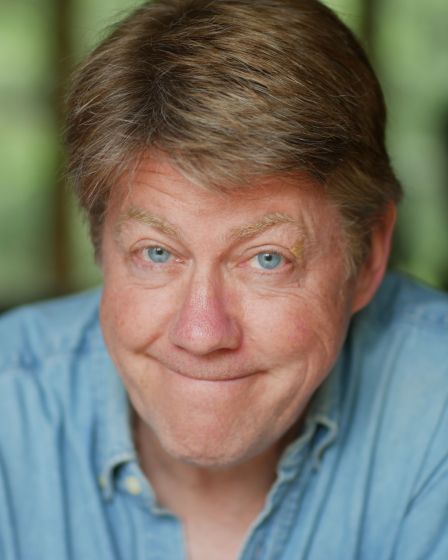
A veteran in the industry, David Knell has a career that spans three decades. He appeared on Broadway in his teens and, confident of success, he made the move to Hollywood. David has performed in countless television series and commercials, but he is probably best known for his work on the big screen. David’s breakthrough film was the starring role in the cult classic, “Spring Break” and he made a big “Splash” working with Tom Hanks and director, Ron Howard. He worked with Tom again in the comedy “Turner & Hooch”. David even had the chance to implant the Governator himself, Arnold Schwartzenegger with a memory chip in “Total Recall”.
As much as David has always loved acting, his insatiable desire to be a part of the hands-on process of filmmaking called him to the other side of the lens. David became affiliated with a collective called The Filmmaker’s Alliance in 2001 and began writing, directing and shooting his own short films, which have played in film festivals across the country.
Recently David became a finalist in the Clipstar.com talent search with his short film “Ecstatic” winning the second round in the Acting Category. In November of this year, he will be competing with 35 other finalists for the million-dollar prize!
Working in conjunction with major casting services, David has developed online technology that assists actors in being seen by casting directors. He is also an expert at producing creative and effective demo reels.
David is a thirty-year member of SAG, Actors’ Equity and a longtime member of the Academy of Motion Picture Arts & Sciences. Combining his knowledge and experience from all aspects of the industry, David knows the biz, and what sets him apart is his gentle even-keeled spirit and positive, friendly attitude.
Hollywood Film and TV Magic


Support my show
$5.99/mo or more
Click HERE
SUBSCRIBE TO THE SHOW
Nicole Brandon – Hollywood Film & TV Magic
Nicole is a professional actress, writer, and producer with a lifelong career in film, television, and stage. With hundreds of performances to her credit—from classic plays like Fiddler on the Roof and Can-Can to appearances in television series such as Highway to Heaven and Days of Our Lives—Nicole brings a true insider’s perspective to the screen stories that have shaped generations.
Now based in Prescott, Arizona, Nicole leads Hollywood Film & TV Tours as part of Tours of Prescott. Her deep industry knowledge and warm storytelling style guide guests through Prescott’s surprising history as a filming location for Westerns, silent films, and major motion pictures. From movie stars who lived here to iconic scenes shot downtown, Nicole offers a behind-the-scenes look at the town’s connection to Hollywood.
Whether you’re a classic film lover or simply curious about Prescott’s place in movie history, Nicole’s Podcast is a fascinating journey into the heart of America's cinematic legacy.
LINKS TO EXPERIENCE:
[00:00] Speaker 1: (whistling) (guitar strumming) Dust on the wind. Hear the stories call. Footsteps echo down an old town hall. Lights flash quick where the legends grew. Hollywood's riding back to you. Lights on the old frontier. Stories come alive right here. Step inside, the past is true. Hollywood's looking back at you. (whistling) Hollywood film and TV.
[01:15] Speaker 2: Hi. It's Nicole Brandin, and welcome to Hollywood Film and TV Magic. Today, we have a special show. I'm so excited because I'm here with my friend, David Malakoff. Hi.
[01:27] Speaker 3: Hello.
[01:27] Speaker 2: It's so great to have you, and, um, David is, is such an integral part of my life because I am a huge fan. And, uh, you have just been a, a hero in my life and you have been an inspiration and a mentor in so many things to me.
[01:45] Speaker 3: Aw.
[01:45] Speaker 2: As well as such a good friend. But when I think of movies like, I don't know, the, the Spring Break movies or Splash or Total Recall or, you know, uh, these movies that are iconic movies that you are part of and associated and have acted in. And then, as the years have sort of unfolded, I have watched you as a producer, and I have watched you as a writer and as a filmmaker and as a creator. And I think, well, the show that I was talking yesterday, we had a show, and I was talking about the importance of story, why the telling of the story is really, like from the times of dinosaurs and cavemen to the indigenous-
[02:32] Speaker 3: (laughs)
[02:32] Speaker 2: ... you know, people, to people around fires, and the art of the story and how filmmaking has changed now that we can make movies, you know, as independent filmmakers.
[02:43] Speaker 3: Yeah.
[02:43] Speaker 2: And so you have been, like, at the pinnacle of success-
[02:48] Speaker 3: (laughs)
[02:48] Speaker 2: ... in, in each and every category, whether that's as an actor or as a producer, as a writer, as a director. And so I'm so thrilled that you are here with me today, and to talk about the Hollywood film and television magic.
[03:02] Speaker 3: Well, it's always lovely to hang with you, and to see your face, and talk and stuff.
[03:09] Speaker 2: (laughs) Thank you.
[03:11] Speaker 3: So-
[03:11] Speaker 2: So, I guess I wanna start with the, the beginning of the beginning.
[03:15] Speaker 3: Yeah, yeah.
[03:15] Speaker 2: So, when you were little, you were little at one point. Do you know that, um, I, the other day I was helping my parents clean their house and I found my baby teeth.
[03:25] Speaker 3: Oh. (laughs)
[03:26] Speaker 2: They, they were all there. (laughs)
[03:28] Speaker 3: Oh my god.
[03:29] Speaker 2: It was so fun. And I was really little. I was so little. I was-
[03:35] Speaker 3: (laughs)
[03:36] Speaker 2: I was too small to speak of. (laughs)
[03:38] Speaker 3: Oh. Tiny tot.
[03:39] Speaker 2: But when you, when you, um, were a child, like you know, like, uh, boys wanna be firefighters and astronauts and, did you always wanna go into entertainment? Was that like a dream of yours or something?
[03:48] Speaker 3: I, I had, I had an astronaut costume, I remember, at one Halloween thing, I did, and, uh, and Superman for another thing. Um, I, I, well, my, my, my parents were both, uh, uh, performers. My mother was a puppeteer when I was growing up, and my dad was a, was an actor, uh, well before I was born. And, um, that's actually how they met. But, um, uh, I did some things, like when they would, when they would come up, like in school, and we got to do, like, play kind of things, I always enjoyed that. And, um, and I got into it for real... high school, I think. I, I, I went to, um, music and art high school in, in New York as a, as a musician. And, uh, took a drama class, uh, really because we only had to read plays, which were this thick, as opposed to reading entire novels, which were that thick. And instead of doing book reports, you got to do, like, a scene or a monologue, which seemed way easier and way in, way more in my, uh, personal wheelhouse of stuff.
[05:03] Speaker 3: And, um, you know, I just started getting into it then. And right around that time, my dad started getting back into acting again. Uh, we lived, at that time, uh, on Roosevelt Island in New York, and they had a little community theater there. And, uh, uh, Dad did a couple of plays there. Um, what did he do? We, uh, uh, Wait, wait, Wait Until Dark? Is that what it's called, the one with the-
[05:33] Speaker 2: Yes, Wait Until Dark. Yes.
[05:34] Speaker 3: Um, did that, and I think The Crucible, and then, uh, they did a production of, of, uh, Fiddler On The Roof, which we were both in. Uh, he played the, uh, the, the, the butcher. I can't remember his name. (laughs)
[05:53] Speaker 2: (laughs)
[05:53] Speaker 3: But, um, and I played, I had some part in it, so we were in a play together, which was fun. And, um, and then I just kept going with it, and did a, did a, um, a show on Broadway for, for, for one performance. Um-
[06:10] Speaker 2: What was the show?
[06:11] Speaker 3: It was Runaways-
[06:13] Speaker 2: Oh.
[06:13] Speaker 3: ... which, um, which is how I-
[06:15] Speaker 2: I have that album.
[06:16] Speaker 3: Yeah. Of course, you did. It was, uh, uh, which, which I was familiar with because, you know, uh, uh, growing up at that time on, on Roosevelt Island, um, our, our mutual, uh, Mr. Spano, Vincent Spano was, uh, he had actually been in, uh, th- he w- he was in the, the, the workshop production of Runaways, and actually developed one of the parts. And it happened to be the one that I did. So, um, so that was just a coincidence. There was this guy kind of down the hall there who, who, who, you know, a kid who was an actor, and, and, uh, happened to be in this show that I was auditioning for. And I auditioned for it a few times. And, um, so then we, we became really great friends. And, uh, uh, of course, that's, that's how I met you, is through him many years later. But, um, uh, um, um, yeah. So I did, did this show, or I got, I got in as an understudy, and, uh, went on, uh, one performance and then they closed the show two weeks later, so I never went on again. That's my Broadway career.
[07:27] Speaker 3: (laughs)
[07:28] Speaker 2: Oh.
[07:28] Speaker 3: But, uh-
[07:28] Speaker 2: What a great show to be associated with.
[07:31] Speaker 3: Well, it was, it was a-
[07:31] Speaker 2: Like, that album as a teen was so impactful.
[07:34] Speaker 3: I ... Yeah, it was, it was terrific. It was, um, uh, so, uh, yeah, it was a great album. So, so basically, what my, my rehearsal process for the play was they said, "Here's the album. Here's the script. Uh, learn 'em." (laughs) And we'll do rehearsals every once in a while. And so we did, uh, I, I think I may-, I maybe had two or three rehearsals, and then had to go on, um, um, and then, uh, and then never again. Um, but, uh, and who else was, was, was there?
[08:06] Speaker 3: Oh, our, our next door neighbor for, for five minutes was, um, um, Sarah, Sarah Jessica Parker, and, and her-
[08:15] Speaker 2: Yes.
[08:15] Speaker 3: ... her entire family of 43 brothers and sisters. And she was doing-
[08:21] Speaker 2: (laughs)
[08:22] Speaker 3: ... Annie at the time.
[08:24] Speaker 2: Yes.
[08:24] Speaker 3: Uh, she took over after, she w- I don't know which one she was in the run, but she was like, uh, the, the second or third, uh, version of, of, of Annie. And, um, yeah. So, so, so at that point, I just thought, "Well, this is my, this is my, uh, my track now." So I just kept going, and, and, uh, and acted for the rest of my life, whenever they let me. And when they don't let me, I make up my own shit. (laughs)
[08:52] Speaker 2: That's awesome. I am, as I'm talking with you, you see me, technically I am jumping off for one second. I'm with you. I'm just plugging in a different plug, as I'm seeing-
[09:01] Speaker 3: Okay.
[09:02] Speaker 2: ... the electrical world here. Stay with me.
[09:05] Speaker 3: Okay.
[09:05] Speaker 2: Stay here. We're not going anywhere.
[09:07] Speaker 3: In the meantime, I'm going to, uh, do a-
[09:10] Speaker 2: I'm back. I'm back with you as I sing along.
[09:13] Speaker 3: I talk with hand farts, if I can ... Oh, there we go.
[09:16] Speaker 2: (laughs) Stop it. There you go. I'll see you much longer the- now. And then, movies that you, you know, like I'll think about Spring Break, or Turner and Hoozer, or, or, uh, Splash. You've been involved with these iconic movies that people have followed for years, that have these huge incredible fan bases. And a lot of times when people get into the movie industry, they'll do a movie and people say, "What were you in?
[09:44] Speaker 2: Never heard of it." Or, "Let me look it up." Or-
[09:47] Speaker 3: Yeah. I-
[09:47] Speaker 2: "Oh, yeah, I saw that. Who were you in?" But you've been in movies that people-
[09:51] Speaker 3: I've, I've, I've done stuff that people have heard on it.
[09:53] Speaker 2: ... feel like a supermarket and they know who you are. (laughs)
[09:56] Speaker 3: (laughs) And, and they're not always, they weren't always a lot of, where, like, Spring Break was, I was in the entire thing, obviously. And, and the, the, the very first film that I did ... Well, the first film that, uh, when I moved, after I moved to LA, uh ... Actually, I did a co-, I was an extra in a couple of films while I was in New York. I did, um, what were they? I was an extra in The Warriors, which is very cool.
[10:19] Speaker 2: Wow.
[10:19] Speaker 3: Uh, there's a, a scene at the beginning where there are supposed to be 50,000 gang members. And, and, uh, so they had, I think, 3,000 extras for that. Um, and I was one of those. Um, and, uh, it's a movie called Hero at Large is what it ended up being called. It was a John Ritter movie, um, but, but where he was superhero or something. And, uh, I had a tiny part in that. And, uh, and then when I, when I was in LA, I got the, the very first thing I did was, um, a great performances thing playing Mark Twain in, in Life on the Mississippi, uh, which was about to shoot, like, in two weeks before they, they, uh, they shot, like, the, the, the, the guy was gonna be playing Mark Twain broke his arm. So they quickly had to cast, and, uh, um, and they cast me. Uh, so which was great fun. So, so that was like I'm in every single shot in that. And not many people have seen it, but, but people do.
[11:28] Speaker 3: And people who, who have seen it remember it, and, and it was, um, it's a lovely little film, uh, which you can catch in its entirety on, on the YouTube now, I think, if you're, if, if you're, or if you like Mark Twain stuff. It's a, it's a sweet little film. And, um, yeah. But, I mean, and, you, you know, and, and things that I've done over, over the years, uh, some of the bigger movies are, are not, not huge parts, but they're, they're nice parts that I shot for, you know, a day or a week or something. Like Splash was, you know, uh, a couple of days. And, and, uh, um, but it was a, it was a fun part though. Um, and, and, and I love the th- one thing I love about Splash is that, is that people refer to it, like, I was listening to, um-... Keith Olbermann or something, and he was referring to the, uh, uh, the Trump boys as, uh, as the moron twins. And, um, you know (laughs) that phrase, the moron twins, that's me.
[12:25] Speaker 3: Uh, (laughs) I was, I was one of the original moron twins, so that's, uh... if I, if I do nothing else.
[12:33] Speaker 2: Wow.
[12:35] Speaker 3: So, you know, uh-
[12:36] Speaker 2: And then from the... and then you've done a lot of television too.
[12:39] Speaker 3: Yeah. I did a lot of-
[12:40] Speaker 2: So many things.
[12:40] Speaker 3: ... did a lot of television. Did a couple of, couple of, uh, series, and a lot of, whole lot of guest things. Just, you know... Um, uh, as I say, I show up on your TV at 2:00 in the morning a lot, you know, if you watch, uh... Like now they do, they do 24-hour, um, uh, Murder She Wrote marathons.
[13:01] Speaker 2: Mm-hmm.
[13:02] Speaker 3: If you watch long enough, you will see me.
[13:05] Speaker 2: That's so funny.
[13:06] Speaker 3: Uh-
[13:06] Speaker 2: Uh, I was in Rome. And, uh, I just got (laughs) taken a shower, and I came out of the shower, and I was in the hotel room in Rome, and I just turned on the TV, and I was on television speaking Italian.
[13:18] Speaker 3: (laughs)
[13:19] Speaker 2: And I was doing great. My Italian was amazing. I didn't even know I knew Italian. But The Insiders, the TV series I was on-
[13:27] Speaker 3: Oh, that's great.
[13:27] Speaker 2: ... was playing in Italy, and I was watching me speak Italian. I was so proud and impressed with myself.
[13:33] Speaker 3: I, I, I have, I have seen myself doing, uh, speaking Mandarin Chinese and, uh, and Italian. And it's al- it's always interesting to see, like, what kind of voice they cast as mine, and they're usually very goofy voices. (laughs) You just... So, uh, the I- the Italian version of mine w- was, was, uh, uh, uh, borderline, uh, Goofy the dog, you know, uh, Mickey Mouse's friend. So it was-
[14:04] Speaker 2: Yes.
[14:04] Speaker 3: ... that's kinda what they thought the voice that should go along with this face is, so. (laughs)
[14:08] Speaker 2: That's funny. Now we did a TV series together, Temporary Insanity.
[14:13] Speaker 3: Right. We did. We... And it was, uh, we were, uh, trying to get that, that going. It was a fun pilot thing that we did. Um, yeah, that was fun. And, and-
[14:25] Speaker 2: Yes.
[14:25] Speaker 3: ... so we, we were adjacent. We didn't... Do we get to do an... We didn't have scenes together, but we were, we were-
[14:30] Speaker 2: We had one scene.
[14:31] Speaker 3: ... working together.
[14:31] Speaker 2: We had one scene together.
[14:33] Speaker 3: We did?
[14:33] Speaker 2: That we had. Yes. Where in the psychiatrist office-
[14:37] Speaker 3: Oh, that's right.
[14:37] Speaker 2: ... when I come to see my daughter, and you tell me to have a seat.
[14:41] Speaker 3: That's right. Yeah. That was f-
[14:43] Speaker 2: All of that, which was, yes, which was-
[14:46] Speaker 3: That was good.
[14:46] Speaker 2: ... a lot of fun to work with you, and it was so much fun, because, in all the years that I've known you and I've admired your work, and I admire, not just admire, I admire your work so much-
[14:57] Speaker 3: Thank you.
[14:58] Speaker 2: Um, but you get to see someone else's process. You know, some people go off into a corner. Some people study. Some people, you know, whatever that is, they, you know, become, they ride with the policemen to become policemen, or they-
[15:12] Speaker 3: (laughs)
[15:12] Speaker 2: ... become hookers to hook, like, whatever that is. (laughs) Oh, no. But this was incredible to me because I've never seen somebody process and prepare as quickly and as thoroughly as you do. It's almost like before you come in, you so embody the character-
[15:35] Speaker 3: Yeah.
[15:35] Speaker 2: ... that no matter what is thrown at you, sort of like, you know, you're in a batting field or something, that you are able to... It doesn't matter if they change the set. It doesn't matter if they change the lines. It does... It... You are never thrown. I've never seen you be thrown. You just are that guy. You just become that guy. And anything that happens and comes through that, and that sensibility to create and be so versatile and so flexible and so rich and so full and so complete within mere seconds is just awe-inspiring. It really was an amazing to watch you and your process of your acting, so.
[16:13] Speaker 3: Well, that's lovely. Thank you. I, I, I, I hadn't... I, uh... Well, (laughs) uh, yeah, I, it's one of the things... I mean, you know, I, I, 90% of the work that we do as actors is before we're on camera. I mean, that's, that's, that's like the, this little sliver of the moment. And it's like, yeah, I've, I always figure that, um, trying to come in with as much as possible, trying to come up with, with, with possibilities and ideas, and, you know, just, just having... Because you, you don't have an, an opportunity until then to work with a director, or you don't know what the other actors are going to be bringing, and you don't always know what the, what the flavor of the thing is really going to be, you know.
[17:07] Speaker 3: Uh, I did, I did a thing, um, they do a, uh, a thing here in, in, uh, Portland that my friend, uh, Darius Pierce, w- was one of the inventors of called Anonymous-
[17:23] Speaker 2: As we are talking with David Nell, one of my favorite all-time actors, producers, writers, creators, storytellers, inventors of imagination. I mean, truly if there is a sandbox of imagination, David lives in it. And most recently you might have seen him in the movie Pig with Nicolas Cage. And that movie, there was a scene that it, it, it, it makes your heart stop. When you watch Academy Awards and you watch Emmy Awards and you watch the People's Choice Awards and they pull a scene and they'll show you, this is this actor's scene that, you know, that they're up for the award for, and this is the, a little small sampling of their talent, but the impact that that scene had in this film or in this project-And David has a scene with Nicholas Cage in the movie Pig that I would invite you just- i- if you are listening to this podcast, watching this podcast, however you are joining with us today, I absolutely invite you to go ahead and to, um, Google Pig, David Nell, and to play this scene,
[18:47] Speaker 2: and you will see such an extraordinary talent. And one of the things I've also learned from David is in self-filming and in self-promotion. Everything that he has done in being able to create stories across the board, not over- only for himself, but for other filmmakers. So, I'll tell you a little bit about this project that we were working on as we were waiting for David to come back and to join us. So, we worked on a television series, it was a sitcom called Temporary Insanity. It was so much fun to work on. So, Temporary Insanity is this based on lead character who is this very beautiful, beautiful, like, model beautiful and Vassar smart psychiatrist, and she is so pretty, and she's so sexy, and she's so smart that people don't think she's the real deal. So, she's actually having trouble getting clients. So, what she does is she decides to barter and to trade work for therapy.
[19:58] Speaker 2: So, she'll have, like, all of these people with mental health problems, or all of these people that are now the security guard, or the maintenance, or the receptionist, people with anger issues. I- it was hysterically funny, and the character in the show, in Temporary Insanity, had very wealthy parents, the parents want to support her and she wants to do it by herself, and I played the mother. And David played one of the funniest characters, if you look up Temporary Insanity and David Nell. His character was hysterical, and every time he was in a scene, it just made me laugh. So, he was just fantastic, and I'm hoping that he can come back and join us. But as we're talking about film and television, there's also, you know, he was talking about acting and going from understudying and Broadway a- and, so, I- I'll back up on a little bit about what he said.
[20:55] Speaker 2: So, shows have, most shows that are professional shows, have understudies so if something were to happen to the lead character, that understudy is able to go on Broadway. A lot of times, the- their understudy might be guaranteed one or two performances, or on other times they're not guaranteed a performance at all. They could be there three years, five years, backstage, and never go on. But there has been famous, famous, famous actors, people like the Shirley Maclaines and Shera Vert, people that have been, uh, acclaimed in the industry that originally started coming on as an understudy. So, for David to be a- an understudy and to step onto a Broadway stage in a show that was as successful and as strong and as powerful as Runaways. When I was a kid, I, eh, uh, the haunting music of Runaways, I used to listen to it all the time, and then he was asking about Fiddler on the Roof. He said his dad was the butcher in Fiddler on the Roof and he did Fiddler on the Roof with him.
[21:57] Speaker 2: I did Fiddler on the Roof. I did the tour with Theodor Bikel. Had a blast during that. I played Chava. So yes, he was correct. The butcher was Lazar Wolf. And then when you come out in- to Hollywood to do a television show, when David was talking about how he auditioned several times for a show, sometimes people can audition for a show over, and over, and over again, even several years until finally they are finding the right cast, or the right direction, or the right fit. Um, even for myself, so many times I've auditioned for television shows and maybe the child didn't look like they would be my child, or the spouse didn't look like, or it's somebody else there for some other reason is working in that show, but if they are interested in you and you have that opportunity to keep coming back. So, I had an acting coach tell me once to stop auditioning and to just pee on carpets.
[22:52] Speaker 2: To literally (laughs) go into the room just like a puppy and to leave a mark, because it might be three years later, five years later, a month later, they might say, "Remember that girl?" Or, "Remember that man that was in there?" And, uh, "We'd love to get them back in for this project." So, shows that go into syndication, shows that are played, as David was talking about, Columbo, Murder She Wrote, that are on 24 hours a day, that you have the opportunity to see these shows, The Golden Girls. It's great for our actors that have done parts, because we're able to be played and aired, and be able to see different audiences, because originally, if a television show had a time slot, let's say your time slot was Thursday from 7:00 to 8:00, if somebody wasn't at home at that Thursday 7:00 to 8:00 PM they would not have the opportunity to see that episode, to see that show. Eventually the show might go into reruns.
[23:51] Speaker 2: But now, the fact that we have these 24-hour channels, for actors and for storylines, we're able to reach a wider viewing of audiences and more people are able to experience the art of entertainment, storytelling, and really finding actors, um, you know, find performances with actors such as David Nell that you have the opportunity to see. Are you with us now? Yes? I could say...
[24:22] Speaker 3: ... that-
[24:23] Speaker 2: All of these magical, wonderful, marvelous, stupendous, brilliant things about you all the time.
[24:32] Speaker 3: Which, uh, which I didn't get to hear any of. But, uh, (laughs) -
[24:36] Speaker 2: So I was talking about Pig-
[24:38] Speaker 3: We were talk-
[24:38] Speaker 2: ... when you were, when you were gone. And so I was saying you just recently did this movie, um, with Nicolas Cage. And that-
[24:45] Speaker 3: Yeah. Yes.
[24:45] Speaker 2: ... I was talking about that scene, that when you see at the Academy Awards, or you see an Emmy Award, you see an event, that they will play a scene that highlights that actor's talent, versatility, flexibility, but also something that touched you when you saw that movie or that show, something you remember that moment. You remember that line, you remember that was the thing that, that, that literally either gutted you, or excited you, or elated you, or took you ch- from one place to another place inside yourself and inside the story. And the scene that you have in the restaurant with Nicolas is that scene, not only for this movie, but it also shows the kaleidoscope of your talent, the, the incredible layering, the multiplicity of who you are as an actor. And everything that you say matters, and everything that you don't say matters. And can you talk a little bit about that role and working on that scene?
[25:51] Speaker 3: Uh, yeah. Oh, it, it, it is, I, it is my f- probably my favorite acting day ever. I'll just say that. Just the, the, the, the actual working of it. But, um, (laughs) you know, th- there, I get asked a lot about that particular scene, and- ... as people will say, you know, "How did you, you, you get the, like, the, the, the whole range of emotions that happens in there?" And honestly, the, the first thing that I say is, "Well, it wa- i- i- i- it was written down." (laughs) So the script was amazing. The script that was written by Michael Sarnoski, who, who also directed it, um, was just, is just brilliant.
[26:39] Speaker 3: Uh, the, the, the, the screenplay is, and the way that scene and that character were written, um, the whole journey that he takes just in that scene, from being someone who is, uh, you know, kind of at the top of his game and has this very successful restaurant, and being confronted with someone who, uh, was a, was a, a mentor of his years ago, and then remembering that, uh, he was fired by that guy, and that, that (laughs) was maybe one of the worst days of his life. And then s- it spiraling from there as the guy, as, as Nick's character is really just trying to find out what happened to his, his, um, his truffle pig, this pig that he had that he loved. And, um, and, and my slowly (laughs) being aware that, oh, I think I know what happened, and I think it might be my fault, and it just, uh, um, just ... and being just completely taken apart, uh, in, in the, in the moment.
[27:44] Speaker 3: And, um, this is another thing we, we were talking about-
[27:46] Speaker 2: Yeah.
[27:46] Speaker 3: ... like, wha- how do you prepare for all that? And, um, (sighs) you know, so much of what we get to do, if, if you're super lucky, is that you get stuff that you really resonate with. And, um, when I talked with Michael Sarnoski a few days before shooting, I wanted to make sure, first of all, that we were on the same page about what I wanted to do with it. Because, uh, that was ... I didn't get to, to, to meet him during the audition. It was just a taped audition, and it got sent in, and I got selected for it. So I, but I wanted to make sure that I talked to him first about it, because, because there was really specific things that I wanted to do with it, that I saw that there was an opportunity to really go deep with this character in a way that I don't usually get to do.
[28:42] Speaker 3: And, um, d- and I said, as I said, just to, to make sure we were on the same page, and he said that, that, you know, he saw a lot of actors for the part, and that there were, I think he said, like nine different emotional beats that needed to be hit. And, and that I was the (laughs) only person who got, like, all nine of 'em. So it was like, "Oh, good. Okay. Then we're on the right track there." And, um, you know, 'cause I really understood the, the, the, the, the, the character. I understood what, what, mm, you know, my own version of what he has, has, was going through. And I just really resonated with it in, in, in, in a way that I thought I got to bring a lot into it. I mean, there's a moment where it's specifically written in the, in the script there, that he's, he's, he's having a meltdown as he's, as the scene is going on, and he's, he's, like, uh, trying to, to, to, to be completely put together, and, and his face isn't listening to his brain anymore.
[29:53] Speaker 3: So he's trying to smile and kind of, like, uh, be, laugh it o- off what's, what's, what's happening in the scene, and it's just not going well. And, and his, he's, he's just not functioning. And I s- and I was aware, I s- I've ha- I've had moments like that in my life. From, we were talking about childhood stuff, and, and I had, I remember a couple of moments when I was a kid where something would happen where I would start laughing so hard that I would-... that I couldn't stop laughing, and then eventually would just be in tears. And it was a, a thing that would ... that could happen every once in a while. And I remember a few times that it did, and I thought, "Oh, that's exactly what this guy's going through, but as an adult, so that'll be fun to play." (laughs) And, um, you know, so that's, that was the s- the stuff that I really loved about that, that the, the character and, and being able to do that. And, you know, the, the, that performance, which has been ...
[30:59] Speaker 3: which a lot of people have, have come to me and said that there was something about that moment that really resonated with them. Um, you know, somebody being, somebody, w- uh, being at a point in their life where suddenly they were wondering, "Well, what have I been doing all my life? Why did I not have ..." Like, "There was some dream that I had a while ago, and why did I not roll with it? Why didn't I, I let it happen? Or why didn't I pursue it," or whatever. And, um, you know, it's, it's such a great, um, um, question to ask. And that I think that, that's why that particular scene in the movie resonated so well with people. And, um, you know, and is, in fact, uh, um, w- uh, that I'm really ... I'm looking into to, to taking it further and seeing if, if we can, we can expand on that, uh, taking these, these characters that were ... that he wrote in there and, and, and turning it into something more.
[32:05] Speaker 3: Um, which I, I can't really talk about right, in detail right now, but, um, um, but I'm, I'm digging into it even deeper than, than, uh, than, than I ever have with a character before, um, which is, has been fun and interesting. But it's ... I think it's worth it.
[32:27] Speaker 2: Love the idea.
[32:28] Speaker 3: So-
[32:28] Speaker 2: I mean, I, I, I've fallen in love with the character, and I've fallen in love of your expression of this character, and I would be excited-
[32:35] Speaker 3: Yeah.
[32:35] Speaker 2: ... to see anything. You know, if you've ever wanted to see a character continue on, this is one that you, you're s- just ... it's, it's such a great dive into who this person is, that you care, you care about this character immediately as a, as an audience member, as, uh, as a viewer, as an observer, and as a humanitarian, like a person on this planet that's alive. You fall in love, and you care about this guy, and then you wanna know what happens after this movie. There's, like, this intrinsic curiosity of what happened and where did he go and is he okay, and, you know, you wanna know all these things. So I love the fact that you are going to build on this and, and continue this on and open the door for this character to live and to have a life and for people to actually be able to feel. Because so many ... Like you're saying, there are nine level- layers in this character, and we all have that.
[33:30] Speaker 2: We're all, like, have these, you know, uh, emotions and these, these feelings and these ... I was, um, working on a television show, and the television show that I was on, the people were the most manipulative, volatile, vindictive, backstabbing (laughs) people it- th- that I had ever come across. And the show was a spiritual, conscious show. Like, you would think it was about-
[34:00] Speaker 3: No. (laughs)
[34:02] Speaker 2: ... love and peace and humanity and joy and whatever. And one night, a friend of mine called me, and I was crying, and he said, "What's going on?" And I said, "I feel like I'm judging these people." And the me, the Nicole, that I choose to create does not judge anybody.
[34:18] Speaker 3: Right.
[34:20] Speaker 2: And so I was having problem within myself because I ... this was awful, and I don't want to be a judgmental person, the me, Nicole, the one I-
[34:31] Speaker 3: Mm-hmm.
[34:31] Speaker 2: ... The, the person that the, the girl that I'm giving to the world and having the opportunity to live this life, doesn't want to be judgmental. And my friend said, "Honey baby, listen to me."
[34:40] Speaker 3: (laughs)
[34:40] Speaker 2: This is Rick Fortier, the writer that wrote, like, Beretta and Coachella. He's amazing, right?
[34:44] Speaker 3: Yeah.
[34:44] Speaker 2: He said, "Honey baby, listen to me." He said, "Of all the gifts that God has given you, and he has given you many, and they are plentiful and whatever." He said, "The greatest gift he has ever given you is your ability to see. It's your vision and your sight. You're able to see the world, which is how you're able d- to do 'cause you see when there's a problem and someone's hurt, whatever. You see." And he said, "If you see that these people are not in alignment, leave."
[35:15] Speaker 3: (laughs)
[35:15] Speaker 2: "You're not judging them, leave."
[35:18] Speaker 3: (laughs)
[35:19] Speaker 2: "If you're not willing to see what other people are seeing, why are you there? Go." Right? (laughs)
[35:24] Speaker 3: Yeah. Yeah.
[35:25] Speaker 2: And I never forgot that conversation, because I sat there with all of this inside of me. The me, I don't want to judge people, and the other part of me going-
[35:33] Speaker 3: Yeah.
[35:33] Speaker 2: ... "Oh, they're these mean, awful people, and they're doing these horrible things." Right? And so, when, when you watch your character in the movie Pig, it's, like, it's so relatable because we have inside each of us-
[35:48] Speaker 3: Mm-hmm.
[35:48] Speaker 2: ... these emotions that fight the other emotions and that are friends with the other emotions, and the ones that are trying to help and rescue the other emotions (laughs) and, like, all of those things live inside of us. And you show that so beautifully and so clearly that I think, as a human being, you watch that, and you're like, "Oh." It, it, it, it ... you just get attached to it somehow. You feel it in your soul.
[36:15] Speaker 3: Yeah. Wow. Well, the, the ... Thank you. A- a- and, you know, it's that thing when ... there's the moment i- in the, in the film where, where, um-Rob- Robin, Nick's character, says, "Why didn't you open your pub?" And the answer is, "It's complicated," because it's- it's like, that's, you know, for each of us have gotten to where we are through what you're saying, but there, we, it's- it's a lifetime of choices and micro-choices and avoidances and- and embracing things and going, and, uh, uh, having to- to decide who you are when you're with someone particular or, uh, you know, trying not to, if you're the, that kind of person who doesn't want to rile things up, and you have to make adjustments in yourself to not rile up a person, and all kinds of things that with, uh, those little choices that we, we're not even aware of.
[37:15] Speaker 3: You know, from- from birth, right, we're- we're- we're totally trying to- to get through, we're trying to survive and from babies, we either survive by, um, you know, being demanding, screaming babies and getting the stuff that we want or s- or some of us will try to- to just manipulate so that we don't, so that the big people don't eat us or whatever's (laughs) going on. But we make these little adjustments that- that we continue to make, do versions of those things, even as- as grownup adults. And- and, um, you know, it's, they're all tied together and- and, uh, yeah. It was, it was really beautiful just to, just to see that, now, and this is the thing that I really loved about Michael's writing, is that... I mean, he, he also wrote, um, uh, after he did Pig, he did, uh, A Quiet Place: Day One, which is a lovely film, and if, uh, even if you're not a, um, a- a horror kind of, uh, uh, thing, it's- it's so worth- worth watching.
[38:26] Speaker 3: Um, but all these characters have these incredibly rich lives that are... Everybody who passes through, you know, uh, has- has an entire life and an entire history and an entire worldview, and, uh, um, you know, it's, nobody... There- there are no tropes that go on. You know, there's no, there's no cliches. There's just people who are real people, who are, who- who we're only glancing through this story and we only get to see this little sliver of them. But everybody has- has a real depth and real life and real truth to them. And I really, really admired that. And, um, when I was in LA last, I got to- to hang out with him for a- a- a few hours. I was a- a bit, hoping just to get a quick, um, catch a- a quick coffee or drink with him, and we ended up talking for four hours and just said, and so much in- in common about what we love about storytelling.
[39:35] Speaker 3: And, um, you know, the human experience and puppetry and- and magic and things, you know, and- and, um, you know, just being able to- to- to have an appreciation of the stuff, the- the quirks and foibles that make us human. And, um, sometimes come out in other people in ways that are, uh, uncomfortable or- or, you know, not great, and your friend telling you, "Yeah, you can appreciate those," and you and I both have that ability. You can see people who are going, who are going through... Their version of- of life in bad and maybe abusive ways, and you can go, "Okay, I can appreciate that, but I don't have to be in on it.
[40:26] Speaker 3: So I don't have to, I can just watch it from afar."
[40:28] Speaker 2: Abs- abs- absolutely.
[40:28] Speaker 3: "I don't have to, uh, yeah, this doesn't have to be my, uh, experience here. So, thanks, and you do your thing, and I'm gonna go over here and sit by a tree and be happy. Bye."
[40:40] Speaker 2: (laughs) And I love that you talk about Michael's writing. So, I'd love to just, um, you know, talk about Pig, as- as a movie, as an example of, um, you know, this movie kind of came out of nowhere, had such a huge, huge, huge impact, and audiences and reviewers and people went bonkers and nuts. And today, and, you know, and I'd even love to talk to you about some of the movies you're making and- and filmmaking for new filmmakers, but we used to think of movies as these big studio films. You know, that you needed to be on a lot and you needed these big films, and all of these millions of dollars to be able to make... And- and as we've been talking about Hollywood film and television, I talked about the birth of, like, the Westerns and the silent movies and the talkies came in, and how they used to have, like, the rolling cameras on a platform, and you know, whatever that is. They were out in the rain and the wind and the elements and not in sound studios.
[41:34] Speaker 2: But the- the films today don't have to be. Not saying that there isn't value in the- the big blockbuster movie, but you, they don't have to be in that vein. You know, like Door Number One, Door Number Two, Door Number Three, that does not mean that The Boat is better than the Vacation to Peru or something, like, right? Like, it's (laughs) , uh, everything has value. And so, could you talk a little bit about today's films and filmmaking in the current times?
[42:05] Speaker 3: Well, one of the things that- that's being really exciting to me is, uh, some of the new tools, the- the- the generative AI tools that are, that are, that are available now, that allow people who, you know, it used to be that- that the only way you could get films made was if you had, you- you start with a whole lot of money. I remember there was a, there was a book that came out in the...... '90s sometime, that was called, uh, uh, Feature Filmmaking at Used Car Prices.
[42:45] Speaker 3: I forget, forget who wrote it, but it was specifically-
[42:49] Speaker 4: Great title.
[42:49] Speaker 3: Yeah, it was a great title, and it was specifically about how you can make an actual feature film for $7,000.
[42:58] Speaker 4: Wow.
[42:58] Speaker 3: And this guy had broken it down, he'd done it himself, but he- it was about shooting it on 16 millimeter film, and you weren't gonna be able to buy new 16 fi- uh, millimeter film. You were gonna have to go to a place where they process 16 millimeter film and, and get the ends of film, and they'd be- they would sell you, for a discount price, like, uh, if, if somebody had shot something on a 1,000-foot reel, and they only shot, uh, 900 feet, then that, that 100 feet that was at the end, you could buy. So it was- he was telling you how to buy these little bits of film, and you were gonna b- shoot your film, uh, on one location, and it was gonna be at a house somewhere. So whatever you were writing, forget the, the big blockbuster idea that you had, but think of something that's gonna take place in one location that you can do in little, short things, little, short moments.
[43:47] Speaker 3: And, you know, it was a revelation for a lot of people, and, uh, when digital, um, first came out, which was, eh, early this century, um, it gave people the possibility of shooting stuff on video that didn't look like, like VHS, that actually was good-quality video that you could shoot and you could edit yourself and, uh, so, um, there were th- groups that, that popped up around there. I think, actually, that's, uh, I think where, where we met. There was a group called Filmmakers Alliance, which I don't know if they're still around, but it was a bunch of filmmakers, and we would get together, I think, every Sunday or every other Sunday. No, I think it, it might've been every week, and we'd- at a theater somewhere, and, and everybody would get together, and we'd- we, we would screen whatever we had shot that week if, if anybody was doing anything. And, um, there was a, a, a little bit where you would say, you know, "I'm- I got a thing that I'm gonna do this week.
[44:52] Speaker 3: I'm working on my short film," or, "I wanna shoot a f- uh, a scene from my feature, and I need, uh, I need a camera guy. I need some- a, a sound guy," and people would, would, would share whatever they had. It was very, um, communal and, and, uh, uh, they had- somebody had- several people had, had good cameras that you could use or borrow, and, um, and so we made films. We made a lot of short films and some of the- so there were some really good feature films that came out of that. And now, 20 years later, um, the stuff that's happening with, with AI and the ability to, to, um- if you, if you understand how these tools work, you can get some really amazing stuff. And y- it, it's- I know there's a lot of controversy about stuff, but what, what- but the controversy, I don't think lies where we are. Um, and what I mean by that is, uh, you know, any time new technology comes out, it's going to affect, um, the, the, the process by which things get done.
[46:07] Speaker 3: I remember when, when, um, CDs came out for the first- you know, CDs, uh, over, uh, uh, vinyl LPs. All the LPs were made in, like, two towns, like, in, in
[46:20] Speaker 4: (laughs)
[46:20] Speaker 3: ... South- uh, two- That's Vince's father calling me, but I cannot talk to him 'cause I'm talking to you.
[46:26] Speaker 4: No, of course.
[46:27] Speaker 3: Hang on a s- Stop. Stop. Um, so there were two, there were two towns that all they did, like, their big factories were making, uh, uh, record albums, and then CDs happened. So all the factory work from those, for those two towns, like, like, just dried up. So that happened, and things like that keep happening throughout- anytime technology changes, but at the other end of that for- what's happening now is, um, you don't need many millions of dollars to make a film. You don't need many thousands of dollars to make a short film. You can do things that are- that, that are not l- no longer limited even by your imagination. You can do things- Uh, uh, I did a, a, uh, uh, a promo piece just recently, which you- which f- I just showed you 'cause I finished it yesterday and showed you. Um, that's been kind of going in my head, and it was something that, if I had to shoot it physically, it would've cost me money that I did not have, which meant it just wouldn't have gotten done.
[47:38] Speaker 3: But I was able to, to be very specific about what I wanted, and I kind of worked- uh, I, I designed it out and had thoughts about how I wanted to make this work, and I created it, and, um, it really works, and I- and I'm going to use this to sell a project that I- that I'm working on. And, and I don't think I- I don't think it could be better. I mean, it's just really amazing that, that I was able to, to go from what was in my head, this, this kind of complicated idea, and get it to, to, to work and, and actually build this thing that is exactly what was in my head. It's kind of amazing. You know? And, and, and telling stories, you know, and that's what it's about is trying to- how do you communicate with other people these, these, you know, the human things that we wanna get across to people? And it's like, well, there are ways to do it, and, and we have now technology that lets us do it, like, like, we couldn't.
[48:43] Speaker 3: And the technology is changing, like, weekly.You know, the- the thing that I was able to do, I probably wouldn't have been able to do two weeks ago. In fact, I couldn't do it two weeks ago. Which is why I didn't do it several weeks ago. I was- got to a point where I got stuck, and then it was, like, things changed a little bit, and I said, "Let me see if I can do it now," and I could, and, um-
[49:05] Speaker 2: That- that's really good.
[49:06] Speaker 3: Yeah.
[49:07] Speaker 2: And so I know we only have a couple minutes left as we're coming up at the top of the hour.
[49:11] Speaker 3: Ooh.
[49:11] Speaker 2: And-
[49:11] Speaker 3: Gotcha.
[49:12] Speaker 2: Any advice? Just, uh, a- a gem for a young filmmaker that, you know-
[49:19] Speaker 3: Yeah. Loo- look into this stuff. Look into what, uh, um ... There are, there are a lot of YouTube channels that, that deal specifically with, um, uh, with, with AI filmmaking. Uh, Curious Refuge is one. Um, there's, uh, yeah, there's, there's a, there's a, there's a bunch of people who are, who are really digging into what's possible and what's becoming possible. And, um, you know, I've, I've, I've been, I used ... There's a, a, a, a, an aggregator. It's a thing called Higgs Field, which has ... You pay a monthly fee and you get access to a bunch of different of these, uh, um, video and image generators that are, as I said, are changing constantly. But some of the, go and take a look at, at, at some of the stuff that's being done there and see if you're not inspired. Um, because we're getting to the point where anything that you, you, you have in your head, you will be able to communicate, um, which is pretty powerful, I think.
[50:30] Speaker 2: That's great. Well, that's great advice.
[50:32] Speaker 3: Yeah.
[50:32] Speaker 2: And, um, favorite movie of all time?
[50:35] Speaker 3: Favorite movie of all time? Um, I've, I've, I've been thinking a lot about Magnolia recently.
[50:43] Speaker 2: Mm-hmm.
[50:43] Speaker 3: Which I, I, I love so much about it. Um, um, I love the, the, the, the structure of it, that it starts out with a narration that is, that basically says, gives you a whole bunch of weird things that seem impossible, but they happened. And that basically sets up the structure of this story, which is, which is essentially half a dozen short stories that are interwoven, but something happens-
[51:11] Speaker 2: That goes-
[51:11] Speaker 3: ... at the end, and it's because, and y- you're okay with it because it was set up at the beginning that weird things happen, so just deal with it. So when weird things happen, it's like, nope, you, you let me know. And, and it's, and so ... But I love all the, the, the, the, the real human stories in there, so that, I think.
[51:29] Speaker 2: I love that. So that brings us back to the top of the show, which is such a great way to close out, which is about the importance of story.
[51:36] Speaker 3: Yeah.
[51:36] Speaker 2: And how film and television as a form in media, an artistic expression that have the ability to share stories at such a high, complex, innocent-
[51:53] Speaker 3: Mm-hmm.
[51:53] Speaker 2: ... curious, fun, fascinating, adventurous, you know, and whimsical way that they take us to other places in our visions and dreams, and they also teach us about ourselves, whether our lives, our hearts, our connections-
[52:10] Speaker 3: Yeah. How, how, how do other human beings get through this stuff that I think I'm the only one going through? Like, that kind of thing. (laughs)
[52:19] Speaker 2: Really. Well, it's been fabulous to have you here, and I miss you, and I wish I could reach through the screen and say hi. And it- it's so great to see you, and I'm so proud of everything that you're doing and I just look forward. I wanna be in front of every premier that, of anything you ever do. Your talent is just extraordinary.
[52:43] Speaker 3: Well, thank you.
[52:43] Speaker 2: And it's such a gift to the planet and the world, how smart they were in Runaways, and how smart this industry is to keep you in it and-
[52:53] Speaker 3: Oh.
[52:53] Speaker 2: ... through it and part of this tapestry in this world. So as an actor, as a producer, as a writer, as a director, as a creator, as an innovator in film and television, it is an honor and a pleasure. And for everybody out there, especially for the young filmmakers, live your dreams. Step forward.
[53:12] Speaker 3: Yeah.
[53:13] Speaker 2: Step forward, um-
[53:14] Speaker 3: Do it.
[53:15] Speaker 2: Remember Garry Marshall?
[53:17] Speaker 3: Yes.
[53:18] Speaker 2: The, the director once said, uh, "Nobody ever died from embarrassment." And I love when he said that because take chances.
[53:26] Speaker 3: Yeah.
[53:27] Speaker 2: Take chances. Take chances with your art, take chances with your ideas, take chances with your visions, with your dreams, with your films. Tell the stories that you want to tell, tell the stories that are in your heart and your head and stories that you think are gonna make a difference in the world and stories that are gonna make a difference in your life. And, uh, we look forward to seeing your movies.
[53:50] Speaker 3: Right on.
[53:50] Speaker 2: We look forward to ... If you are out there and you are a filmmaker, we look forward to supporting you. If you have any questions, write to us and we will happy to come on and answer any questions you have about the history of film or film and television today. And we look forward to seeing you on the next episode of Hollywood Film and Television Magic. Thank you, David Alpert, for being with us today.
[54:12] Speaker 3: Bye. Thank you.
[54:24] Speaker 1: Lights on the old frontier. Every legend lingers here. Through the lens of time and truth. Every step rewrites your youth. Take the trail, no need to fear. Hollywood is standing near. In the dust where the stories grew. The screen is looking back at you. Out where the west and the movies meet. That's where the stories never sleep.