Why I Ferment: A Tangy Journey into Food and Tradition
I’ve never met a ferment I didn’t like. Sauerkraut? Kombucha? A warm slice of gluten-free sourdough (my personal must-have)? They’re all winners in my book. Growing up with a German-born mum, our kitchen was alive with the tangy aroma of kraut, pickled green beans, and fermented dill pickles - dishes that sparked my love for this fizzy, funky world. But fermentation isn’t just about cabbage, craft beer or a fine bottle of vino. It’s a global adventure, from Andean Chicha to Ethiopian T’ej, and a practice that’s as good for your gut as it is for the planet. So, why do I ferment? Let’s get Down and Dirty to explore the big “WHY” behind this ancient art—and how you can join the party.
What’s All the Fuss About Fermentation?
Fermentation is nature’s alchemy: microbes like bacteria or yeast transform sugars into acids, alcohol, or gases, preserving food and adding bold flavors. Think of it as a culinary time machine - our ancestors used it to soften wild foods or save harvests long before fridges existed. But some folks wrinkle their noses, saying ferments are too stinky (ever sniffed a sauerkraut crock mid-bubble?) or too sour (hello, apple cider vinegar). Others find them too salty. Here’s the thing: that’s the charm! Fermentation is an acquired taste, one that rewards you with complex flavors and a connection to the past. It’s not just food - it’s a health regimen, a gourmet art, and a nod to traditions worldwide.
Why I Ferment: The Big Benefits
So, why do I keep a jar of kraut bubbling on my counter? It’s more than nostalgia for Mum’s German cooking. Here’s what keeps me hooked:
- Health Boost: Fermented foods like sauerkraut and kombucha are packed with probiotics - good bacteria that support gut health. Lacto-ferments are jam-packed with probiotics and support the growth of healthy intestinal flora (your own personal internal biome!) They also make nutrients like B vitamins more bioavailable and break down compounds like lactose, making food easier to digest. Feeling blue and/or anxious? Have a bowl of Kimchi… Lacto-ferments may also influence your mental outlook! So, why are you waiting, get fermenting and dig in.
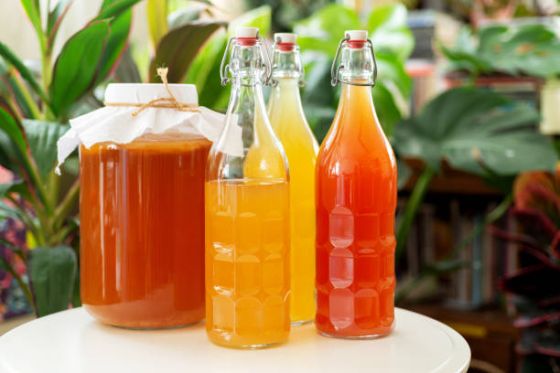
- Flavor Explosion: Ferments add a tangy, umami kick to any meal. Kraut elevates a sandwich, kombucha brings a fizzy refresh, and a drizzle of homemade vinegar transforms a salad.
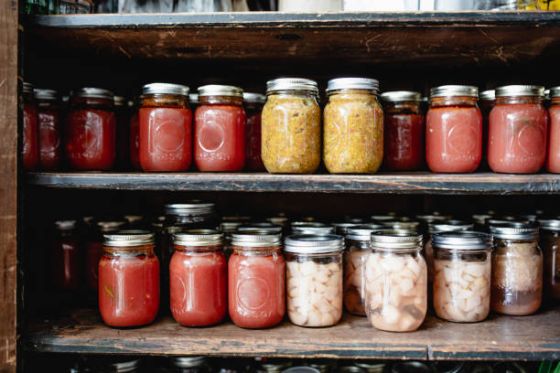
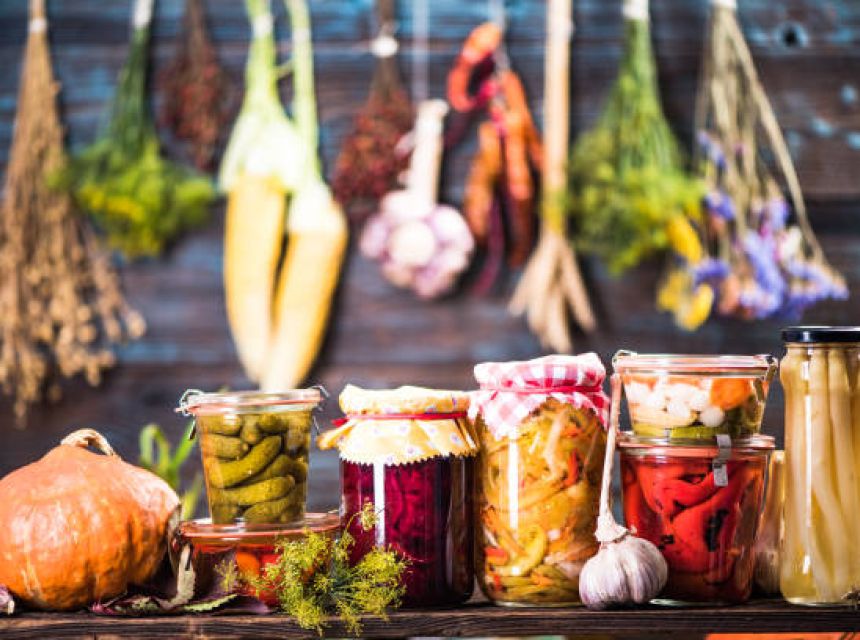
- Sustainability: Fermentation preserves surplus veggies without a fridge, cutting food waste. Got extra cabbage? Turn it into kraut. An abundance of cucumbers? Ever enjoyed a fermented dill pickle? The absolute Best! Are there extra cashews knocking around in your pantry? Fermented Cashew Cheese is a flavor explosion in your mouth. And what’s even better is that you can savor the harvest for months.
- Cultural Connection: Every bite of a ferment connects me to my German roots and to global traditions, from the sour corn drink of the Cherokee to Mexican pineapple vinegar.
A Global Fermentation Adventure
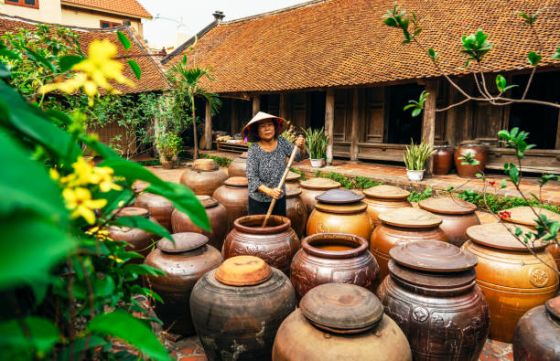
Fermentation is a worldwide phenomenon, older than written recipes. Our ancestors relied on it to survive, turning wild plants or harvests into safe, tasty staples. Picture Andean villagers chewing corn to make Chicha, a fermented beer, or Tibetans crafting Drawoe Kura, buckwheat pancakes with a tangy edge. In Ethiopia, T’ej (honey wine) fuels celebrations, while the Cherokee’s Gv-No-He-Nv (sour corn drink) sustained communities. Closer to my heart, German sauerkraut and pickles were Mum’s way of keeping our table vibrant. Today, fermentation is having a resurgence with home cooks and artisans rediscovering its magic. A kind of “Harvest Reimagined”. (Hat tip to Teresa from the BBSradio show, “All Learning Reimagined” 😉 luv you girl).
Fermentation for Beginners: Start with Sauerkraut
Ready to dive in? Fermentation is easier than you think—experts like Kirsten and Christopher Shockey (authors of Fermented Vegetables) call it forgiving and fun. Here’s a simple sauerkraut recipe to get you started, inspired by their hands-on approach:
What You’ll Need
- 1 medium cabbage (about 2 lbs)
- 1.5 tbsp sea salt (non-iodized, about 2% of cabbage weight)
- A clean 1-quart Mason jar
- A weight (like a smaller jar or fermentation weight)
- Here’s a link to find fermentation kits: https://www.amazon.com/s?k=fermentation+kit (disclosure: I am not an Amazon affiliate, this link is only to show you what is available on the market)
Steps
- Prep: Remove cabbage’s outer leaves, core, and shred finely.
- Salt: Mix cabbage with salt in a bowl. Massage for 5-10 minutes until it releases enough liquid to form a brine.
- Pack: Stuff cabbage tightly into the jar, pressing down so the brine covers the cabbage. Leave 1 inch of headspace.
- Brine: If you do not have enough brine to cover your kraut after the massage, you can whip some up on the stove top… it is a 2% salt solution. For every 4 cups of water, you dissolve 1 tablespoon of salt. Or for a smaller batch, 1 heaping teaspoon of salt to 1 cup of water. Make sure your cabbage is completely covered with brine.
- Weigh Down: Place a weight to keep cabbage submerged. Cover with a cloth or airlock lid.
- Ferment: Let sit at room temperature (60-75°F) for 7-14 days, a dark pantry or cupboard is best. After a week or so, taste daily to find your perfect tang.
- Store: When it’s just right, pop it in the fridge to slow fermentation.
Tips
- Keep equipment clean to avoid bad bacteria.
- If mold forms on the surface, skim it off—submerged cabbage is safe.
- Experiment with flavors: add garlic, dill, or caraway seeds.
Overcoming the Fermentation Fear Factor
New to fermenting? Don’t let the “stinky” reputation scare you. A sauerkraut crock smells sour and tangy - that’s normal! Foul odors mean something’s wrong, so toss it and start fresh. Worried about sourness or saltiness? Adjust fermentation time or salt levels to suit your palate. And safety? Keep veggies submerged in brine, and you’re golden. Fermentation is forgiving - nature’s on your side.
Fermentation as a Lifestyle
For me, fermentation is more than food. It’s activism—choosing sustainable practices over wasteful ones. It’s art - crafting unique flavors in every jar. It’s a spiritual path - connecting with the microbes and traditions that sustained our ancestors. Whether I’m perfecting gluten-free sourdough or sharing kraut with friends, fermentation is one of the ways I choose to live closer to nature. It’s a reminder that good things take time, patience, and a little funk and fun.
Join the Fermentation Party
From my mum’s German kraut to the global tapestry of Chicha and T’ej, fermentation is a delicious, healthy way to honor the past and savor the present. It’s not just for foodies - it’s for anyone with a jar, some veggies, and a sense of adventure. So, grab a cabbage, sprinkle some salt, and start your own kraut journey. Share your creations with friends or dive into recipes like Mexican pineapple vinegar or kombucha. Fermentation isn’t just food - it’s a fizzy, funky way to live. Who’s ready to get fermenting?
Written by Idaho Bo
Down and Dirty with Idaho Bo and Vivacious Vic
Airs every other Sunday at 4:00 p.m. Central Standard Time