
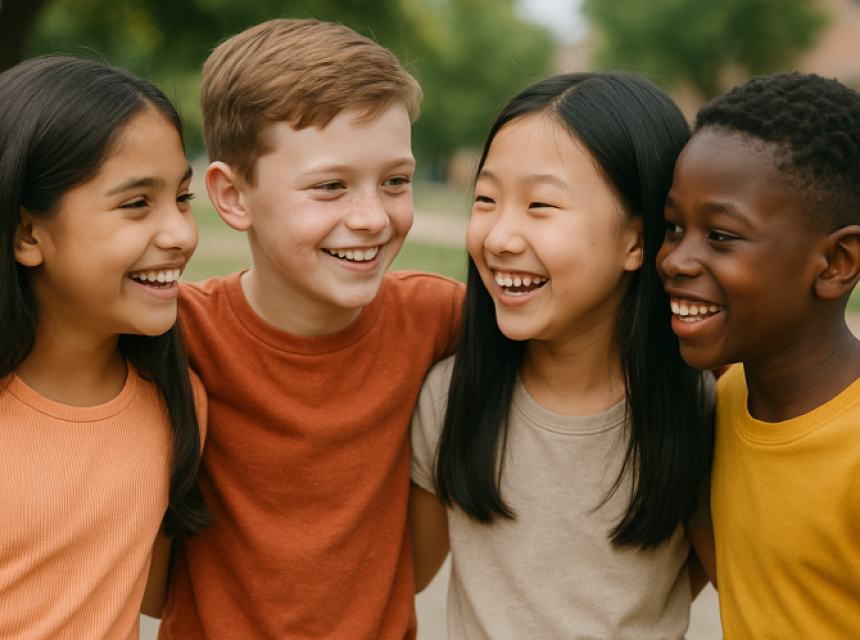
In every corner of the world, across languages, cultures, and beliefs, there is a truth that unites us all… we are magnificent living beings. Education, at its heart, is not about delivering content to empty vessels, but about nurturing the potential of each unique human being. We are not clones or NPCs to be programmed with content. We do not ‘download’ information. We FEEL it, resonate with it, LIVE learning. Play and stories are the most effective way to do this. It’s time to shift our focus from rigid curriculums to the vibrant, breathing child or teenager sitting before us.
An effective education mentor understands that knowledge alone does not inspire growth. What truly ignites a learner is connection: being seen, heard, and valued as a living being not a label or number. Building authentic relationships is not an “extra” in education; it is the foundation. When a child feels safe, respected, and understood, their mind opens, curiosity awakens, and a natural desire to learn emerges.
Learning to question is essential. Let’s look at the word ‘question’. It is a quest – I – on… I am on a quest – seeking truth. Let’s reflect and question our current ways of teaching and learning.
The approach to champion relationships and connects transcends borders and systems. Whether in a bustling city or a remote country town, a child’s heart seeks the same thing: meaningful connection. When mentors take the time to listen (really listen) to what matters to the child, learning becomes a co-creation. Lessons are no longer dictated but woven into the child’s world, their passions, and their questions.
Every child carries a unique story, a set of talents, and a way of seeing the world. By focusing on the living child rather than ticking off content boxes, we honor this individuality. We show them that their ideas matter, their experiences count, and their voice have a place in their learning journey.
Education that is grounded in relationship and relevance creates not only knowledgeable students but empowered, compassionate human beings. It equips young people with critical thinking, emotional intelligence, and the ability to adapt. They acquire skills that far outlast memorized facts.
In this fast-changing world, content will come and go, but the capacity to learn, to connect, and to navigate life with confidence is timeless. By teaching the living child, we are not merely preparing them for tests; we are preparing them for life.
Across every race, language, and faith, this principle stands: when we choose to mentor the child, not just the curriculum, we create learning that is alive, human, and deeply transformative.
If this topic resonates, then I encourage you to listen to the 9th August podcast on All Learning Reimagined when I interview inspiring educator Dolores Fernandez who has touched the lives of many people around the world.
Enjoy! Teresa 2025