
Hallo solution seekers,
There was a time when learning did not happen in separate rooms, divided by age and stage. It happened in homes, in communities and in the quiet moments between generations.
Children learned by observing, listening, asking, and participating alongside parents, grandparents, elders, and community members. Knowledge was lived, shared, and woven into daily life.
Across cultures, this way of learning has always existed.
In Aboriginal Australian culture, knowledge is passed through storytelling, observation, and connection to Country, guided by Elders. In Māori culture, learning is held within whānau, where generations grow together. In many Native American cultures, children learn through contribution and mentorship. And in Japan, respect for elders and shared responsibility creates natural opportunities for intergenerational connection in everyday life.
Learning was never separate from living.
And yet, in today’s modern world, many families are experiencing increasing separation. Busy schedules, geographic distance, and digital distraction have reduced the time and space for meaningful connection across generations.
This is not something to feel guilty about. It is simply something to become aware of because within this awareness lies an opportunity.
Intergenerational learning offers something deeply valuable in a fast-paced, information-heavy world. It brings depth to learning. It slows the pace. It creates space for conversation, perspective, and understanding.
When children engage with older generations, they are exposed to lived experience: stories of challenge, resilience, and change. They begin to see life through a broader lens. They learn patience, empathy, and the value of listening.
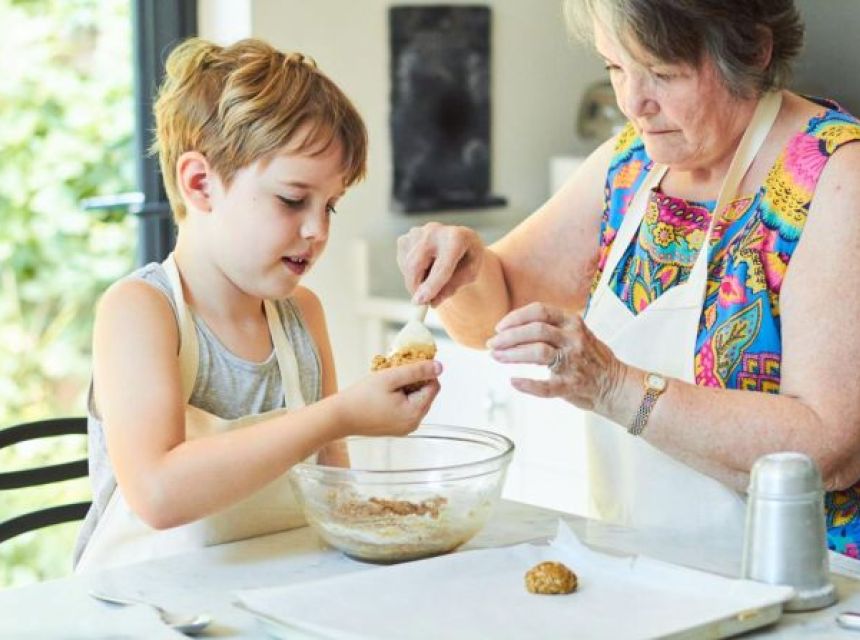
At the same time, older generations are not just “teaching.” They are also receiving. Children bring curiosity, creativity, and new ways of thinking. This exchange creates a dynamic, living form of learning where both are enriched. Beyond knowledge, something else is strengthened…belonging.
Children begin to understand where they come from. They feel part of a wider story. They recognise that learning is not confined to a classroom, but is something that flows through relationships and experiences.
And perhaps most importantly, intergenerational learning brings us back to connection.
In a world where so much communication is fast and surface-level, these interactions invite presence. They create moments where people are seen, heard, and valued. The beauty of this approach is that it does not require a complete lifestyle change.
It begins with small, intentional choices.
A conversation.
A shared task.
A story told and listened to.
These moments may seem simple…but over time, they create something powerful. They rebuild the bridge between generations and in doing so, they offer children something far deeper than information.
They offer perspective.
Connection.
And wisdom that can only be passed from one human experience to another.

To listen to an interesting podcast on intergenerational learning go to https://bbsradio/alllearningreminaged.
Recorded on to the 1st May 2026. See below for ideas to support your children. Enjoy!
Practical Activities for Families
1. Storytelling Circle (Weekly or Fortnightly)
Invite an older family member (in person or online). Ask:
- What was your childhood like?
- What is something you learned the hard way?
- What are you most proud of?
Let children ask their own questions too.
2. Shared Meal Experience
Cook a meal together using:
- a family recipe
- or a traditional dish
Talk about:
- where the recipe came from
- who used to make it
3. Skill Exchange
Pair generations to share skills:
- elder teaches: gardening, sewing, cooking, repairing
- child teaches: technology, apps, new tools
Learning flows both ways.
4. Walk and Talk
Take a walk with an older relative or neighbour. Prompt conversation with:
- “What has changed the most in your lifetime?”
- “What do you think matters most in life?”
5. Family Story Project
Create a simple:
- journal
- audio recording
- or video
Document stories, memories, and lessons.
6. Question Jar
Create a jar filled with prompts:
- “What advice would you give your younger self?”
- “What helped you through a hard time?”
Take turns answering.
7. Community Connection
If family is not nearby:
- visit a local aged care home
- connect with neighbours
- join community groups
8. Weekly Reflection
Ask your child:
- What did you learn from someone older this week?
- What did you share with them?