
The Sports Doctor, November 4, 2026


The Sports Doctor with Dr Robert Weil
Nitric Oxide Science, Executive Alignment, and Overuse in Youth Sports with Dr. Nathan Bryan and Steve Ringelstein
Dr. Bob Weil hosts a doubleheader on cellular vitality and inner coherence, examining nitric oxide science with Dr. Nathan Bryan, exploring mental alignment with executive mentor Steve Ringelstein, and offering guidance on youth sports injuries.
A Doubleheader Opens Live From Chicago
Dr. Bob Weil opens live from Chicago with his signature Sports Doctor greeting, thanking show sponsors Global Schoolwear by Tommy Hilfiger, Bryan Therapeutics, Lower Extremity Review magazine, and UK Health Radio. He announces an action-packed doubleheader featuring molecular medicine researcher Dr. Nathan Bryan alongside Steve Ringelstein, founder and chief executive officer of Evolve Institute. Framing the hour around human wellness, lifestyle medicine, and athletic performance, Weil outlines his long-standing three-part philosophy: eating smarter, staying active, and reducing stress. He welcomes Dr. Bryan back to the broadcast, asking the scientist to explain his background and his lifelong fascination with nitric oxide. Bryan traces his journey from rural Texas through the University of Texas, Louisiana State University School of Medicine, and Boston Medical Center to becoming a professor at the University of Texas Medical School in Houston. He explains how his laboratory research into cellular signaling led to dozens of patents and commercialized technologies.
Dr Nathan Bryan On Nitric Oxide Science
Bryan describes nitric oxide as an essential gaseous signaling molecule produced naturally to dilate blood vessels, improve oxygen delivery, and energize cellular organelles. Because conventional medical testing rarely measures nitric oxide, clinicians frequently overlook its early depletion. Bryan outlines a progressive symptom hierarchy starting with erectile dysfunction and elevated blood pressure, followed by insulin resistance, severe exercise intolerance, and eventual vascular dementia. He stresses that lifestyle choices directly modulate production, since good oral bacteria, wholesome nutrition, and exercise fuel the molecule while chronic cortisol drops levels. When Weil notes that pharmaceutical culture emphasizes sickness treatment rather than root causes, Bryan observes that America consumes seventy-six percent of worldwide pharmaceutical profits despite housing four percent of the population. Bryan highlights his peer-reviewed papers on PubMed and products at n1o1.com, including lozenges, fermented beet powders, skincare formulations, and oral-care items designed to support oral bacteria without adverse side effects.
A Book Announcement And Evolve Institute Welcome
During the program interval, Weil promotes his newly published book co-written with Hall of Fame volleyball competitor Sharkie Zartman, #HeySportsParents. He breaks down the four core sections: sports parenting fundamentals and coach dynamics, clinical advice on shoe selection and orthotics, expert guidance on nutrition and mental training, and first-hand reflections from sports parents. Weil also commemorates Lower Extremity Review magazine for a full decade of multidisciplinary reporting on lower-body health under the motto "Collaborative care for better outcomes." Returning live, Weil introduces Israeli-born entrepreneur and keynote speaker Steve Ringelstein, founder and chief executive officer of Evolve Institute. Reflecting on forty-five years in sports broadcasting, Weil emphasizes how mental readiness has evolved from an overlooked novelty into an indispensable component of elite athletics and general health. Ringelstein thanks Weil for having him on air, expressing eagerness to unpack how high-performance mentality and personal alignment intersect with long-term physical vitality.
Alignment, Nervous Collapse, And Body Intelligence
Ringelstein recounts launching his first enterprise in Israel at fifteen, relentlessly pushing himself until suffering a debilitating nervous collapse at forty while working seven days a week. Despite being in peak physical shape, he felt mentally and emotionally broken, an ordeal that forced him to study internal alignment across what he terms the seven intelligences. He explains that achieving inner coherence makes daily life flow smoothly, whereas misalignment causes friction and distress. Ringelstein advocates starting each day by checking in with the body through muscle testing and attentive listening. He shares how reconnecting with joy helped resolve an arterial heart condition that surgeons had scheduled for immediate bypass. Furthermore, after fracturing ribs and his sternum in a horse-riding accident, he stopped using pharmaceutical painkillers after three days because of harsh side effects, opting instead to process underlying emotional and energetic distress while resting. He directs listeners to evolve.institute and LinkedIn.
Shifting Narratives And Heart-Centered Communication
Following a commercial spot for Bryan Therapeutics detailing nitric oxide depletion after age forty and NO1 lozenges, Weil and Ringelstein examine how stress impacts young athletes and executives. Ringelstein notes that human conflict often arises when people carry past narratives into present interactions rather than experiencing the actual moment. Weil compares this struggle to mindfulness in sports, such as a golfer shedding memory of an errant swing before addressing the ball on the next tee. To dissolve anxiety, Ringelstein advises shifting attention from analytical head thinking down into the heart, asking oneself what one genuinely feels in the moment. He emphasizes self-honesty, recounting how coaching executives to replace fearful internal dialogues with paired positive affirmations fosters calm and resilience. He also warns against reacting out of high-stress survival states, noting that teaching emotional awareness helps parents avoid critiquing their children during tension-filled car rides following competitive youth matches.
Sports Doctor Previews And Youth Overuse Warnings
After sponsor spots for UK Health Radio and Tommy Hilfiger schoolwear, Weil launches into his signature Sports Doctor's In segment. He introduces Becca Tebon of RESET, showcasing her seventeen-minute gym-in-a-bag system for women navigating midlife, menopause, and hormonal vitality. Weil then previews upcoming broadcasts with mindset specialist Stuart Walker, pediatrician Dr. Whitney Casares, preparedness advocate Coila Seva'as, Daphne Sorensen of MiracleFeet, and a Thanksgiving-eve replay featuring Mike C-Roc and Dylan Jamelli. Offering his weekly Dr. Bob wisdom, Weil condemns celebratory helmet banging among football players, citing recent talks with sports agent Leigh Steinberg regarding repetitive head trauma. Drawing on Yankees physician Dr. Christopher Ahmad's warnings on Tommy John elbow surgeries among teenagers and recalling late mentor Bob Gajda's fitness teachings, Weil urges coaches and parents to prioritize foot and ankle strength, balance training, and injury prevention over year-round specialization before thanking BBS Radio and That 1 Brand Building.
Guest, Dr Nathan Bryan
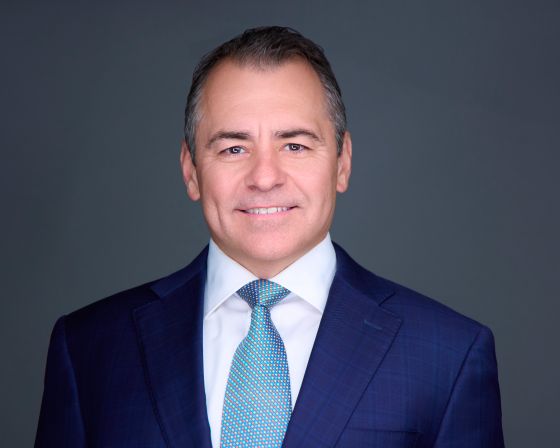
Dr. Nathan S. Bryan is a biochemist, entrepreneur, and author who specializes in nitric oxide (NO) and its role in human health. He's the founder and CEO of Nitric Oxide Innovations (NOI), a biopharmaceutical company developing NO-based therapies. Bryan's discoveries have led to patents and clinical trials, and he's the first to describe nitrite and nitrate as essential nutrients for cardiovascular health.
The Sports Doctor


The Sports Doctor is in! Dr. Robert A Weil, Sports Podiatrist, specializes in orthotics that improve alignment, stability, balance & performance. He has practiced podiatry & sports medicine for over 30 years in the Aurora- Naperville area and was recently inducted into the prestigious 2019 National Fitness Hall of Fame. Dr. Bob has treated many of the world’s premier athletes from all types of sports. He is the host of “The Sports Doctor™” Radio Show. The show is now featured on BBS Radio Network, UK Health Radio Network & Sports 4 Fanz Radio. Dr. Bob was formerly on Healthy Life Radio and was also on WDCB public radio in Chicago for over 20 years. He has written articles for many newspapers & magazines and is a frequent guest on other networks. And his new book, co-written with Sharkie Zartman, titled '#Hey Sports Parents! An Essential Guide for Any Parent with a Child in Sports' - is now available on Amazon!
Join the Sports Doctor and his great guests for important topical information for injury free exercise, wellness and sports performance for both adults and kids. Frequent topics include the role of the foot in sports, all aspects of sports medicine including, proper sports shoes, youth safety, health, wellness, and sports performance for both adults and children.
Speaker Identification
Speaker 1 - Announcer, Announcer
Pre-recorded disclaimer voice at the start of the program.
Speaker 2 - Dr. Bob Weil, Host
Introduces himself as Dr. Bob Weil, sports podiatrist and host of The Sports Doctor.
Speaker 3 - Dr. Nathan Bryan, Guest
Introduced as Dr. Nathan Bryan, CEO and scientist at Bryan Therapeutics.
Speaker 4 - Steve Ringelstein, Guest
Introduced as Steve Ringelstein, founder and CEO of Evolve Institute.
Speaker 5 - Female announcer, Announcer
Female voice presenting UK Health Radio and Health Triangle Magazine promotional announcements.
Speaker 1 - Announcer, Announcer:
Medical information obtained from our website or on the live show is not intended to be a substitute for professional care. If you have or you suspect you might have an illness or other medical condition, you should consult a healthcare provider.
Speaker 1 - Announcer, Announcer:
The opinions expressed on this radio program are not necessarily those of the sports doctor, this radio show, or their sponsors.
[Music: show intro theme]
Speaker 2 - Dr. Bob Weil, Host:
Hey, everybody, welcome live from Chicago. It's The Sports Doctor. I'm Dr. Bob Weil, sports podiatrist. All things sports, medicine, fitness, wellness and life, brought to you by Global Schoolwear, stylish school uniforms by Tommy Hilfiger, Bryan Therapeutics, therapeutic science in all areas of the nitric oxide world, LER, Lower Extremity Review, evidence-based magazine, and UK Health Radio.
Speaker 2 - Dr. Bob Weil, Host:
We've got a great doubleheader today. Dr. Nathan Bryan, he's the CEO, scientist, Bryan Therapeutics. He's an international leader in molecular medicine and nitric oxide biochemistry. He's returning along with Steve Ringelstein. He's the founder and CEO of Evolve Institute, a mentor to founders, leaders and their teams in so many different industries. He's a keynote speaker. Then The Sports Doctor's in with some Dr. Bob wisdom, a few emails.
Speaker 2 - Dr. Bob Weil, Host:
Dr. Nathan Bryan, welcome back to The Sports Doctor.
Speaker 3 - Dr. Nathan Bryan, Guest:
Dr. Bob, great to be with you.
Speaker 2 - Dr. Bob Weil, Host:
Dr. Nate, give us some background on yourself and your longtime interest in this magic molecule, nitric oxide.
Speaker 3 - Dr. Nathan Bryan, Guest:
Well, Dr. Bob, I'm a small-town Texas boy, grew up just outside of Austin, went to the University of Texas, get a degree in biochemistry, from there went to LSU School of Medicine, got a PhD in molecular and cellular physiology, then did visual training up in Boston at Boston Medical Center, and then in 2005, I started my own independent research careers, a professor of molecular medicine at the University of Texas Medical School in Houston.
Speaker 3 - Dr. Nathan Bryan, Guest:
And it was there we started the research into nitric oxide, made a lot of discoveries, published a lot of papers, got a lot of patents, and now we've commercialized those discoveries in terms of nitric oxide technology.
Speaker 2 - Dr. Bob Weil, Host:
And again in English, give us some of the bullet points on what's the big deal. I first thought it was nitrous oxide that I used to get at the dentist that I was breathing, but tell us in English the importance of nitric oxide in all areas of health and wellness. I know one of your famous quotes when people asked you who should take it, you said those who are sick and those who don't want to be sick. So give us some in English the nitric oxide point.
Speaker 3 - Dr. Nathan Bryan, Guest:
Sure. Well, nitric oxide is a signaling molecule that's naturally produced. It's a gas. It opens up your blood vessels, improves tissue oxygenation, activates the energy-producing organelles of the cells. And so it's today we call it a foundational molecule because it regulates everything we know about human performance, human optimization, disease prevention, longevity. How do we live a longer, healthier life free of disease?
Speaker 3 - Dr. Nathan Bryan, Guest:
So the data also tell us that when you lose the ability to produce this gas, it's the first event in the onset and progression of all chronic disease.
Speaker 2 - Dr. Bob Weil, Host:
That's a big deal. I mean, that's a big, big statement because we lived in the area of the sickness healthcare when we're talking about the whole revolution of these, it's great to see you as part of it, which is I call it the new medicine, which is number one, eat smarter. We can talk all day about that. Number two, keep moving. We could talk two days about that. And number three, reducing stress.
Speaker 2 - Dr. Bob Weil, Host:
You know, these new terms, the anti-aging, longevity, functional medicine, now biohacking. Nobody knew how to spell biohacking five years ago. So there's tremendous new emphasis now on health and wellness. And this is what we're really talking about. You talk about this basic molecule, you're talking about enhancing circulation. This is a big deal in the world of cardiovascular health, injury recovery, even in the mental game, isn't it?
Speaker 3 - Dr. Nathan Bryan, Guest:
Absolutely. You know, Dr. Bob, the three things you've pointed on, diet, exercise and stress, all are activated or can be can affect nitric oxide production. We know we can get it from the diet and the good bacteria in our mouth. We know that exercise activates nitric oxide production. That's why exercise is medicine. And when we're chronically stressed, you know, the elevation in cortisol, stress hormones, all down-regulate nitric oxide production.
Speaker 3 - Dr. Nathan Bryan, Guest:
So that advice that you've been giving for many, many years can all be traced back to ways we can enhance our nitric oxide production.
Speaker 2 - Dr. Bob Weil, Host:
I'll tell you I'll tell you how far back we can trace it. A few months ago, I had on from the Netherlands, Gordon Geddes. He's a Taoist therapist who talks about 2,500-year-old principles that are as basic today in the in the locker room or in the boardroom as they were 2,500 years ago. And the the you know, the tremendous emphasis again on the mental game. How does somebody measure whether they're getting enough or not enough nitric oxide, Dr. Bryan?
Speaker 3 - Dr. Nathan Bryan, Guest:
Well, you know, Dr. Bob, that's the problem because it's not part of the patient assessment, it's not something we measure in in blood, so we have to rely on symptoms. And so the problem in conventional medicine, as you know, that doctors only treat what's measured. And since nitric oxide is not measured, it's typically ignored in patient care.
Speaker 3 - Dr. Nathan Bryan, Guest:
But you know, we understand there's a hierarchy of symptoms. So the first sign and symptom of nitric oxide insufficiency is erectile dysfunction. If you can't dilate the blood vessels of sex organs, you can't get an erection. Number two, your blood pressure goes up. Two out of three Americans have an unsafe elevation in blood pressure.
Speaker 3 - Dr. Nathan Bryan, Guest:
Number three, you develop metabolic disease, insulin resistance, diabetes, because nitric oxide is required for insulin signaling. Number four, you lose you develop exercise intolerance, you can't, you know, go up a flight of steps without getting short of breath. And then fifthly, the kind of the last stages of chronic nitric oxide deficiency is dementia and Alzheimer's, a vascular metabolic disease characterized by complete loss of nitric oxide.
Speaker 2 - Dr. Bob Weil, Host:
Yeah, so again, you know, the things like fatigue, when we used to talk about the chronic fatigue syndrome. What's the best site people can go to to find out about you, Bryan Therapeutics and the product?
Speaker 3 - Dr. Nathan Bryan, Guest:
Well, Dr. Bob, I'm all about education, so I send people to my YouTube channel to get properly informed on the science of nitric oxide. It's Dr. Nathan S. Bryan Nitric Oxide. You can follow me on Instagram, Dr. Nathan S. Bryan, LinkedIn. I'm on PubMed, published over 100 peer-reviewed papers. And then, you know, follow our drug discovery journey at bryanotherapeutics.com.
Speaker 3 - Dr. Nathan Bryan, Guest:
For our consumer products, which we have dietary supplements, energy products, oral line of products, skincare, it's n1o1.com, the letter N, number 1, letter O, number 1 .com.
Speaker 2 - Dr. Bob Weil, Host:
So the ability to, for instance, suck on a lozenge, which will dissipate in your mouth, which allows you to enhance that and get the nitric oxide is a very, very simple, easy way, to assimilate it. But when you talk about things that aren't measurable and, you know, in our quote-unquote healthcare system, how has the response of the medical community, general practitioners?
Speaker 2 - Dr. Bob Weil, Host:
You know, the world of diabetes, you know, I've been very, very involved in the world of diabetes with juvenile type 2, which was renamed decades ago because it was adult-onset diabetes with the explosion in teenagers, trying to get the population to include exercise and and diet in such a big way. How has the medical profession, the psychology profession accepted the fact that they've got to pay attention to nitric oxide and its value?
Speaker 3 - Dr. Nathan Bryan, Guest:
Well, you know, it's a slow process because they're not taught this in medical school. You know, I taught in medical school for a number of years, and it's not part of the curriculum, so we're having to retrain and re-teach these.
Speaker 2 - Dr. Bob Weil, Host:
Yeah, good luck to you.
Speaker 3 - Dr. Nathan Bryan, Guest:
Yeah, right. No, but what happens is we actually we publish the papers, and you can't ignore the science, not only the basic science understanding mechanism of action, but also doing clinical studies on our products and advancing the technology through drug trials. So, you know, as we advance the science, get more published clinical papers out there, they can no longer ignore it. It's part of the foundation for human health and longevity.
Speaker 2 - Dr. Bob Weil, Host:
Well, this is again like whether we're looking at the physical side of high performance and sports medicine or we're looking at the mental side, which has grown dramatically over the past decade. I remember the first great baseball player I put orthotics in his spikes, Eric Soderholm with the White Sox, 1978. He had a hypnotist who worked with him, and the team thought he was out of his mind.
Speaker 2 - Dr. Bob Weil, Host:
Now you've got every serious team, you know, including paying big attention to the mental challenges. And the the situation with health and wellness, anti-aging, longevity, you know, functional medicine was considered, you know, really off the walls not that long ago. It was either considered alternative. Over the decades, I've had both Eastern and Western cultures involved in so many ways. And alternative was either me or you, so we came up with the term complementary. Made everybody happier, Nathan.
Speaker 3 - Dr. Nathan Bryan, Guest:
Hey, I think Americans are waking up. You know, we're the sickest people on the planet. We make up 4% of the global population, but we're responsible for 76% of the global profits for big pharma. And I think people are sick and tired of being sick and tired. Drug therapy typically doesn't make us better. And so people are waking up trying to figure out how can we do different, how can we do better?
Speaker 2 - Dr. Bob Weil, Host:
I say everything again. That's why the new medicine is so simple when we're talking about paying huge attention to your individual history, nutrition, paying attention to include something the earlier the better as far as activity. We've got to get these. I wrote something in 2008, Dr. Nate, it was called Let's Get 'Em Walking. I wanted elementary schools to include walking as part of the curriculum. If you're walking every day, you can't be obese.
Speaker 2 - Dr. Bob Weil, Host:
You know, we're still today, there's as much obesity and childhood obesity as there ever was. So again, like you're talking about, this sickness culture is something that we're really working on the awareness side, the education side, and hopefully the action side, getting these communities to pay big attention to, you know, either preventing problems, number one, or enhancing.
Speaker 2 - Dr. Bob Weil, Host:
And you know, the United States is one of only two countries in the world, New Zealand's the other one, that allows advertising of prescription drugs on TV. And if it's not a prescription drug, it's a diet, you know, program. So you're talking a tough sell in re-educating. Like you said, you remember all your years in medical school. How much attention did they pay to either the mental side or nutrition, right? You could count it on five days.
Speaker 3 - Dr. Nathan Bryan, Guest:
That's right. No, but look, that's too simple, Dr. Bob. There's nothing sexy about that, so. But it works. It's stood the test of time, as you said. So I think, you know, we've become too sophisticated in medicine, and it gets back to the basics of root cause. It's what you eat, what you put in your body, on your body, and if you exercise and how you handle stress. That's a very simple recipe for good health.
Speaker 2 - Dr. Bob Weil, Host:
It really, really is. It's also a great recipe for the best athletes in the world, or their parents, or their coaches. Again, when we're talking about rest and recovery from whether it's from injury or from wear and tear is a huge challenge today. And this is what excited me about the nitric oxide side of things, which was again enhancing healing, no side effects, true?
Speaker 3 - Dr. Nathan Bryan, Guest:
Absolutely true. We've got a number of published clinical studies showing absolutely no side effects.
Speaker 2 - Dr. Bob Weil, Host:
And when you have again when you're talking dementia, you know, seniors are a huge part of of my audience when we're talking fall prevention, you know, the right shoe, all of these challenges, or whether we're talking the best in the world, we're talking again about education in so many different areas. You know, but we grew up with a system like our nutritional system, three meals a day and all of these kinds of things. It's tough things to change sometimes.
Speaker 2 - Dr. Bob Weil, Host:
When we're looking to pay attention to, you know, trying to enhance recovery, you know, hey, Dr. Nathan, can't you get me better yesterday? Right?
Speaker 3 - Dr. Nathan Bryan, Guest:
That's right.
Speaker 2 - Dr. Bob Weil, Host:
And I think, you know, when you're talking sports teams and again you're talking about the enhancing recovery, making a difference in some of these chronic kinds of problems, we're all aware of the opioid painkiller nightmare that we've we're still living through it in so many areas, and the ability of natural substances to make a difference in recovery, this is a very big deal today, isn't it?
Speaker 3 - Dr. Nathan Bryan, Guest:
Absolutely. I think it's the future of medicine. It's certainly, you know, we have a number of athletes, Olympic teams that use our nitric oxide because they're usually the first adopters, you know, how do they enhance their performance, and nitric oxide is foundational for that. So I think the the awareness, number one, the proper awareness in the science. There's too many companies out there, marketing companies, selling products as nitric oxide that aren't nitric oxide. I think it's doing the entire industry a huge disservice because they're selling products that don't work.
Speaker 2 - Dr. Bob Weil, Host:
Yeah, the the world of misinformation, good luck to us, between the pandemic on the left, yeah. So what my the people who contributed to my book, #HeySportsParents, so child, adult psychiatrist, Dr. McDermit, 10, 15 years ago said, "Look out for social media. And look out for Now you've got so much misinformation." And you just mentioned one great example of that, which is who can you believe? And there's so much Everybody's a coach today.
Speaker 2 - Dr. Bob Weil, Host:
You know, 10 years ago if you mentioned the word coach, we thought of somebody on the sidelines. Now everybody's an expert. And this is this is a real challenge, and we try to pay big attention to that on The Sports Doctor, Dr. Nate.
Speaker 3 - Dr. Nathan Bryan, Guest:
Yeah, no, it's a huge problem. You know, it's not just awareness, but now we're having to go an extra step and correct the record from the companies out there providing the misinformation. It's double duty.
Speaker 2 - Dr. Bob Weil, Host:
And you're talking now whether it could be topical products as well as when you have lozenges, you have other kinds of Give us some examples of Bryan Therapeutics.
Speaker 3 - Dr. Nathan Bryan, Guest:
Well, we have a consumer line of products. We make the lozenges, the dietary supplement. We make a fermented beet powder that we use as a pre-workout or energy product. We make a skincare line of products. You know, the skin is an organ just like the heart, the brain or the sex organs, so we have to maintain good circulation and and blood flow. And then we know we discovered the bacteria in the mouth that are responsible for nitric oxide production, so we've developed a nitric oxide microbiome friendly toothpaste.
Speaker 3 - Dr. Nathan Bryan, Guest:
And we're about to launch a nitric oxide-friendly mouth rinse. All of those Everything we do
Speaker 2 - Dr. Bob Weil, Host:
What are the age groups? What are the age groups that we Are we talking 3 to 103, Dr. Nate?
Speaker 3 - Dr. Nathan Bryan, Guest:
Look, if you've got teeth and you brush your teeth, certainly the oral line of products are are fit for everybody. The supplements, you know, we have kids, my young kids, you know, take it. They're high school athletes, state, you know, all-state athletes. We've got professional athletes use it, NFL, NBA, Olympic athletes. And then we've got the, you know, the geriatric populations, the 70s, 80s, 90s, even beyond that take it.
Speaker 2 - Dr. Bob Weil, Host:
Yes, this again yes, 80s is the new 60, and 70s the new 50. I knew the time would fly with you. Give us the best place to find out about you and the products.
Speaker 3 - Dr. Nathan Bryan, Guest:
The best place is n1o1.com, that's the letter N, number 1, letter O, number 1 .com. You can read my bio on there and have access to all the products.
Speaker 2 - Dr. Bob Weil, Host:
I knew the time Hold on for us for a second, Dr. Nate. Everybody, it's The Sports Doctor, Dr. Nathan Bryan, Bryan Therapeutics. We'll be right back. Hold on, Nate.
[Music]
Speaker 2 - Dr. Bob Weil, Host:
Hey, everybody, Dr. Bob Weil, The Sports Doctor. I'm excited to announce the release of my new book co-written with Sharkie Zartman, #HeySportsParents, an essential guide for any parent with a child in sports. You know Sharkie is a former Hall of Fame volleyball player. She's the mom of two daughters who became Division I volleyball players. Together, we have over 70 years of combined youth sports experience.
Speaker 2 - Dr. Bob Weil, Host:
The goal of the book, give you the essential tools and guidance to make your experiences as sports parents the best it can be. #HeySportsParents is divided into four sections. The first section, Sports Parenting 101. Sharkie talks everything about parenting, about coaching, that whole interaction between parents and coaches, coaching your own kids. What's What are the things to really pay attention to?
Speaker 2 - Dr. Bob Weil, Host:
The second section is The Sports Doctor's In, yours truly, my discussion of injury prevention and treatment, choosing the best shoes, youth sports and drugs, the essential exercises, the dilemma of youth football, orthotics. Third section, experts speak out. We bring together eight different experts in nutrition and sports performance and mental training, in all aspects of coaching in that section.
Speaker 2 - Dr. Bob Weil, Host:
The last section is the parents' perspective, some insights from about a half a dozen parents of athletes. So everyone, hey, get out your megaphone, spread the word, now available on Amazon. Order now. You'll be more confident, so will your young athlete. #HeySportsParents.
[Music]
Speaker 2 - Dr. Bob Weil, Host:
Hey, everybody, Dr. Bob here. LER, Lower Extremity Review magazine is celebrating their 10th anniversary. It's been a decade of providing key clinical and practical information about concerns, conditions and treatment solutions for the lower extremity, both sports and non-sports alike. LER is the only multidisciplinary publication for doctors of all specialties, educators, therapists and trainers.
Speaker 2 - Dr. Bob Weil, Host:
They inform practitioners on current developments in the diagnosis, treatment and prevention of lower extremity injuries. LER prides itself on editorial integrity and evidence-based content. Their tagline, collaborative care for better outcomes, says it all. Hey, colleagues, go to lermagazine.com.
[Music]
Speaker 2 - Dr. Bob Weil, Host:
Hey, everybody, welcome back live. It's The Sports Doctor. I'm Dr. Bob Weil, sports podiatrist. We want to welcome Steve Ringelstein. He's the founder, CEO of Evolve Institute. He's a mentor to founders and leaders in so many different industries and their different groups. He is also a keynote speaker. Steven, welcome to The Sports Doctor.
Speaker 4 - Steve Ringelstein, Guest:
Thank you so much, Dr. Bob. Glad to be here.
Speaker 2 - Dr. Bob Weil, Host:
You know, we spend so much over the gosh, give or take a few weeks, 45 years on live radio on The Sports Doctor, we pay huge attention to the mental game. I have psychologists, psychiatrists. I had a Tao therapist from the Netherlands on talking about 3,000-year-old principles. And the idea of the mental side of things in the area of high performance, in the area of changing somebody's lifestyle, give us some background on yourself, your Israeli background, some of the different businesses that you got involved with leading to this Evolve Institute.
Speaker 4 - Steve Ringelstein, Guest:
Okay. So yes, I was born in Israel, and I've done the entrepreneurship path. Israel is a startup nation, so I was always, since age 15, I started my first business, and I just pushed all the way to the edge anything I could. And when I was younger, it worked. When I got older, not so much. As you age, life tends to and your body tends to slow you down.
Speaker 4 - Steve Ringelstein, Guest:
So my background is entrepreneurship, but my focus was always performance. I was very I'm still very competitive, and I wanted to absolutely get the most I can out of every minute, every moment out of my life. So my life has brought me a lot of troubles. At 40, I had a nervous breakdown because I pushed the businesses so much. I worked seven days a week.
Speaker 4 - Steve Ringelstein, Guest:
And I didn't know what happened. I didn't know even where to begin. I didn't know what's wrong with me. I was in good shape physically, but I mentally, I was crushed. Emotionally, I was crushed. Energetically, I was crushed, and I had no guidance to where to go from there. And it's the first time in my life I wanted to die. I'm like, "Wow, how did I get here? All that enthusiasm about life, wanting to die." That's a huge a huge down.
Speaker 4 - Steve Ringelstein, Guest:
And that led me to begin to investigate how did I get here, and what is causing this collapse? And you could say in today's world, okay, stress, and pressure, and time and all that. But what I discovered is that it's the level of coherence or non-coherence I was playing my life. So coherence is where all aspects of my life are aligned all the way from my soul to my physical body, my emotional, the seven intelligences, as I call them.
Speaker 4 - Steve Ringelstein, Guest:
And if they're aligned, everything is slow and easy. If they're not aligned, everything is hard.
Speaker 2 - Dr. Bob Weil, Host:
Yes, we Well, you know, what's fantastic, Steve, is again over the years having experts on in every every area of all of these angles, which is number one, the acceptance about how important the so-called mental game is, whether you're the best athlete in the world, whether you're their coach, whether you're a high achiever in business where all of a sudden somebody has tremendous success and he's miserable like you're talking about because he forgot the word fulfillment, maybe, what they were trying to do.
Speaker 2 - Dr. Bob Weil, Host:
Whether they would even include it, besides all these goals, and pushing, and the overkill is in in so many ways. It's such a big deal in sports, you know, overuse, just just too much too much pressure put on ourselves. So now we've started to see in the areas of functional medicine, in the areas of longevity, and the importance of the mental game, some equaling out finally in what is the You know, placebo effect, thinking something is helpful is at least 25% of medicine.
Speaker 2 - Dr. Bob Weil, Host:
I know you mix that in in some areas. And you pay huge attention to that side of things that it really, really counts, and you could train these systems in order whether you're going to meditate, whether you want to visualize, whether you must include rest and recovery in your program, which sounds like what was really missing initially with you, Steve.
Speaker 4 - Steve Ringelstein, Guest:
Absolutely. You're absolutely right, Dr. Bob. What I found is less is more. That the more the faster you want to move in life, the slower you got to move. It's crazy. The more you need to rest.
Speaker 2 - Dr. Bob Weil, Host:
Yes, but that's easier that's easier said than done. It's amazing. And you know, plus the fact today there's a coach on every corner. Life coach, and a fitness coach, and a you know, all of these things, and the misinformation is very, very problematic. I was talking with that, you know, with our first guest, you know, one of our T1 members with you, the famous Dr. Nathan Bryan talking about and that nitric oxide when you're talking, you know, health and wellness.
Speaker 2 - Dr. Bob Weil, Host:
And what I talk about, and Steve, what I include is the is the new medicine, which is very simple. It's number one, eat smarter. Pay attention, educate yourself about nutrition. Number two is keep moving. There's a lot of choices. You want to be a runner, you want to go to the gym, you want to do yoga, choose something. And number three is reducing stress. This side of, you know, adding something else. What are some of the bullet points in Evolve Institute?
Speaker 4 - Steve Ringelstein, Guest:
Well, one of the key things to know what is true from all the noise of information out there is to ask your body. And we can do that through muscle testing or other ways that your body will actually talk to you if you're willing to listen to tell you what is the root cause and what is the body needs. And the body has different needs at different ages, at different days, at different seasons. I simply sit every morning and ask my body, all parts of my body, "What do you need today, and how can I support you?"
Speaker 4 - Steve Ringelstein, Guest:
That has been a life-changing for me. And when a doctor offers me any kind of diagnosis, and I had one four years ago with 25% of my heart not receiving blood, that's dangerous, they wanted to get me to a surgery room to do bypass surgery in two days, and I'm like body says no. And I went to the root cause, and believe it or not, it was the lack of joy. And once I introduced joy to my life, the heart worked itself and fixed itself in three months later, it's perfectly fine.
Speaker 2 - Dr. Bob Weil, Host:
Years ago, this was a very, very tough sell. This was considered voodoo. You know, what are you telling me here that if I add joy, you know, I'm going to my body is going to change, I'm going to make a difference in symptoms?
Speaker 2 - Dr. Bob Weil, Host:
And the idea is the science is showing that this is a real point. It's taken a long, long time for people to accept, whether you want to call it spirituality, I don't try to call it organized religion because that causes more hassles than almost anything else except, except politics.
Speaker 2 - Dr. Bob Weil, Host:
And again, when you're talking high-performance sports or high-performance medicine, spirituality, nobody argues with it, that there's a higher power or it's a very powerful thing. But not that many years ago, it was considered voodoo, like the story about the hypnotist, which was, you know, "What are you talking about?"
Speaker 2 - Dr. Bob Weil, Host:
But now the science is starting to show that paying attention to these things really, really makes a difference. What are some of the things in the areas of recovery and rest and recovery that you find important?
Speaker 4 - Steve Ringelstein, Guest:
I find to do recovery all day long. What that means is every hour I pause for 5 minutes and I just listen. And I listen to my body: What do I need? Do I need to go to the bathroom? Do I need to drink something? A lot of quick check-ins. Then, of course, twice a day, in the morning and evening, through meditation.
Speaker 2 - Dr. Bob Weil, Host:
Are you talking about just being, where you're going to take this the time to just be for a few minutes and and then you're going to pay attention to that side of things?
Speaker 4 - Steve Ringelstein, Guest:
Exactly. You know, four months ago, I fell off my horse and I fractured ribs and my sternum. And I was 3 months in bed in severe pain, no painkillers, and there's nothing I could do. So the only thing I could do is just be and be with the pain, which is very uncomfortable, but it was life-changing at the same time because just
Speaker 2 - Dr. Bob Weil, Host:
Why wouldn't you take Why wouldn't you take pain medicine? That's what it's for, if you're smart.
Speaker 4 - Steve Ringelstein, Guest:
Well, I did take pain medicine. Yeah, I did take pain medicine for 3 days, 3 nights. The side effects were horrific for me. And my body guidance, my body said, "Don't take it. Just be with the pain." And when I was with the pain, other stuff came up that I needed to process: emotional pain, energetic pain. I was like, "Wow!" I would never found it if I didn't actually sit with the pain, which sounds really counterintuitive and very uncomfortable.
Speaker 2 - Dr. Bob Weil, Host:
When you think about it, what is the best place, site that people can find out about you and your work?
Speaker 4 - Steve Ringelstein, Guest:
Our website is evolve.institute. It's not .com, it's .institute. And also, you could find me at Steve Ringelstein on LinkedIn. And I can give you a quick email that is easy to find me is sr2028@gmail.com.
Speaker 2 - Dr. Bob Weil, Host:
Okay. How have you found the the medical world, again, you've been involved in so many different companies, you've been a mentor to many very, very successful areas. How have you found the uh feedback and response of this tremendous mental attention and, like you said, you know, counterintuitive things,
Speaker 2 - Dr. Bob Weil, Host:
regarding the awareness side in society or in in health and wellness, and the new the new attention to health and wellness? How have you found that uh collaboration or cooperation? Usually when I ask how your sports psychology skills are, most of the time my experts, they roll their eyes, Steve.
Speaker 4 - Steve Ringelstein, Guest:
I get the same response, Dr. Bob. So, all I do is I ask, "Are you interested? Can I offer you a different perspective?" And most of the time I'll get a no. But the time that I get a yes in when the problem is really painful and scary. I had a CEO that I was assigned to coach him, and he said no.
Speaker 4 - Steve Ringelstein, Guest:
And then 3 weeks later And I told him, "You're You're not doing well." And he said, "Yeah, I am." 3 weeks later, he called me from the ICU. "I had a heart attack. When can we start?" Right? So that was a yes right away. So, I find that the people who are aligned to open up and are ready show up, and those who are not, that's okay, too. Everybody has a journey, right?
Speaker 2 - Dr. Bob Weil, Host:
Yes. And the it's interesting because alignment is is important physically, when we're talking about what's your alignment biomechanically, your feet, ankles, knees, legs, hips, and your mental alignment, where it's become again something that's of of such a value uh and importance. And what are some of those points that you pay attention to in the in the institute as far as some of these uh uh different values where you mentioned is it the seven principles?
Speaker 4 - Steve Ringelstein, Guest:
Seven intelligences. We pay attention and communicate. We learn the language of communicating with your body, with your emotions, with the energy that you're sensing, with your soul, higher self, with the root cause of what's behind all of your creation, because whatever you can create you can also uncreate.
Speaker 4 - Steve Ringelstein, Guest:
And also the collective intelligence: how is your environment impacting you? Because you could be in a toxic environment, which I was, that had a very negative impact. There's nothing wrong with me; I was just in the wrong place and the wrong time. So we're learning to listen to all those
Speaker 2 - Dr. Bob Weil, Host:
Well, you're talking about society Yes, when you're talking of society today, where there's 50% divorce rate, and there's all sorts of mixed families and different other kinds of of uh of challenges, uh adopted children and whatever, and some of these different family dynamics, it's really it's added a lot more stress, let alone between the pandemic and social media,
Speaker 2 - Dr. Bob Weil, Host:
where you have, you know, somebody who's burning the candle on on uh uh 10 uh different ends in in those regards when they you want them to be able to uh uh pay attention. And these values, again, whether you're dealing with a boardroom with high-performing What are the age groups that you find yourself paying attention to?
Speaker 4 - Steve Ringelstein, Guest:
Well, I have a variety of age groups that come to see me, but I would say mostly is uh they're over 40. There's something at 40, just like for me, that wakes you up, and whether you're in a spiritual journey or asking, "Why am I really here? What's Why am I doing all this for?" Whenever that moment comes, usually it's the 40s and 50s for people that are waking up to ask those deeper questions and reflect on the life they have lived like a robot and not paying attention to anything, just keep going as fast as they can.
Speaker 2 - Dr. Bob Weil, Host:
And now a lot of them are parents themselves. So, again, that you have uh many times these kinds of pressures on these kids involving the world of youth sports or the parents who are coaches or the sports parents who are trying to learn how to deal with the same kind of anxieties.
Speaker 2 - Dr. Bob Weil, Host:
The late, great sports therapist Dr. Jim Zikry, when he used to come with me talking to parents and teams, and he'd say to these crazy sports parents, you know, "Don't be a critic. Don't be analyzing your son and daughter's activity on the way home in the car," adding to more anxiety, because those are the age groups where you got some of these young parents who are dealing with kids who are very active in athletics, like you were. What sports did you play, Steve?
Speaker 4 - Steve Ringelstein, Guest:
I did running. I played European handball. I played soccer and tennis. Almost any any kind of sport that I could play, I would really go at it and become very competitive. But you know, you mentioned kids, it's really important because when we teach the parents, like the CEOs, the executives, they bring it home.
Speaker 4 - Steve Ringelstein, Guest:
For example, when you are in a high stress mode and not functioning in reactive, we call it Zone 1. And then the parent, the CEO, will tell me, "You know, I got home today and my kid told me, 'Dad, I'm not talking to you in Zone 1.'" The kids hold their parents responsible. So go chill out, then come talk to me. So people want to learn how to stay in the high frequency zone, in the flow state, and before they actually get activated and triggered to go to the Zone 1 low frequency.
Speaker 2 - Dr. Bob Weil, Host:
And do you find again, you know, the early education where some of these principles uh make so much sense to be included somewhere in the curriculum? I see a lot of positive changes in a lot of areas, and in a lot of other areas where we're still way, way behind with some of these particular values. What's been your experience?
Speaker 4 - Steve Ringelstein, Guest:
It's it's very true, and what I'm seeing, and I have worked with some kids, and I've talked to a lot of kids, high stress level, they're vaping, they're doing all the the non-good habits. If I had to offer them one thing, which I do, and that's what all of us can offer those kids, is a way to process their emotions. They don't know how to process emotions. They block it. They either
Speaker 2 - Dr. Bob Weil, Host:
Keep that in mind, Keep that top in mind because we're going to come right back after commercial. We want to talk more about that, Steve Ringelstein, talking about all these mental challenges. It's the Sports Doctor, everybody. We'll be right back.
[Music: transition]
Speaker 2 - Dr. Bob Weil, Host:
Hey, everybody, what if there was a single molecule that your body is missing that is responsible for low energy, brain fog, high blood pressure, other issues, including sexual dysfunction? Well, this life-changing molecule is nitric oxide. Your body naturally produces this molecule, and as you age, the natural production declines.
Speaker 2 - Dr. Bob Weil, Host:
In fact, by age 40, you have less than 50% what you had in your 20s. Dr. Nathan Bryan, who is a molecular scientist, spent more than 25 years in academia studying this critical molecule. Bryan Therapeutics has discovered why people lose the ability to naturally produce nitric oxide.
Speaker 2 - Dr. Bob Weil, Host:
His discoveries have led to the development of a nitric oxide-releasing lozenge, NO1. This product releases nitric oxide even if your body cannot produce it, and actually improves the body's ability to make it naturally. There is no other product quite like this in the world of nitric oxide. Go to www.nlo1.com.
[Music: show bumper]
Speaker 2 - Dr. Bob Weil, Host:
Hey, everybody, welcome back! It's the Sports Doctor. We're talking with Steve Ringelstein, the founder and CEO of Evolve Institute. We were talking, again, about these young parents and what they might be bringing home in one regard or another, with so much stress on our adolescent population, that's not news to anybody.
Speaker 2 - Dr. Bob Weil, Host:
There's so much enhanced stress and anxiety in so many ways. Pick up on that a little bit, Steve, about how you might be assimilating, you know, whether the person that you're dealing with is a weekend warrior, whether their kids are serious in sports, or these kinds of relationships, especially with extended families, and a lot of these new uh uh situations brought into the mix.
Speaker 4 - Steve Ringelstein, Guest:
Well, one thing I've noticed is we all have stories, narratives, and they're usually false narratives about other people: family members, colleagues, friends. As soon as we see them, we bring the past of how we interacted with them into the conversation. When we do that, we are not in the now moment. We are not in the present anymore.
Speaker 4 - Steve Ringelstein, Guest:
A lot of people, they start talking, "How are you?" And they tell me, "Well, last week I went over..." "Hey, last week is not now. Tell me, bring it to the now, because in the now there are no stories. It's just my direct experience of how I'm experiencing you, Dr. Bob, right now. That's it. I cannot tell you, you know, what happened a week ago and stories about it." So, by stripping away the narratives that the mind keeps running, we actually stop creating the emotional
Speaker 2 - Dr. Bob Weil, Host:
Isn't that one of the world's great challenges? The big word, I've talked about it for a long time before medicine knew how to spell it, the word is mindfulness. You know, can you can you be in the present? Can the golfer forget the last lousy shot that he hit when he goes to the next hole?
Speaker 2 - Dr. Bob Weil, Host:
But this is again, it sounds so simple, but trying to pay attention like you were talking about, you know, listening to your body even a few different times, just being, paying attention to that, the mindfulness, I think, is a is a strong skill, isn't it?
Speaker 4 - Steve Ringelstein, Guest:
It is. You know, the heart condition that I had to deal with, I actually had to listen to my heart, and I never listened to my heart. You know, as a doctor, you know, you listen to people's hearts, right? I never listened to my heart. Actually, I got a stethoscope and I put on my heart, I was like, "Wow, there's so much going on there."
Speaker 4 - Steve Ringelstein, Guest:
But it's not just the physical listening of the pump, but it's also what else is your heart telling you? And that's a moment of presence. So a simple exercise anyone can do from the listener is when you are talking to someone, you're in your head, that's just normal. If you can pause and bring the energy from your head to your heart, and ask, "How am I feeling right now?" and move,
Speaker 4 - Steve Ringelstein, Guest:
and instantly you calm down, instantly you're in a different realm of the present moment. The mind is never in the present moment, the heart is always in the present moment. Simple exercise, you bring presence, and anxiety and all that goes down right away.
Speaker 2 - Dr. Bob Weil, Host:
So somebody then can add the point of being a good listener, let's say, for that particular point where they can pay attention to what they're, not only what they're hearing, but how what they're feeling about it, compared to so many conversations where, like you're saying, we're already rushing into the next point instead of paying attention, at least including, it's one of my favorite words,
Speaker 2 - Dr. Bob Weil, Host:
you know, without trying to get crazy about making these changes in our own psyche, but including some of these important principles to just maybe take a deep breath and slow down and be a good listener.
Speaker 4 - Steve Ringelstein, Guest:
Absolutely. And for me, a good listener is listening with your heart. When you listen with your heart, it's not just the words, but what's behind: you can hear the intentions, you can hear the feelings, you can everything. When you listen with your heart, you're present. When you listen with your mind, it's like you said, you're thinking about what are you What are you going to say next?
Speaker 2 - Dr. Bob Weil, Host:
You know, with all this attention to brain health in the past decade or so with the post-concussion and dementia, and Alzheimer's, and such tremendous attention, again, to the mental side of things, the points you're making are just as important again on these particular mental When you're trying to prevent problems as it would be to straightening things out,
Speaker 2 - Dr. Bob Weil, Host:
there's a lot of awareness involved in what you're talking about in Evolve Institute, isn't there?
Speaker 4 - Steve Ringelstein, Guest:
There's a lot of awareness, and I can tell you that I use that as self-talk. I talk to myself all the time. When you hear yourself talking, you become aware of it. So I'm saying, "Right now, I'm confused. Right now, I'm feeling anxiety. Let's see what" I actually speak loud, and I include that in my conversations.
Speaker 4 - Steve Ringelstein, Guest:
So rather than being non-transparent, I say, "Right now, I lost I lost our conversation. What did you say? I want to listen to it again with my heart." So it's really being transparent about what is your direct experience in the moment, and just speak it. If you speak it, you hear it.
Speaker 2 - Dr. Bob Weil, Host:
And the idea again of the areas of uh leaders and performance and trying to pay attention to attitudes or the areas of gratitude, some of these other things, make such a big difference in overall health. When we're talking about, again, our problem with chronic diseases, and almost totally dependent on pharmaceuticals because they're selling it to us every day,
Speaker 2 - Dr. Bob Weil, Host:
not saying we don't have great medicines, we really, really, really do when they're indicated, but how much the individual's responsibility for their own health and wellness, I guess, is really what you're educating in so many ways is about, Steve, isn't it?
Speaker 4 - Steve Ringelstein, Guest:
Absolutely. You know, when a leader or anyone says to me, "Oh, that's not going to work, we're not going to make it." I'm like, "Stop. How do you feel in your body when you say that?" "I feel contracted in fear." "Then stop it. What can you say that you feel expanded?" He said, "Well, I don't know what's going to happen, but I trust it's going to be the way it needs to be." "Okay, how do you feel now?" "Relieved." "Great!"
Speaker 4 - Steve Ringelstein, Guest:
So what you say matters, and you could switch anything negative to a two positive. That's my game. Anything you say negative and you feel not good, and if you say that a thousand times a day, you get sick sooner or later, replace it with two positives and then notice how you're feeling. And then
Speaker 2 - Dr. Bob Weil, Host:
And again, if you can include Yes. And if you can include these procedures without driving yourself crazy, you know, without making a note out of it. And I knew the time would fly with you. Give us again the best place to find out about you and Evolve Institute.
Speaker 4 - Steve Ringelstein, Guest:
So it's evolve.institute, it's not .com, .institute. Also, LinkedIn: Steve Ringelstein. And my simple email is sr2028@gmail. And I'm open to talk to anyone. I I'm I'm I'm I'm offering a lot uh because that's that's my mission. My mission is here to help uh people and leaders find that
Speaker 2 - Dr. Bob Weil, Host:
That's why we got that But, yeah, that's why we got you on the curriculum, my friend. We'll definitely have you back. Hold on, Steve. We'll be right back, everybody, with the Sports Doctor's In segment.
[Music: transition]
Speaker 1 - Announcer, Announcer:
UK Health Radio, the station that makes you feel good.
Speaker 1 - Announcer, Announcer:
Apples and pairs, beef and skittles, cider with Rosie, common or garden, Ant & Dec, fish and chips, mum and dad,
Speaker 5 - Female announcer, Announcer:
UK Health Radio and Health Triangle Magazine. Each is good by itself, but enjoying both is always better. Add Health Triangle Magazine to your monthly health regime. Check it out at ukhealthradio.com.
Speaker 1 - Announcer, Announcer:
Strawberries and cream.
[Advertisement: Hello Love]
Speaker 1 - Announcer, Announcer:
UK Health Radio, the station that makes you feel good.
Speaker 2 - Dr. Bob Weil, Host:
Hey, it's Dr. Bob. School uniforms by Tommy Hilfiger is setting a new standard within the school uniform market. More schools are understanding the value that uniforms provide: school pride and identification being one of them. Another is the well-recognized reduction of student pressure to keep up with classmates in the real world of what to wear each day to school.
Speaker 2 - Dr. Bob Weil, Host:
School uniforms by Tommy Hilfiger provides amazing quality and value to its partner schools and families. It is truly the first brand in this market that students are excited about wearing. Go to the website: globalschoolwear.com, globalschoolwear.com.
[Music: show bumper]
Speaker 2 - Dr. Bob Weil, Host:
Hey, everybody, welcome back! Welcome to the Sports Doctor's In segment, where we preview some upcoming shows, guests, topics. First, I want to welcome Becca Tebon, T-E-B-O-N. She is the founder and CEO of RESET, a science-driven health and performance platform redefining how women approach midlife, menopause, and longevity.
Speaker 2 - Dr. Bob Weil, Host:
With more than four decades of fitness and wellness, Becca translates the science of resistance training, hormones, metabolism, gut health, inflammation, etc. Resistance training, optimizing muscle and burning fat in just 17 minutes using the gym-in-a-bag delivered to your home. Weighs about a pound. Go to beccatebon, B-E-C-C-A T-E-B-O-N.com.
Speaker 2 - Dr. Bob Weil, Host:
We've got some great guests and topics coming up, everybody, with the Sports Doctor's In. We're going to head to Australia next week: Stuart Walker, Elite Mindset. Again, that mental game, high performance, talk about that whole area. Looking forward to that. And then we're going to be paying attention to pediatrics with Dr. Whitney Casares.
Speaker 2 - Dr. Bob Weil, Host:
Lots of different areas in the world of pediatrics, whether it's youth sports, whether it's vaccines, etc. The following week, Coila Seva'as: readiness. The idea of readiness, think about it. Whatever the topic, whatever the challenge, are you ready? Are you prepared? Interesting.
Speaker 2 - Dr. Bob Weil, Host:
And then we're going to talk MiracleFeet with Daphne Sorensen again on the 18th of November. Now, the following week, we're going to have a special replay the day before Thanksgiving. We're going to have my original show with the That 1 Group, the co-founder C-Roc, Mike C-Roc, and Dylan Jamelli, one of the top podcasters from November in '25.
Speaker 2 - Dr. Bob Weil, Host:
We'll give you more information with that as it gets closer. Dr. Bob wisdom, I was watching it again over the weekend: the football players banging helmets when they're celebrating. We all know the challenge of brain trauma and the craziness with concussions. Football is the classic example for years.
Speaker 2 - Dr. Bob Weil, Host:
We don't need repetitive slapping around or helmet banging. And I was talking to my recent the superstar agent Leigh Steinberg, who's on a month or so ago, and I've been bouncing it off him, he's got so much influence. Can they we get them to stop that? Uh uh we'll see in that area.
Speaker 2 - Dr. Bob Weil, Host:
My website: thesportsdoctorradio.com. You can find out all sorts of information about the history of the show, gosh, live radio, 45 years, give or take a few weeks, some of the great topics and areas that we talk about. You can learn about the National Fitness Hall of Fame.
Speaker 2 - Dr. Bob Weil, Host:
You can learn about the excitement in the book, it's still available on Amazon, it's as important today as it ever was: #HeySportsParents, with my co-author Sharkie Zartman, who became a national-level beach and competitive women's volleyball volleyball champion.
Speaker 2 - Dr. Bob Weil, Host:
And we talked so much about some of the different challenges in the world of sports parenting, you know, every time we bring up and we talk about it a lot on the Sports Doctor, whether it's the physical side: injuries, preventing injuries, dealing with injuries, recovering; or it's the mental side, where one of the contributors to the book, Robert Andrews,
Speaker 2 - Dr. Bob Weil, Host:
the founder of the Institute of Sports Performance in Houston, his whole specialty now is dealing with post-injury mentally, dealing with these athletes who might have seen their career flash before their eyes, and some of these different challenges. And the whole area again of youth sports: the more the more talented your son or daughter,
Speaker 2 - Dr. Bob Weil, Host:
whether they're in traveling sports or club sports, the more the pressure adds on. We had hockey players who were playing a tripleheader a couple of weekends ago. The pros don't do that. We've got to pay attention to this overuse in youth sports.
Speaker 2 - Dr. Bob Weil, Host:
When one of my favorite guests, the orthopedist doctor of the Yankees, Dr. Chris Ahmad, was talking about Tommy John surgery with the not that long ago passing of Tommy John himself, the famous elbow surgery, talking about how often this surgery is done on teenagers. What? With so much, again, year-round baseball, tremendous attention to velocity,
Speaker 2 - Dr. Bob Weil, Host:
not only in pitching, but in all areas: bigger, faster, stronger athletes. The tremendous challenges again of overuse, when we the late, great Bob Gaida, my colleague all those years, would talk about strengthening the feet and ankles and working on balance. Strength and balance, pay attention to instability, and work those feet and ankles.
Speaker 2 - Dr. Bob Weil, Host:
All activity in sports starts with the foot. It's what made Bob famous, it's why we spent 40-something years together. Hey, everybody, it's the Sports Doctor. See you next week. Thank you, BBS Radio, thank you, THAT 1 Brand Building & Podcasting.
[Music: show outro theme]