
All Roads Lead 65 Max Radio, September 29, 2026


All Roads Lead 65 Max Radio with Pamela L Henderson
Ending Period Poverty Through Reusable Menstrual Cups, Discs, and Underwear with Cherie Hoeger
Host Pamela L. Henderson talks with Saalt co-founder and CEO Cherie Hoeger about ending period poverty, the reusable menstrual cups, discs, and underwear her company designs, and why she champions work-life integration over balance.
A Warm Welcome And Introduction
Pamela L. Henderson opens the broadcast on BBS Radio, describing All Roads Lead 65 Max Radio as a platform she built since 2011 around social growth and inspiring young people to become leaders. She invites listeners to join her broadcasts and directs them to journeyofasapphire.com and allroads65max.org. Henderson introduces her guest, Cherie Hoeger, co-founder and CEO of Saalt, a woman-owned B Corp founded in 2018 with a mission to end period poverty. She notes that Saalt has donated over 160,000 period products across dozens of countries and funded more than 1.3 million days of school for girls, and that Hoeger, a mother of six, believes in work-life integration rather than balance. Hoeger thanks Henderson for the invitation, and the two begin with easygoing small talk about Boise, Idaho, where Hoeger lives, its potatoes, rivers, skiing, and outdoor culture, before turning to the interview.
A Family Story Sparks An Idea
Hoeger traces Saalt's origin to a conversation with her husband's aunt in Venezuela, who described being unable to find food or basic personal care items, let alone pads and tampons, on store shelves. Investigating reusable options, Hoeger discovered menstrual cups, discs, and period underwear for the first time in her thirties and was startled that cups and discs hold four to six times more than tampons, can last up to ten years, and felt so comfortable she would forget she was on her period. Researching further, she learned the Venezuelan shortage reflected a global problem called period poverty, affecting an estimated 500 million women and girls who lack access to safe products and are forced to use banana leaves, torn mattress padding, paper, or soil and ash. She realized that school drop-out rates rise sharply once girls hit puberty without access to period care, and felt what she calls a moral obligation to act, which led her to found Saalt in 2018.
A Live Look At The Products
At Henderson's request, Hoeger brings her product table on camera and walks through Saalt's line: menstrual cups that collect flow after being folded and inserted, discs that sit higher in the posterior fornix and can hold up to six times a tampon's capacity, and period underwear built with a patented gusset technology as thin as a nickel. She explains that cups can be worn up to twelve hours on lighter days and need emptying every four to six hours on heavy days, while discs work well for people with a weak pelvic floor or an IUD and can allow for mess-free period sex. The underwear, she says, replaces pads entirely, wicking moisture away through channels that keep the wearer dry. Hoeger describes designing a teen line for her five daughters, who use discs and underwear together, and a postpartum boyshort she wore herself, adding that the underwear also helps with bladder leaks during perimenopause.
Fourteen Prototypes And Safety Questions
Hoeger explains that Saalt's products went through fourteen design iterations with a freelance 3D CAD designer before reaching the flagship cup, and that the patented gusset technology took four years to develop with textile consultants at NC State's Wilson College of Textiles and forensics experts who study blood and fabric. She addresses toxic shock syndrome directly, explaining that TSS results from staph bacteria entering the bloodstream, often through micro-tearing caused by the oversized super tampons blamed for outbreaks in the 1980s, rather than simply from leaving a product in too long. Because cups and discs are soft and moldable, she says, they cause far less micro-tearing than tampons, making TSS much less common, though not impossible with any product. Hoeger cites an internal study of 188 participants who switched from tampons to cups, in which fewer than ten percent found the switch difficult, and says nine out of ten users never return to disposable products.
Stigma, Empowerment, And Integration Over Balance
Asked about Saalt's biggest challenges, Hoeger points to marketing and stigma, noting her background as a technical writer for health and fitness textbooks helps her explain complicated products simply. She says advertising restrictions sometimes ban Saalt from using words like period or vagina, even in straightforward health messaging, though she credits Gen Z and Gen Alpha with being far more open about periods, fertility, and bladder leaks than earlier generations. Hoeger and Henderson agree that empowering individuals, more than government or corporate programs, creates lasting ripple effects, since one donated cup or pair of underwear can change a life, a family, and eventually a community. Hoeger also describes rejecting the idea of perfect work-life balance in favor of what she calls work-life integration, citing her company's in-office preschool, walking treadmills, and flexible scheduling that let her be present for both her business and her six children, including her four-year-old son.
Closing Advice And Where To Find Saalt
Nearing the end of the conversation, Henderson and Hoeger touch briefly on two questions drawn from prepared notes, about a health data platform and a guest named David Wilson, that Hoeger says do not match her own experience, and the two agree to move on. Hoeger closes with advice for aspiring entrepreneurs, quoting Oprah Winfrey's line that the biggest adventure is to live the life of your dreams, and urging listeners not to let imposter syndrome or a lack of formal credentials stop them from pursuing a cause they believe in. Henderson reflects briefly on her own path since founding her program in 2011 and her work with her grandson. Hoeger directs listeners to saalt.com and the handle Saalt Co on Instagram, TikTok, and LinkedIn, and notes Saalt products are sold at Target, Walmart, Costco, and Amazon. Henderson closes the broadcast with a quote from Hoeger about underfunded women's health research and thanks her guest before signing off.
All Roads Lead 65 Max Radio

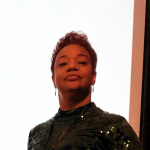
All Roads Lead 65 Max Radio hosted By Pamela L Henderson brings you honest discussions and topics about what's real in the world, having open discussions of your ‘Truth’ pertaining to obstacles and challenges that one will either endure over a period of time that has caused hardships and limited resources. Pamela who has overcome Injustice and obstacles on her journey had a vision to help give a platform for young adolescents to speak about how we can together as a diversity culture make our voices heard and be able to move forward through Social Growth. If you take a stance against bullying, you are standing against it. If you take a stance on a contentious issue, it means you believe strongly about it one way or the other. This stance affects everyone, therefor, her talk show will allow leaders and the community to be heard, and to heal through the discussions at a happy medium and to suggest solutions or resources to help bandage the wound that needs to heal.
65 Max foundation(s) focus is to enrich and empower each student academically by providing an Online presence or a classroom setting that allows each participant to participate in a group intervention (openly). Our Goal is to establish Social Emotional Growth that will instill the confidence and (OJT) skills that are needed, through the proposed goal #1 to develop a person's thought process by taking accountability as we empower each student to enhance their customer service skills by implementing hands on training that builds integrity and self-esteem, and to advocate skills that are needed to attain careers through Social Growth by pursuing a professional or entrepreneurial career.
Speaker Identification
Speaker 1 - Announcer, Announcer
Introduces the show and host in the pre-recorded show intro.
Speaker 2 - Pamela L. Henderson, Host
Identifies herself as 'your host Pamela L. Henderson' right after the intro.
Speaker 3 - Cherie Hoeger, Guest
Introduced by Pamela as Miss Cherie Hoeger, co-founder and CEO of Saalt.
Speaker 1 - Announcer, Announcer:
Welcome to All Roads 65 Max Radio, where the road ahead gets brighter as we journey towards truth, travelling through our dreams and an inspiration into a new reality. It's time, and your ticket is waiting. All Roads Lead 65 Max Radio, with Pamela Henderson.
Speaker 2 - Pamela L. Henderson, Host:
Greetings, thank you for joining me on BBS Radio, All Roads 65 Max Radio. I am your host, Pamela L. Henderson.
Speaker 2 - Pamela L. Henderson, Host:
Established in 2011, my focus is my mission statement: to help create a quality of life through social growth, inspiring jewels to become leaders by establishing partnerships with entrepreneurs, corporations, donors, sponsors, volunteers, the community, and abroad.
Speaker 2 - Pamela L. Henderson, Host:
Please join me every other Tuesday at noon on BBS Radio, and follow me at journeyofasapphire.com and allroads65max.org.
Speaker 2 - Pamela L. Henderson, Host:
My special guest today is Ms. Cherie Hoeger, co-founder and CEO of Saalt, a woman-owned B Corp with the mission to end period poverty since 2018.
Speaker 2 - Pamela L. Henderson, Host:
Saalt has donated over 160,000 period products across 56 countries and funded more than 1.3 million days of school for girls. Cherie says when girls cannot afford period care, they don't go to school. And that is a systematic obstacle that doesn't get talked about enough.
Speaker 2 - Pamela L. Henderson, Host:
Cherie is a mom of six, and she believes a hard work life integration over balance. Why? Balance was never real to begin with.
Speaker 2 - Pamela L. Henderson, Host:
At last, thank you for joining me and giving me this interview chance, Cherie, and welcome to the show.
Speaker 3 - Cherie Hoeger, Guest:
Well, I'm so thrilled to be here. Thanks for inviting me to the discussion.
Speaker 2 - Pamela L. Henderson, Host:
You are so welcome. So tell me a little bit, before I get started, I have a bunch of questions and we've got a great conversation ahead of us. Where are you located, and how are you doing out there?
Speaker 3 - Cherie Hoeger, Guest:
I am located in Boise, Idaho. It's nice and hot here. I love Boise. It's a great place to raise a family. I just like the Mountain West. I'm an outdoorsy gal.
Speaker 2 - Pamela L. Henderson, Host:
Yeah, where all the potatoes.
Speaker 3 - Cherie Hoeger, Guest:
Yeah, that's what we're known for, but we also have great rivers, and we have great skiing, and a great community. So, built on potatoes.
Speaker 2 - Pamela L. Henderson, Host:
Yeah, lots of potatoes. I know my niece, she got into, she had a job call and went to Boise, Idaho. And she had us cracking up. She's like, "It's just plenty of potatoes, it smells" and she's still there. So she's doing very, very well. I'm so proud.
Speaker 3 - Cherie Hoeger, Guest:
You know, a lot of people visit and then they never leave because they like it so much. So it's kind of like our best-held secret.
Speaker 2 - Pamela L. Henderson, Host:
Absolutely. Well, I'm going to start asking you, I have a bunch of questions. I am totally inspired by you, for one. I must say that. However, I love the name of your company, Saalt. Tell me how did you come up with this name, and what inspired you to move forward?
Speaker 3 - Cherie Hoeger, Guest:
Yeah, so Saalt, people ask if it's an acronym. It doesn't stand for anything, but we just wanted a name that would invoke this feeling of simplicity and returning to the natural. And salt is an essential element in our bodies and also the environment, just like the menstrual cycle is to human life. And it was also one syllable, and we could copyright it when we added two A's. And so you have both the logic and the aesthetic behind it, but it's been really great for us.
Speaker 2 - Pamela L. Henderson, Host:
Wow. And what is the core message you want readers to take away today when you talk about helping our girls?
Speaker 3 - Cherie Hoeger, Guest:
Yeah. No, that's that's great. So let's, I'll talk to you about my origin story. So the way Saalt started is that my family is Latino and so is my husband's family. So my mom is from Argentina, and my husband's from Venezuela. So I was speaking to his aunt there in Venezuela, and she was describing how difficult it was to get anything on grocery store shelves. She couldn't get food. She wasn't able to get personal care items, let alone things like pads and tampons.
Speaker 3 - Cherie Hoeger, Guest:
And yes, I say that here on on this radio, on this podcast. You know, it's TMI all the time for me in my company because I work in period care. So she wasn't able to get those products. And I was looking into reusable options, and I was introduced to menstrual cups and discs and period underwear for the first time. And I was a woman in my 30s and thought, "Where have these been my whole life? How come I didn't know these existed?" I had all the same questions people have like, "Oh, that's so big. Does it actually fit in there? How do you use this? How do you clean it?"
Speaker 3 - Cherie Hoeger, Guest:
And I tried it, and I was motivated to to help my family in Venezuela. And after I tried it, I thought, "These are amazing! Oh, my goodness." Cups and discs hold four to six times more than tampons do. They're better for our bodies. They're better for the environment. They can last up to 10 years, which is incredible, because I can have one in my purse and one in my bathroom, and I never had to buy tampons again. And I was blown away that they were so comfortable that I would forget that I was on my period.
Speaker 3 - Cherie Hoeger, Guest:
And then period underwear too. You know, wearing a pad is just not a great experience by any stretch of the imagination. You know, they stick to all the wrong places. They're bulky. They're wet. And when I tried period underwear, I thought, "This is amazing. This is like a built-in pad that moves with you, and I can just wash it and reuse it, and I can wear underwear that feels great."
Speaker 3 - Cherie Hoeger, Guest:
Anyway, as I discovered these products, I thought, "Why aren't these more mainstream? How come," you know, I was into my 30s when I first heard about it, "you know, how come this wasn't introduced?" And I realized that the stigmas around period care, and and this disposable supply chain that we've built our lives off of, you know, going to the store, getting what we need, really caused these products not to take off. And so I went with the goal to make these products mainstream, to bring them to a mainstream consumer, which meant making them beautiful, making them approachable, making them something that was so high-performing and innovative that people would want to use it.
Speaker 3 - Cherie Hoeger, Guest:
And so now I'm eight years in, so we launched Saalt in 2018, and it's been the most incredible journey I've ever been on. And it's really meaningful. You asked about women and girls. Part of that is because I discovered what period poverty was at the same time. So I realized as I researched into what people do for their periods and these products, that the situation in Venezuela actually applies to over a quarter of the world that lacks access to safe and reliable period products. And that is called period poverty.
Speaker 3 - Cherie Hoeger, Guest:
And I realized that 500 million women and girls lack this access. And so what does it make them do? They have to choose between going to school and going to work every single month if they don't have period products. I mean, think about it. If you didn't if you didn't have anything to manage your period, would you feel comfortable going to class? Would you feel comfortable going to work, you know? Would we feel comfortable sitting in this podcast? I've got this light-colored chair. If I thought I was going to, you know, bleed out.
Speaker 3 - Cherie Hoeger, Guest:
No, you know, this causes people and women and girls specifically to miss out on life, miss out on economic opportunity, miss out on education. And they have to use really rudimentary methods. They have to use things like banana leaves, or they find bits of mattress pad that they tear from their mattresses, or paper that they tear from their school books, or even soil and ash that they'll put into their underwear to absorb anything, because they don't they don't have those products.
Speaker 3 - Cherie Hoeger, Guest:
And so naturally, school drop-out rates skyrocket as soon as a girl hits puberty. And this just this cause and this realization made me feel like I had a moral obligation to do something. So when I discovered these products, these menstrual cups and discs and period underwear, they're sitting over here. I'm going to go grab them real quick.
[Music]
Speaker 3 - Cherie Hoeger, Guest:
Okay. But here: menstrual cups, discs, period underwear, when I discovered that these alone, something this big could keep girls in school, and keep women providing for their families, and could break cycles of poverty for generations, it was just something that I had to stand behind. These are literally the best products to end period poverty.
Speaker 3 - Cherie Hoeger, Guest:
So when you ask about like our origin story, we launched a company and also launched our impact mission, which is a 1% give-back mission, to donate these products across the world. So as of 2018 when we launched, we've now donated over 160,000 of our products in 60 countries and counting.
Speaker 2 - Pamela L. Henderson, Host:
Wow. Can you show me those products again?
Speaker 3 - Cherie Hoeger, Guest:
Yes.
Speaker 2 - Pamela L. Henderson, Host:
Show me your I have no clue.
Speaker 3 - Cherie Hoeger, Guest:
Absolutely. Okay, editor, give me a second. This is where I'm going to ask you to pause, because I have my table and it's not close to me right now. Let me bring it over real fast.
Speaker 2 - Pamela L. Henderson, Host:
That's okay.
Speaker 3 - Cherie Hoeger, Guest:
So these are our flagship cups. And then we also have two sizes of discs. And we have period underwear, really nice stretchy underwear that's made out of nylon or this really stretchy and comfortable modal fabric that we call our comfort collection. And truly, it's just built-in a built-in pad into the underwear.
Speaker 3 - Cherie Hoeger, Guest:
And so it makes it reusable. This can be reusable for several years, and it literally absorbs everything: so periods, bladder leaks, you know, sweat, that daily wetness. You can even wear them postpartum, which is incredible. And so these, for me as a mom of five daughters, I have six children, and five of them are daughters, it brings me such peace of mind to know that my daughters can wear this every day and literally always be covered.
Speaker 3 - Cherie Hoeger, Guest:
They never have those embarrassing moments that we've all had when we've had our first period or leaking out in math class. We've had to put the tampon up the sleeve, or go, you know, to the to the nurse's office and ask for pads. They simply wear the underwear every day, and they never have to worry about that. And they use the cups and discs in tandem with the underwear, where they'll use the cup to do most of the work, because this holds four times the amount of a tampon, and this larger disc can hold up to six times. So my oldest daughter loves our disc.
Speaker 3 - Cherie Hoeger, Guest:
And then they back it up with the underwear, and it's just incredible because they, you know, feel like they're themselves and they feel like they have freedom and dignity, and are absent of those embarrassing moments. So it's truly something that I am behind because I want to change the lives of women and girls and want to help them progress. And I feel like solving period care and being able to provide them something safe and reliable and high-performing is one of the best things that I can do to bring impact to this world.
Speaker 2 - Pamela L. Henderson, Host:
Now, is that your own creativity that you had made and everything for them, or?
Speaker 3 - Cherie Hoeger, Guest:
Yes. The products did exist on the market at the time, but what I did is I just created them better. We have a patented gusset technology that's the thinnest and driest gusset technology, so this can hold up to six pads of flow, which is incredible. It's it's incredible what you can do with with fabric these days. So for those who are just listening, it's about as as thin as a nickel. You know, for those who are on who are on video, they can see the whole thing. But it's essentially like a a pad replacement, but it's built into the underwear, and you simply wash it and you reuse it.
Speaker 3 - Cherie Hoeger, Guest:
So you just, you know, wash out any of the flow and then you reuse it, and it can last several years. And the cups and discs can last 10 years or longer. And so you never have to rely on pads and tampons again. And it's a more comfortable experience, and it's better for our bodies and the environment. So we're I'm just trying to get more awareness around these products that we created to be the best performing. So, but and and we've gotten some successes. So we're in all Target stores nationwide, we're in Walmart stores with our teen underwear, and then we're also on costco.com, and you can find us on Amazon and our website. So we're really trying to make it as accessible as possible for people.
Speaker 2 - Pamela L. Henderson, Host:
And tell me some uh uh some uh name some of the countries that you um are covering. I mean 56 is a lot, but name some of the the the ones that really were devastated from not having [crosstalk] what you offer.
Speaker 3 - Cherie Hoeger, Guest:
Yes. From period poverty. Yeah, so we we sell primarily to a US audience, and then we we sell also in you know Australia, the EU, the UK. So we have you know some proliferation in in where we are available. But, you know, one of the prouder things we're most proud of is donating our products to countries with the most need. And of course, we're a small company. We're about a teenage company, I would say, about eight figures. And we, you know, do have that's significant for a 1% give-back mission, but when you look at the goal of 500 million women and girls affected by period poverty, we've just placed a very small dent in that big goal.
Speaker 3 - Cherie Hoeger, Guest:
But our our North Star is that we want to end global period poverty with our products, because we believe reusable products are the best ones that that can actually make that happen. And so we have to focus our efforts in countries with the most needs, so places like rural Nepal or rural India, Micronesia, Latin American countries that you know are in third world nations, Venezuela, for instance, that's been under dictatorship, and and has struggled to have basic goods and services. And then we also have a lot of impact effort in Africa.
Speaker 3 - Cherie Hoeger, Guest:
So primarily concentrated in Togo and Kenya and Uganda are the three countries that we that we work the most in. But we've got you know satellite organizations that we work with all over Africa, and in Nigeria, that's another big one. But the reason why this matters so much for the people there is if you are living below the poverty line and you're struggling to even afford food off of you know your daily wages, then sometimes buying a box or a bag of pads or tampons, tampons are usually not available, but pads, can mean an entire month's wages.
Speaker 3 - Cherie Hoeger, Guest:
So they just literally can't afford these products. And with that, like I said, they go to these rudimentary methods. And if they don't have, you know, if they don't have even those rudimentary methods, or let's say they're using old rags and those can sometimes harbor bacteria and are not dried well enough or not washed well enough, then that can cause infections and other problems. So period care, solving it can really can really be a vital step in improving the station of women and girls across the world.
Speaker 3 - Cherie Hoeger, Guest:
So we really see it as one of those areas where prevention and being able to get people the products they need can solve so many other problems that come later down the road.
Speaker 2 - Pamela L. Henderson, Host:
Wow, that's amazing. And that was my next question, what specific problem inspired the founding of this organization, which is yours, and how has that mission evolved over time? And as you stated, you said it: 2018,
Speaker 3 - Cherie Hoeger, Guest:
Mhm.
Speaker 2 - Pamela L. Henderson, Host:
that's it. You're moving forward, and I am totally proud of you. And what you're doing is not only helping, you are inspiring, you are helping to make a difference. You name it, you are doing. And so I want to give you kudos for that. I thank you so much, because we need that for our girls. And that is something like you just stated in other countries, they don't have some of the products that we have over here. And
Speaker 3 - Cherie Hoeger, Guest:
Mhm.
Speaker 2 - Pamela L. Henderson, Host:
you created those products, so that is like very, very creative.
Speaker 3 - Cherie Hoeger, Guest:
Yeah, it really was born out of a need. So entrepreneurship so many times is really just it it comes from the needs that we identify around us. We see a hole, we need something, we say, "Well, we don't we can't find this product on the market or we can't find the solution, so you create it." And that is really how so many of their of entrepreneurs got their start. And that was true for my experience, is that I had tried several cups and I tried different period underwear, and it existed, so it wasn't something that was um new innovation, but it was disruptive in that I wanted to find something that was better, that worked better for my anatomy, that I felt comfortable giving to my daughters.
Speaker 3 - Cherie Hoeger, Guest:
At the time, there was a lot of cups and discs that existed on amazon.com, but they weren't made in the US. A lot of them were made in China, and sometimes can have you know silicone fillers or cannot can be made with a silicone that's not as high quality as what we have, that's manufactured and sourced in the US. And so I wanted something that I could truly trust, and be able to recommend to my friends and family. And that's when we decided to create our own products. And we, you know, made some unique design differences to make them what are now the best products for the beginning consumer.
Speaker 3 - Cherie Hoeger, Guest:
So people who are starting to use you know cups and discs and period underwear for the first time, ours are the best reviewed, as ones that you know have the least leakage and also are easiest to use. And you anyway, if you find it on there, the reviews can speak for themselves. But it's incredible to look back and say, "Okay, I wanted to make these products to make them available for more people, to make them available for people across the world and also for the US consumer, and have them be introduced to these products that I think are so much better for bodies and the environment." And to see us go through that journey and to finally hit that mark, and you know, be the bestselling cup in Target stores, be the bestselling cup on Amazon is just it's just incredible.
Speaker 2 - Pamela L. Henderson, Host:
Now did you try it yourself when you uh was getting your uh creativity together and your product? Did you do a trial yourself?
Speaker 3 - Cherie Hoeger, Guest:
Well, I did. I tried the products first, right? So I tried what was on Amazon, and I bought several different ones, and nothing really worked well with my anatomy. There was like one that I kind of liked, but I was like, "It just can be better." And that's when we went through 14 design iterations, and we hired a a freelancer who worked with a 3D CAD model, and we created you know what we hoped would be the perfect cup. And it took those 14 tries. We were like tweaking this, tweaking this, tweaking this, until we're finally able to make that flagship product, which was our very first cup.
Speaker 3 - Cherie Hoeger, Guest:
And then from there, then we also designed our discs in two sizes, which are incredible, and also our underwear. And you know, people ask all the time, if you'd like me to share, Pam, I can share what the differences are, and what and how these work and what they do, because that's that's a lot of the questions I get.
Speaker 2 - Pamela L. Henderson, Host:
I was going to ask you that. Yes, I want I want to ask you, because you raised them up again and those those look like little cups. So tell me about that.
Speaker 3 - Cherie Hoeger, Guest:
Yes. Yeah, I venture this might be the first time people are seeing them, right? So,
Speaker 2 - Pamela L. Henderson, Host:
Right.
Speaker 3 - Cherie Hoeger, Guest:
I'll start I'll start with the cups and we'll talk about discs. The underwear is a little bit more self-explanatory, but we'll talk about it. But the way that the way that menstrual cups work is that they collect flow rather than absorbing it like a tampon. They are inserted, and I have a little model here so you can see. But they're inserted horizontally into the vaginal canal. And then they pop open right here under the cervix, and there it's basically like a faucet that goes into a cup. It collects the flow.
Speaker 3 - Cherie Hoeger, Guest:
And then after like four to six hours on your heaviest day, you it it can last up to 12 hours on a lighter day, but about four to six on a heavy flow day. Then you locate the base of the cup, you pinch it at the bottom, and you pull it out, and then you dump it into the toilet. You give it a little rinse. We have these little water bottles that you can take with you to rinse it, or if you're next to a sink you can rinse it, or you can just wipe it with some toilet paper. And then you reinsert it.
Speaker 3 - Cherie Hoeger, Guest:
So instead of just throwing it away like a tampon, you just reuse it. It just has a little rinse and you put it back in. And that can be a learning curve for people. It's like, "Okay, I've got to get used to like putting something back inside." But what they find over time is it's a better experience, because these hold more than tampons so they don't have to change them as much. You can go to the bathroom with it in and not even change it out, whereas you know, the tampon, sometimes you have that a little bit of urine that can get on the string, right? And and you feel like you have to change it and pull out that dry tampon. It's such a such a not the best feeling in the world.
Speaker 3 - Cherie Hoeger, Guest:
But cups you can leave in there, which is incredible. And so then after you reinsert it, then you know, on a lighter day you can wear it for up to 12 hours. Oftentimes, on light days, I just put it in and it's like a set it and forget it, where people will forget that it's they're even on their period, because it's just there, it's collecting the flow. And then the discs are incredible because they actually sit in a place called the posterior fornix of the vaginal canal, so it's right here. This little area right there, that's where it sits.
Speaker 3 - Cherie Hoeger, Guest:
And they look this one looks so large. This is the one that holds six times the amount of a tampon. But and you're like, "Does can that really fit in there?" And I always tease, "Well, it's not as big as a baby's head, so it can fit." But but no, it just breaks down if you pinch it into figure eight. You see how moldable that is. It it can absolutely mold to the size of a tampon. So for those who are just listening, all I did is I just pinched it into figure eight and it just pinched down, and it's very, very thin.
Speaker 3 - Cherie Hoeger, Guest:
And so then you insert it also horizontally in the vaginal canal. But instead of relying on suction to seal like a cup that sits in the canal, this one sits above the canal in that fornix area, and it sits on your pubic bone structure. And so you place it, and you just tuck it above your pubic bone, and it sits on the skeletal structure. And, you know, it sounds like difficult to find, you know, and it takes just a little bit of practice, but really most people get it right away.
Speaker 3 - Cherie Hoeger, Guest:
My daughters all use discs. They love them, because they hold even more than their cups so they can wear them even longer, which is incredible. And then there's a few other benefits: if you have a weak pelvic floor like me, because I've had six kids, then this is great because sometimes the cups might slip up or down because of that weak pelvic floor. So this one, because it sits on the bone structure, can stay in better. And then uh if you have an IUD, this is a better option so that you don't risk suctioning out the IUD with the cup, so use the disc instead.
Speaker 3 - Cherie Hoeger, Guest:
And then they can be used for mess-free period sex, which is another bonus. Because it doesn't sit in the canal, it sits higher above, and it has this flexible basin so it can be used during your period, and it collects the flow and keeps it non-messy during intercourse, which is incredible. So a lot of great benefits. But some of the health benefits is that they're hypoallergenic. They're biocompatible. It's made out of the same high-quality silicone as as is used in medical permanent medical implants.
Speaker 3 - Cherie Hoeger, Guest:
It's made from a US company with US-sourced silicone, so very, very safe, less risk of TSS, and it doesn't have any of those harmful chemicals or heavy metals that have been found in tampons. So they are incredible products. And then really fast, I'll talk about just the underwear again. But the underwear, I had tried a lot of period underwear on the market, and period underwear is just underwear that absorbs. And we call it leak-proof underwear, because it can absorb any leak.
Speaker 3 - Cherie Hoeger, Guest:
And what's amazing about it is that it just offers a much more comfortable experience than wearing a pad that you just dispose of, because you're just wearing the underwear. And the best experience is to back it up like a panty liner, back it up with the cup. So the cup or disc does most of the work, and then you wear the underwear and it's just basically catches any spotting, you know, as you're taking things in and out essentially. But you can also, if you don't like inserted products, you can just wear it to replace pads and panty liners, and it's a much more comfortable experience.
Speaker 3 - Cherie Hoeger, Guest:
So what I what I innovated, what me and my team did, is that I had tried a lot of the period underwear that existed on the market eight years ago, and I said, "Okay, they absorb pretty well. This is great, but I still feel wet when I wear them." You know, I still feel
Speaker 2 - Pamela L. Henderson, Host:
Right, right.
Speaker 3 - Cherie Hoeger, Guest:
Yeah, I still feel wet. I don't want to feel like I'm, you know, sitting in my own blood. I want it to be a dry, comfortable experience. And that's when we developed our now-patented gusset technology. It took us four years to get the patent, but we worked with consultants at NC State at the Wilson College of Textiles, who they're just world-renowned for how they work with textiles, and then also consultants that worked with blood and fabrics, so consultants in forensics, to teach us like, "Okay, how can we make this happen? How can we make a period underwear that's super thin, that is also absorbs just as much as the others, but also keeps you dry?"
Speaker 3 - Cherie Hoeger, Guest:
And that's when we developed our technology. And it has these long fabric channels that might be a little hard to see on video, but these long fabric channels that disperse the liquid through the gusset, so that it holds more. And then the top layer is uh hydrophobic, and it's both hydrophobic and and hydrophilic on the top and bottom layers, so that it attracts that water but then doesn't let the water come back up, and so it keeps you dry. So it's very highly innovative.
Speaker 3 - Cherie Hoeger, Guest:
And the other thing I wanted to I wanted from this underwear was to have fabrics that felt like my favorite underwear, not like a period underwear, not like a diaper. I wanted something that felt amazing. And that's when we developed like this stretchy nylon fabric that's completely seamless, that has is seamless under leggings, seamless under dresses, feels like a second skin. Other fabric like this um cotton modal that's like super silky and soft, really nice for when you're on, you know, your period when you have heavy flows.
Speaker 3 - Cherie Hoeger, Guest:
We have we have this boyshort, we call it our cloud short, that's that same fabric. I wore these postpartum. Yeah, it has an Yes, it has an extended gusset that you can wear overnight. And like I said, I wore it for postpartum bleeding, because you can't wear an inserted product at the time. And so this covered everything. And guess what? I felt dignified on my period. I felt comfortable. I wasn't didn't have to wear those mesh hospital undies and those monster
Speaker 3 - Cherie Hoeger, Guest:
as they give you.
Speaker 2 - Pamela L. Henderson, Host:
Right, I was going to ask you, do you still have to put a pad still and lay it on on on the panty still?
Speaker 3 - Cherie Hoeger, Guest:
No, that's the beautiful thing is that it just absorbs right into that gusset technology. It's a pad replacement. So no pads.
Speaker 2 - Pamela L. Henderson, Host:
Okay.
Speaker 3 - Cherie Hoeger, Guest:
I know. The no pad life is amazing. I'll tell you, it's it's incredible. And then I just wanted to show really quick is we also have a teen line for those that are listening. There's just this stretchy fabric that's made in these beautiful colors. But the teen line is was really something that I developed for my daughters because they're very active. They're dancers, they're gymnasts, they play sports. And it has this quick drying moisture wicking fabric, and then it also has the gusset technology. And you know, teens don't always use insertable products right away, right? So they'll usually use pads, so this is a pad replacement, which is incredible. So people have loved our teen line.
Speaker 2 - Pamela L. Henderson, Host:
I love the creativity. Very, very strategic. I like that, absolutely. Because I never would have thought you're the first person that I have spoken with and had a line going on and yes, I don't have a period anymore, but yes, it it is much needed. So, you know.
Speaker 3 - Cherie Hoeger, Guest:
Well, and and for those that don't have periods, sometimes like I'm in perimenopause and you start to get more bladder leaks as you get older, right? And it covers that, too, so you can wear it for bladder leaks. So many people who, you know, have had hysterectomies or don't have periods, they'll still suffer from a little bit of wetness or those bladder leaks, and they have to wear daily panty liners. And it just continues to increase over time, and then eventually, sometimes they'll have to go to full Depends. But in that middle timeframe, it's just kind of that little backup, and that's exactly what the underwear does. It catches everything.
Speaker 2 - Pamela L. Henderson, Host:
Wow, yeah. Huh. You should have been around when I was let me see, my last period was when I was 35.
Speaker 3 - Cherie Hoeger, Guest:
Oh, amazing.
Speaker 2 - Pamela L. Henderson, Host:
And then when I when I did bleed, I only bled for like what, a day or so. It was so light. I'm like, "Oh, good." You know, here I am playing kickball and and and running track and everything, but I like. So tell me what what is the biggest challenges facing the company right now, if you have any, and how do you plan to address them?
Speaker 3 - Cherie Hoeger, Guest:
Oh, every company has challenges, absolutely. Some of our big ones are just marketing. It's awareness, right? We just talked and I explained exactly how the products work. I am an educator all the time. I actually came from a technical writing background, which turned out to be a really good background for entrepreneurship and for this company specifically. I laugh that I used to write textbooks on health and fitness, and I write so much more now as a business owner in this category than I ever did as a textbook writer. And so, that English major and having that technical writing background has really helped me. And one of the reasons why is because as a technical writer, you take every something that's really ambiguous and difficult, and you break it down to be consumable and easy to understand for for a mainstream person. And that's what I do every day at Saalt, is I'm just educating about our products. And so that is one of our biggest challenges, is that we work in a stigmatized category. And I love that the stigmas are changing. Gen Z and Gen Alpha are doing such a better job talking about all of the taboo areas, whether it's periods, whether it's fertility, whether it's bladder leaks. It's not off the table anymore, where I think you and I grew up where it was still hidden. You know, we had to whisper, "Period." We had to like hide those tampons up our sleeve, right? And now they're like, "Hey, boyfriend, can you go get me my pads? You know, I just started I just started my period. I'm in my luteal phase, so I'm not feeling super great." And they're just a lot more educated and they're willing to have the conversations. And I really feel like that's needed. So, that's that's our biggest uphill battle is just being able to share share our products with people and get through that barrier of, "Okay, I don't know what this is. This is different than what I grew up with. Is this is this something that people use? This seems like a fringe, alternative product." And we teach them that this is actually better. It's cleaner. It's better for the environment, for your body. And that takes time. That takes education. So it's a longer customer journey. It takes longer to convince people to buy the product. And then we also have stigmas on like our ads, for instance. Sometimes we will get banned in our ads because we talk about the word period, or we use the word vagina, and you know, we're not allowed to use that because it can come across as sexualized content when we're really just trying to have straightforward conversations around women's health. And so those are some of the barriers that we, you know, are up against all the time.
Speaker 2 - Pamela L. Henderson, Host:
Yeah, and you are so right about that. And speaking about that, now you haven't had no no one that's using the product that you know of had any issues with like remember long time ago when we used to I never used them, but the tampons we you know, we have to put up our
Speaker 3 - Cherie Hoeger, Guest:
Mhm.
Speaker 2 - Pamela L. Henderson, Host:
Mhm, they start getting sick from toxic syndrome or something of that nature. Did you test your products for that, especially the ones with the cup that you have to put up in the cervix?
Speaker 3 - Cherie Hoeger, Guest:
Yeah, yeah, yeah. So, the cup sits right below the cervix, and so does a tampon. And it's toxic shock syndrome that you're talking about, and that really had a lot more proliferation in the '80s, where there was a lot more toxic shock going around, and that's because the super tampon was introduced. And those super tampons were so large that that they would expand in the vaginal canal, and then when you took them out, it would cause micro-tearing. So, there's actually a misconception around TSS, where people think that the way that people get TSS is by leaving a tampon in too long. And that's actually not the case. It doesn't have to do with time, although time can play a factor over over time, but it really isn't time. You have to have the staph bacteria present, and then you on your bodies, which a lot of us do, like 50% of us have the staph bacteria on us all the time. It's it's quite normal. But it's it's fine unless it enters the bloodstream, so it has to have a place for it to enter into your bloodstream. And so sepsis, that's caused, you know, by TSS, can actually happen to men, too. It can happen not only, you know, from period products. It can happen, you know, on your leg. I one time had sepsis on my elbow because I cut my elbow accidentally and must have had the staph bacteria, and it happened in my shower, and so then it got infected. And so that can happen anyways. But it can be more common with menstrual products and with those super tampons because when they were pulling them out, it would cause these micro-tears, and then that staph bacteria could get into the bloodstream. And then that can be really scary. It's a very serious and dangerous condition. With cups, because they're moldable and because they're, you know, soft and moldable, when you pull them out, they don't cause that same micro-tearing and they don't harbor bacteria like tampons do with the cotton and rayon that's in tampons, where it can just provide kind of a perfect storm of having this environment that can cause, you know, cause bacteria to grow and then the micro-tearing. And so cups are much safer. Can TSS happen with cups? It can happen with anything. It can happen with pads, too. So yes, it can happen, so it's not like fully foolproof, but a much, much, much less risk of TSS when you use cups and discs. I hope that answers the question.
Speaker 2 - Pamela L. Henderson, Host:
Yeah, it did. Thank you so much. You said manipulation, let's talk about that, thrives when women are isolated, and their stories go unheard, which I have to agree. That I do agree. I absolutely agree, but tell me in your opinion have anyone came to you about complaints even when you were distributing in other countries, and why?
Speaker 3 - Cherie Hoeger, Guest:
So, people were actually most often shocked to find how successful they are with our products because they'll expect, you know, that the learning curve will be really hard. We actually just conducted a study with 188 participants, and one of the questions that we asked was we had them switch from tampons to cups. So they used tampons for one cycle, then used cups or discs for two cycles. And we had them self-report a few things, and one of them was how difficult were they to use. And less than 10% said that they were difficult to use. So that was a big win. And then in our countries that we donate to, we actually have a 95% adoption rate, which means that they're successfully using the product long-term, and we measure that across all the countries that we work in. And people are often surprised to hear that because they expect these things to be so difficult to use, and they're really not. They take some education, just like it took to use a tampon or a pad for the first time. And once you get it, then it's just like, "Okay, I figured this out." And and so, no, the we most often have people who are very very satisfied with the products, and even, you know, studies from that have shown that nine out of 10 people never go back to using disposable products again after they've made a switch to reusables.
Speaker 2 - Pamela L. Henderson, Host:
Great. That's beautiful. That is awesome. In your opinion, why empowering others matters now more than ever?
Speaker 3 - Cherie Hoeger, Guest:
Oh, especially empowering individuals, because I truly believe that the best way to change the world is not going to be by massive government, you know, programs or massive company programs. It really is by empowering each of us as individuals, because each of us have an exponential and infinite potential to cause ripple effects that change the world over time. It's as we empower individuals, then they can change the world. And so, for us, we know that every single cup or pair of underwear that we donate changes a life, and that life can change their communities, their can change first their their life, and then their family's life, and then their communities, and it can go further to everybody that they influence and touch. And so the more lives we can change, individual lives that we change, the more impact we can create. And so it's such an empowering thing to have that as our company's goal and mission, is to actually change and improve lives every day. And it's a it's fulfilling to be able to do that specifically for women and girls to help their station. So yes, I massively am under the belief that empowering the individual is the best thing that we can do to create an impact in this world.
Speaker 2 - Pamela L. Henderson, Host:
I absolutely agreed to that too, and that is true. And it feels so good when you are doing God's work, or you're helping someone and you're able to see that smile on their face. You know what I mean? You could say, "Try this. This will work. This is going to help you." And they come back the next day, and then they have that smile on their face and say, "Thank you so much for helping me." Because what you're doing, you know, we're shy and it takes us to get a little open, you know what I mean, when you're dealing with menstrual and everything. But here you are saying, "I know what's needed. I'm going to help you. Just do this." Right?
Speaker 3 - Cherie Hoeger, Guest:
Yep.
Speaker 2 - Pamela L. Henderson, Host:
Yeah, couldn't
Speaker 3 - Cherie Hoeger, Guest:
Yeah, no, couldn't agree more. And I love that you're doing this, Pamela, on your platform, is that you're really trying to get out these conversations and stories that are empowering people through their influence and their individual influence. And all of us have different stories and different backgrounds, and you're able to bring those out and bring out those insights and help, you know, help people learn from other people's experiences. And I think that's one of the best things we can do also to create more female leaders and to create more female entrepreneurs, is just seeing more examples of great female entrepreneurship and leadership and influencers and, you know, career women who are also making an impact, because then that helps us to believe we can do it, too. And so one of the messages that I have for your audience today is, you know, I was an at-home mom, you know, with doing technical writing on the side when I started this company, and now it's this eight-figure company that's a national brand. I just came off of Good Morning America last week, which was so fun, and I have these incredible experiences now because I just decided to do something that I and to go after a cause that I truly believed in. And there was a lot of imposter syndrome at the beginning. I, you know, felt like I don't have an MBA, I've never been a CEO before, I've always been self-employed, I've always done my own thing as an entrepreneur with my husband, and so I didn't even know how a company was supposed to run. But when you have that need, need can and necessity can breed stretching, can breed growth, right? And so because I was put into the fire, I just had to learn on the job and was always taking coaching programs, reading books, getting all the information I could to be able to grow. So if you're in a position where you're thinking of supporting a cause, or you're thinking of creating a product, or doing something great and you want to follow your passion, don't let that imposter syndrome stop you, because here I'm a mom of six and I was able to do it with my family. We didn't talk about work-life integration. We should do that. But I've been able to do it because because I've just been intentional and deliberate and passionate about what I want, and I've put in the hustle and grit and work to do it. So I think that success in entrepreneurship has far less to do with your credentials, and, you know, how much education you have, and more of how hard you can work and how much you believe in your cause.
Speaker 2 - Pamela L. Henderson, Host:
You hear that by Cherie Cherie, and that is so true because, you know, it was a time where you know, you had to have these degrees and all this education in order to be all you can be. No, that is not true, and we we have others that have done the same. And all you have to do is if you have a passion, if if if you are serious about what you believe in, like me, I believe my background is customer service skills, and I come from restaurant and and
Speaker 3 - Cherie Hoeger, Guest:
Yeah.
Speaker 3 - Cherie Hoeger, Guest:
Mhm.
Speaker 2 - Pamela L. Henderson, Host:
hospitality. So I get it, and I understand. And when I had taken on my program, I knew that what our girls are missing, whom have faced challenges and obstacles, for them to be able to move forward, just like we're doing right now. This is customer service skills.
Speaker 3 - Cherie Hoeger, Guest:
Yeah.
Speaker 2 - Pamela L. Henderson, Host:
We just have to know how to speak and understand, and utilize that anger in a different way, but we're still having to communicate effectively in order to get what we want out of life. And I thank you so much for being proud of me, because what I do, I am absolutely passionate about. Since 2011, I'm I'm just like you, I have studied, I have certifications in
Speaker 3 - Cherie Hoeger, Guest:
Mhm.
Speaker 2 - Pamela L. Henderson, Host:
all kinds of things. I mean, I'm a woman with a lot of hats. But however, what I do and what I believe in in my foundation, it works. And I have done the research and I have shared my blueprint, and at a junior high, high school, and with one of the political leaders here in my community, it works and they're so proud. And and I'm happy, and even with my grandson who lives with me, he's 18, getting ready to graduate from school and everything, um, doing the work with him and some of the obstacles that he were he was going through, he's fine. And I'm proud of that, that I am.
Speaker 3 - Cherie Hoeger, Guest:
Yeah, using your influence in family and in your community, and in your work. And I I think that's incredible. And you know, that that's actually the last thing I wanted to share is because you talked about work-life balance versus work-life integration, and I do think that trying to fit our work life in these perfectly balanced structures where we say, "Let's have eight hours of work and eight hours of sleep, and eight hours of personal life." It just never happens that way because you have your grandson that lives with you, right? And you need to tend to his needs, and you also have work, and you also have your community ventures. And we also have health that comes up, you know, and some days we're just not at our best. And things overlap all the time. So work-life integration is really about making work work for your life, and loving what you do and doing what you love, and integrating them smoothly within each other. So there's like a lot of tips and tricks that you can have. But if you want to improve your health and you don't have enough time, like we have walking treadmills that we use at work, my husband will do push-ups in between his meetings. We also have an in-office preschool, where my son, who's four years old, my youngest right now, he's there at the preschool so I can do this podcast and I can do what I do best here. And then I can be fully present with him, and I will go and I can have lunch and I can go there for diaper changes and potty training. And it's incredible and it's so good for our working moms and working dads, and it's something that we've brought into our workplace to make it a pro-family culture and to really live that work-life integration. It's like taking your family with you on your work trips so that you can make it both a work trip and vacation, and just doing little things where you can meld it together and really make your work and life fulfilling, all those tips and tricks. So that's what I live and breathe, and that's how I've been able to create this eight-figure company while also having six children and essentially having two full-time jobs. I just had to be very intentional with my time and figure out how to make them work together, and really also make tradeoffs and cut out cut out the things that weren't serving me, that weren't necessary, so I could focus on the most important things in my life. And so if you're struggling with burnout or overwhelm, know that you can make it happen. Be creative in the solutions you have, and don't feel like you have to sit within the the status quo and the normal patriarchal structures. Like if you have some flexibility in your work, if you have some flexi- flexibility with your PTO time, then find out how you can integrate both together. Maybe it's that little bit of meditation that you do on a break, right, or that little bit of exercise that you do on a break, or get a little bit of inspired reading so that you can get the things that are most important to you that are filling your cup throughout the day. So anyway, I have all sorts of tips and tricks, but it's truly changing that mindset. And also, I think letting that the expectations of perfect balance go can help to also let go that mom guilt of being perfect. When instead you're like, "I'm going to make it work with both, and sometimes I have to give a little bit more time to work, and sometimes I have to give a little bit more time to my personal life, and that's okay. That's life. It's not going to be perfectly balanced every single day. Sometimes we have to travel." So let those expectations go and just realize that, over time, you're creating the building blocks for your incredible life, and you can create your life to be the best that you want it to be.
Speaker 2 - Pamela L. Henderson, Host:
Absolutely. You believe in owning your health data, right?
Speaker 3 - Cherie Hoeger, Guest:
Mhm.
Speaker 2 - Pamela L. Henderson, Host:
More to, and consumers should have direct access. Tell me about that.
Speaker 3 - Cherie Hoeger, Guest:
Yeah, so it's just it's really about being an advocate for your health. So I actually have a podcast called The Saalt Show, and all of it is where I I interview experts that talk about hormone balance, that talk about nutrition, that talk about skin care, and then talk of course about the menstrual cycle and the different phases of our menstrual cycle. And it's really about being an advocate for your own health and understanding your body with good information. So I believe that the more we know, the more that we're educated about our health and our personal bodies, the more that we can live in our optimal health and vitality. And so it really is just about taking the reins on your own education.
Speaker 2 - Pamela L. Henderson, Host:
Wow. Okay. Very good. That's a that that's a major point right there. I like that. Tell me about the free AI platform, and why you know, I don't know where I got this from, but tell me if I'm right or wrong, is it is it uh Gavid Gavidy or Gevity made AI-powered as an existing blood work?
Speaker 3 - Cherie Hoeger, Guest:
You know, I don't think that one I think I think it I think it must have pulled something. That was not me, so [laughter] I can't think of that one, yeah.
Speaker 2 - Pamela L. Henderson, Host:
Okay. Well, I didn't think so, cuz I was up here reading and I'm like, "No, not what we're discussing and everything." [laughter]
Speaker 3 - Cherie Hoeger, Guest:
I know. Sometimes we get I have a team that gives me information, too, like gives me information on the guests that I host and sometimes it's a little off, and I was like, "This doesn't sound right." So, yeah. [laughter]
Speaker 2 - Pamela L. Henderson, Host:
I ask anyway, but it doesn't mm. It's not working it's not working for me. You had a conversation
Speaker 3 - Cherie Hoeger, Guest:
Yeah.
Speaker 3 - Cherie Hoeger, Guest:
Oh, go ahead. Go ahead.
Speaker 2 - Pamela L. Henderson, Host:
So you had a conversation with Mr. David Wilson in a recent episode about protecting vulnerable women and giving a voice to people who've been silenced. Let's discuss that a little bit before we Yeah, that one that one isn't me either. Yeah, I don't know a David Wilson.
Speaker 3 - Cherie Hoeger, Guest:
Yeah, that one that one isn't me either. Yeah, I don't know a David Wilson.
Speaker 2 - Pamela L. Henderson, Host:
That's not you either?
Speaker 3 - Cherie Hoeger, Guest:
It's not, but that's okay. You know, I think I think I mean, we've been going for like 50 minutes. I think that we have a lot of good contact. Maybe um something you could ask me is just like what advice would you leave for people who are just starting entrepreneurship. Um I think that that's that's a good question we could end on.
Speaker 2 - Pamela L. Henderson, Host:
Yeah, let's do that.
Speaker 2 - Pamela L. Henderson, Host:
Okay.
Speaker 3 - Cherie Hoeger, Guest:
Yeah, I think so. I think let's do that instead. [laughter]
Speaker 2 - Pamela L. Henderson, Host:
Yes. And in and in our final conversation, what advice will you give to new uh entrepreneurs that are striving right now?
Speaker 3 - Cherie Hoeger, Guest:
You know, I love a quote from Oprah. It's my favorite quote and she says, "The biggest adventure you can take is to live the life of your dreams." And I love that, because, you know, I used to dream so big when I was younger. I would, you know, put down all my goals, I'd put down my bucket list, and I didn't realize at the time that that was one of the best things that I could do to actually create the life that I wanted, was to put all those dreams down, to manifest it, to put it in my periphery so I knew where I was going. And so, dream big and write down everything that you want, and it the universe has this magic of bringing these things together and bringing it into your life when you're so defined in what your vision is for your life. And so, I think all of us have the power to create our best lives. And in entrepreneurship, you know, I touched on this, but don't sweat the naysayers, don't let that imposter syndrome get to you because it truly is just about your passion and your work and what level of commitment you're willing to make, and not everybody is is ready for entrepreneurship and not everybody can make that commitment because it can take a lot of time. But even in your careers, it doesn't have to be entrepreneurship, but let's say you have a goal for promotion, or what company you want to work for, or what you want to create, what kind of impact you can have, even in your career goals, you can also partner with a nonprofit to create impact together. You can volunteer. You can do something on the side. You can have a side hustle. There's so many creative ways that you can make your best life and also do it without being mutually exclusive to motherhood. If you are a mother, or if you have nieces and nephews, like you can be the best at a mothering and nourishing the people around you, those that you love, and also having a career, and you can do it together, as long as you are deliberate and intentional with your time. So, dream big, like Oprah says. Live the life of your dreams. It is an incredible adventure, like she says, and I think I'm living proof of that.
Speaker 2 - Pamela L. Henderson, Host:
That you are. So before we go, tell us how someone can reach you, about the products, your social media, website.
Speaker 3 - Cherie Hoeger, Guest:
Yes, so you can find us at saalt.com, that's saalt.com, so two A's. And then you can find us on all the socials @saaltco, so saalt.co @saaltco on Instagram, TikTok, LinkedIn, all the places. And then you can also find us online at Amazon, and we're on costco.com, and we're also in Walmart stores with our teen line, and you can also find our cups and our underwear in Target stores.
Speaker 2 - Pamela L. Henderson, Host:
Well, you have it there, readers. I have reached my destination, but I leave you with this quote. "Women's health research has been chronically underfunded." Cherie Hoeger. Until next time, you have a beautiful day and God bless everyone. Cheers.
Speaker 3 - Cherie Hoeger, Guest:
God bless you. Thank you.
Speaker 2 - Pamela L. Henderson, Host:
You're welcome.
[Music]
Speaker 1 - Announcer, Announcer:
Thank you for listening to All Roads 65 Max Radio with Pamela Henderson. Join us every other week on Tuesdays, 11:00 AM Pacific Time, 2:00 PM Eastern Time on BBS Radio, Station 1. And please visit allroads65max.org and become a volunteer or sponsor, and be the change you want to see in this world. With your help, we can make a difference in our society, and uplift those who so desperately need our help. Thank you for tuning in.
[Music]